ارتفاع ضغط الدم
ارتفاع ضغط الدم
مراجعة من قبل الدكتور كولين تايدي، MRCGPآخر تحديث بواسطة الدكتور دوغ مكيتشني، MRCGPآخر تحديث 20 يناير 2025
يتوافق مع الإرشادات التحريرية
- تنزيلتنزيل
- مشاركة
- Language
- نقاش
- نسخة صوتية
- أضف إلى المصادر المفضلة على جوجل
High blood pressure (hypertension) happens when the force on the walls of blood vessels (caused by the blood within them) is more than normal. This means the heart has to work harder and the blood vessels are under more strain, making it a major risk factor for أمراض القلب, السكتة الدماغية and other serious conditions.
نظرة سريعة
يُعتبر ضغط الدم مرتفعًا إذا كان 140/90 ملم زئبق أو أعلى عند قياسه في عيادة الطبيب العام.
يكون 135/85 مم زئبق أو أعلى إذا تم قياسه في المنزل.
A single high reading does not mean you have high blood pressure.
عادةً ما لا يكون لارتفاع ضغط الدم أعراض، لذا يجب فحصه.
يمكن أن يؤدي ارتفاع ضغط الدم غير المعالج إلى مشاكل صحية خطيرة بمرور الوقت.
يمكن أن تساعد تغييرات نمط الحياة والأدوية في تقليل ارتفاع ضغط الدم.
برعاية
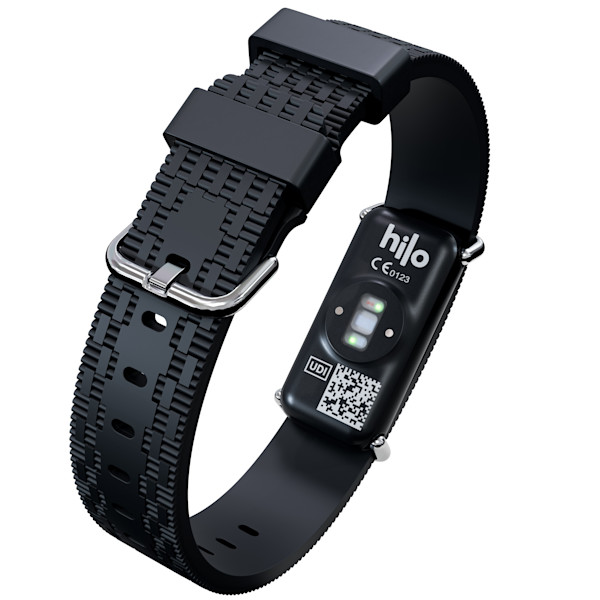
يوصي المريض بـ... Hilo
راقب ضغط دمك باستمرار، ليلاً ونهاراً - بدون كفة قابلة للنفخ. الأكمام التقليدية تلتقط لحظة واحدة فقط، إذا تذكرت استخدامها. يأخذ Hilo حوالي 25 قراءة في اليوم، مما يكشف كيف يؤثر التوتر والوجبات والنشاط على ضغط دمك حتى تتمكن من اتخاذ قرارات مستنيرة لصحتك.
ما هو ارتفاع ضغط الدم؟
High blood pressure is a blood pressure that is:
140/90 mm Hg or higher when taken at a GP surgery, pharmacy, or clinic, or;
135/85 mm Hg or higher when taken at home.
Blood pressure normally goes up and down throughout the day, depending on what someone is doing. It's also normal for blood pressure to go up for a short time if someone is feeling stressed, anxious, or in pain.
So, a single raised blood pressure reading is not enough to say that someone has high blood pressure. But if your blood pressure readings are checked again at different times, and are raised most, or all, of the time, it shows that you have high blood pressure.
As a rough guide, the ideal blood pressure for adults is between 90/60mmHg and 120/80mmHg.
ما هو ارتفاع ضغط الدم؟
Understanding a blood pressure reading
Blood pressure readings are given as two numbers, eg 130/80. The first number is the systolic blood pressure, and is the blood pressure when the heart is pushing blood out through the body.
The second number is the diastolic blood pressure, and is the blood pressure when the heart is filling with blood between heartbeats. Blood pressure is measured in millimetres of mercury (mm Hg).
A one-off blood pressure reading that is high does not mean high blood pressure. Blood pressure varies throughout the day. It may be high for a short time, such as when anxious, stressed, or after exercise. This is normal, and short-term rises in blood pressure don't cause problems. However, if blood pressure is raised for a long time (months or years), it can cause serious health problems.
أعراض ارتفاع ضغط الدم
High blood pressure usually doesn't cause any symptoms at all, and so the only way to know if your blood pressure is high is to get it checked.
Usually high blood pressure is only picked up if blood pressure is checked routinely, or as part of checks for another medical problem.
Rarely, very high blood pressure can cause symptoms such as:
الصداع.
دوار.
رؤية ضبابية.
ألم في الصدر.
Feeling short of breath.
Risks of having high blood pressure
High blood pressure over a long period of time (years) increases the risk of developing serious health problems.
High blood pressure causes damage to blood vessels, making them weaker or narrower, and increases strain on the heart. In general, the higher the blood pressure, the greater the risk of serious problems.
Untreated high blood pressure can lead to:
Visual loss and blindness.
ما الذي يسبب ارتفاع ضغط الدم؟
It isn't always clear what might be causing high blood pressure. However, the risk of developing high blood pressure is increased if a person:
Has diabetes. This is the case for النوع 1 السكري but it is even more common in those with داء السكري من النوع 2.
Is from a Black or South Asian ethnic background.
Has a family history of high blood pressure.
Has certain lifestyle factors. That is, those who:
Are overweight or obese.
Eat a lot of salt.
Aren't physically active.
Drink a lot of alcohol.
Have a lot of stress.
How is high blood pressure diagnosed?
Unless a single level is extremely high, high blood pressure shouldn't be diagnosed without an average of several readings, usually from measuring repeatedly at home, or 'ambulatory' measurements (using a monitor worn for 24 hours).
One reason for this is because some people become anxious in medical clinics. This can cause the blood pressure to rise. Home or ambulatory monitoring of blood pressure may show that the blood pressure is actually normal most of the time when a person is relaxed.
However, if a person has diabetes, or has recently had a heart attack or stroke, blood pressure checks may be advised more often over the following week or so. Treatment with medication is usually considered at an earlier stage if the high blood pressure readings remain high.
How is blood pressure measured?
The first blood pressure reading will usually be in a clinic, pharmacy, or GP's surgery. If one reading is found to be high, it is usually best to wait a bit and recheck it. They might suggest rechecking it after a few minutes, or coming back on another day to recheck.
They might also recommend that you do home or ambulatory readings to see what your blood pressure levels are like over a longer period of time.
Blood pressure readings can be divided into:
Clinic/GP surgery blood pressure readings
These are readings taken by a doctor or nurse in a clinic or a GP surgery, using a standard blood pressure machine.
Home blood pressure readings
This involves a machine to take blood pressure readings at home. Blood pressure readings are taken by a person whilst seated and at rest at home, using a standard blood pressure machine.
The blood pressure readings are taken twice a day for a week. This can then provide an average reading. It's normal for blood pressure to fluctuate, so a single raised reading isn't a cause for concern unless it's extremely high.
Ambulatory blood pressure readings
These are readings taken at regular intervals during normal activities. A small machine that is attached to the arm takes and records the readings, usually over a 24-hour period.
As a rule, an average of the ambulatory blood pressure readings gives the truest account of blood pressure. Home blood pressure readings are a good substitute if an ambulatory machine is not available.
Ambulatory and home readings are often a bit lower than clinic or GP surgery readings. Sometimes they are a lot lower. This is because people are often much more relaxed and less stressed at home than in a formal clinic or surgery situation.
See the separate leaflet called Home and ambulatory blood pressure recording.
What other tests are done for high blood pressure?
People who are diagnosed with high blood pressure (hypertension) should have some routine tests which include:
ت اختبار البول to check for protein or blood in the urine.
A blood test to check that the kidneys are working normally and to check cholesterol level و sugar (glucose) level.
A heart tracing, called an electrocardiogram (ECG).
These tests are designed to:
Rule out (or diagnose) a secondary cause of high blood pressure, such as kidney disease.
Check to see if the high blood pressure has affected the heart or kidneys.
Check for other important risk factors for heart disease and stroke, such as a high cholesterol level or diabetes.
How to reduce high blood pressure
Lifestyle changes can be very important to help reduce blood pressure and reduce the risk of أمراض القلب والأوعية الدموية. In some people diagnosed with high blood pressure, this may help them to avoid medication. In particular, the following may help:
Reducing salt in the diet.
الإقلاع عن التدخين doesn't reduce blood pressure, but smoking and high blood pressure increase the risk of the same conditions. So quitting smoking will reduce the risk of conditions such as strokes, heart attacks, مرض الشرايين المحيطية و مرض الكلى المزمن.
See the separate leaflet called Living with high blood pressure.
Treatments for high blood pressure
High blood pressure medication
The main treatment for high blood pressure is medication. There are many different medicines for high blood pressure. There are six main classes of medicines that are used to lower blood pressure:
Angiotensin receptor blockers (ARBs).
They work in various different ways. A doctor will advise on the best one to use for any individual as the most effective medicine will depend on a few different factors. If the first medicine doesn't work well enough or causes side effects, there are plenty of other options. More than one medicine is often needed to control high blood pressure.
The idea is to find one or more pills which suit an individual, and which control blood pressure. Once blood pressure is controlled, medication needs to be continued long-term. Blood pressure will be checked regularly and medication adjusted if need be.
اختيارات المرضى لـ ضغط الدم
صحة القلب والأوعية الدموية
التعايش مع ارتفاع ضغط الدم
About 3 in 10 adults in the UK are living with high blood pressure. There are things that you can do to try and reduce your blood pressure. This will reduce the risks of complications from high blood pressure - which can include kidney damage, stroke, heart disease, dementia, and problems with the blood vessels.
بقلم الدكتورة فيليبا فينسنت، MRCGP
صحة القلب والأوعية الدموية
تسجيل ضغط الدم في المنزل والتنقل
يوصى بتسجيل ضغط الدم خارج عيادة الطبيب لمعظم الأشخاص الذين يُشتبه في إصابتهم بارتفاع ضغط الدم. وذلك لأن القراءات التي تُؤخذ بينما يمارس الناس حياتهم اليومية تكون أكثر دقة من تلك التي تُؤخذ في عيادة الطبيب. كما يمكن استخدامها لتزويد الطبيب بمعلومات حول مدى فعالية دواء ضغط الدم. الطريقة المثلى هي مراقبة ضغط الدم المتنقلة، التي تستخدم جهاز تسجيل محمول. إذا كان ذلك غير مريح أو غير ملائم، يمكن أخذ القراءات باستخدام جهاز ضغط الدم التقليدي في المنزل.
بقلم الدكتور كولين تايدي، MRCGP
الأسئلة الشائعة
ما الفرق بين ضغط الدم الانقباضي والانبساطي؟
ضغط الدم الانقباضي هو الرقم الأول في القراءة (على سبيل المثال، 130 في 130/80) ويمثل الضغط عندما ينقبض قلبك ويدفع الدم للخارج. ضغط الدم الانبساطي هو الرقم الثاني (على سبيل المثال، 80 في 130/80) ويعكس الضغط عندما يرتاح قلبك ويمتلئ بالدم بين النبضات.
متى قد أحتاج إلى فحوصات ضغط الدم بشكل أكثر تكرارًا؟
إذا كنت مصابًا بمرض السكري أو تعرضت مؤخرًا لنوبة قلبية أو سكتة دماغية، فقد يُنصح بفحص ضغط الدم لديك بشكل متكرر، عادةً على مدار أسبوع أو نحو ذلك، لمراقبة قراءاتك عن كثب.
ما هي التغييرات المحددة في نمط الحياة التي يمكن أن تساعد في خفض ضغط الدم لدي؟
للمساعدة في خفض ضغط الدم المرتفع، يمكنك محاولة فقدان الوزن إذا كنت تعاني من زيادة الوزن، والحفاظ على تناول الكحول ضمن الحدود الموصى بها، وتقليل كمية الملح في نظامك الغذائي، والانخراط في ممارسة التمارين الرياضية بانتظام. يمكن أن تساعد هذه التغييرات في إدارة ضغط الدم وتقليل خطر الإصابة بأمراض القلب والأوعية الدموية، وأحيانًا حتى تجنب الحاجة إلى الأدوية.
هل يساعد الإقلاع عن التدخين في خفض ضغط الدم؟
على الرغم من أن الإقلاع عن التدخين لا يخفض ضغط الدم بشكل مباشر، إلا أنه لا يزال مهمًا جدًا لصحتك. كل من التدخين وارتفاع ضغط الدم يزيدان من خطر الإصابة بحالات خطيرة مثل السكتات الدماغية والنوبات القلبية وأمراض الكلى. الإقلاع عن التدخين سيقلل من خطر إصابتك بهذه المشاكل الصحية بشكل عام.
لماذا قد يوصي طبيبي بإجراء اختبارات أخرى مثل اختبار البول أو تخطيط القلب بعد تشخيص ارتفاع ضغط الدم؟
بعد تشخيص ارتفاع ضغط الدم، قد يطلب طبيبك إجراء اختبارات إضافية مثل اختبار البول، اختبار الدم، وتخطيط كهربية القلب (ECG). تساعد هذه الاختبارات في التحقق من الأسباب الكامنة وراء ارتفاع ضغط الدم، وتقييم ما إذا كان ارتفاع ضغط الدم قد أثر على قلبك أو كليتيك، وتحديد عوامل الخطر الأخرى لأمراض القلب والسكتة الدماغية، مثل ارتفاع الكوليسترول أو السكري.
كم من الوقت سأحتاج لتناول الدواء بمجرد السيطرة على ضغط الدم لدي؟
بمجرد أن يتم التحكم في ضغط الدم لديك باستخدام الأدوية، ستحتاج عادةً إلى الاستمرار في تناول الأدوية على المدى الطويل. سيتم مراقبة ضغط الدم لديك بانتظام، ويمكن تعديل الأدوية إذا لزم الأمر.
قراءة إضافية ومراجع
- Description of the DASH (Dietary Approaches to Stop Hypertension) Eating Plan; National Institutes of Health
- Guidelines for the management of arterial hypertension; ESH/ESC Clinical Practice Guidelines, European Society of Cardiology (2013)
- He FJ, Li J, Macgregor GA; Effect of longer term modest salt reduction on blood pressure: Cochrane systematic review and meta-analysis of randomised trials. BMJ. 2013 Apr 3;346:f1325. doi: 10.1136/bmj.f1325.
- Ettehad D, Emdin CA, Kiran A, et al; Blood pressure lowering for prevention of cardiovascular disease and death: a systematic review and meta-analysis. Lancet. 2016 Mar 5;387(10022):957-67. doi: 10.1016/S0140-6736(15)01225-8. Epub 2015 Dec 24.
- ارتفاع ضغط الدم لدى البالغين: التشخيص والإدارة; نيس (أغسطس 2019 - آخر تحديث نوفمبر 2023)
- 2021 European Guidelines on cardiovascular disease prevention in clinical practice; European Society of Cardiology (2021)
- CKS ارتفاع ضغط الدم; NICE CKS، ديسمبر 2023 (الوصول متاح فقط في المملكة المتحدة)
- أمراض القلب والأوعية الدموية: تقييم المخاطر والحد منها، بما في ذلك تعديل الدهون; NICE guidance (December 2023)
عن المؤلفعرض السيرة الذاتية الكاملة

الدكتور دوغ مكيتشني، MRCGP
كاتب طبي
MA, MBBS, MSc, DRCOG, MRCP(UK), MRCGP(2021), FHEA
الدكتور دوغ مكيتشني هو طبيب عام في هيئة الخدمات الصحية الوطنية يعمل في لندن. يعمل بدوام كامل في المجال السريري وهو أيضًا نائب رئيس وحدة الممارسة السريرية والمهنية في كلية الطب بجامعة كوليدج لندن.
حول المراجععرض السيرة الذاتية الكاملة

الدكتور كولين تايدي، MRCGP
طبيب عام، مؤلف طبي
MBBS, MRCGP, MRCP (Paediatrics), DCH
الدكتور كولين تايدي هو طبيب في هيئة الخدمات الصحية الوطنية، ويعمل في أوكسفوردشاير.
تاريخ المقال
تمت كتابة المعلومات على هذه الصفحة ومراجعتها من قبل أطباء مؤهلين.
المقال متاح أيضًا باللغة الإنجليزية, الألمانية, إسبانية, الفرنسية, إيطالي, البرتغالية, الهندية, العبرية, العربية ,، و السويدية.
المراجعة التالية مستحقة: 19 يناير 2028
20 يناير 2025 | أحدث إصدار

اسأل، شارك، تواصل.
تصفح المناقشات، اطرح الأسئلة، وشارك التجارب عبر مئات المواضيع الصحية.

هل تشعر بتوعك؟
قم بتقييم أعراضك عبر الإنترنت مجانًا
اشترك في النشرة الإخبارية للمرضى
جرعتك الأسبوعية من النصائح الصحية الواضحة والموثوقة - مكتوبة لمساعدتك على الشعور بالاطلاع والثقة والتحكم.
من خلال الاشتراك، فإنك تقبل سياسة الخصوصية. يمكنك إلغاء الاشتراك في أي وقت. نحن لا نبيع بياناتك أبدًا.
المزيد في صحة القلب والأوعية الدموية
- متلازمة الشريان التاجي الحادة
- تمزق الشريان الأورطي
- الرجفان الأذيني
- بطء القلب
- أمراض القلب والأوعية الدموية
- تضيق الشريان الأبهر
- تصوير الأوعية التاجية
- تشنج الشريان التاجي
- تخطيط القلب الكهربائي
- فرط السوائل
- النوبة القلبية
- أمراض القلب
- خفقان القلب
- أمراض صمامات القلب
- ارتفاع ضغط الدم أثناء الحمل
- تضيق الصمام التاجي
- فحص تروية عضلة القلب
- الوذمة الرئوية
- النوبة الإقفارية العابرة
- متلازمة وولف-باركنسون-وايت