فرط شحميات الدم
مراجعة من قبل الدكتور كولين تايدي، MRCGPآخر تحديث بواسطة الدكتورة توني هازيل، زميلة الكلية الملكية للأطباء العامينآخر تحديث 24 يوليو 2025
يتوافق مع الإرشادات التحريرية
- تنزيلتنزيل
- مشاركة
- Language
- نقاش
- نسخة صوتية
- أضف إلى المصادر المفضلة على جوجل
في هذه السلسلة:ارتفاع الكوليسترولفرط كوليسترول الدم العائليالستاتينات والأدوية الأخرى الخافضة للدهون
Hyperlipidaemia means a high level of cholesterol or triglycerides in your blood.
نظرة سريعة
Hyperlipidaemia means you have high levels of fats (lipids) in your blood.
It can be caused by lifestyle, other medical conditions, inherited genes, or some medicines.
It is usually found during routine screening through a blood test.
Treatment involves a healthy diet and sometimes medication to lower lipid levels.
What causes hyperlipidaemia?
Hyperlipidaemia is often found when people are overweight or have an unhealthy diet. It can also be the result of drinking too much alcohol. It can be something that you may have inherited through your family genes (known as primary hyperlipidaemia) and approximately 1 person in 500 will have this cause.
حالات أخرى
It may be because of another medical condition that you may have, such as diabetes, when it is known as secondary. Other causes include:
Medicine side-effects
Some prescribed medicines can affect your cholesterol level, including:
مدرات البول الثيازيدية (used to control blood pressure).
سيكلوسبورين (used after organ transplants).
Antiretroviral therapy (used to treat HIV infection).
حاصرات بيتا (used to control heart rate).
Atypical antipsychotics (used in some mental health problems).
Retinoic acid derivatives (used in some skin conditions).
How do I know if I have hyperlipidaemia?
Hyperlipidaemia is often found during routine screening when your doctor is trying to assess your risk of having heart attacks or strokes. This may be as part of an annual health check if you are over 40 years of age, or if you have a close relative who had these problems at a young age.
Usually, the diagnosis is made after a blood test. It used to be the case that we always asked people to fast (not eat) for 8-12 hours before the blood test, but this is now usually not needed. The person who requests the blood test will tell you if you need to fast for it.
There are also changes that may be visible on your body if you have the inherited form of hyperlipidaemia:
Premature arcus senilis - this is a white or grey ring that is visible when your doctor looks at the front of your eyes.
Arcus senilis
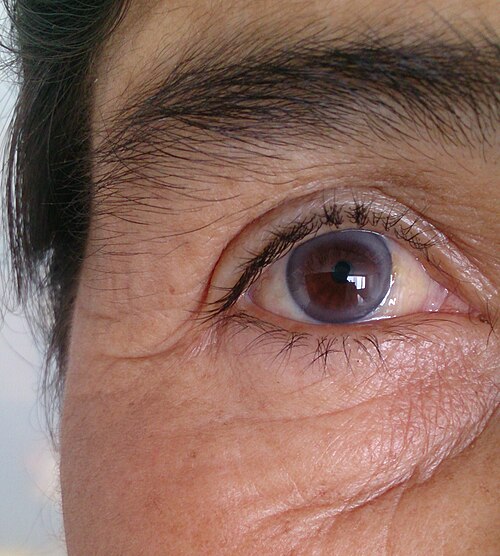
© Afrodriguezg, CC BY-SA 4.0, via Wikimedia Commons
Tendon xanthomata - these are hard nodules that you may find in the tendons of the knuckles and the Achilles (at the back of your ankle).
Xanthelasma - fatty deposits in the eyelids.
Xanthelasma_palpebrarum
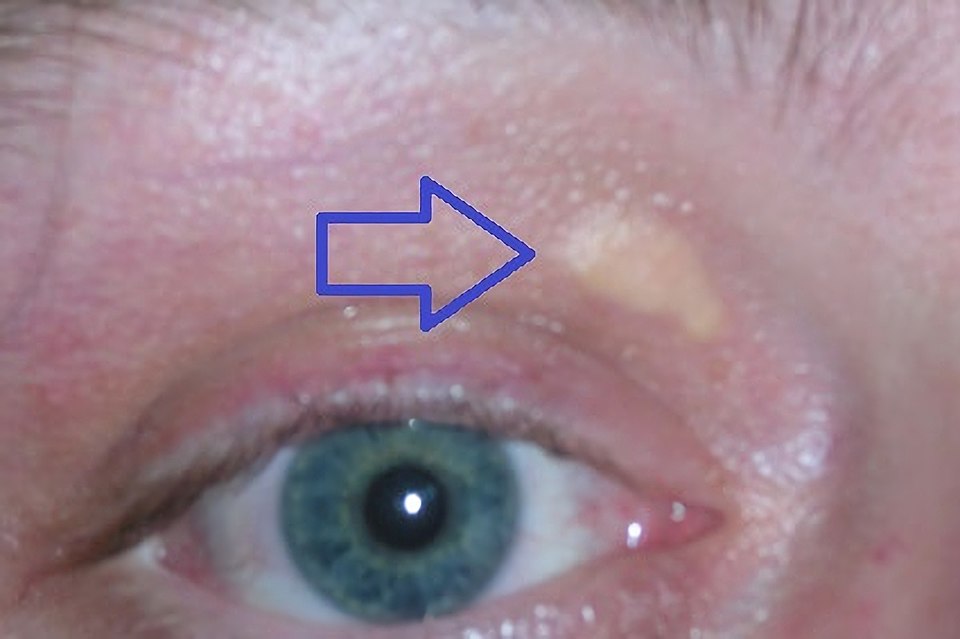
© Bobtheowl2 at the English Wikipedia, CC BY-SA 3.0 , via Wikimedia Commons
See the separate leaflet called Familial hypercholesterolaemia.
What can I do to lower my lipid levels?
Hyperlipidaemia can be treated both by eating a healthy diet and by taking a medicine to reduce your cholesterol level. It is also very important to lower any other risk factors for cardiovascular diseases, such as doing regular النشاط البدني and not smoking. See the separate leaflet called Cardiovascular disease (Atheroma) for more information.
The decision as to whether you need medication is usually taken by your healthcare professional by putting your information into an online calculator. This uses a variety of factors to predict your risk of having a cardiovascular event such as a heart attack or stroke. If your risk is over 10% then you will usually be offered medication, however if you would like to first try diet and other lifestyle change then you can do that and arrange a re-test in 6-12 months. Some people are always offered medication, with no need to do a risk calculation. This includes those who have already been found to have arterial disease (for example, angina, heart attack, stroke), and those who have type 1 diabetes, chronic kidney disease, or a type of raised cholesterol which is inherited.
الحمية
Changing from an unhealthy diet to a healthy diet can reduce a cholesterol level. However, dietary changes alone rarely lower a cholesterol level enough to change a person's risk of cardiovascular disease from a high-risk category to a lower-risk category. A healthy diet has other benefits too, apart from reducing the level of cholesterol. See also the separate leaflet called Healthy eating.
الأدوية
If you are at high risk of developing a cardiovascular disease then medication is usually advised along with advice to tackle any lifestyle issues, including diet. Medication can be used to lower your cholesterol or triglyceride level, usually with a statin medicine. Read more about statins and other lipid-lowering medicines for further details. Most medication is taken by mouth, but there is some newer medications (for example, evolocumab and incliseran) which are given by injection. They are usually prescribed by specialists rather than by GPs.
اختيارات المرضى لـ ارتفاع الكوليسترول

صحة القلب والأوعية الدموية
ارتفاع الكوليسترول
Cholesterol is a fat chemical (lipid) that is made in the cells in your body. Many different cells make cholesterol but cells in the liver make about a quarter of the total. You need some cholesterol to keep healthy.
بقلم الدكتورة روزالين أدلمان، MRCGP
صحة القلب والأوعية الدموية
فرط كوليسترول الدم العائلي
Familial hypercholesterolaemia is inherited high cholesterol. It is a condition where you have a very high cholesterol level in your blood.
بقلم الدكتور كولين تايدي، MRCGP
الأسئلة الشائعة
Are there different kinds of hyperlipidaemia?
Yes, there are different kinds. It can be inherited through your family genes, which is known as primary hyperlipidaemia. It can also be a result of another medical condition you may have, such as diabetes, in which case it is called secondary hyperlipidaemia.
What kind of medical conditions can lead to hyperlipidaemia?
Several medical conditions can cause hyperlipidaemia, including an underactive thyroid gland (hypothyroidism), obstructive jaundice, Cushing's syndrome, anorexia nervosa, nephrotic syndrome, and chronic kidney disease.
Which prescribed medicines can affect my cholesterol levels?
Some prescribed medicines can impact your cholesterol level. These include certain diuretics (thiazide diuretics), steroids (glucocorticoids), ciclosporin, antiretroviral therapy for HIV, beta-blockers, the combined oral contraceptive pill, atypical antipsychotics, and retinoic acid derivatives.
How long do I need to fast before a blood test for hyperlipidaemia?
It used to be common practice to fast for 8-12 hours before a blood test for hyperlipidaemia. However, this is usually not required anymore. The person who requests your blood test will let you know if you need to fast.
Is diet always enough to lower lipid levels effectively?
While changing to a healthy diet can reduce cholesterol levels and offers other health benefits, dietary changes alone rarely lower cholesterol enough to move someone from a high-risk category for cardiovascular disease to a lower one. Medication is often advised in conjunction with lifestyle changes if you are at high risk.
قراءة إضافية ومراجع
- أمراض القلب والأوعية الدموية: تقييم المخاطر والحد منها، بما في ذلك تعديل الدهون; إرشادات NICE (ديسمبر 2023)
- Familial hypercholesterolaemia: identification and management; NICE Clinical Guideline (2008, last updated October 2019)
- Guidelines for the management of dyslipidaemias: lipid modification to reduce cardiovascular risk; European Society of Cardiology/European Atherosclerosis Society (2019)
- Lipid modification - CVD prevention; NICE CKS, March 2025 (UK access only).
- إرشادات أوروبية لعام 2021 حول الوقاية من أمراض القلب والأوعية الدموية في الممارسة السريرية; الجمعية الأوروبية لأمراض القلب (2021)
- Hypercholesterolaemia - familial; NICE CKS، أبريل 2024 (الوصول متاح فقط في المملكة المتحدة)
عن المؤلفعرض السيرة الذاتية الكاملة

Dr Toni Hazell, FRCGP
بكالوريوس الطب والجراحة، بكالوريوس العلوم، زميل الكلية الملكية للأطباء العامين، دبلوم في الصحة الجنسية والإنجابية، دبلوم في طب الجهاز البولي التناسلي، دبلوم الكلية الملكية لأطباء النساء والتوليد، دبلوم في صحة الطفل (لندن، المملكة المتحدة، 2000)
تخرجت الدكتورة توني هازيل من كلية الطب بمستشفى سانت ماري وأكملت تدريبها في مستشفى نورثويك بارك.
حول المراجععرض السيرة الذاتية الكاملة

الدكتور كولين تايدي، MRCGP
طبيب عام، مؤلف طبي
MBBS, MRCGP, MRCP (Paediatrics), DCH
الدكتور كولين تايدي هو طبيب في هيئة الخدمات الصحية الوطنية، ويعمل في أوكسفوردشاير.
تاريخ المقال
تمت كتابة المعلومات على هذه الصفحة ومراجعتها من قبل أطباء مؤهلين.
المقال متاح أيضًا باللغة الإنجليزية, الألمانية, إسبانية, الفرنسية, إيطالي, البرتغالية, الهندية, العبرية, العربية ,، و السويدية.
المراجعة التالية مستحقة: 23 يوليو 2028
24 يوليو 2025 | أحدث إصدار
14 Oct 2011 | نُشر في الأصل

اسأل، شارك، تواصل.
تصفح المناقشات، اطرح الأسئلة، وشارك التجارب عبر مئات المواضيع الصحية.

هل تشعر بتوعك؟
قم بتقييم أعراضك عبر الإنترنت مجانًا
اشترك في النشرة الإخبارية للمرضى
جرعتك الأسبوعية من النصائح الصحية الواضحة والموثوقة - مكتوبة لمساعدتك على الشعور بالاطلاع والثقة والتحكم.
من خلال الاشتراك، فإنك تقبل سياسة الخصوصية. يمكنك إلغاء الاشتراك في أي وقت. نحن لا نبيع بياناتك أبدًا.