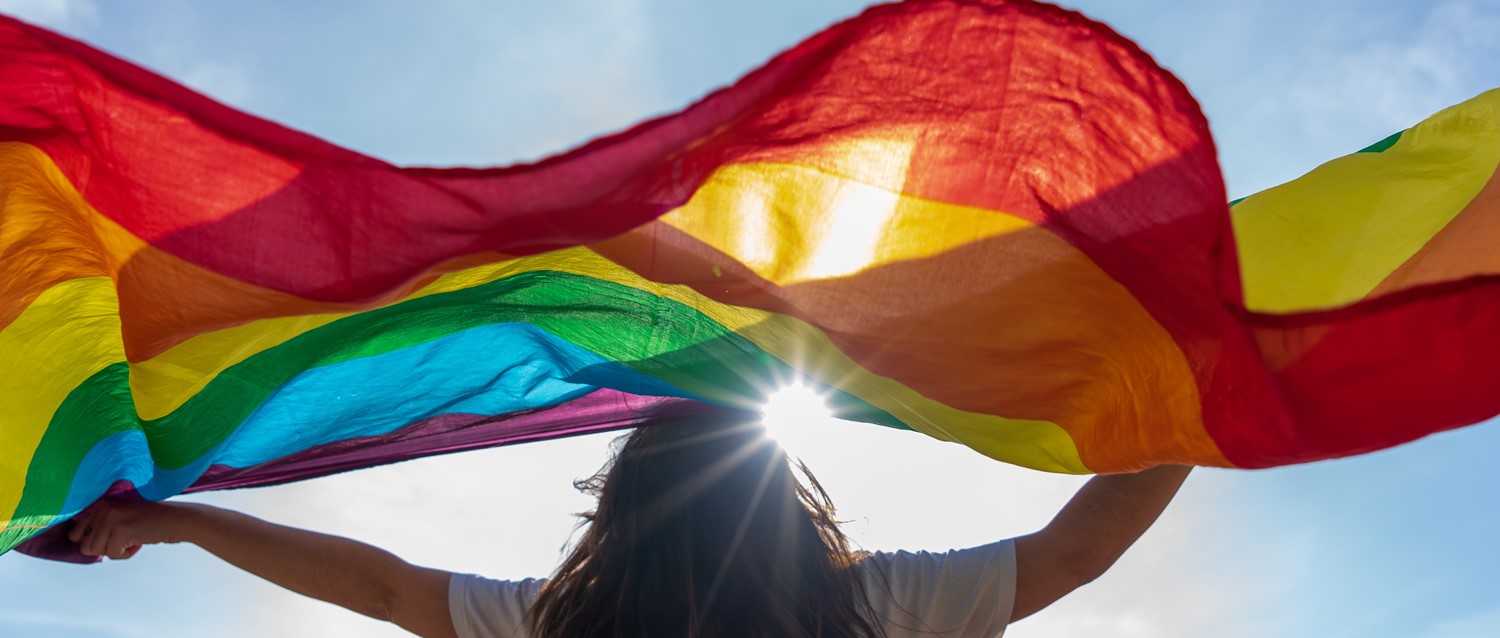
ما الأضرار التي يمكن أن تسببها العلاج التحويلي ولماذا لم يتم حظره؟
مراجعة من قبل الدكتورة سارة جارفيسآخر تحديث بواسطة إميلي جين باشفورثآخر تحديث ٨ فبراير ٢٠٢٢
يتوافق مع الإرشادات التحريرية
- تنزيلتنزيل
- مشاركة
- Language
- نقاش
- نسخة صوتية
- أضف إلى المصادر المفضلة على جوجل
Conversion therapy is a practice involving LGBTQIA+ people and their identities. Sometimes known as 'gay conversion therapy', it is unlicensed and there have been calls for a conversion therapy ban.
What is conversion therapy?
Conversion therapy is also known as 'cure therapy' or 'reparative therapy'.
Lesbian, gay, bisexual and transgender rights charity Stonewall says conversion therapy refers to: "Any form of treatment or psychotherapy which aims to change a person's sexual orientation or to suppress a person's gender identity."
Conversion therapy is "based on an assumption that being lesbian, gay, bi or trans is a mental illness that can be 'cured'," and these therapies can be both unethical and harmful.
Does conversion therapy still happen?
Originating in the 19th century, there is evidence to suggest that LGBT people continue to experience conversion therapy.
Stonewall's LGBT in Britain - Health Report found that 1 in 20 LGBT people (5%) have been pressured to access services to question or change their sexual orientation when accessing healthcare services. For some groups, this figure was even higher:
For LGBT people aged 18-24, the figure is 9%.
For Black, Asian and minority ethnic LGBT people, the figure is 9%.
And for LGBT disabled people, the figure is 8%.
1 in 5 trans people (20%) have felt pressured to access services to suppress their gender identity upon accessing healthcare services.
But where is conversion therapy happening?
The government’s National LGBT Survey (2018) discovered that the largest portion of conversion therapy practices occurs in faith settings. The statistics show that 51% of those subjected to a form of conversion therapy reported it was conducted by a faith organisation or group.
Other places where conversion therapy has been found to take place include:
1 in 5 (19%) were offered it through healthcare and medical settings.
16% were subjected to it by a parent, guardian or family member.
A further 1 in 10 (9%) were subjected to it by a member of their community.
Is there a conversion therapy ban in the UK?
The government promised a conversion therapy ban in 2018 as part of the LGBT equality plan. However, they have been criticised by charities and LGBT people for being "too slow". Prime Minister Boris Johnson announced last summer that he plans to enforce a conversion therapy ban.. However, advisors on the government's LGBT advisory panel have since quit their positions because the process was taking too long.
In October 2021, the government published a consultation for England and Wales (which closed on 4th February 2022) before making changes to the conversion therapy law.
The consultation is to ensure the ban is 'effective' and doesn’t have 'unintended consequences', they say. The government wants to gain insight into "how to ban conversion therapy," but insists it "will" happen.
The government says their proposals protect "everyone, whatever their sexual orientation or whether they are transgender or not." This includes under18s.
As part of the proposals, additional financial support will be provided to ensure victims of conversion therapy get the help they need.
As for Northern Ireland, in 2021 it became the first UK nation to vote in favour of banning conversion therapy "in all its forms".
Where is conversion therapy banned?
Several countries already have a conversion therapy ban, with Canada most recently introducing a law against it.
Brazil was one of the first countries to set the template for a conversion therapy ban. In 1999, they introduced the first conversion therapy ban in the world. It initially covered sexual orientation, before it was extended to cover gender identity in 2018.
The following year, in 2000, Norway banned registered psychiatrists from practising conversion therapy on their patients.
Conversion therapy bans are also in place in:
Samoa (2007).
Argentina (2010).
Fiji (2010).
Ecuador (2014).
Malta (2016).
Switzerland (2016).
Taiwan (2018).
Uruguay (2017).
Albania (2017).
Germany (2019).
Canada (2022).
It is worth noting that the bans in these countries all have different scopes and cover varying communities, practices and settings.
Other territories that continue to make progress include Spain, Australia and Chile. Parliaments in Finland, Denmark and France are all actively considering conversion therapy ban legislation, or are in the process of launching consultations.
What harm can conversion therapy cause?
ت 2019 survey found that those who have experienced conversion therapy have higher levels of mental health problems. This includes suicide attempts, يؤذون أنفسهم و اضطرابات الأكل.
The survey, conducted by the Ozanne Foundation, found that 59.8% of respondents had القلق و الاكتئاب that required medication. Meanwhile, 40.2% had self-harmed and 32.4% had attempted suicide or had suicidal thoughts.
Some respondents said they had been forced to undergo "conversion therapy", and a handful said they had undergone forced sexual activity with or involving someone of the opposite sex.
The most common reason given to them was a belief that their desires were 'sinful'. About half of the participants were teenagers at the time, with some under the age of 12. More than 75% said the attempt to change their sexuality had not worked.
There is no robust evidence to support claims that conversion therapy can be 'effective', but plenty of evidence to suggest it can lead to:
Severe psychological distress.
Self-rejection.
Internalised stigma.
Decreased self-esteem.
Feelings of guilt and shame.
Social isolation and loss of social support.
Deteriorated family relationships.
A loss of faith.
Eloise Stonborough, associate director of policy and research at Stonewall says: "Conversion therapy is a repulsive practice which devastates lives. The UK Government's own survey shows that 7% of LGBTQIA+ respondents have been offered or undergone conversion therapy. This figure represents thousands of LGBT people whose lives have been torn apart by this barbaric practice."
Stonborough stresses how urgent the need is for comprehensive legislation that outlaws conversion therapy.
"Any Bill must outlaw all forms of conversion therapies in every setting. There must not be any loopholes that permit LGBT people to consent to conversion therapy, because no one can consent to abuse. It's been over three years since the UK Government committed to banning conversion therapy; it must act now to protect our communities and outlaw this abhorrent practice once and for all."
If you have been a victim of conversion therapy and you would like support, you can reach out to Stonewall. You contact them on FREEPHONE 0800 0502020, with lines open 9:30 am-4:30 pm Monday-Friday (answerphone available outside these hours). You can email them at info@stonewall.org.uk or write to them at: Stonewall, 192 St John Street, London, EC1V 4JY.
اختيارات المرضى لـ Gender identity
الحياة الصحية
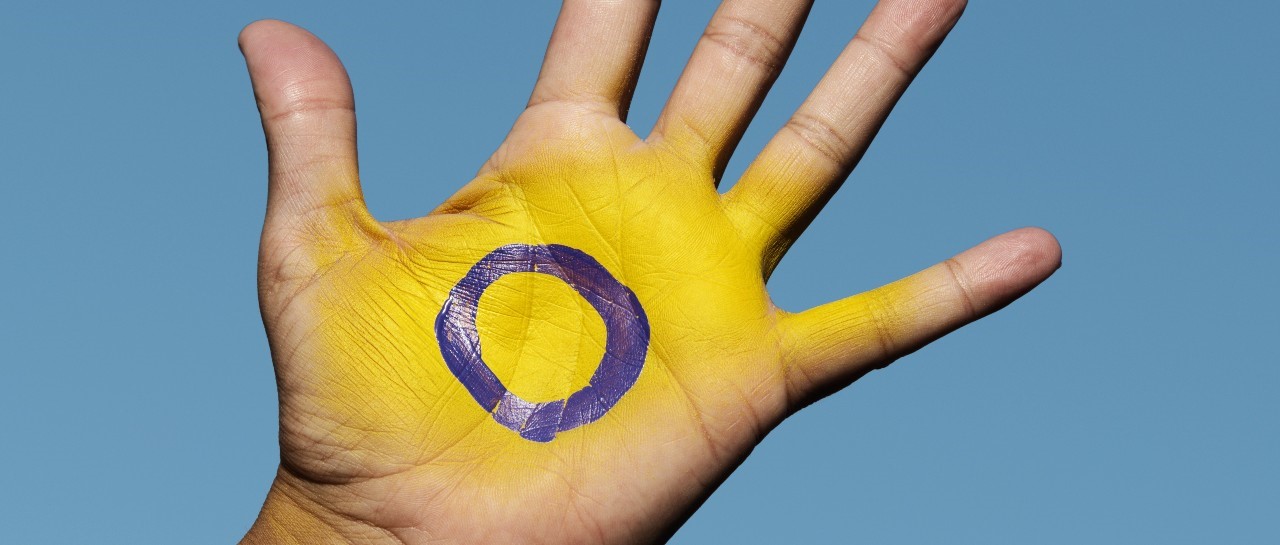
ماذا يعني أن تكون ثنائي الجنس؟
While you may have heard the word 'intersex', it can be difficult understanding what it means unless you have done some reading around the topic. Simply put, it is when there is a difference between the inside and outside genitals.
بقلم إميلي جين باشفورث
الحياة الصحية
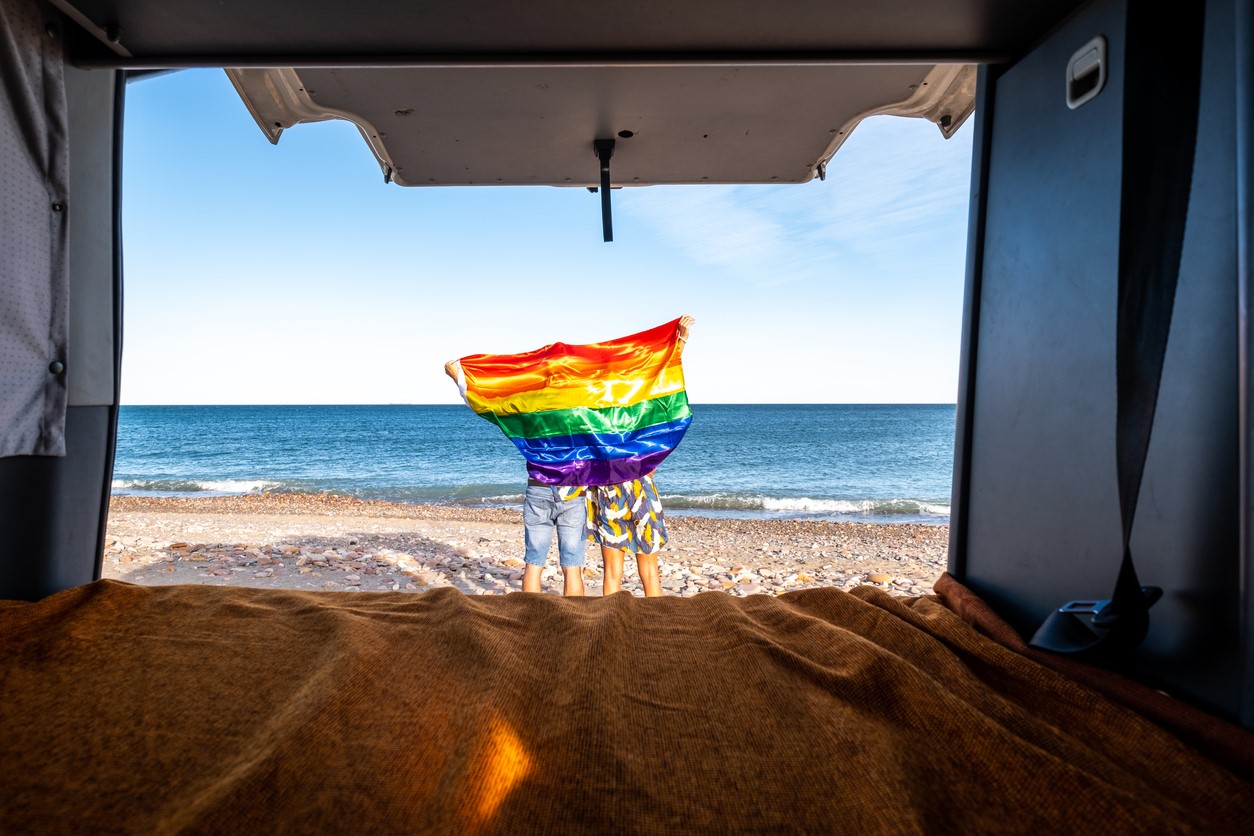
السفر لمجتمع الميم: كيفية البقاء بأمان
Whether you're choosing your next holiday destination, planning a backpacking route, or attending Pride abroad this summer, being healthy, having fun and staying safe are top of the agenda. With help from LQBTQ+ advocate, YouTuber, and author Calum McSwiggan, we've assembled LGBTQ+ travel tips to help you protect yourself from harm in countries where discrimination persists.
بقلم أمبرلي ديفيس
عن المؤلفعرض السيرة الذاتية الكاملة
إميلي جين باشفورث
كاتب مميز
NCTJ
إميلي كاتبة مقالات مميزة مع Patient، تكتب مقالات حول مجموعة متنوعة من المواضيع المتعلقة بالصحة والرفاهية.
حول المراجععرض السيرة الذاتية الكاملة

الدكتورة سارة جارفيس
استشاري سريري
MA (Cantab), BM, BCh (Oxon), DRCOG, FRCGP, MBE
بعد التدريب في الطب في كامبريدج وأكسفورد، أصبحت الدكتورة سارة جارفيس حاصلة على وسام الإمبراطورية البريطانية طبيبة عامة.
تاريخ المقال
تمت مراجعة المعلومات الموجودة في هذه الصفحة من قبل أطباء مؤهلين.
المقال متاح أيضًا باللغة الإنجليزية, الألمانية, إسبانية, الفرنسية, إيطالي, البرتغالية, الهندية, العبرية, العربية ,، و السويدية.
٨ فبراير ٢٠٢٢ | أحدث إصدار
٨ فبراير ٢٠٢٢ | نُشر في الأصل

اسأل، شارك، تواصل.
تصفح المناقشات، اطرح الأسئلة، وشارك التجارب عبر مئات المواضيع الصحية.

هل تشعر بتوعك؟
قم بتقييم أعراضك عبر الإنترنت مجانًا
اشترك في النشرة الإخبارية للمرضى
جرعتك الأسبوعية من النصائح الصحية الواضحة والموثوقة - مكتوبة لمساعدتك على الشعور بالاطلاع والثقة والتحكم.
من خلال الاشتراك، فإنك تقبل سياسة الخصوصية. يمكنك إلغاء الاشتراك في أي وقت. نحن لا نبيع بياناتك أبدًا.
المزيد في الحياة الصحية
- كسر وصمة العار المرتبطة بالصحة النفسية
- هل يمكن لمضادات الاكتئاب أن تسبب أحلامًا حية؟
- هل يمكن للبروبيوتيك علاج السمنة والسكري؟
- هل يمكننا الوثوق بمخططات مؤشر كتلة الجسم للأطفال؟
- العلاج السلوكي المعرفي للأرق: كيف يعمل؟
- تفنيد الصور النمطية والخرافات حول ازدواجية الميول الجنسية
- هل مؤشر كتلة الجسم مهم؟
- التصفح المستمر للأخبار السيئة: هل الأخبار تضر بصحتك النفسية؟
- الدكتور كريشنا فاخاريا: نظرة إلى الماضي - والمستقبل
- كيف يعمل ويجوفي لفقدان الوزن؟
- كيف يؤثر الوضع السيء للجسم على أكثر من مجرد ظهرك
- كيف تكون والدًا هادئًا عندما تكون متوترًا
- كيفية التعامل مع التوتر من خلال التمارين الرياضية
- كيفية تعديل جدول نومك باستخدام روتين نوم صحي
- كيفية خفض مؤشر كتلة الجسم وفقدان الوزن بشكل صحي
- كيفية ممارسة الرياضة في موجة حر
- ما هي فوائد البيلاتس؟
- ما هو تحدي المشي 6-6-6؟
- ما يمكن أن تعلمنا إياه كأس العالم عن البقاء نشيطين
- متى تأخذ يومًا للصحة النفسية في العمل - وكيف تتحدث مع مديرك