هل يمكن للأرز الخميرة الحمراء أن يخفض نسبة الكوليسترول لديك؟
مراجعة من قبل الدكتور كريشنا فاخاريا، MRCGPكتبه فيكتوريا راونُشر في الأصل ٢٥ يونيو ٢٠٢٤
يتوافق مع الإرشادات التحريرية
- تنزيلتنزيل
- مشاركة
- Language
- نقاش
- Ask Patient
- نسخة صوتية
- أضف إلى المصادر المفضلة على جوجل
تم استخدام مستخلص الأرز المخمر بالخميرة الحمراء لقرون في الطب الصيني التقليدي. ومع قائمة من الفوائد الصحية المرتبطة باسمه، فقد اكتسب مؤخرًا شعبية كمكمل غذائي. ولكن ما هي الفوائد الصحية للأرز المخمر بالخميرة الحمراء، وهل هناك أي آثار جانبية؟
Explore cholesterol treatment options
احصل على مشورة صحية متخصصة وأنت في راحة منزلك. أكمل استشارة سريعة عبر الإنترنت، متاحة على مدار الساعة طوال أيام الأسبوع، وسيراجع طلبك ممارس صحي مسجل في المملكة المتحدة. تتوفر خدمة التوصيل في اليوم التالي للعلاجات المؤهلة.

اختيارات الفيديو لـ التغذية الصحيةمكتبة الفيديو
What is red yeast rice?
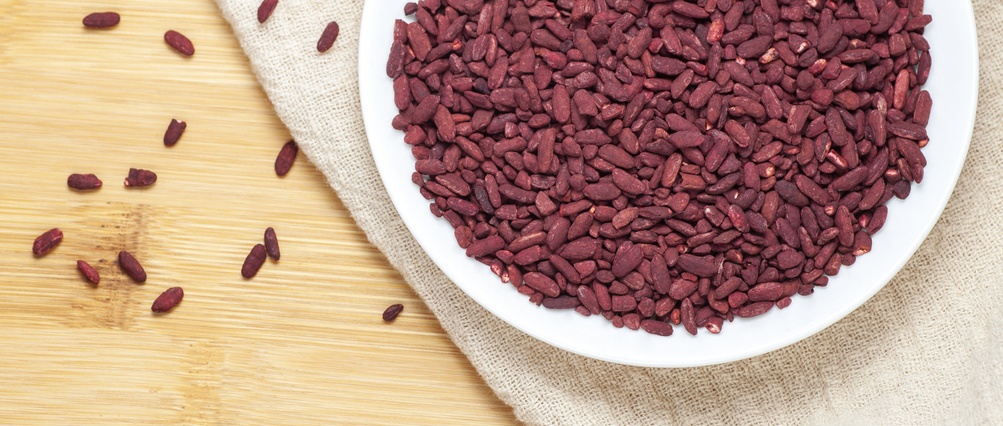
Despite its name, red yeast rice is not the kind of rice you can serve up with a curry or mix into a risotto. It's made with mould - not yeast - and sold as a supplement in pill or capsule form under the more appealing name of red yeast rice.
Red yeast rice is made by fermenting regular rice with a mould called Monascus purpureus, which gives it its distinctive reddish-purple colour. This mould infuses the rice with chemical substances called monacolins. One substance in particular - monacolin K - is almost identical in structural makeup to the cholesterol lowering medicine, lovastatin1.
Red yeast rice benefits
The prescription drug lovastatin is a statin that lowers the body's cholesterol production to stop it from building up inside your arteries. Blocked arteries are bad for your health and can prevent your blood from reaching the heart, brain and other important organs. This can increase your chances of having a heart attack or stroke.
Lovastatin belongs to a group of medicines that work similarly to lower your cholesterol levels. The most commonly prescribed statins in the UK are:
Atorvastatin.
Pravastatin.
Rosuvastatin.
Simvastatin.
Fitness and nutrition advisor Dr Chris Mohr, former Sports Nutritionist for the US football team Cincinnati Bengals and University of Massachusetts Athletic Program, says: "Taking red yeast rice as a supplement may help your heart. It could potentially lower your body's bad cholesterol levels (LDL) due to its naturally occurring 'statin' - monacolin K".
Research into the effects of red yeast rice on other conditions including heart health are inconclusive but are ongoing.
متلازمة الأيض
Metabolic syndrome refers to a group of conditions that contribute to heart disease, stroke and type 2 diabetes. These include:
High levels of bad cholesterol.
Increased blood pressure.
High blood sugar.
Abdominal obesity - extra fat in your tummy area.
Because red yeast rice could help lower cholesterol, studies are exploring its potential to help moderate metabolic syndrome-related conditions such as high cholesterol, blood pressure and blood sugar2 - again, more research is needed to understand the effects.
Red yeast rice dosage
Mohr explains that the dosage of red yeast rice can vary depending on the specific product and the concentration of active compounds it has.
"Dosages used in studies have ranged from 600 to 1,200 milligrams taken twice a day," he says. "It’s important to talk to a healthcare provider before starting this or any new supplement because if the active ingredient - monacolin K - is too high, it's too similar to those in prescription statin medications."
There is no recommended dosage of red yeast rice supplements as the amount of monacolin K can vary in each product. This can vary widely between brands.
There is currently a lack of research on the safety of red yeast rice. Unlike statins, the monacolin K in red yeast rice does not have well-established safe dosage regulations3.
Many red yeast rice dietary supplements bought in health food stores or online shops have either little to no monacolin K - or contain it in high amounts. This means that - due to lack of regulation - there's no way for you to know how much monacolin K you're getting from these supplements - which could potentially be dangerous, especially if you are on other medication.
Before taking red yeast rice - or other - supplements, you should speak to your doctor.
Red yeast rice side effects
Though red yeast rice may be natural, research shows its side effects may be similar to statins.
Commonly reported side effects of red yeast rice supplements include:
Digestive issues such as tummy pain, heartburn, gas and bloating3.
Muscle pain and weakness, and in rare cases rhabdomyolysis. This is a condition where skeletal muscle tissue disintegrates and leaks into your bloodstream4.
Increased chances of liver damage at high doses or long-term use.
Red yeast rice is not recommended for people with kidney or liver disease as it may worsen their condition.
Does red yeast rice interfere with medicines?
Like statins, red yeast rice can interact with other medicines. So always seek medical advice before taking supplements containing red yeast rice if you are on any medication.
"Red yeast rice may interact with certain medicines - especially other cholesterol-lowering drugs like statins, since it can have a similar active ingredient," Mohr warns. "It's important to talk with a doctor before starting red yeast rice to avoid potential negative interactions - particularly concerning liver health or medications affecting liver enzymes."
As research into the safety of red yeast rice is still ongoing, you should not take it if you're pregnant or breastfeeding3.
Overall, studies show the effectiveness of red yeast rice products present a complex mix of benefits and side effects. It's not currently considered a safe alternative to cholesterol-lowering prescription medicines though.
Given the lack of regulation for red yeast rice, talk to your doctor to see whether it's really suitable for you. Prescription medications - with established research and safety regulations - may be more reliable.
قراءة إضافية
اختيارات المرضى لـ التغذية الصحية

النظام الغذائي والتغذية
كيفية إقامة حفلة عيد ميلاد صحية
اقتربت حفلات عيد الميلاد، وحان موسم البهجة، لكنّه قد يكون أيضًا موسم اكتساب الوزن إذا لم تنتبهوا. في أيامنا هذه، أصبحنا جميعًا أكثر وعيًا بمخاطر الإفراط في تناول الدهون والسكر، لكن أطعمة عيد الميلاد التقليدية تبدو وكأنها تعود بنا إلى أيام لم يكن فيها أحد مضطرًا للقلق بشأن وزنه.
بقلم الدكتورة سارة جارفيس
النظام الغذائي والتغذية
ما هو الأكل الحدسي - وهل يمكن أن يحسن علاقتك بالطعام؟
Diet culture has reigned supreme for decades, telling us what to eat, how much, and when. It can be hard to break free of the vicious cycle that such restriction can create. So some nutritionists are now promoting 'intuitive eating' as an alternative. But what is intuitive eating and can this anti-diet concept really reset your problematic relationship with food? Or is it just another buzzword?
بقلم جيما جرانج
عن المؤلفعرض السيرة الذاتية الكاملة
كتبه

Victoria Raw
كاتب مميز
بكالوريوس (مع مرتبة الشرف)، الأدب الإنجليزي
فيكتوريا كاتبة محتوى لدى Patient، وتشمل اهتماماتها الخاصة الصحة النفسية والاتجاهات المجتمعية وتأثير التكنولوجيا في صحتنا.
حول المراجععرض السيرة الذاتية الكاملة

الدكتور كريشنا فاخاريا، MRCGP
كبير المسؤولين الطبيين للصحة، أوبتوم المملكة المتحدة
MBChB, MRCGP(2013), BMedSci (hons), DFSRH, DRCOG, PGDipDerm (Distn)
الدكتورة كريشنا فاخاريا هي طبيبة عامة في هيئة الخدمات الصحية الوطنية. كما أنها ممتحنة منتظمة لدبلوم الدراسات العليا في الأمراض الجلدية العملية في جامعة كارديف، بالإضافة إلى كونها كبيرة المسؤولين الطبيين للصحة في Optum UK.
تاريخ المقال
المقال متاح أيضًا باللغة الإنجليزية, الألمانية, إسبانية, الفرنسية, إيطالي, البرتغالية, الهندية, العبرية, العربية ,، و السويدية.
المراجعة التالية مستحقة: 27 يونيو 2027
٢٥ يونيو ٢٠٢٤ | نُشر في الأصل
كتبه:
Victoria Rawمراجعة من قبل
الدكتور كريشنا فاخاريا، MRCGP
شارك أفكارك أو تجاربك مع الآخرين في مجتمعات المرضى.
اشترك في النشرة الإخبارية للمرضى
جرعتك الأسبوعية من النصائح الصحية الواضحة والموثوقة - مكتوبة لمساعدتك على الشعور بالاطلاع والثقة والتحكم.
من خلال الاشتراك، فإنك تقبل سياسة الخصوصية. يمكنك إلغاء الاشتراك في أي وقت. نحن لا نبيع بياناتك أبدًا.