
Vaccination myths you need to stop believing
Peer reviewed by Dr Sarah JarvisLast updated by Karen GordonLast updated 12 Apr 2019
Meets Patient’s editorial guidelines
- DownloadDownload
- Share
- Language
- Discussion
- Audio Version
- Add to preferred sources on Google
Despite immunisation being one of the most effective public health measures ever introduced - currently preventing 2-3 million deaths a year - there’s still a growing number of parents who are hesitant to vaccinate their child. We look at the misconceptions that parents should stop believing.
'Vaccines cause autism'
Claims that the measles, mumps and rubella (MMR) vaccination causes autism have been circulating since research suggesting a link by gastroenterologist Andrew Wakefield was published in 1998. This theory has since been disproved and discredited and Wakefield has been disbarred from practising medicine.
However, the effects of this small study of only 12 patients have been significant - and there's still apprehension among parents about the MMR vaccine. Cases of measles have risen 30% worldwide in recent years, and there's currently an outbreak of measles in New York and mumps in Nottingham - despite there being an effective vaccine that can prevent these diseases.
"There is absolutely no good scientific evidence to support the idea that the MMR vaccine causes autism," says Helen Bedford, of the Royal College of Paediatrics and Child Health. "Even the initial paper that set off the anxiety was poorly conducted and subsequently there's been a lot of good-quality research, including the most recent study published in Denmark, which included over 650,000 children and again found no evidence or link."
And Dr Natalie Riddell, Lecturer in Immunology and Ageing at the University of Surrey, adds: "It's totally unnecessary for people to risk their friends and family becoming ill, or even dying, from measles or mumps, as there is a safe and effective vaccine to protect against both. This vaccine should be given to children at 1 year of age and again at around 3 years of age. Anyone who has missed one or both MMR vaccines should see their GP to arrange vaccination."
'Vaccines contain harmful ingredients'
Some people who oppose vaccines have suggested they contain harmful ingredients. But this simply isn't the case, says Bedford.
"You have a main active ingredient of a vaccine, which makes your immune system respond, and a number of other components are included in vaccines for their safety - to stop them becoming contaminated with bacteria, which could cause nasty infections, or to make them work better.
"The issue with all these kinds of ingredients is not the fact that they're there, but how much is there. And it is absolutely minute quantities."
Vaccines contain ingredients at a dose even lower than what we're naturally exposed to.
"For example, killed vaccines contain a small amount of aluminium. In fact, we are all exposed to aluminium all the time. It's one of the most prevalent elements around. It's in baby milk and breast milk," says Bedford.
'Natural immunity is better than vaccine-acquired immunity'
The problem with having the natural diseases is you might die from them, explains Bedford. "It's as fundamental as that."
She points out that we're exposed to toxins all the time, which builds immunity in the body and helps in the production of antibodies.
"The things that we vaccinate against are things that are potentially very serious - they can not only make a child very ill but leave them with permanent complications for the rest of their lives or kill them. That is the risk that you run by allowing them to catch diseases naturally," she says.
'You don't need to vaccinate as all other children are vaccinated'
Vaccinations are a community responsibility - so when there's a high intake of a vaccine (approximately 95%), you get herd immunity. This reduces the chances of an outbreak taking place.
"I like the term 'community immunity', which means that people who can't be vaccinated, due to being too young, having a weakened immune system or even deciding not to vaccinate their child, are protected by the immunity in the rest of the community," explains Bedford.
"The bottom line is if everybody starts thinking like this, there won’t be such a thing as herd immunity. We had 1,000 cases of measles last year, which is a very big increase on previous years. And there have been many cases in young babies because we don't immunise children under 1 year with MMR (because it's less effective before this age). And that’s a real problem."
Dr David Elliman, consultant at Great Ormond Street Hospital, says, "Although the UK has high uptake rates for the routine vaccinations, excluding influenza, they are not high enough to maintain herd immunity. The consistent fall in uptake over a number of years is worrying."
'Vaccinations overload a baby's immune system'
Some parents may worry that their children get too many vaccines at once. However, research has shown that giving a child several vaccines at the same time has no adverse effect on the immune system. A study, published in the Journal of the American Medical Association, found that children who got more vaccines were no more likely to get unrelated infections than those who had fewer or who had spaced them out.
"Children are constantly being exposed to foreign antigens. So, what is actually included in a vaccine is absolutely tiny compared to what you're exposed to on a daily basis. In fact, vaccinated children tend to have fewer infections than non-vaccinated children," says Professor Bedford
The danger of not vaccinating
It's natural to be concerned about potential side-effects of vaccinations. But, in reality, having a vaccination is much safer than not having one.
"The dangers of not vaccinating includes a resurgence of diseases, which are potentially very serious," says Bedford. She points out that if vaccine uptake falls - these diseases will come back.
"If you don't immunise your baby, they are at risk of catching diseases like measles, rubella or mumps and their complications - which includes inflammation of the brain (encephalitis), pneumonia and meningitis. This may cause death or they may be incapacitated for the rest of their life," says GP Dr Anuj Chaturvedi.
Vaccinations are carefully timed for a good reason, adds Bedford. "They are given at particular stages in order to offer children protection as young as possible. If you don't vaccinate, you are also putting other people at risk, including pregnant women, young babies who are too young for vaccination and those who have a suppressed immune system."
Patient picks for Vaccinations
Infections
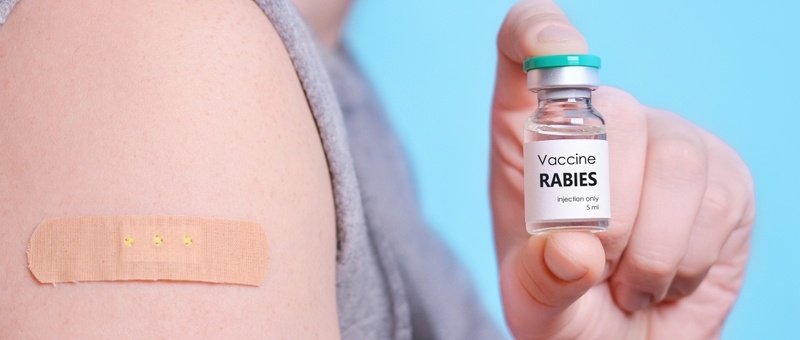
Everything you need to know about the rabies jab
If you are travelling overseas, travel vaccinations against some diseases are compulsory. There is, however, one disease which is usually fatal without prompt treatment and where a pre-travel vaccination is not compulsory: rabies.
by Glynis Kozma
Infections
Why have I been offered the shingles vaccine?
If you’re aged 70-79, you are eligible to receive a shingles vaccine free from the NHS. You may have received a notification about this recently, and be wondering whether to take up the offer. So what is the shingles vaccine? Why is it offered to this age group? And should you get the vaccine?
by Gillian Harvey
Frequently asked questions
At what age should children receive the MMR vaccine?
The MMR vaccine should be given to children at 1 year of age and again at around 3 years of age. If a child has missed one or both doses, their GP should be contacted to arrange vaccination.
What is 'community immunity' and why is it important?
'Community immunity' is another term for herd immunity, which occurs when a high percentage of the population (approximately 95%) is vaccinated. This protects individuals who cannot be vaccinated, such as very young babies, those with weakened immune systems, or those who choose not to vaccinate their children, by reducing the chances of a disease outbreak.
Why are unvaccinated children given priority if they can catch diseases naturally?
Allowing children to catch diseases naturally carries significant risks. Diseases like measles, mumps, and rubella can not only cause severe illness but also lead to permanent complications or even death. Vaccinations prevent these serious outcomes and are much safer than natural exposure.
Can vaccinating my child protect pregnant women or babies too young for vaccines?
Yes, vaccinating your child contributes to community immunity, which indirectly protects vulnerable groups. This includes pregnant women, young babies who are too young to be vaccinated, and individuals with suppressed immune systems, as it reduces the overall spread of infectious diseases in the community.
About the authorView full bio

Karen Gordon
Freelance Journalist
NCTJ
Karen is an NCTJ-qualified freelance journalist with a special interest in health.
About the reviewerView full bio

Dr Sarah Jarvis
Clinical Consultant
MA (Cantab), BM, BCh (Oxon), DRCOG, FRCGP, MBE
After training in medicine at Cambridge and Oxford, Dr Sarah Jarvis MBE became a GP.
Article history
The information on this page is peer reviewed by qualified clinicians.
Article also available in English, German, Spanish, French, Italian, Portuguese, Hindi, Hebrew, Arabic, and Swedish.
12 Apr 2019 | Latest version
Join the conversation
Share your thoughts or experiences with others in our patient communities.

Ask, share, connect.
Browse discussions, ask questions, and share experiences across hundreds of health topics.

Feeling unwell?
Assess your symptoms online for free
Sign up to the Patient newsletter
Your weekly dose of clear, trustworthy health advice - written to help you feel informed, confident and in control.
By subscribing you accept our Privacy Policy. You can unsubscribe at any time. We never sell your data.
More in infections
- Calls for improved access to sexual health services as STI rates soar
- Can gastroenteritis have long-term effects?
- Can I have the flu jab if ...?
- Can you catch a cold in summer?
- Dispelling common myths about HIV and AIDS
- Does the flu jab make you immune to flu?
- How do you know if you have HIV?
- How often should you visit a sexual health clinic for a check-up?
- How to manage tonsillitis in children
- Measles is back: why vaccines matter
- Mpox - what do we know so far?
- Pee yourself laughing? How stand-up comedy can tackle incontinence
- Private MenB vaccination: who might consider it and how it works
- Strep A: What is invasive Group A streptococcus?
- What childhood illnesses can adults get?
- What is the difference between HIV and AIDS?
- What to do if you think you’ve been exposed to meningitis
- What you need to know about pneumonia
- Why do kids need the flu jab?
- World AIDS Day: Where are we now with HIV?