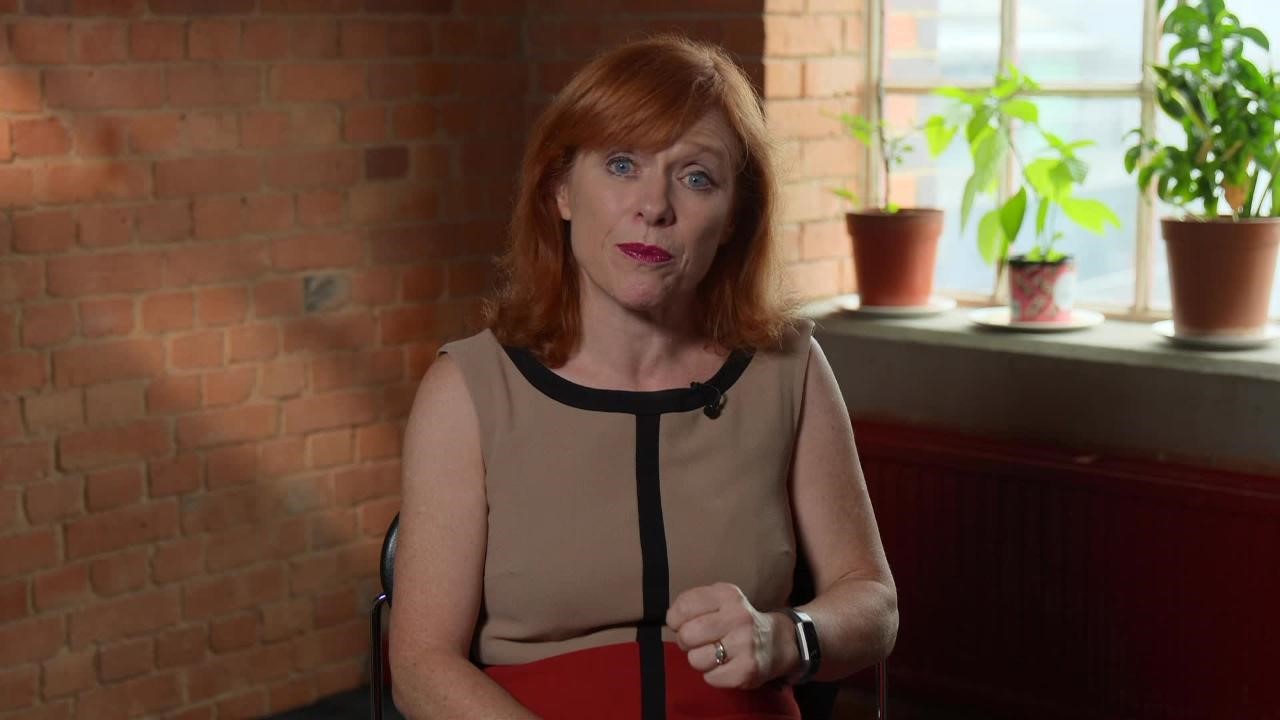
فيديو: متى تكونين أكثر عرضة للحمل؟
مراجعة من قبل الدكتور كريشنا فاخاريا، MRCGPآخر تحديث بواسطة أمبرلي ديفيسآخر تحديث 4 Aug 2023
يتوافق مع الإرشادات التحريرية
- تنزيلتنزيل
- مشاركة
- Language
- نقاش
- Ask Patient
- نسخة صوتية
- أضف إلى المصادر المفضلة على جوجل
بعض الأزواج يخططون للحمل قبل سنوات، بينما بالنسبة للآخرين يكون القرار أكثر عفوية. الدكتورة سارة جارفيس، طبيبة عامة، تجيب على بعض الأسئلة الأكثر شيوعًا حول الحمل.
اشترك في دورة الحمل الصحي المجانية لمدة 8 أسابيع!
كل أسبوع سنشارك معلومات مفيدة ونصائح أساسية حول مواضيع مثل التغذية، والتمارين الرياضية، والصحة النفسية، والأعراض التي يجب الانتباه لها، والاستعداد للولادة، لمساعدتك في التنقل خلال رحلة حملك مهما كانت المرحلة التي أنت فيها.
من خلال الاشتراك، فإنك تقبل سياسة الخصوصية. يمكنك إلغاء الاشتراك في أي وقت. نحن لا نبيع بياناتك أبدًا.
قائمة التشغيل: Planning Pregnancy
6 فيديوهات
When are you most likely to get pregnant?
الدكتورة سارة جارفيس
When are you most likely to get pregnant?
Dr. سارة جارفيس

How many days do you have to get pregnant?
Dr. سارة جارفيس

How soon should you take a pregnancy test?
Dr. سارة جارفيس

How can I get pregnant with a baby girl?
Dr. سارة جارفيس

How should you tell your partner you are pregnant?
Dr. سارة جارفيس

How do you tell your boss you are pregnant?
Dr. سارة جارفيس
When are you most likely to get pregnant?
It's not as easy as you might think to find out exactly when you are most likely to get pregnant because you don't always ovulate 14 days after your last period. You ovulate 14 days before the first day of your next period. If your cycle is a regular 28 days, that means two weeks from the first day of your cycle is when you will be most fertile. But, if your cycle is five weeks then it will be three weeks from the first day.
Your partner's sperm can survive for three to possibly five days and your egg can survive for about one day. That means your most fertile period is from three to five days before you ovulate until about one day afterwards. If your cycle is really regular, just count back 14 days from the first day of your period and you know when is your most fertile day.
How many days do you have to get pregnant?
Your fertile window really depends on how regular your periods are. So, if your periods are completely regular - made up of 28 days, for example, then your fertile period will be four to six days, from three to five days before you ovulate until one day afterwards. However, if your periods are irregular, then of course you could be ovulating any time from around two to three weeks after your last period. If your cycle is four to five weeks, you will always ovulate 14 days before your next period.
That does mean that you are less likely to get pregnant on any one day but it does also mean that you have a longer period in which you need to be having sex regularly, ideally every three days, if you want to get pregnant.
How soon should you take a pregnancy test?
There are some differences between pregnancy tests so it's worth checking with your pharmacist first. But, as a rule of thumb, pretty much all pregnancy tests rely on typical beta-HCG. This is a hormone that's produced by your placenta and is passed out in your urine.
The levels have usually increased enough to be detected by around 10 days after the egg has been fertilised. That's usually about four days before your period is due. They are not 100% reliable, so if you take a pregnancy test at that stage and it's not positive, don't assume that you are not pregnant, and try again few days later.
How can I get pregnant with a baby girl?
I can give you a guaranteed way to have a 50% chance of having a baby girl and that is to have unprotected sex regularly - but I am afraid that's about as far as it goes. Simply put, whether you have a baby girl or a baby boy doesn't depend on you at all. It depends on your partner because you have two X chromosomes.
Every time you produce an egg, you give X chromosomes. Your partner has one X and one Y, so half his sperm will have X. X and X means a girl. Half his sperm will have Y. Your X and his Y means a boy. There are so many myths about how you can increase the chance of that X chromosome getting the upper hand but unfortunately it really is all down to luck.
How should you tell your partner you are pregnant?
If you have both been trying for pregnancy for several months, and it does take the average couple about six months, then of course you may be really keen to tell your partner as soon as possible. It is important to know that you are pregnant. If you do a pregnancy test and it's negative, that may be a false negative and you could still be pregnant. If you do it and its positive then yes, you are pregnant.
You may not want to tell the whole world that you are pregnant until after your 12-13 weeks scan, because until that time there is a greater chance of miscarriage, and after thist risk drops dramatically. However, you are highly likely to want to tell your partner before then. Do take it gently - even if they have been really keen about the idea, they may suddenly go very quiet. This is an awful lot to get used to, it's going to be a big change in both your lives. So, take it gently. Find some time to relax and talk about how you feel. It should be just great.
كيف تخبر رئيسك في العمل بأنك حامل؟
Your boss may be incredibly supportive and absolutely thrilled for you. But, before you start telling your boss or your wider family, you want to make sure you are in the best position not to have to get some bad news later. And it usually means waiting until the end of the first trimester when you are around 13 weeks or 3 months pregnant. That's about the time you have your scan.
At the end of three months and after you have had your scan, if all is well then there is a much better chance that you are not going to have a miscarriage and that the pregnancy will be successful. Now, you might also want to know what your maternity allowances are and what your contract says before you inform your boss, but don't forget, if your boss doesn't seem absolutely thrilled when you let him or her know, that may simply be that you are such a valuable member of the team, they need a little bit of time to get their head around how they are going to manage without you.
اختيارات المرضى لـ Pregnancy planning
الحمل
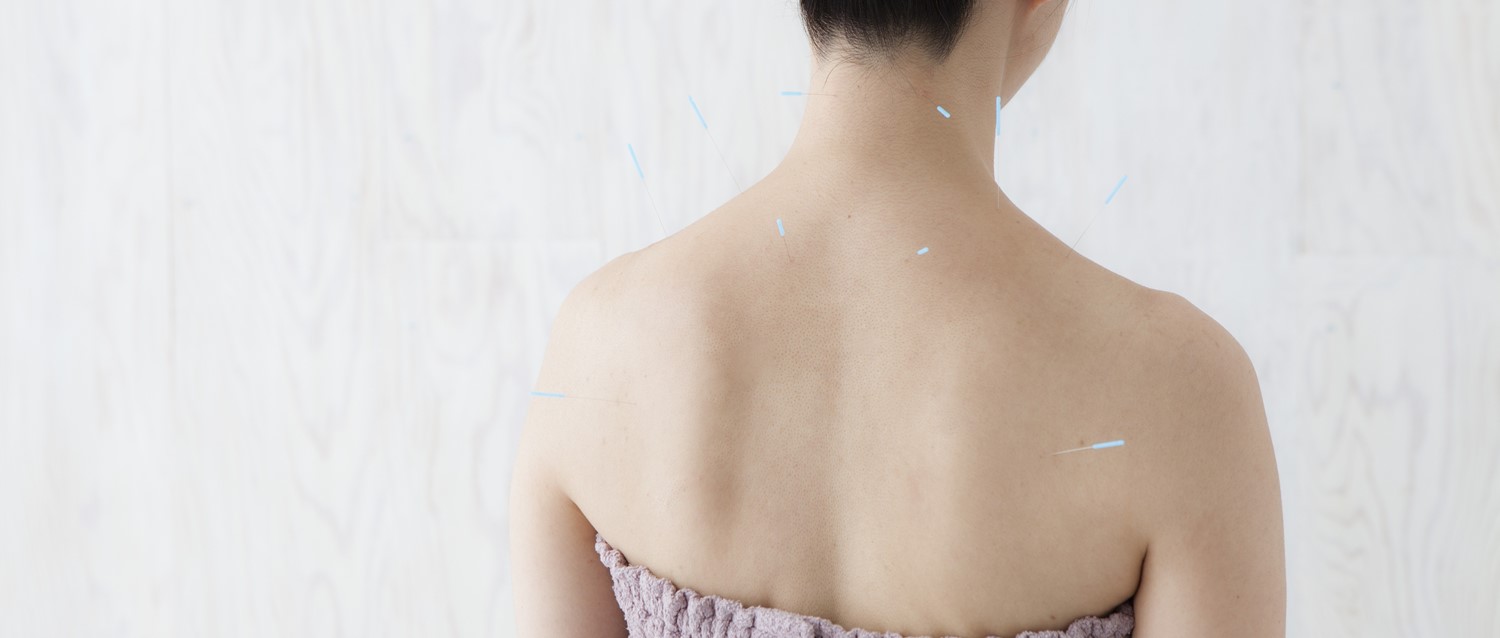
هل يمكن أن تساعدك الوخز بالإبر على الحمل؟
كانت الوخز بالإبر ركيزة أساسية في الطب الصيني القديم لعدة قرون، وفي العقود القليلة الماضية تم استخدامها بشكل متزايد جنبًا إلى جنب مع علاج الخصوبة، مثل التلقيح الصناعي، بهدف تعزيز فرص النجاح. العديد من النساء خضعن للوخز بالإبر خلال جولة من علاج الخصوبة وحملن. ولكن هل يمكن لهذه الممارسة التي تعتبر أحيانًا مكلفة، والتي يرفضها الكثيرون في الطب الغربي باعتبارها دجلًا، أن يكون لها أي تأثير على فرص المرأة في إنجاب طفل؟
بواسطة ألي أندرسون
الحمل
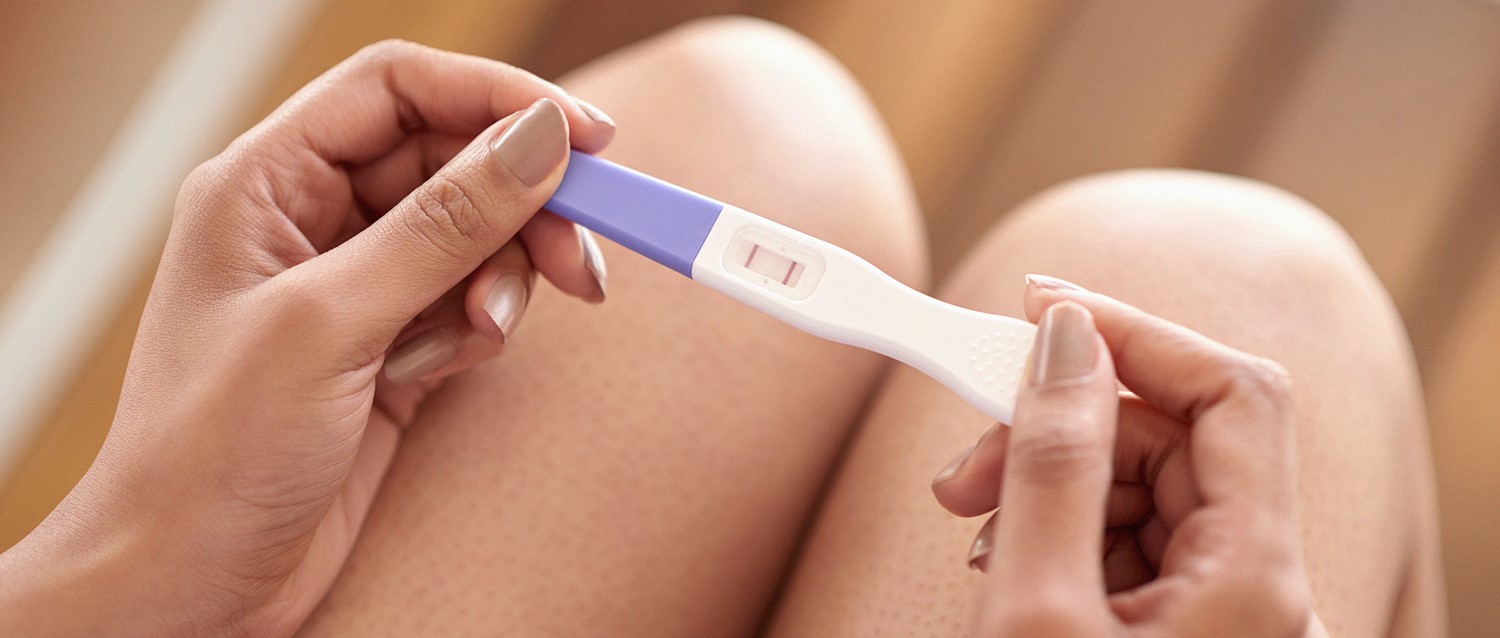
أفضل وأسوأ الأوقات في السنة للحمل
Is there an ideal time of the year to get pregnant? Well, it depends on who you ask.
بقلم سارة ليندبرج
عن المؤلفعرض السيرة الذاتية الكاملة
تم التحديث بواسطة

Amberley Davis
كاتب أول
بكالوريوس (مع مرتبة الشرف)، التنمية المهنية المستمرة
أمبرلي كاتبة كبيرة في موقع Patient وقد كتبت بشكل مكثف حول مجموعة من مواضيع الصحة والرفاهية.
كتبه

الدكتورة سارة جارفيس
استشاري سريري
MA (Cantab), BM, BCh (Oxon), DRCOG, FRCGP, MBE
بعد التدريب في الطب في كامبريدج وأكسفورد، أصبحت الدكتورة سارة جارفيس حاصلة على وسام الإمبراطورية البريطانية طبيبة عامة.
حول المراجععرض السيرة الذاتية الكاملة

الدكتور كريشنا فاخاريا، MRCGP
كبير المسؤولين الطبيين للصحة، أوبتوم المملكة المتحدة
MBChB, MRCGP(2013), BMedSci (hons), DFSRH, DRCOG, PGDipDerm (Distn)
الدكتورة كريشنا فاخاريا هي طبيبة عامة في هيئة الخدمات الصحية الوطنية. كما أنها ممتحنة منتظمة لدبلوم الدراسات العليا في الأمراض الجلدية العملية في جامعة كارديف، بالإضافة إلى كونها كبيرة المسؤولين الطبيين للصحة في Optum UK.
تاريخ المقال
المقال متاح أيضًا باللغة الإنجليزية, الألمانية, إسبانية, الفرنسية, إيطالي, البرتغالية, الهندية, العبرية, العربية ,، و السويدية.
Next review due: 4 Aug 2026
4 Aug 2023 | أحدث إصدار
5 يناير 2018 | نُشر في الأصل
كتبه:
الدكتورة سارة جارفيس
شارك أفكارك أو تجاربك مع الآخرين في مجتمعات المرضى.
وصول بسيط إلى العلاجات والخدمات الصحية الموثوقة عبر الإنترنت.
Common conditions
Get help with common conditions through the NHS, without a GP appointment.
 التهاب الجيوب الأنفية الحاد
 التهاب اللوزتين البكتيري
 القوباء
 لدغات الحشرات
 الحزام الناريعدوى المسالك البولية
اشترك في النشرة الإخبارية للمرضى
جرعتك الأسبوعية من النصائح الصحية الواضحة والموثوقة - مكتوبة لمساعدتك على الشعور بالاطلاع والثقة والتحكم.
من خلال الاشتراك، فإنك تقبل سياسة الخصوصية. يمكنك إلغاء الاشتراك في أي وقت. نحن لا نبيع بياناتك أبدًا.