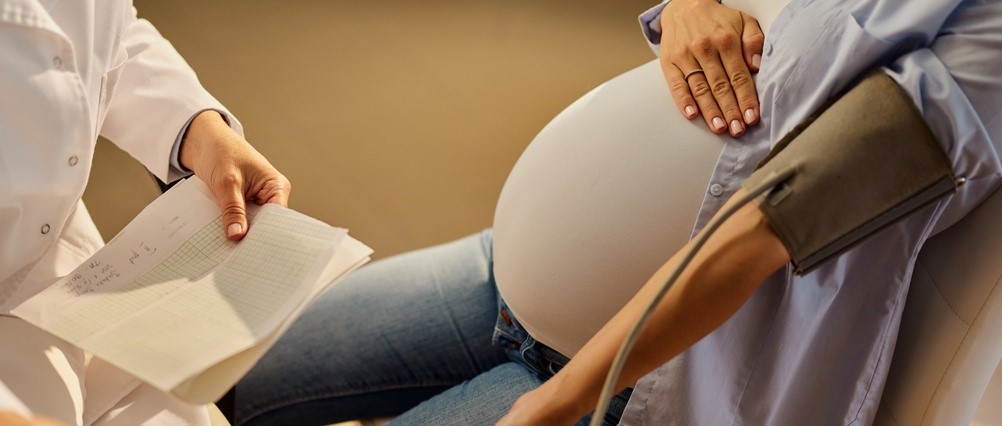
ما الذي يسبب الدوخة أثناء الحمل؟
مراجعة من قبل الدكتور كريشنا فاخاريا، MRCGPكتبه ليديا سميثنُشر في الأصل 12 Sept 2023
يتوافق مع الإرشادات التحريرية
- تنزيلتنزيل
- مشاركة
- Language
- نقاش
- نسخة صوتية
- أضف إلى المصادر المفضلة على جوجل
Navigating all the physical, hormonal and emotional changes that take place during pregnancy can be hard - and it’s not always a smooth ride. As your baby grows and your body adjusts, it’s common to feel faint, unsteady or dizzy. But why can pregnancy cause dizziness, what can you do about it and when should you seek medical help?
اشترك في دورة الحمل الصحي المجانية لمدة 8 أسابيع!
كل أسبوع سنشارك معلومات مفيدة ونصائح أساسية حول مواضيع مثل التغذية، والتمارين الرياضية، والصحة النفسية، والأعراض التي يجب الانتباه لها، والاستعداد للولادة، لمساعدتك في التنقل خلال رحلة حملك مهما كانت المرحلة التي أنت فيها.
من خلال الاشتراك، فإنك تقبل سياسة الخصوصية. يمكنك إلغاء الاشتراك في أي وقت. نحن لا نبيع بياناتك أبدًا.
ما الذي يسبب الدوخة أثناء الحمل؟
Hormonal and blood pressure changes
Deirdre de Barra, head of pregnancy information at the pregnancy charity Tommy’s, says there are lots of reasons why you might feel الدوار or faint during الحمل.
The most common reason is hormonal changes," she says. "Pregnancy symptoms are different for everyone, with some people’s increased hormone levels leading to more severe dizziness and nausea - often called morning sickness - than others. Other causes of dizziness might be انخفاض ضغط الدم."
منخفض دم pressure - or hypotension - can occur in الحمل because أكثر دم هو rerouted إلى the baby. This can make you feel dizzy, especially when you move from sitting to standing. At your prenatal appointments, your doctor or midwife will check your blood pressure to make sure it’s within a normal range.
Sickness or hyperemesis gravidarum
Sickness may make you feel dizzy and unsteady. Nausea and vomiting is believed to be caused by a rapidly rising blood level of a hormone called human chorionic gonadotropin and can leave you feeling light-headed.
Although it’s often called morning sickness, it can happen at any time in the day or night. For some women, the sickness gradually disappears after the 12th week of pregnancy, when you enter the second trimester - but this isn’t always the case.
Severe sickness, called hyperemesis gravidarum, affects around 3 in 100 people with pregnancy sickness and is debilitating1. It can cause الجفاف, فقدان الوزن, and electrolyte imbalances, when you have too much or not enough of certain minerals in your body - so seek medical help as quickly as possible. To treat hyperemesis gravidarum, your doctor may prescribe you an anti-sickness medication or recommend you go to hospital so you can receive extra fluids and be monitored.
الحمل خارج الرحم
Dizziness can result from an الحمل خارج الرحم, which is when a fertilised egg implants itself in your reproductive system - such as in the fallopian tubes - outside of the womb. When this condition occurs, the pregnancy isn’t viable.
You may experience dizziness, pain in the abdomen and vaginal bleeding. Your doctor will have to perform a procedure or prescribe a medication to remove the fertilised egg.
An untreated ectopic pregnancy can be a medical emergency- so if you experience any of these symptoms, you should go to your local accident and emergency department immediately.
تسمم الحمل
"Feeling dizzy due to headaches which don’t go away with paracetamol, and blurred or flashing vision could be a sign of ما قبل تسمم الحمل," says de Barra.
Pre-eclampsia is a serious condition that affects some pregnant women, usually after the 20th week of pregnancy or shortly after delivery. It is a combination of raised blood pressure and often protein in your urine or problems with the kidneys or liver.
"Other symptoms might include swelling of the face, hands or feet, a general feeling of being unwell, feeling sick and pain below the ribs," says de Barra.
"Contact your midwife or healthcare provider straight away if you have any of these symptoms or a combination of them."
Pressure from your womb
From around week 13 to when you are ready to have your baby (second and third trimesters) you may feel dizzy because your womb may press on your blood vessels as it gets larger. It’s important to move carefully and to avoid standing up too quickly.
Lying on your back
Lying on your back later in your pregnancy can also cause الدوار because your womb can prevent blood flow from your toes and legs to your heart. Therefore, you should lie on your side when النوم or resting. A pregnancy pillow can help you get more comfortable at night.
It's important to look out for signs of feeling faint to avoid falling, especially from week 27 onwards. Stand up slowly and reach for support.
How to manage dizziness in pregnancy
"If you feel dizzy or faint, sit or lie down until the feeling goes away,” says de Barra. "Tell your midwife or doctor about it. Make sure you stay hydrated."
If you are concerned about you or your baby’s health, it’s always safer to be checked out by your doctor, midwife or the maternity assessment unit at your hospital.
قراءة إضافية
اختيارات المرضى لـ المضاعفات

الحمل
كيفية التعامل مع آلام الفخذ والحوض أثناء الحمل
من المتوقع حدوث آلام وأوجاع أثناء الحمل. بعد كل شيء، أنتِ تنمين طفلاً - وهذه العملية يمكن أن تؤثر على جسمك. الألم حول الحوض يمكن أن يكون غير مريح بشكل خاص ويمكن أن يجعل المهام البسيطة مثل صعود السلالم صعبة. ولكن ما الذي يسبب الألم حول الفخذ والحوض أثناء الحمل - وماذا يمكنك أن تفعلي حيال ذلك؟
بقلم ليديا سميث

الحمل
سكري الحمل - ما هي التوقعات؟
سكري الحمل هو نوع من السكري الذي يتطور أثناء الحمل. إذا كنت على وشك إجراء اختبار لهذا الحالة، أو تلقيت مؤخرًا نتيجة إيجابية، فمن الطبيعي أن تشعر بالقلق. نحن ننظر في الحالة، العلاجات المتاحة، والتوقعات طويلة الأمد لأولئك الذين تم تشخيصهم.
بقلم جيليان هارفي
عن المؤلفعرض السيرة الذاتية الكاملة

ليديا سميث
كاتب مميز
بكالوريوس، ماجستير، ماجستير علوم
ليديا سميث صحفية حائزة على جوائز وكاتبة مقالات متميزة كتبت بشكل واسع عن صحة المرأة والصحة النفسية. وهي تدرس حاليًا للحصول على درجة الماجستير في علم النفس.
حول المراجععرض السيرة الذاتية الكاملة

الدكتور كريشنا فاخاريا، MRCGP
كبير المسؤولين الطبيين للصحة، أوبتوم المملكة المتحدة
MBChB, MRCGP(2013), BMedSci (hons), DFSRH, DRCOG, PGDipDerm (Distn)
الدكتورة كريشنا فاخاريا هي طبيبة عامة في هيئة الخدمات الصحية الوطنية. كما أنها ممتحنة منتظمة لدبلوم الدراسات العليا في الأمراض الجلدية العملية في جامعة كارديف، بالإضافة إلى كونها كبيرة المسؤولين الطبيين للصحة في Optum UK.
تاريخ المقال
تمت مراجعة المعلومات الموجودة في هذه الصفحة من قبل أطباء مؤهلين.
المقال متاح أيضًا باللغة الإنجليزية, الألمانية, إسبانية, الفرنسية, إيطالي, البرتغالية, الهندية, العبرية, العربية ,، و السويدية.
12 Sept 2023 | نُشر في الأصل
كتبه:
ليديا سميثمراجعة من قبل
الدكتور كريشنا فاخاريا، MRCGP

اسأل، شارك، تواصل.
تصفح المناقشات، اطرح الأسئلة، وشارك التجارب عبر مئات المواضيع الصحية.

هل تشعر بتوعك؟
قم بتقييم أعراضك عبر الإنترنت مجانًا
اشترك في النشرة الإخبارية للمرضى
جرعتك الأسبوعية من النصائح الصحية الواضحة والموثوقة - مكتوبة لمساعدتك على الشعور بالاطلاع والثقة والتحكم.
من خلال الاشتراك، فإنك تقبل سياسة الخصوصية. يمكنك إلغاء الاشتراك في أي وقت. نحن لا نبيع بياناتك أبدًا.
المزيد في الحمل
- النساء السود أكثر عرضة لتجربة ولادة جنين ميت مقارنة بالنساء البيض
- الأطفال المولودون بعملية قيصرية لديهم بكتيريا أمعاء مختلفة عن أولئك المولودين طبيعياً
- هل تسبب الستيرويدات الابتنائية العقم؟
- هل يؤدي تناول الباراسيتامول أثناء الحمل إلى مشاكل سلوكية لدى الأطفال؟
- هل تزيد حبوب منع الحمل من خطر الإصابة بالجلطات الدموية؟
- نظام غذائي للخصوبة: ماذا تأكلين عندما تحاولين الحمل
- لقاح الإنفلونزا أثناء الحمل لا يؤدي إلى مشاكل صحية لدى الأطفال
- كيفية الوصول إلى دعم الصحة النفسية أثناء الحمل
- كيفية السفر بأمان أثناء الحمل
- فيروس الورم الحليمي البشري والحمل: ما الذي يجب توقعه
- هل من الآمن تناول أدوية الصرع أثناء الحمل؟
- قوة ما بعد الولادة: ممارسة الرياضة بعد الحمل
- فيديوهات عن مضاعفات الحمل
- إيجابيات وسلبيات الواقيات الأنثوية
- فيديو: كيف يؤثر مرض التهاب الحوض على الخصوبة؟
- فيديو: متى تكونين أكثر عرضة للحمل؟
- ماذا تتعلم في دروس ما قبل الولادة وما هي الفوائد؟
- ما لا يجب قوله لشخص يعاني من العقم
- ما تحتاج لمعرفته حول تحفيز المخاض
- ما هي الأدوية التي يمكن أن تؤثر على وسائل منع الحمل لديك؟