الدوار
مراجعة من قبل الدكتورة فيليبا فينسنت، MRCGPآخر تحديث بواسطة الدكتور دوغ مكيتشني، MRCGPآخر تحديث 7 أكتوبر 2024
يتوافق مع الإرشادات التحريرية
- تنزيلتنزيل
- مشاركة
- Language
- نقاش
- نسخة صوتية
- أضف إلى المصادر المفضلة على جوجل
في هذه السلسلة:دوارالتهاب العصب الدهليزي والتهاب التيهدوار الوضعة الانتيابي الحميدالإغماءالوقاية من السقوط لدى كبار السن
الدوار هو شعور بعدم الاستقرار. يستخدم الناس كلمة 'دوار' للإشارة إلى أحاسيس مختلفة - التمييز الأهم هو بين الشعور بالدوخة والإحساس بالدوران الذي يُعرف طبيًا باسم الدوار. تقدم هذه النشرة نظرة عامة موجزة عن أسباب الدوار. هناك نشرات منفصلة وأكثر تفصيلًا لبعض الحالات المذكورة.
نظرة سريعة
الدوار يصف إحساسات مثل الشعور بالإغماء أو الضعف أو عدم الاستقرار.
يمكن أن يشمل الدوار (شعور بالدوران)، الشعور بالدوخة، أو فقدان التوازن.
تتنوع الأسباب، من مشاكل الأذن الداخلية وانخفاض ضغط الدم إلى القلق أو الآثار الجانبية للأدوية.
راجع الطبيب إذا كنت تعاني من نوبات دوار متكررة أو إذا كان لديك أعراض أخرى مثل الصداع أو الضعف.
قد تشمل الفحوصات قياس ضغط الدم، فحوصات الأذن، أو الأشعة.
يعتمد العلاج على السبب، وبعض أنواع الدوخة تزول من تلقاء نفسها.
What is dizziness?
Dizziness is a term used to describe a range of sensations, such as feeling faint, weak or unsteady. People use "feeling dizzy" to mean different things. It's usually used to describe one of the following sensations:
دوار, which is a feeling of spinning around, or feeling like everything is spinning around you.
Feeling faint or light-headed, as if about to pass out or collapse.
Loss of normal balance, ie being unsteady but without feeling faint or whirly.
Sometimes, people have a symptom of 'dizziness' that doesn't clearly fit into any of these categories, which can be difficult to diagnose.
Vertigo (a spinning sensation) is usually a problem of the inner ear or brain. It may be due to infection or nerve problems. Balance issues without dizziness may be due to انخفاض ضغط الدم, anxiety, nerve problems and heart issues. It is important to consult your doctor to investigate the problem. Feeling faint or light-headed has a variety of causes, which are sometimes related to the heart, but it can also be a normal reaction for example if you are out on a hot day and haven't eaten or drunk anything.
What causes dizziness?
Vertigo, feeling faint or light-headed, and feeling unsteady all have very different causes, which is why healthcare professionals try to work out which of these symptoms people are feeling when they describe 'dizziness'.
If you feel faint or light-headed, then conditions originating anywhere in your body may be the cause. For example:
Having a ارتفاع درجة الحرارة (الحمى).
Very hot weather.
Side-effects of certain medicines.
نوبات الهلع and anxiety.
Problems with your heart rate - for example, your heart going too fast, too slow or not regularly.
Low iron levels (and other causes of anaemia).
A drop in your blood pressure when you stand up (orthostatic hypotension).
If you have vertigo, ie you feel as if you or the world around you is spinning or moving, then the most common causes are inner ear problems.
Other causes of vertigo include:
Inner ear infections, such as labyrinthitis or vestibular neuritis.
الدوار الموضعي الانتيابي الحميد (BPPV), a condition where certain movements of your head set off a spinning sensation.
Certain types of السكتة الدماغية.
Feeling unsteady ('disequilibrium') can have many different causes, such as:
Ageing. Older people often develop problems with their balance, which is usually due to a combination of different problems, like those listed below.
Inner ear problems, such as labyrinthitis or vestibular neuritis.
Head injuries.
Some medications, particularly ones that cause drowsiness.
استخدام الكحول.
Problems affecting the brain, such as a السكتة الدماغية ,، أو التصلب المتعدد.
Common causes of dizziness
The following things are common causes of feeling lightheaded, or like you're about to faint.
Orthostatic hypotension
This means your blood pressure drops when you sit up from lying, or when you stand up from sitting or lying, in particular if you jump up out of bed after a night's sleep.
This causes people to feel light-headed and as if they are about to faint or collapse after standing up. Sometimes, people go on to faint and lose consciousness briefly.
The fall in blood pressure is just for a short time as the blood pressure quickly adjusts to your new posture. However, in some people the fainting feeling can be more severe and last for a few minutes.
This problem tends to get more troublesome as you become older. It has also been associated with كوفيد طويل الأمد.
فقر الدم
Symptom of فقر الدم include tiredness and shortness of breath. However, if you have anaemia you may not get sufficient oxygen to the brain. This can make you feel light-headed.
Arrhythmias and other heart problems
An arrhythmia is an abnormal heart rhythm. It occurs when the heart may suddenly beat too fast, too slowly, or in an abnormal way. There are various causes.
One of the symptoms of an arrhythmia is to feel faint or light-headed as there may be a sudden decrease in blood supply to the brain as the arrhythmia develops. See the separate leaflet called Abnormal heart rhythms (Arrhythmias) for more details.
Various other heart disorders may cause a reduced flow of blood to the brain and cause you to feel faint or light-headed.
القلق
In particular, if you have القلق مع نوبات الهلع you can feel light-headed. This can get worse if you over-breathe (hyperventilate) due to the anxiety or panic attack.
الأدوية
Feeling faint and/or light-headed is sometimes a side-effect of some medicines. It is always worth reading the information leaflet that comes in the drug packet to check if dizziness is a recognised side-effect.
And if you mean the type of dizziness where you don't feel you or the room are spinning and you don't feel faint, but you just feel unbalanced, then there are yet more possible causes.
These also can start from problems of various body organs and systems, such as your ear, your brain, your nervous system and your general state of health. Alcohol, المخدرات غير المشروعة and various medicines can also make you feel off-balance, and affect different people differently.
Should I worry about dizziness?
Dizziness due to a temporary infection is usually not harmful. See your doctor if you have:
طنين الأذن (ringing or pulsing in ears, particularly if only in one ear).
Visual and hearing loss.
Loss of consciousness or memory.
صداع, worsening or worse when lying down.
Headache, worse when coughing.
Numbness, movement or speech problems.
Irregular, slow or fast pulse.
If you are getting recurring dizzy spells, or a constant dizziness for which there is no obvious cause, then see your doctor. If you have dizziness with other alarming symptoms (such as sudden weakness in your arms, legs or face muscles, or chest pain or feeling very breathless), then call an ambulance or consult a doctor urgently.
Complications of dizziness
The complications will depend on the type of dizziness and the cause.
Dizziness can sometimes cause people to fall and injure themselves. This is a particular problem in older people.
When do I need to see a doctor for dizziness?
It is usually best to have an explanation for dizziness. If you have a prolonged episode of dizziness, or recurring episodes of dizziness and are not sure what is causing them, then it is wise to contact a doctor. In particular, if you have other symptoms in addition to the dizziness, such as:
Headache, especially if it is severe, or a different kind of headache to ones you usually get.
Hearing or visual loss.
Problems with speech.
Weakness of arms or legs.
Difficulty walking.
Collapse, or periods of unconsciousness.
Numbness in areas of your body.
ألم في الصدر.
An abnormally slow or fast pulse.
An irregular pulse.
Any other symptom that you cannot explain.
If any of these symptoms have come on suddenly, contact a doctor immediately. Dizziness associated with a loss of consciousness that occurs during exercise needs urgent medical attention.
What tests are done for dizziness?
A doctor is likely to examine you. Sometimes the doctor can tell you the cause of the dizziness from your symptoms and the result of the examination.
In some cases, various tests may be organised to find the cause of the dizziness. These might include:
Taking your temperature.
Examining your ear.
Examining your eyes and their movements.
Checking your pulse and blood pressure.
Checking your balance and co-ordination.
Looking for any weakness in the muscles of your arms, legs or face.
Tests which look for dizziness in certain positions or position changes.
Depending on what has been established from the above, further tests might be relevant. These will differ depending on which diagnosis is suspected, but might include:
ت hearing test.
ت فحص دم - for example, to test you for anaemia.
ت فحص التصوير بالرنين المغناطيسي (MRI) أو التصوير المقطعي المحوسب (CT).
Specialist tests for inner ear function and balance.
Heart tests: a تخطيط القلب (تخطيط كهربية القلب، أو ECG) ,، أ heart ultrasound scan (echocardiogram) or a heart monitor.
Dizziness treatment
The treatment depends on the cause. Your doctor will be able to advise you regarding this. It will entirely depend on the type of dizziness and what has caused it. For example:
Labyrinthitis usually improves on its own over time.
Benign paroxysmal positional vertigo (BPPV) can be cured by a series of manoeuvres involving tilting your head in certain ways to move debris in the semicircular canals of the inner ear. You can do these at home - an example is in the further reading section of this leaflet.
Dizziness caused by a problem with the heart rhythm or rate is treated by putting the heart rate right - for example, by medicines, a pacemaker or a procedure done directly on the heart.
Dizziness caused by medication is usually easily solved by reducing the dose of, changing or stopping the medicine in question.
Dizziness due to panic attacks or anxiety is solved by treating these conditions directly with talking treatments or medicines. Examples of possible treatments include العلاج السلوكي المعرفي, beta-blocker medicines or antidepressant medicines.
الدواء
Sometimes you need a medicine for the symptom of dizziness. This might be while you wait for it to get better (for example, labyrinthitis) or while you are waiting for tests to find out the cause, or because you have a condition which can't easily be cured.
For the vertigo type of dizziness, tablets called بروكلوربيرازين أو cinnarizine are often prescribed. These do not cure the underlying problem but they help you feel better until it goes away. These do not work so well for the light-headed/faint type of dizziness or for loss of balance.
Can dizziness be prevented?
Staying well hydrated and not leaving too long between meals can help prevent some types of light-headedness, but as dizziness has so many different meanings and causes, it isn't correct to say that it can always be prevented.
What is meant by dizziness due to balance problems?
In this type of dizziness you do not have vertigo and are not light-headed or feeling faint. However, you feel unsteady on your feet and feel as if you may fall over when you walk, due to unsteadiness.
How do we keep our balance?
Your brain constantly receives nerve messages from various parts of the body to tell you where you are and what position you are in. The three main sources of these nerve messages are:
Your eyes - what you look at helps your brain to tell what position you are in and how you are moving.
Nerve messages from your skin, muscles and joints help your brain to tell the positions of your arms, legs and other parts of your body.
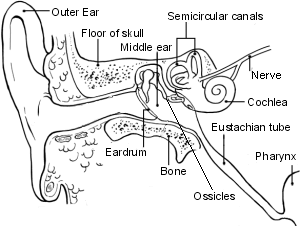
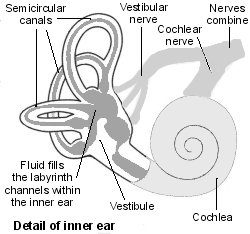
Your inner ears. The inner ear includes the cochlea, vestibule and the labyrinth. The cochlea is concerned with hearing. The three semicircular canals help to control balance and posture. Head movements are sensed because when moving your head, the fluid in the labyrinth within the semicircular canals moves too. The movement of the fluid moves tiny fine hairs that are on the inside lining of the labyrinth. When the hairs move, this triggers messages to be sent to the brain via a nerve called the vestibular nerve. This gives the brain information about the movement and position of your head, even when your eyes are closed.
Cross-section of the ear
Inner ear diagram
To be free of dizziness and to have good balance, it is best to have all of these (eyes, nerve signals from the skin muscles and joints, and inner ears) working normally.
What can cause loss of balance?
This can be caused by various conditions. These include the following.
Ear problems
Some inner ear conditions can cause balance problems without the spinning sensation of vertigo - for example, an inner ear injury.
اضطرابات الأعصاب
Various disorders which cause the nerves in the legs not to work properly can cause unsteadiness. For example, الاعتلال العصبي المحيطي, التصلب المتعدد, etc.
اضطرابات الدماغ
Various problems in the brain, such as a السكتة الدماغية ,، أو ورم دماغي, can cause balance problems. These occur if the affected part of the brain is a part that helps to control posture and balance. There will usually be other symptoms too.
General frailty
General frailty and/or being seriously ill with another illness may lead to loss of balance. You will usually have other symptoms in addition to problems with balance.
Alcohol and drugs
Your balance can be affected by drinking too much alcohol or taking some المخدرات غير المشروعة.
اختيارات المرضى لـ الدوار
العلامات والأعراض
دوار الوضعة الانتيابي الحميد
Benign paroxysmal positional vertigo usually causes short episodes of intense dizziness or vertigo when the head is moved in certain directions. Vertigo is the sensation that you (or your surroundings) are moving. This is often described as "the room spinning around". Benign paroxysmal positional vertigo is thought to be caused by tiny solid fragments (otoconia) in the inner ear labyrinth. In most cases the condition gets better on its own after several weeks. A simple treatment of moving the head into various positions over a few minutes can cure the condition in many cases. This treatment uses gravity to move the tiny fragments away from where they are causing problems.
بقلم الدكتورة فيليبا فينسنت، MRCGP
العلامات والأعراض
الإغماء
Fainting is a temporary loss of consciousness that happens when the brain does not receive enough oxygen because of reduced blood flow to the brain. It comes on suddenly, only lasts for a short time and you recover fully within a short time. It is also often called a blackout. The medical term is syncope. It isn't the same thing as a seizure which usually causes jerking. It is important to seek medical attention if you experience faints. Faints may be caused by a serious problem. However, this is unusual. The most common causes are mentioned below.
بقلم الدكتور كولين تايدي، MRCGP
الأسئلة الشائعة
ما الفرق بين الدوخة، الدوار، وعدم التوازن؟
الدوار هو مصطلح عام يصف إحساسات مثل الشعور بالإغماء أو عدم الاستقرار. الدوار الدهليزي يشير تحديدًا إلى إحساس بالدوران، سواء لنفسك أو لما يحيط بك. عدم الاستقرار، أو فقدان التوازن، يعني فقدان توازنك الطبيعي دون الشعور بالضرورة بالإغماء أو بأن الأشياء تدور.
كيف يمكن لنوبات الهلع أن تسبب الدوار؟
نوبات الهلع والقلق المرتبط بها يمكن أن تجعلك تشعر بالدوار. يمكن أن يتفاقم هذا الشعور إذا كنت تتنفس بسرعة، وهو أمر شائع أثناء نوبة الهلع.
هل يمكن أن تسبب بعض الوضعيات أو الحركات الدوار؟
نعم، حالات مثل الدوار الموضعي الحميد الانتيابي (BPPV) تسبب شعورًا بالدوران عند القيام بحركات رأس معينة. أيضًا، انخفاض ضغط الدم عند الوقوف (انخفاض ضغط الدم الانتصابي) يمكن أن يجعلك تشعر بالدوار.
ماذا يعني إذا شعرت بالدوار ولكن ليس لدي دوار أو شعور بالخفة؟
إذا كنت تشعر بفقدان التوازن ولكن ليس كما لو كنت أنت أو الغرفة تدور، ولست تشعر بالإغماء، فإن هذا يوصف غالبًا بالشعور بعدم الاستقرار أو وجود مشكلة في التوازن. يمكن أن يكون ذلك ناتجًا عن مشاكل في الأذن أو الدماغ أو الجهاز العصبي أو الصحة العامة أو حتى الكحول وبعض الأدوية.
كيف يحدد الأطباء سبب الدوخة؟
يحاول الأطباء تحديد نوع الدوخة المحدد الذي تعاني منه، مثل الدوار، الشعور بالإغماء، أو عدم الثبات، حيث أن لكل منها أسباب مختلفة. سيأخذون بعين الاعتبار الأعراض التي تعاني منها ويجرون الفحوصات، والتي قد تشمل فحص درجة الحرارة، الأذنين، العينين، النبض، ضغط الدم، والتوازن. قد يتم إجراء اختبارات إضافية مثل اختبارات الدم، الفحوصات التصويرية، أو اختبارات القلب بناءً على ما يُشتبه به.
لماذا قد يؤدي الدوار إلى السقوط، خاصة لدى كبار السن؟
يمكن أن يتسبب الدوار أحيانًا في فقدان الأشخاص لتوازنهم وسقوطهم، مما يؤدي إلى إصابات. وهذا يشكل مصدر قلق خاص للأفراد الأكبر سنًا، حيث قد يكون لديهم بالفعل مشاكل توازن مرتبطة بالعمر تجعلهم أكثر عرضة للخطر.
قراءة إضافية ومراجع
- Kaski D, Bronstein AM; تشخيص المرضى الذين يعانون من الدوار. BMJ. 3 سبتمبر 2012;345:e5809. doi: 10.1136/bmj.e5809.
- Post RE, Dickerson LM; Dizziness: a diagnostic approach. Am Fam Physician. 2010 Aug 15;82(4):361-8, 369.
- Huh YE, Kim JS; Bedside evaluation of dizzy patients. J Clin Neurol. 2013 Oct;9(4):203-13. doi: 10.3988/jcn.2013.9.4.203. Epub 2013 Oct 31.
- Kerber KA, Baloh RW; The evaluation of a patient with dizziness. Neurol Clin Pract. 2011 Dec;1(1):24-33.
- دوار; NICE CKS، ديسمبر 2022 (الوصول متاح فقط في المملكة المتحدة)
- Home treatments of benign paroxysmal positional vertigo (BPPV); Dizziness and balance, 2023
عن المؤلفعرض السيرة الذاتية الكاملة
تم التحديث بواسطة

الدكتور دوغ مكيتشني، MRCGP
كاتب طبي
MA, MBBS, MSc, DRCOG, MRCP(UK), MRCGP(2021), FHEA
الدكتور دوغ مكيتشني هو طبيب عام في هيئة الخدمات الصحية الوطنية يعمل في لندن. يعمل بدوام كامل في المجال السريري وهو أيضًا نائب رئيس وحدة الممارسة السريرية والمهنية في كلية الطب بجامعة كوليدج لندن.
حول المراجععرض السيرة الذاتية الكاملة

الدكتورة فيليبا فينسنت، MRCGP
طبيب عام، مؤلف طبي
MB BS, Bsc, MRCGP (2000), DCH, DFSRH, DRCOG
الدكتورة فيليبا فينسنت هو طبيب عام في هيئة الخدمات الصحية الوطنية يعمل في شمال لندن.
تاريخ المقال
المقال متاح أيضًا باللغة الإنجليزية, الألمانية, إسبانية, الفرنسية, إيطالي, البرتغالية, الهندية, العبرية, العربية ,، و السويدية.
المراجعة التالية مستحقة: 6 أكتوبر 2027
7 أكتوبر 2024 | أحدث إصدار
انضم إلى المحادثة
شارك أفكارك أو تجاربك مع الآخرين في مجتمعات المرضى.

اسأل، شارك، تواصل.
تصفح المناقشات، اطرح الأسئلة، وشارك التجارب عبر مئات المواضيع الصحية.

هل تشعر بتوعك؟
قم بتقييم أعراضك عبر الإنترنت مجانًا
اشترك في النشرة الإخبارية للمرضى
جرعتك الأسبوعية من النصائح الصحية الواضحة والموثوقة - مكتوبة لمساعدتك على الشعور بالاطلاع والثقة والتحكم.
من خلال الاشتراك، فإنك تقبل سياسة الخصوصية. يمكنك إلغاء الاشتراك في أي وقت. نحن لا نبيع بياناتك أبدًا.