فقر الدم
مراجعة من قبل الدكتورة توني هازيل، زميلة الكلية الملكية للأطباء العامينآخر تحديث بواسطة الدكتورة هايلي ويلاسي، زميلة الكلية الملكية للأطباء العامين آخر تحديث 13 فبراير 2023
يتوافق مع الإرشادات التحريرية
- تنزيلتنزيل
- مشاركة
- Language
- نقاش
- نسخة صوتية
- أضف إلى المصادر المفضلة على جوجل
في هذه السلسلة:الأنظمة الغذائية المناسبة للأشخاص المصابين بفقر الدمنقص حمض الفوليكفقر الدم بسبب نقص الحديدضخامة الكريات وفقر الدم الضخم الأروماتنقص فيتامين ب12 وفقر الدم الخبيث
Anaemia means that you have fewer red blood cells than normal or you have less haemoglobin than normal in each red blood cell. In either case, a reduced amount of oxygen is carried around in the bloodstream.
نظرة سريعة
Anaemia means you have fewer red blood cells or less haemoglobin than normal.
Common types include iron deficiency, vitamin deficiency, and haemolytic anaemia.
Symptoms can include tiredness, shortness of breath, and pale skin.
A blood test can diagnose anaemia but not its cause.
Treatment depends on the cause, such as iron tablets for iron deficiency.
Anaemia types and causes
فقر الدم بسبب نقص الحديد
Lack of iron is the most common type of anaemia in the UK. This is called iron-deficiency anaemia. If you eat a normal balanced diet, it usually contains enough iron.
See the separate leaflet called Diets Suitable for People with Anaemia.
See also the separate leaflet called Iron-deficiency Anaemia.
Vitamin deficiency anaemia
Lack of certain vitamins such as folic acid and vitamin B12 can cause anaemia.
انظر النشرات المنفصلة المسماة Folic Acid Deficiency Anaemia و Vitamin B12 Deficiency and Pernicious Anaemia.
فقر الدم الانحلالي
Normally, red blood cells live for about 120 days before they are broken down by the body. In haemolytic anaemia they live for a much shorter time. The anaemia occurs because your bone marrow cannot produce enough new red blood cells to replace the ones that are being broken down too quickly.
There are several reasons that this happens. Genetic conditions where there is an abnormality in the red cell membrane such as تكور الدم الوراثي, or elliptocytosis. Conditions where there are haemoglobin abnormalities such as فقر الدم المنجلي أو الثلاسيميا - these are discussed below. And problems with the chemicals (or enzymes) that help the blood cell do its job, such as G6PD deficiency and pyruvate kinase deficiency.
Another set of conditions may arise from your immune system attacking your own red blood cells, such as autoimmune haemolytic anaemia, blood transfusion reactions and other autoimmune conditions such as الذئبة الحمامية الجهازية.
Some medications may cause haemolysis, such as penicillin. You can also have haemolysis caused by mechanical heart valves, الملاريا and liver disease. There is a wide variety of reasons you might develop haemolytic anaemia.
الثلاسيميا
الثلاسيميا is an inherited condition affecting the blood. There are different types, which vary from a mild condition with no symptoms, to a serious or life-threatening condition. For the more severe forms of thalassaemia, modern treatment gives a good outlook, but lifelong monitoring and treatment are needed. Good treatment is important to prevent complications developing.
Sickle cell anaemia
مرض الخلايا المنجلية (SCD) is a serious, inherited condition affecting the blood and various organs in the body. It affects the red blood cells, causing episodes of 'sickling', which produce episodes of pain and other symptoms. In between episodes of sickling, people with SCD are normally well. Long-term complications can occur. Good treatment, started early in life, can prevent complications. So, early diagnosis and specialist treatment are advised for SCD. Sickle cell trait is not the same as sickle cell disease.
فقر الدم اللاتنسجي
Aplastic anaemia is a group of disorders that cause bone marrow failure. Most often no cause is found but there are also some inherited bone marrow failure syndromes. Sometimes a trigger can cause aplastic anaemia, and examples of those include drugs, viruses and toxins.
فقر الدم الناتج عن الأمراض المزمنة
Some long-term illnesses may lead to anaemia. These include مرض الكلى المزمن, السل, فشل القلب المزمن and malnutrition. We don't fully understand why the anaemia happens but it may be partly due to reduced production of new red blood cells. Sometimes the anaemia is mild and doesn't need treatment but there are several treatment options available as well as treating the underlying disease.
Risk factors for anaemia
Some conditions that cause anaemia are inherited, so having a close family member who has that condition will increase your risk.
Some medications may have an effect on the bone marrow, or on red blood cells, and cause anaemia.
The following are some situations that may have a risk of developing a lack of iron and result in iron-deficiency anaemia:
Pregnancy or childhood growth spurts. These are times when you need more iron than usual. The amount of iron that you eat during these times may not be enough.
Heavy menstrual periods. The amount of iron that you eat may not be enough to replace the amount that you lose from فترات حيض غزيرة.
Poor absorption of iron. This may occur with some gut (intestinal) diseases that mean the gut is not as effective at absorbing iron - for example, مرض السيلياك و مرض كرون.
Bleeding from the gut (intestines). Some conditions of the gut can bleed enough to cause anaemia. You may not be aware of losing blood this way. The bleeding may be slow or intermittent and you can pass blood out with your stools (faeces) without noticing.
If you eat a poor or restricted diet. Your diet may not contain enough iron.
If you have a chronic condition, such as heart failure or kidney disease, you are also at risk.
Anaemia symptoms
Common symptoms of anaemia are due to the reduced amount of oxygen being carried in the body.
These include tiredness, having little energy (lethargy), feeling faint and developing shortness of breath.
Less common symptoms include headaches, a 'thumping heart' (خفقان), altered taste, and ringing in the ears (tinnitus).
You may look pale. You may develop sore areas at the corners of your mouth.
You may have spoon-shaped nails, a sore tongue or hair loss.
Some people may have difficulty swallowing, hair loss أو restless legs syndrome.
Various other symptoms may develop, depending on the underlying cause of the anaemia.
Anaemia diagnosis
A simple blood test can measure the amount of haemoglobin in your blood and count the number of red blood cells per millilitre (ml). Although this test can confirm that you are anaemic, it does not identify the cause of your anaemia.
Sometimes the underlying cause is obvious. For example, pregnant women and women who have heavy menstrual periods may commonly develop iron-deficient anaemia.. In these situations, no further tests may be needed and treatment with iron supplements may be advised. However, the cause of the anaemia may not be clear and so further tests may be advised.
Some causes of anaemia are more serious than others and it is important to find the reason for anaemia.
Anaemia treatment
The treatment of anaemia depends on the underlying cause. For people with iron-deficiency anaemia this may simply be iron tablets. People who do not respond well to medication may be offered a blood transfusion if they are having severe symptoms.
Those with B12 deficiency will need vitamin B12 injections. The injections are usually given frequently at the start of treatment. This quickly builds up the body's store of vitamin B12. Vitamin B12 is stored in the liver. Once a store of vitamin B12 has built up, this can supply the body's needs for several months. An injection is then only usually needed every two to three months to top up the supply.
Folic acid deficiency is treated with tablets in addition to a folate-rich diet. The tablets can be stopped if your diet improves. You may need to continue with treatment if a poor diet was not the cause of folic acid deficiency.
Currently there is no cure for sickle cell disease (SCD) other than a stem cell transplant, so lifelong treatment and monitoring are needed. There are a number of different treatments which help to prevent sickling episodes, or prevent related problems such as infection. Sometimes you might need a blood transfusion. For others it may be a course of vitamins or other more complex treatments.
Anaemia of chronic disease cannot be treated by supplements or tablets. Treatments that stimulate the bone marrow to produce more red blood cells are needed.
Anaemia outlook
For the most common types of anaemia, (iron deficiency, B12 or folic acid deficiency) there are relatively simple treatments and these should keep you well. For the more complex types of anaemia (sickle cell, thalassaemia, aplastic anaemia) treatment is more complex. For example, sickle cell disease may shorten life. Without treatment, people with SCD may die in childhood, from problems such as infection. Good treatment makes a great difference. Improvements in treatment mean that life expectancy has increased. However, even with modern treatment, SCD can still cause serious or life-threatening problems.
The outlook associated with the anaemia of chronic disease, is more about the severity of the underlying condition.
اختيارات المرضى لـ فقر الدم
الحساسية، الدم والجهاز المناعي
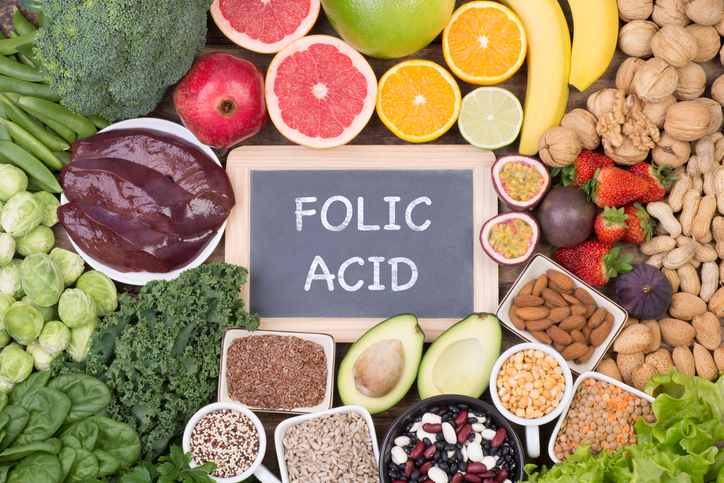
نقص حمض الفوليك
يحتوي النظام الغذائي المتوازن العادي على كمية كافية من حمض الفوليك. ومع ذلك، قد يؤدي نقص حمض الفوليك إلى فقر الدم وأحيانًا أعراض أخرى.
بقلم الدكتورة روزالين أدلمان، MRCGP
الحساسية، الدم والجهاز المناعي
نقص فيتامين ب12 وفقر الدم الخبيث
فيتامين ب12 ضروري للحياة. إنه مطلوب لتكوين خلايا جديدة في الجسم، مثل العديد من خلايا الدم الحمراء الجديدة التي تُصنع كل يوم. يوجد فيتامين ب12 في اللحوم والأسماك والبيض والحليب - ولكنه غير موجود في الفواكه أو الخضروات. يجب أن يحتوي النظام الغذائي المتوازن الطبيعي على كمية كافية من فيتامين ب12. يؤدي نقص فيتامين ب12 إلى فقر الدم وأحيانًا إلى مشاكل أخرى.
بقلم الدكتور كولين تايدي، MRCGP
الأسئلة الشائعة
What is aplastic anaemia?
Aplastic anaemia refers to a collection of conditions that result in bone marrow failure. In many cases, the exact cause isn't identified, although some forms are inherited. Certain triggers, such as specific drugs, viruses, or toxins, can also lead to aplastic anaemia.
Are there different kinds of inherited anaemia?
Yes, several types of anaemia are inherited. These include genetic conditions affecting the red blood cell membrane, such as hereditary spherocytosis or elliptocytosis. Conditions involving abnormalities in haemoglobin, like sickle cell anaemia or thalassaemia, are also inherited. Furthermore, some enzyme deficiencies, such as G6PD deficiency and pyruvate kinase deficiency, which affect the red blood cells, are inherited.
Why would someone develop anaemia of chronic disease?
Anaemia of chronic disease can occur with long-term illnesses such as chronic kidney disease, tuberculosis, chronic heart failure, and malnutrition. The exact reasons aren't fully understood, but it's thought to be partly due to a reduced production of new red blood cells. The anaemia is sometimes mild and might not require specific treatment, though several options are available alongside treating the underlying disease.
Can medication cause anaemia?
Yes, some medications can lead to anaemia. For example, certain drugs can affect the bone marrow or red blood cells, causing anaemia. Additionally, some medications, like penicillin, are known to cause haemolysis, which is the accelerated breakdown of red blood cells, leading to haemolytic anaemia.
Can gut problems contribute to anaemia?
Yes, certain gut (intestinal) issues can contribute to anaemia. Conditions such as coeliac disease and Crohn's disease can impair the gut's ability to absorb iron effectively, potentially leading to iron-deficiency anaemia. Additionally, some gut conditions can cause slow or intermittent bleeding, which might not be immediately noticeable (even in stools), but can be significant enough to cause anaemia.
قراءة إضافية ومراجع
- UK Thalassaemia Society
- Sickle Cell Society
- فقر الدم - نقص الحديد; NICE CKS، أغسطس 2024 (الوصول متاح فقط في المملكة المتحدة)
- Newhall DA, Oliver R, Lugthart S; Anaemia: A disease or symptom. Neth J Med. 2020 Apr;78(3):104-110.
- Palmer D, Seviar D; How to approach haemolysis: Haemolytic anaemia for the general physician. Clin Med (Lond). 2022 May;22(3):210-213. doi: 10.7861/clinmed.2022-0142.
- Madu AJ, Ughasoro MD; Anaemia of Chronic Disease: An In-Depth Review. Med Princ Pract. 2017;26(1):1-9. doi: 10.1159/000452104. Epub 2016 Sep 28.
عن المؤلفعرض السيرة الذاتية الكاملة

الدكتورة هايلي ويلاسي، زميلة الكلية الملكية للأطباء العامين
طبيب عام، مؤلف طبي
MBChB (1992), DRCOG, DFFP, MRCOG (Part 1) MRCGP (2007), DFSRH (2013), MSc - medical education (2020)
كانت الدكتورة هايلي ويلاسي طبيبة عامة في هيئة الخدمات الصحية الوطنية تعمل في شمال غرب إنجلترا، وتقاعدت من الممارسة السريرية في عام 2022 بعد 30 عامًا.
حول المراجععرض السيرة الذاتية الكاملة

Dr Toni Hazell, FRCGP
بكالوريوس الطب والجراحة، بكالوريوس العلوم، زميل الكلية الملكية للأطباء العامين، دبلوم في الصحة الجنسية والإنجابية، دبلوم في طب الجهاز البولي التناسلي، دبلوم الكلية الملكية لأطباء النساء والتوليد، دبلوم في صحة الطفل (لندن، المملكة المتحدة، 2000)
تخرجت الدكتورة توني هازيل من كلية الطب بمستشفى سانت ماري وأكملت تدريبها في مستشفى نورثويك بارك.
تاريخ المقال
تمت كتابة المعلومات على هذه الصفحة ومراجعتها من قبل أطباء مؤهلين.
المقال متاح أيضًا باللغة الإنجليزية, الألمانية, إسبانية, الفرنسية, إيطالي, البرتغالية, الهندية, العبرية, العربية ,، و السويدية.
المراجعة التالية مستحقة: 12 فبراير 2028
13 فبراير 2023 | أحدث إصدار
آخر تحديث بواسطة
الدكتورة هايلي ويلاسي، زميلة الكلية الملكية للأطباء العامينمراجعة من قبل
Dr Toni Hazell, FRCGP

اسأل، شارك، تواصل.
تصفح المناقشات، اطرح الأسئلة، وشارك التجارب عبر مئات المواضيع الصحية.

هل تشعر بتوعك؟
قم بتقييم أعراضك عبر الإنترنت مجانًا
اشترك في النشرة الإخبارية للمرضى
جرعتك الأسبوعية من النصائح الصحية الواضحة والموثوقة - مكتوبة لمساعدتك على الشعور بالاطلاع والثقة والتحكم.
من خلال الاشتراك، فإنك تقبل سياسة الخصوصية. يمكنك إلغاء الاشتراك في أي وقت. نحن لا نبيع بياناتك أبدًا.
المزيد في الحساسية والدم والجهاز المناعي
- مرض أديسون
- الحساسية
- مضادات التخثر
- مضادات الهيستامين
- غازات الدم الشرياني
- الفُقَاع الفُقَاعِيّ
- اختبار كومبس
- تجلط الأوردة العميقة
- نقص حمض الفوليك
- حساسية عث الغبار المنزلي والحيوانات الأليفة
- عدم تحمل اللاكتوز
- تصلب الجلد الموضعي
- داء الخلايا البدينة واضطرابات الخلايا البدينة
- التليف النقوي
- الورم النقوي
- ليمفوما لاهودجكينية
- اختبار PSA
- مرض الخلايا المنجلية
- تخثر الدم
- نقص فيتامين ب12 وفقر الدم الخبيث