اختبار كومبس
مراجعة من قبل الدكتور كولين تايدي، MRCGPآخر تحديث بواسطة الدكتورة روزالين أدلمان، MRCGPآخر تحديث 20 يونيو 2023
يتوافق مع الإرشادات التحريرية
- تنزيلتنزيل
- مشاركة
- Language
- نقاش
- نسخة صوتية
- أضف إلى المصادر المفضلة على جوجل
في هذه السلسلة:اختبارات الدمفصائل وأنواع الدماختبارات الدم للكشف عن الالتهاباتتعداد الدم الكامل وفحص الدم
A Coombs test is a type of blood test. It is named after the person who invented it, Dr Robin Coombs. There are two types of Coombs test.
نظرة سريعة
A Coombs test looks for antibodies that might attack red blood cells.
There are two types: the direct Coombs test and the indirect Coombs test.
The direct test checks for antibodies already attached to red blood cells.
The indirect test checks for antibodies in the liquid part of the blood.
The direct test helps diagnose a type of anaemia called haemolytic anaemia.
The indirect test is used for blood transfusions and in pregnant mothers.
A blood sample is taken for a Coombs test.
What is a Coombs test?
The two types of Coombs test are as follows:
The direct Coombs test involves looking directly at red blood cells found in a sample of blood. The direct Coombs test is sometimes called the direct antiglobulin test (DAT).
The indirect Coombs test looks at the liquid part of the blood (the plasma). The indirect Coombs test is sometimes called the indirect antiglobulin test (IAT).
Both types of Coombs test are looking for antibodies which may attack red blood cells and lead to them being destroyed.
What is a Coombs test used for?
The direct Coombs test may be used if doctors suspect a person is affected by a type of فقر الدم called haemolytic anaemia. Haemolytic anaemia is a condition where there are not enough red blood cells in the body because something in the body is destroying them. The Coombs test is done to see if it is the immune system that could be causing the red blood cells to be destroyed.
The indirect Coombs test is used to make sure that blood that has been donated is compatible with the patient who is going to receive it. It is also used to check that a pregnant mother's blood does not contain antibodies that might cause her baby harm. See the separate leaflet called Blood Tests.
How does a Coombs test work?
Direct Coombs test
In a direct Coombs test a special antibody is added to a sample of blood. This test checks whether there are antibodies that have already attached themselves to the surface of the red blood cell. If the antibodies that are added bind to the antibodies on the surface of the cell the test is positive. This causes the red blood cells to clump together in the test tube. A positive test shows that part of the immune system is causing red cells to be destroyed.
Indirect Coombs test
The indirect Coombs test is done on a sample of the liquid part of the blood. It looks for antibodies in the bloodstream that aren't attached to the red blood cells but could bind to certain red blood cells and destroy them.
Antibody response
Your red blood cells have certain proteins on their surface, called antigens. Also, your plasma contains a special type of protein called antibodies, which will attack certain antigens if they are present.
Antigens are like flags to our immune system. They usually identify a substance that is not meant to be in the body (foreign). They can be found on the surface of germs (bacteria) but they can also be found on substances which don't cause disease. For example, they can be found in pollen, blood, or transplanted organs.
The presence of an antigen which is not made by your body causes the immune system to act. This is called an antibody response. This is one of the ways our body protects us from illness. It recognises bacteria and viruses by their antigens and destroys them using antibodies. However, in some conditions, known as autoimmune diseases, your own body can destroy your own red blood cells.
Transfusion reaction
Human blood is grouped by the different types of antigens that are on the surface of red blood cells. If you receive a blood transfusion, the transfused blood must be the same blood group (type) as yours. It must have the same antigens as those of your red blood cells.
If you receive a transfusion of blood with antigens that are different from yours (incompatible blood), your جهاز المناعة destroys the transfused blood cells. This is called a transfusion reaction and can cause serious illness or even death. This is why blood group matching is so important.
What happens during a Coombs test?
A Coombs test involves taking a sample of blood. The blood sample is then sent to the laboratory where the Coombs test is carried out.
اختيارات المرضى لـ اختبارات الدم
الفحوصات والتحقيقات
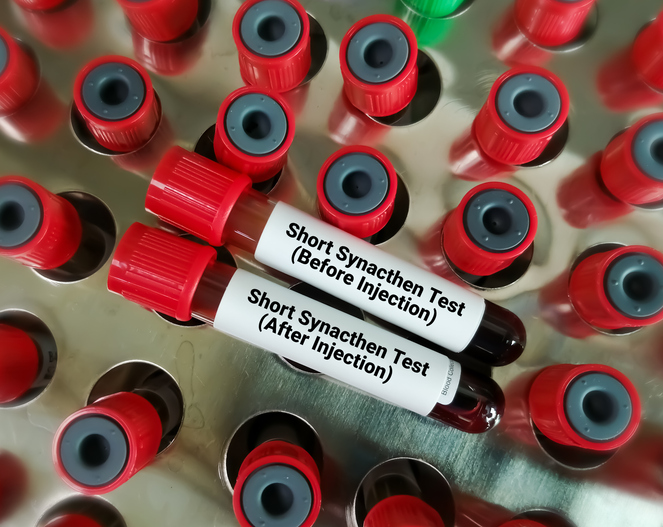
اختبار سينكتين
اختبار سينكتين يتحقق من وظيفة الغدد الكظرية. يمكن أن يساعد في معرفة ما إذا كانت الغدد الكظرية تنتج كمية كافية من هرمون الستيرويد (الكورتيزول). ملاحظة: المعلومات أدناه هي دليل عام فقط. الترتيبات وطريقة إجراء الاختبارات تختلف غالبًا بين المستشفيات المختلفة. دائماً اتبع التعليمات المقدمة من طبيبك أو المستشفى المحلي.
بقلم الدكتورة فيليبا فينسنت، MRCGP
الفحوصات والتحقيقات
اختبار دم روتيني لوظائف الكلى
هناك طرق مختلفة لقياس مدى كفاءة عمل الكلى. الطريقة الأكثر شيوعًا هي قياس مادة تسمى الكرياتينين من خلال اختبار الدم، وحساب ما يسمى بمعدل الترشيح الكبيبي المقدر (eGFR). عادةً ما يتم قياس مواد أخرى مثل اليوريا والأملاح في الدم (البوتاسيوم والصوديوم) أيضًا.
بقلم الدكتور دوغ مكيتشني، MRCGP
الأسئلة الشائعة
What are antigens and antibodies in relation to red blood cells?
Red blood cells have specific proteins on their surface called antigens. The liquid part of your blood, called plasma, contains special proteins called antibodies. Antibodies are designed to attack particular antigens if they are present. Normally, antigens identify foreign substances that shouldn't be in the body, triggering the immune system to respond. However, in some conditions, your immune system can mistakenly attack your own body's red blood cells.
Why is blood type matching so crucial for transfusions?
Blood is grouped according to the specific types of antigens found on the surface of red blood cells. When you receive a blood transfusion, the donated blood must belong to the same blood group as yours, meaning it has the same antigens. If you receive blood with different antigens (incompatible blood), your immune system will recognise these as foreign and destroy the transfused red blood cells. This is known as a transfusion reaction and can lead to serious illness or even be fatal.
What is haemolytic anaemia?
Haemolytic anaemia is a condition where the body doesn't have enough red blood cells. This happens because something in the body is causing the red blood cells to be destroyed prematurely. The direct Coombs test can help determine if the immune system is responsible for this destruction of red blood cells.
قراءة إضافية ومراجع
- Lab Tests Online® - UK
- Zantek ND, Koepsell SA, Tharp DR Jr, et al; The direct antiglobulin test: a critical step in the evaluation of hemolysis. Am J Hematol. 2012 Jul;87(7):707-9. doi: 10.1002/ajh.23218. Epub 2012 May 6.
عن المؤلفعرض السيرة الذاتية الكاملة

الدكتورة روزالين أدلمان، MRCGP
MRCGP
الدكتورة روزالين أدلمان، طبيبة عامة في هيئة الخدمات الصحية الوطنية تعمل في شمال لندن.
حول المراجععرض السيرة الذاتية الكاملة

الدكتور كولين تايدي، MRCGP
طبيب عام، مؤلف طبي
MBBS, MRCGP, MRCP (Paediatrics), DCH
الدكتور كولين تايدي هو طبيب في هيئة الخدمات الصحية الوطنية، ويعمل في أوكسفوردشاير.
تاريخ المقال
تمت كتابة المعلومات على هذه الصفحة ومراجعتها من قبل أطباء مؤهلين.
المقال متاح أيضًا باللغة الإنجليزية, الألمانية, إسبانية, الفرنسية, إيطالي, البرتغالية, الهندية, العبرية, العربية ,، و السويدية.
Next review due: 4 May 2028
20 يونيو 2023 | أحدث إصدار

اسأل، شارك، تواصل.
تصفح المناقشات، اطرح الأسئلة، وشارك التجارب عبر مئات المواضيع الصحية.

هل تشعر بتوعك؟
قم بتقييم أعراضك عبر الإنترنت مجانًا
اشترك في النشرة الإخبارية للمرضى
جرعتك الأسبوعية من النصائح الصحية الواضحة والموثوقة - مكتوبة لمساعدتك على الشعور بالاطلاع والثقة والتحكم.
من خلال الاشتراك، فإنك تقبل سياسة الخصوصية. يمكنك إلغاء الاشتراك في أي وقت. نحن لا نبيع بياناتك أبدًا.