ما هو متلازمة ما بعد وسائل منع الحمل؟
مراجعة من قبل الدكتور كولين تايدي، MRCGPكتبه فيكتوريا راونُشر في الأصل 18 Jun 2025
يتوافق مع الإرشادات التحريرية
- تنزيلتنزيل
- مشاركة
- Language
- نقاش
- نسخة صوتية
- أضف إلى المصادر المفضلة على جوجل
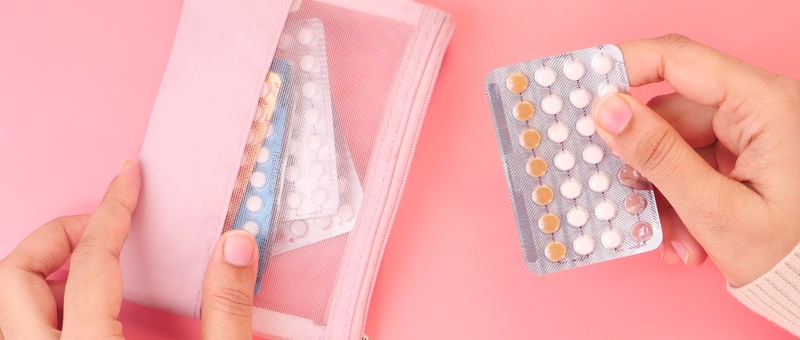
بعد التوقف عن استخدام وسائل منع الحمل، قد تلاحظ تغييرات جسدية أو عاطفية في جسمك. وعلى الرغم من أنها ليست معترف بها رسميًا كحالة طبية، إلا أن هذه الأعراض تُعرف غالبًا بمتلازمة ما بعد وسائل منع الحمل (PBCS).

There are many reasons you might choose to stop taking birth control - whether it's because you can no longer take it, no longer need it, or simply no longer want to.
Navigating Post Birth Control Syndrome - Symptoms and Solutions
Debbie Grayson, Pharmacist and Nutritional Therapist, Practice With Confidence, Greater Manchester, UK explains that post-birth control syndrome (PBCS) refers to a collection of symptoms that some people have after discontinuing hormonal contraceptives.
"PBCS is not an officially recognised medical diagnosis, but the symptoms are real and can be distressing," she says. "They typically emerge within four to six months after stopping birth control."
Grayson outlines the most common PBCS symptoms:
Acne.
Irregular periods.
Mood swings.
تساقط الشعر.
You may experience breast tenderness, a decrease in sex drive, and weight gain - though this last symptom could be influenced by various factors unrelated to your birth control.
What causes post-birth control syndrome?
Most forms of birth control work to prevent pregnancy, by releasing synthetic hormones into your body that stop your ovaries from releasing eggs. If there is no egg to be fertilised, then sperm is unable to fertilise it during sex to make a baby.
There are eight types of birth control available in the UK, all of which are free through the NHS. You can access them via your doctor, sexual health clinics, or selected pharmacies.
Birth control options available in the UK
Combined pill - an oral contraceptive that contains both oestrogen and progestogen hormones.
حبوب منع الحمل التي تحتوي على البروجستيرون فقط - an oral contraceptive commonly called the 'mini pill', that contains the hormone progestogen.
IUS (intrauterine system) - a small, plastic device, also called a 'hormonal coil', that releases progestogen into your womb.
غرسة منع الحمل - a small, plastic rod, inserted under the skin of your arm, that contains the hormone progestogen.
حقنة منع الحمل - an injection that contains the hormone progestogen.
لاصقة منع الحمل - a square patch applied to your skin, that contains the hormone progestogen.
Vaginal ring - a small, plastic ring placed inside your vagina, that releases oestrogen and progestogen hormones.
IUD (intrauterine device) - a device, also known as a 'copper coil', that releases copper into your womb to stop sperm from surviving and fertilising an egg.
After you stop taking birth control, its effects typically disappear within about a month.
Grayson explains, however, that during this time, your body's hormone levels will take some time to adjust.
"This can lead to temporary disruptions," she explains. "Factors such as nutrient depletion, gut health, and hormonal detoxification play roles in this transition."
How is PBCS diagnosed and managed?
As mentioned above, PBCS is not currently recognised as a health condition in the UK. As a result, you cannot seek a formal diagnosis from your doctor, even if you are having symptoms that may be related to it.
However, if you’re having symptoms such as irregular periods, mood swings, acne, fatigue, or digestive issues, it’s important to seek advice from a healthcare professional.
Grayson explains that there are several supportive strategies you can focus on to help restore your body’s natural balance and processes.
Top up on nutrients
Research suggests that hormonal contraceptives may deplete essential nutrients - such as B vitamins, magnesium, zinc, and vitamin C. Replenishing these through a balanced diet or targeted supplements can support your energy levels, mood, and overall hormonal health.
Boost your hormonal balance
Supporting your body’s natural hormone production is key to overall wellbeing.
According to Grayson, you can nurture your hormonal balance by:
Fuelling your body with a nutrient-rich diet - including healthy fats such as omega-3s, plenty of fibre, and quality protein.
إدارة التوتر - through mindfulness practices, good sleep hygiene, and regular exercise.
Minimising exposure to hormone-disrupting chemicals - by choosing safer skincare, avoiding plastic containers, and using non-toxic household products.
Keep your gut healthy
The health of your gut plays a crucial role in hormone metabolism and detoxification. Maintaining a healthy gut microbiome can help reduce symptoms such as bloating, acne, and mood swings.
This can be supported by:
Eating probiotic-rich foods - such as yoghurt, kimchi, and kefir.
Increasing your fibre intake.
Avoiding processed foods and excess sugar.
Grayson recommends checking in with a healthcare professional for personalised guidance after stopping birth control.
If you choose to come off it, it's important to tell your doctor so they can support you through the transition and help manage any after-effects.
How long does post-birth control syndrome last?
It can take up to three months for your body to adjust after stopping birth control, and irregular periods during this time are common. However, if your menstrual cycle hasn’t settled after three months or if you’re having symptoms that interfere with daily life - such as painful or heavy periods - it’s important to speak with your doctor. They can offer tailored advice, support and, in some cases, may perform clinical tests or physical examinations to identify the underlying cause of your symptoms.
اختيارات المرضى لـ وسائل منع الحمل

الصحة الجنسية
تفنيد الخرافات حول حبوب منع الحمل الطارئة
Sometimes, despite our best intentions, accidents happen. If you find yourself needing emergency contraception because of unprotected sex, try not to panic. Here we debunk the most common misconceptions about taking 'the morning after pill'.
بقلم الدكتورة جينيفر كيلي، MRCGP

الصحة الجنسية
إيجابيات وسلبيات الواقيات الأنثوية
تعتبر الواقيات الذكرية خط الدفاع الأول للصحة العامة عندما يتعلق الأمر بحمايتنا من الأمراض المنقولة جنسياً - لدرجة أن وضع الواقي الذكري على الموزة هو الصورة المميزة لتعليم الجنس لدى الكثير من الناس. ولكن هناك خيارات أكثر مما قد تدرك.
بقلم ميلي إيفانز
عن المؤلفعرض السيرة الذاتية الكاملة

Victoria Raw
كاتب مميز
بكالوريوس (مع مرتبة الشرف)، الأدب الإنجليزي
فيكتوريا كاتبة محتوى مع Patient وتركز اهتماماتها الخاصة على الصحة النفسية، والاتجاهات المجتمعية، وتأثير التكنولوجيا على صحتنا.
حول المراجععرض السيرة الذاتية الكاملة

الدكتور كولين تايدي، MRCGP
طبيب عام، مؤلف طبي
MBBS, MRCGP, MRCP (Paediatrics), DCH
الدكتور كولين تايدي هو طبيب في هيئة الخدمات الصحية الوطنية، ويعمل في أوكسفوردشاير.
تاريخ المقال
تمت مراجعة المعلومات الموجودة في هذه الصفحة من قبل أطباء مؤهلين.
المقال متاح أيضًا باللغة الإنجليزية, الألمانية, إسبانية, الفرنسية, إيطالي, البرتغالية, الهندية, العبرية, العربية ,، و السويدية.
المراجعة التالية مستحقة: 19 يونيو 2028
18 Jun 2025 | نُشر في الأصل
كتبه:
Victoria Rawمراجعة من قبل
الدكتور كولين تايدي، MRCGP

اسأل، شارك، تواصل.
تصفح المناقشات، اطرح الأسئلة، وشارك التجارب عبر مئات المواضيع الصحية.

هل تشعر بتوعك؟
قم بتقييم أعراضك عبر الإنترنت مجانًا
اشترك في النشرة الإخبارية للمرضى
جرعتك الأسبوعية من النصائح الصحية الواضحة والموثوقة - مكتوبة لمساعدتك على الشعور بالاطلاع والثقة والتحكم.
من خلال الاشتراك، فإنك تقبل سياسة الخصوصية. يمكنك إلغاء الاشتراك في أي وقت. نحن لا نبيع بياناتك أبدًا.
المزيد في الصحة الجنسية
- لقاح الكلاميديا اجتاز الاختبارات الأولية للسلامة
- هل يمكن أن تصاب بالكلاميديا من التقبيل؟
- هل يمكن للصيدلي مساعدتك في صحتك الجنسية؟
- هل تزيد حبوب منع الحمل من خطر الإصابة بالجلطات الدموية؟
- ما مدى شيوع العقم عند الرجال، وما هي أسبابه؟
- كيف تعرف إذا كنت مصابًا بفيروس نقص المناعة البشرية؟
- كيف يمكن أن تؤثر مشاكل الانتصاب على علاقتك
- كم مرة يجب عليك زيارة عيادة الصحة الجنسية لإجراء فحص؟
- كيفية علاج التشنج المهبلي
- هل من السهل إجراء اختبار فيروس نقص المناعة البشرية؟
- هل من الآمن تخطي دورتك الشهرية أثناء تناول الحبوب؟
- المتسوقون السريون: هل تحصل النساء على أفضل نصائح لمنع الحمل؟
- أفضل طريقة لعلاج تفشي الهربس
- إيجابيات وسلبيات الواقيات الأنثوية
- فهم الفولفودينيا ولماذا تسبب الألم أثناء الجماع
- ما الذي يمكن أن يسبب انخفاض الرغبة الجنسية لدى النساء؟
- ما تحتاج إلى معرفته قبل تناول أدوية ضعف الانتصاب
- ما هو مستقبل وسائل منع الحمل؟
- لماذا تتزايد حالات العنف الجنسي ضد الرجال؟
- لماذا يتزايد انتشار مرض الزهري؟