اختبارات الأمراض المنقولة جنسياً المنزلية: كيف تعمل وماذا تتوقع
مراجعة من قبل الدكتور كريشنا فاخاريا، MRCGPآخر تحديث بواسطة أمبرلي ديفيسآخر تحديث 15 يونيو 2023
يتوافق مع الإرشادات التحريرية
- تنزيلتنزيل
- مشاركة
- Language
- نقاش
- Ask Patient
- نسخة صوتية
- أضف إلى المصادر المفضلة على جوجل
Sexually transmitted infections (STI) diagnoses reached record levels in 2022 in the UK. So it's never been more important to get tested - and home STI tests are a simple, quick, and accurate way look after your health. Here's what you need to know about home STI tests, their reliability, and how easy they are to use.
Explore chlamydia and gonorrhoea testing
احصل على مشورة صحية متخصصة وأنت في راحة منزلك. أكمل استشارة سريعة عبر الإنترنت، متاحة على مدار الساعة طوال أيام الأسبوع، وسيراجع طلبك ممارس صحي مسجل في المملكة المتحدة. تتوفر خدمة التوصيل في اليوم التالي للعلاجات المؤهلة.

How often should I get STI tested?
Sexual contact between two people can sometimes result in the spread of infections. These are known as sexually transmitted infections, or STIs, and getting an early diagnosis can be the difference between full recovery and serious, long-term health issues.
There are many types of STIs, including الكلاميديا, gonorrhoea, فيروس نقص المناعة البشرية (human immunodeficiency virus), and الزهري. These are usually spread through vaginal, anal and oral sex.
Record levels of gonorrhoea and syphilis
Data published in June 2023 revealed that UK diagnoses of gonorrhoea and syphilis in 2022 reached the highest numbers in decades1.
82,592 gonorrhoea diagnoses - an increase of 50.3% from 2021 and the highest annual number since records began in 1918.
8,692 infectious syphilis diagnoses - an increase of 15.2% from 2021 and the highest annual number since 1948.
Young people aged 15 إلى 24 years were the معظم likely إلى get diagnosed مع an STI. In light of these findings, the UK Health Security Agency (UKHSA) is urging everyone having sex with new or casual partners to get tested regularly and use a condom - even if you don't have symptoms.
Here are some key times to get yourself tested:
If you have a symptom that you think is due to an STI - but remember many STIs can be symptomless.
After a high-risk encounter - such as unprotected sex with a new sexual partner, or with someone you don't know is STI-free. Remember, الواقيات الذكرية protect against STIs as well as pregnancy.
Ideally, it's best to get tested before you have sex with someone for the first time.
If you regularly have sex with different people, then healthcare experts recommend getting tested once every one to three months.
Can you get an STI test at home?
You can be tested for STIs at your local sexual health clinic - a GUM (genitourinary medicine) clinic specialises in this. However, you may feel more comfortable ordering a home STI test.
Benefits of home testing include:
The comfort and convenience of testing in your own home.
Privacy and by-passing difficult conversations - some people may prefer not to discuss this directly with a professional.
Are STI home tests accurate?
The National Institute for Health and Care Research (NIHR) has analysed a range of studies and concluded that taking a home STI test or having one carried out by a clinician should make no difference to the accuracy of your results2.
No STI test is 100% reliable, whether completed by yourself or a healthcare professional. Most tests are considered clinically reliable if they have a 90% accuracy rating2.
Here are some tips for improving the reliability of your home STI test:
Test after your incubation period - this refers to the time period that you can have an STI before your body produces virus-fighting antibodies, and it's these that indicate a positive test result. The incubation period depends on the type of STI you have.
Speak to a sexual health expert if you're unsure which STIs to test for based on your symptoms and/or your sexual history, and for the relevant incubation period.
Follow your home STI test kit instructions carefully.
Where can I get a home STI test?
STI testing kits are now widely available to order from online sexual health services - in the UK high street pharmacies like Superdrug and Boots offer a wide range of test kits. These include tests for specific STIs, such as HIV tests, or package kits that test for the most common STIs in one go.
Explore chlamydia and gonorrhoea testing
احصل على مشورة صحية متخصصة وأنت في راحة منزلك. أكمل استشارة سريعة عبر الإنترنت، متاحة على مدار الساعة طوال أيام الأسبوع، وسيراجع طلبك ممارس صحي مسجل في المملكة المتحدة. تتوفر خدمة التوصيل في اليوم التالي للعلاجات المؤهلة.
You may be able to obtain a free NHS home STI test kit - criteria and availability will depend on your local NHS district. Likewise, sexual health charities such as جدول ماء provide some free kits. Again, you'll need to check which ones are available in your local area.
How to do an STI test at home
Although the exact steps can vary slightly between the type of STI you're testing for and the testing service you use, a home STI test is typically convenient, easy, and quick.
Usual steps
Order your home STI test kit online.
Receive your kit in the post or choose to pick up from a local collection point.
Take your samples - finger prick, swab, urine sample, or combination (see Types of STI samples following).
Post your samples to the laboratory for analysis - a freepost envelope for Royal Mail or private courier should be provided.
Get your test results - depending on the company, this could be by text, email, or another preferred method.
If your test results indicate you have an STI, book in for treatment - some sexual health services automatically send your results to your GP.
Types of STI samples
The kind of sample you need to collect will depend on what you're being tested for:
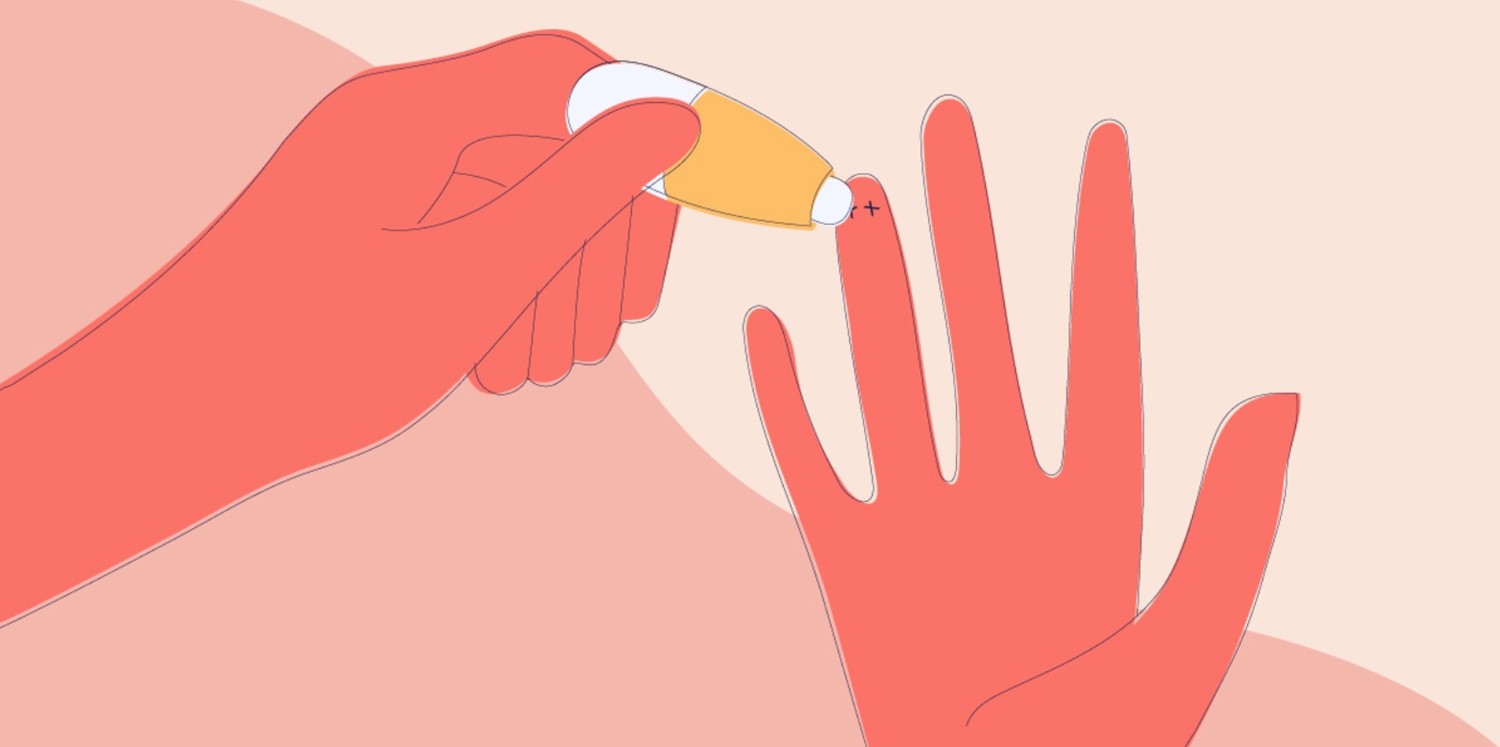
Finger prick blood sample home STI test - checks for HIV and syphilis.
Urine sample home STI test - checks for chlamydia and السيلان.
Swab home STI test - either involves rubbing a cotton bud in the vaginal region (females only), rectal region (males only), or throat. This also tests for chlamydia and gonorrhoea.
If you're testing for multiple STIs in one test kit, you'll be instructed to carry out a combination of the above. All sample types are relatively straight-forward and quick to complete - your test provider will send clear step-by-step instructions.
How long before an STI shows up on a test?
Some STIs can take anywhere between a few weeks or months to show a positive test result. Speak to a healthcare professional if you're unsure when to test to avoid the incubation period.
Once you've decided when to take your home STI test, it usually only takes 2-5 working days to arrive, and a matter of minutes or even seconds to complete. The time it takes for you to receive your test results depends on the company you choose. Some are relayed as early as one working day after the lab receives, but anywhere between 5-10 working days3is normal.
قراءة إضافية
Explore chlamydia and gonorrhoea testing
احصل على مشورة صحية متخصصة وأنت في راحة منزلك. أكمل استشارة سريعة عبر الإنترنت، متاحة على مدار الساعة طوال أيام الأسبوع، وسيراجع طلبك ممارس صحي مسجل في المملكة المتحدة. تتوفر خدمة التوصيل في اليوم التالي للعلاجات المؤهلة.
اختيارات المرضى لـ الأمراض المنقولة جنسياً

الصحة الجنسية
ما تحتاج لمعرفته حول فيروس الورم الحليمي البشري
In 2008 the NHS introduced free vaccines against the human papillomavirus (HPV) for girls over the age of 12 years. Ten years on, it was announced in July that this vaccination programme will be extended to cover boys. But what exactly is HPV, who is it most likely to affect, and why is it a threat to public health?
بواسطة سارة غراهام
الصحة الجنسية
لماذا يتزايد انتشار مرض الزهري؟
Syphilis is often thought of as an archaic disease, yet diagnoses last year increased by levels not seen since 1949. We examine the resurgence of this sexually transmitted infection, find out who is at risk, and look at what can be done to prevent transmission.
بواسطة سالي تيرنر
عن المؤلفعرض السيرة الذاتية الكاملة
تم التحديث بواسطة

Amberley Davis
كاتب أول
بكالوريوس (مع مرتبة الشرف)، التنمية المهنية المستمرة
أمبرلي كاتبة كبيرة في موقع Patient وقد كتبت بشكل مكثف حول مجموعة من مواضيع الصحة والرفاهية.
كتبه
Amberley Davis
كاتب أول
بكالوريوس (مع مرتبة الشرف)، التنمية المهنية المستمرة
أمبرلي كاتبة كبيرة في موقع Patient وقد كتبت بشكل مكثف حول مجموعة من مواضيع الصحة والرفاهية.
حول المراجععرض السيرة الذاتية الكاملة

الدكتور كريشنا فاخاريا، MRCGP
كبير المسؤولين الطبيين للصحة، أوبتوم المملكة المتحدة
MBChB, MRCGP(2013), BMedSci (hons), DFSRH, DRCOG, PGDipDerm (Distn)
الدكتورة كريشنا فاخاريا هي طبيبة عامة في هيئة الخدمات الصحية الوطنية. كما أنها ممتحنة منتظمة لدبلوم الدراسات العليا في الأمراض الجلدية العملية في جامعة كارديف، بالإضافة إلى كونها كبيرة المسؤولين الطبيين للصحة في Optum UK.
تاريخ المقال
المقال متاح أيضًا باللغة الإنجليزية, الألمانية, إسبانية, الفرنسية, إيطالي, البرتغالية, الهندية, العبرية, العربية ,، و السويدية.
15 يونيو 2023 | أحدث إصدار
٢٥ أكتوبر ٢٠٢٢ | نُشر في الأصل
كتبه:
Amberley Davis
شارك أفكارك أو تجاربك مع الآخرين في مجتمعات المرضى.
وصول بسيط إلى العلاجات والخدمات الصحية الموثوقة عبر الإنترنت.
Common conditions
Get help with common conditions through the NHS, without a GP appointment.
 التهاب الجيوب الأنفية الحاد
 التهاب اللوزتين البكتيري
 القوباء
 لدغات الحشرات
 الحزام الناريعدوى المسالك البولية
اشترك في النشرة الإخبارية للمرضى
جرعتك الأسبوعية من النصائح الصحية الواضحة والموثوقة - مكتوبة لمساعدتك على الشعور بالاطلاع والثقة والتحكم.
من خلال الاشتراك، فإنك تقبل سياسة الخصوصية. يمكنك إلغاء الاشتراك في أي وقت. نحن لا نبيع بياناتك أبدًا.