كيفية تحسين سلوك نومك
مراجعة من قبل الدكتور كولين تايدي، MRCGPآخر تحديث بواسطة فيكتوريا راوآخر تحديث 6 Jan 2026
يتوافق مع الإرشادات التحريرية
- تنزيلتنزيل
- مشاركة
- Language
- نقاش
- Ask Patient
- نسخة صوتية
- أضف إلى المصادر المفضلة على جوجل
Sleep is important for our wellbeing, and a lack of shut-eye can affect everything from performance at work to immune function. As one in five of us aren't getting enough sleep, we explore the best ways to improve sleep behaviour.
While medical disorders such as انقطاع النفس أثناء النوم or chronic الأرق may need professional investigation, for many of us our lack of sleep is lifestyle related.
According to the Royal Society for Public Health (RSPH), sleep deprivation commonly affects regular commuters, shift workers, new parents, young people and those with active social lives.
Experts recommend we set regular hours for sleep, and aim to get seven or eight hours a night to function at our best. However, in reality, if we have young children, work shifts, or other unalterable interruptions during the night, this might not be possible.
But, whilst we can't always change the quantity of sleep we have, there are many natural ways to improve our sleep quality and make the most of our rest.
Tune in to your rhythm
When trying to maximise the benefits of sleep, it's important to understand your body's natural rhythms and work with them.
Gemma Clare, holistic health specialist, says that we sleep in 90-minute cycles. If you stay in line with this natural timing, you can feel more rested, even if you aren't getting quite as much as you need.
"By dividing your night into 90-minute blocks, you can avoid being woken in the middle of a sleep-cycle, and allow your body to wake up more naturally. The optimum amount might be six 90-minute cycles," she explains. "But if you break after four or five, you will feel more rested than if you continue to sleep and wake up in the middle of a cycle."
Clare adds that several downloadable apps are available to support a healthy sleep schedule.
"These can help you plan your bedtime and the best time to wake, based on the time available," she says.
Focus on quality
Even if you're not getting enough sleep, it's important to make the most of the sleep you have. This is called improving the quality of your rest.
Sleep apnoea specialist Dr Sabrina Magid-Katz says: "Most people don't think about what happens while they are sleeping. Many wake up periodically during the night without even knowing it. These are called mini-arousals and they can be worsened by poor sleeping position. You might think you got a full night's sleep, but may still be tired."
To optimise your sleep, Katz recommends you consider the quality of your mattress and bedding. She explains that if you're waking up in pain, this may be an indication that your back isn't being properly supported by your mattress. Additionally, if you have allergies, you may wish to consider hypoallergenic bedding.
Improve your sleep environment
It's also important to ensure your bedroom promotes good sleep.
Clare says: "Make sure your bedroom is tidy. Messy rooms can affect your sleep, even if you're not consciously aware of it."
It's important to keep your bedroom solely for sleep and other bedtime activities. This will give your subconscious a clear indication that it's time for rest.
Light pollution
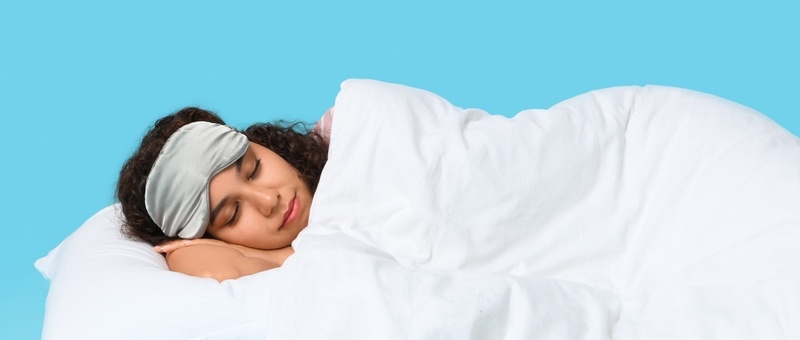
Light pollution disrupts your body’s natural rhythms, so it's crucial you minimise excess light in your bedroom. Try investing in blackout blinds or a sleep mask to cut down on unnecessary stimulation.
Exposure to blue light from electronic screens can also disrupt your sleep - even after you've switched your phone off for the night.
Optometrist and wellness expert Dhruvin Patel from Ocushield says that screens impact your sleep due to harmful blue light emitted from the digital device itself. This light disturbs a hormone called melatonin which is responsible for telling your body it's time to sleep.
To ensure your body is ready for rest, it's important to be mindful of your use of technology.
Patel advises: "Reducing the amount of screen time directly before you plan to fall asleep, critically in the hour before the run up to bedtime should help. You can also reduce the brightness of screens by using blue-light software or filtering products."
Help your body to switch off
In today's busy world, it's easy to feel stressed. Your body may well hold onto that tension, making it difficult to switch off. There are many ways in which you can help your muscles to relax, from التأمل to taking a warm bath.
Essential oils such as lavender and ylang ylang are also said to promote relaxation and rest. Try adding a few drops to some distilled water and spritzing your sheets, or add a few drops to your evening bath.
What about medicine?
Whilst medicine has its place, all أقراص منومة carry a chance of serious side effects, including addiction, in the medium-long term. It's always more beneficial to seek a natural solution to tiredness or poor quality sleep.
Clare warns that taking medicine can sometimes mask an issue rather than solve it.
"It's far better to find a natural solution," she says.
However, if you suspect you have a sleep disorder, it may be worth discussing further intervention.
Katz says: "If all else fails, or you suspect you have a more serious problem, see your doctor. You may benefit from medicine or an appliance that can improve your sleep and make you healthier."
Making the most of rest
Whilst you might not be able to stop your baby crying, or ignore that urgent phone call, by carrying out a few simple tweaks you can make the most of your sleep - and feel more rested as a result.
اختيارات المرضى لـ النوم والأرق

الحياة الصحية
هل انقطاع النفس أثناء النوم خطير؟ عندما تصبح مشاكل الشخير خطيرة
من الشخير الخفيف إلى الشخير العالي، 1 من كل 4 منا لديه عادة الشخير أثناء النوم. الشخير بحد ذاته عادة لا يدعو للقلق، ولكن بالنسبة لبعض الأشخاص، يعد العرض الرئيسي لانقطاع النفس الانسدادي أثناء النوم. هذه حالة تنفسية مرتبطة بالنوم ويمكن أن يكون لها عواقب خطيرة إذا لم تُعالج.
بقلم لين ستيفن

الحياة الصحية
كيفية إيقاف الشخير الذي يفسد نومك
مع اثنين من كل خمسة منا يعانون من الشخير، من المحتمل أنك إما الشخص الذي يصدر الضوضاء أو الشخص الذي يستلقي مستيقظًا يستمع إليها. بالنسبة للبعض، الشخير هو إزعاج عرضي بعد بضع مشروبات أو نزلة برد شديدة. بالنسبة للآخرين، هو معركة ليلية تترك كلا الشريكين مرهقين ويمكن أن تؤدي حتى إلى توتر العلاقات. لحسن الحظ، الشخير ليس شيئًا يجب عليك تحمله ببساطة. من الحلول السريعة التي قد تساعد فورًا إلى الحلول طويلة الأمد التي تعالج السبب الجذري، هناك الكثير من الطرق للنوم بشكل أكثر هدوءًا.
بقلم هيذر أينسورث
عن المؤلفعرض السيرة الذاتية الكاملة
تم التحديث بواسطة

Victoria Raw
كاتب مميز
بكالوريوس (مع مرتبة الشرف)، الأدب الإنجليزي
فيكتوريا كاتبة محتوى لدى Patient، وتشمل اهتماماتها الخاصة الصحة النفسية والاتجاهات المجتمعية وتأثير التكنولوجيا في صحتنا.
كتبه

جيليان هارفي
كاتب مستقل
بكالوريوس (مع مرتبة الشرف) في اللغة الإنجليزية
جيليان كاتبة مستقلة وكاتبة عمود لعدد من الصحف والمجلات الوطنية.
حول المراجععرض السيرة الذاتية الكاملة

الدكتور كولين تايدي، MRCGP
طبيب عام، مؤلف طبي
MBBS, MRCGP, MRCP (Paediatrics), DCH
الدكتور كولين تايدي هو طبيب في هيئة الخدمات الصحية الوطنية، ويعمل في أوكسفوردشاير.
تاريخ المقال
المقال متاح أيضًا باللغة الإنجليزية, الألمانية, إسبانية, الفرنسية, إيطالي, البرتغالية, الهندية, العبرية, العربية ,، و السويدية.
Next review due: 6 Jan 2029
6 Jan 2026 | أحدث إصدار
12 Oct 2017 | نُشر في الأصل
كتبه:
جيليان هارفي
شارك أفكارك أو تجاربك مع الآخرين في مجتمعات المرضى.
وصول بسيط إلى العلاجات والخدمات الصحية الموثوقة عبر الإنترنت.
Common conditions
Get help with common conditions through the NHS, without a GP appointment.
 التهاب الجيوب الأنفية الحاد
 التهاب اللوزتين البكتيري
 القوباء
 لدغات الحشرات
 الحزام الناريعدوى المسالك البولية
اشترك في النشرة الإخبارية للمرضى
جرعتك الأسبوعية من النصائح الصحية الواضحة والموثوقة - مكتوبة لمساعدتك على الشعور بالاطلاع والثقة والتحكم.
من خلال الاشتراك، فإنك تقبل سياسة الخصوصية. يمكنك إلغاء الاشتراك في أي وقت. نحن لا نبيع بياناتك أبدًا.