
Could your face mask be causing your acne?
Peer reviewed by Dr Sarah JarvisAuthored by Andrea DowneyOriginally published 8 Nov 2020
Meets Patient’s editorial guidelines
- DownloadDownload
- Share
- Language
- Discussion
- Audio Version
- Add to preferred sources on Google
Have you noticed you're breaking out more often than usual and in areas where your face mask sits? You're not alone. 'Maskne' is one of the unexpected consequences of the coronavirus pandemic. So why do we get it, and how can we get rid of it?

Many people are experiencing redness, spots and a worsening of acne symptoms due to wearing a face mask or covering - a condition dubbed 'maskne'.
While you're wearing your face mask to do your bit to protect others from the risk of COVID-19, breakouts can still be painful and distressing.
Dr Thivi Maruthappu, consultant dermatologist and spokesperson for the British Skin Foundation explains 'maskne' and how you can treat it.
Spot of bother
Face masks can actually cause a variety of skin problems, the most common being mask acne, Dr Maruthappu says.
"Masks create a warm and humid environment underneath them which traps moisture and sebum," she explains.
"This can aggravate pre-existing acne or cause new breakouts by clogging pores. These pores become inflamed leading to the classical red tender acne lesion. Maskne typically occurs around the mouth and nose area but can also affect the jawline."
The cause of maskne is no different to the cause of any other acne. Acne is caused by excess oil on the skin combined with a blockage in the pores.
Excess oil production combined with blockage of hair follicles/sebaceous glands, or oil glands, and overgrowth of the bacterium propionibacterium acne causes spots, Dr Maruthappu explains.
"It can be exacerbated by stress, hormonal factors and medications."
Masks can also cause irritation in tight areas, such as across the nose, dry skin and redness.
"This can be worse if you have underlying skin conditions such as eczema or rosacea. In such cases it is important to use a rich barrier moisturiser before wearing your mask," Dr Maruthappu adds.
Banish breakouts
Now you know what causes maskne, how can you banish those breakouts?
Luckily, there are easy steps you can take to help prevent spots and treat existing ones.
Looking after your skin
"If you are developing acne due to face masks, it's important to cleanse your skin carefully twice a day and, in particular, after you take your mask off when you get home," Dr Maruthappu says.
"Use non-comedogenic products which should reduce the likelihood of pores getting blocked. In addition, avoid wearing makeup or oil-containing products under your mask as this can exacerbate acne."
Face washes, make-up, moisturisers and other cosmetic products should say if they are non-comedogenic on their packaging. Non-comedogenic essentially means the product is not likely to cause pore blockages, or comedones to use the technical term.
But it's also important not to over cleanse as this can cause dry skin. The skin's natural reaction to drying out is to create more oil which, you guessed it, can make acne worse.
Over-the-counter treatments
There is also a range of over-the-counter acne treatments you can find in your local pharmacy to help treat spots, Dr Maruthappu says.
"Ingredients to look for in acne-fighting products are salicylic acid, benzyl peroxide and niacinamide, which can be used morning and night," she explains.
"Avoid oil-containing ingredients which can frequently exacerbate acne."
Switch it up
You may find switching to a mask that is more breathable helpful in managing breakouts.
Materials that create excess humidity and warmth underneath them are likely to make spots worse.
"Masks made of natural fibres are often better but need to be washed on a regular basis to remove built-up oil, dead skin cells and bacteria," suggests Dr Maruthappu.
Unfortunately, not wearing a mask is not an option.
In England it is compulsory to wear a face covering or mask when on public transport; in shops and supermarkets; in pubs, bars and restaurants except when seated; in theatres, museums and other entertainment venues; in banks and post offices; and in places of worship. The rules vary in Scotland, Wales and Northern Ireland.
Fines of up to £200 have been introduced for people not wearing a mask where expected to, which doubles upon the next offence.
There are exceptions to the rule including children under 11; people who cannot wear a mask due to disability or mental health reasons; people with asthma; if you are speaking to someone who relies on lip reading; and in situations where a mask may cause distress.
Patient picks for Acne
Skin, nail and hair health
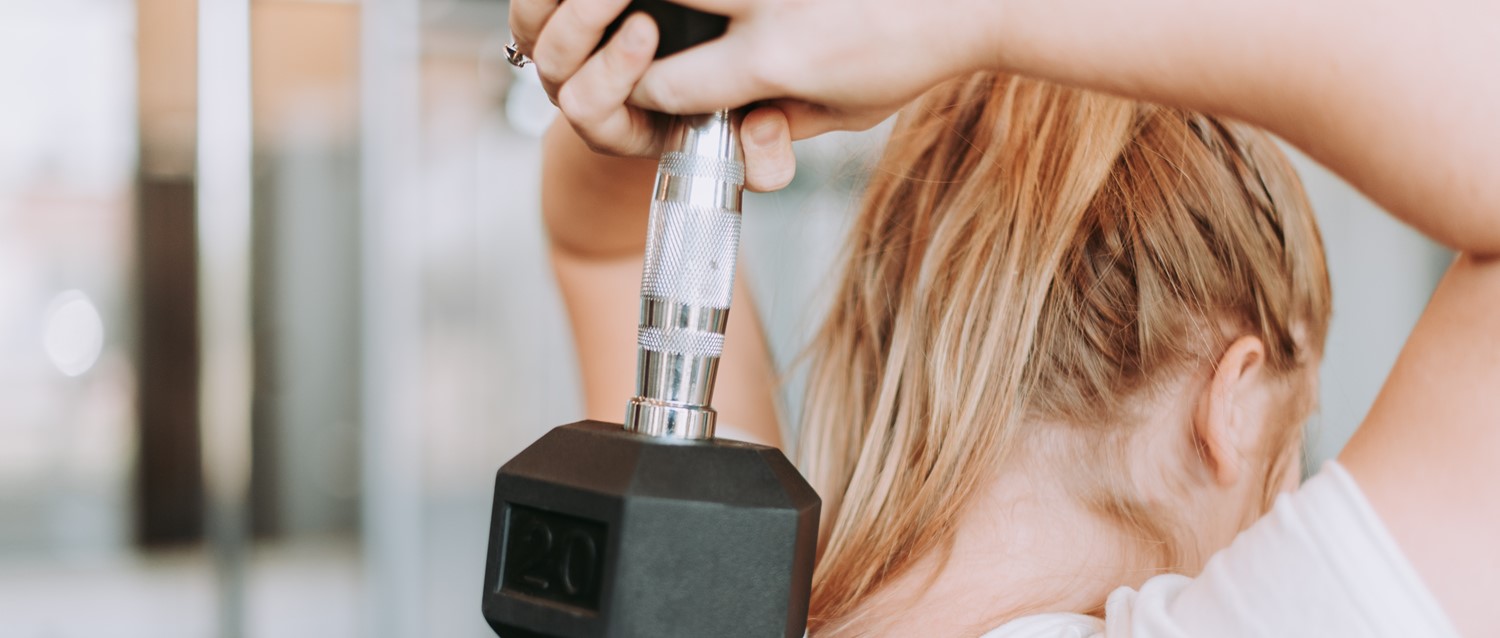
Is your exercise routine giving you acne?
We all expect a sore muscle or two after a heavy workout session, but there's one side effect of exercise you probably didn't know about - acne. Yes, that's right, exercise can cause acne and it can occur all over your body. Dermatologist Dr Anjali Mahto explains why your workout could be causing breakouts.
by Andrea Downey
Skin, nail and hair health
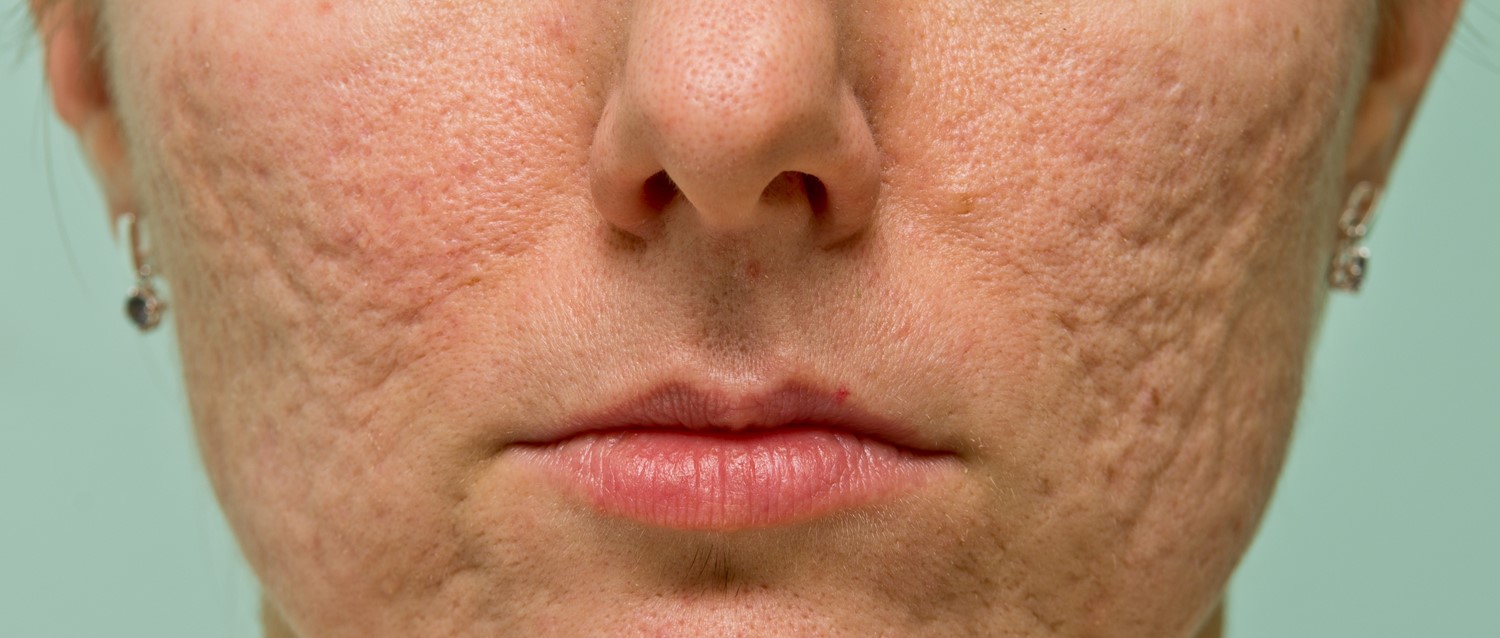
Does Bio-Oil help acne scars?
Bio-Oil is a cosmetic oil that many claim can reduce the appearance of acne scars. Bio-Oil is both the name of the oil and the name of the product manufacturer. It's a cosmetic oil that claims to reduce the appearance of scars and stretch marks, but how accurate are these claims?
by Emily Jane Bashforth
About the author

Andrea Downey
About the reviewerView full bio

Dr Sarah Jarvis
Clinical Consultant
MA (Cantab), BM, BCh (Oxon), DRCOG, FRCGP, MBE
After training in medicine at Cambridge and Oxford, Dr Sarah Jarvis MBE became a GP.
Article history
The information on this page is peer reviewed by qualified clinicians.
Article also available in English, German, Spanish, French, Italian, Portuguese, Hindi, Hebrew, Arabic, and Swedish.
8 Nov 2020 | Originally published
Authored by:
Andrea Downey
Peer reviewed by
Dr Sarah Jarvis
Join the conversation
Share your thoughts or experiences with others in our patient communities.

Ask, share, connect.
Browse discussions, ask questions, and share experiences across hundreds of health topics.

Feeling unwell?
Assess your symptoms online for free
Sign up to the Patient newsletter
Your weekly dose of clear, trustworthy health advice - written to help you feel informed, confident and in control.
By subscribing you accept our Privacy Policy. You can unsubscribe at any time. We never sell your data.
More in skin, nail and hair health
- Biotin: do vitamins for hair growth really work?
- Can you get great skin without spending a fortune?
- Dealing with depression and anxiety caused by adult acne
- Does rosemary oil actually help hair grow?
- Does wearing make-up give you acne?
- Drinking in the sun: a dangerous cocktail
- Everything you need to know about baby eczema
- Here's how to protect a bald head from the sun
- How to keep your kids sun safe this summer
- How to look after your skin during chemotherapy
- How to stop your child catching a verruca
- How to tell the difference between acne and other skin problems
- Is your exercise routine giving you acne?
- The best ways to prevent and treat insect bites
- The warning signs of heatstroke and heat exhaustion
- Video: How do head lice spread?
- What are the common causes of summer rashes?
- What to do if you're stung by a jellyfish
- Why going bald can seriously affect your mental health
- Will a gluten-free diet help my child's eczema?