
Is getting a massage a substitute for physiotherapy?
Peer reviewed by Dr Sarah JarvisLast updated by Abi MillarLast updated 5 Jan 2021
Meets Patient’s editorial guidelines
- DownloadDownload
- Share
- Language
- Discussion
- Audio Version
- Add to preferred sources on Google
If you're experiencing aches and pains - whether through a sports injury or a makeshift work-from-home set-up - you may want some hands-on treatment. But when will a massage suffice, and when should you see a physiotherapist?
If you're emerging from 2020 with a long list of aches and pains, you aren't the only one. Not only has this year been intensely stressful - which can have physical manifestations - but there are many pandemic-specific reasons why you might have been placing your body under strain.
This year, many people found themselves working from home for the first time. Although some had the benefit of a dedicated home office, others worked in less-than-ergonomic set-ups. With gyms closed, some people began new exercise regimes and ended up getting injured. Others, forced to balance the needs of work and childcare, spent more time than usual running after their kids.
In one survey of 2,000 Brits, commissioned by Nurofen, 36% of respondents said they had experienced increased back pain during lockdown.
If you fall into that bracket, you might be left craving a massage. Classed as a 'personal care' service, massage therapists in the UK have been allowed to operate as normal throughout the year, apart from during the spring and November lockdowns. However, before you book, it's worth considering the nature of your complaint - would a massage be best, or would it be preferable to see a physiotherapist?
How to know you need a massage
If you're looking for relaxation, stress relief and general tension release, you're in safe hands with a massage therapist. The same applies if you're training hard and want to alleviate any niggles before they turn into serious injuries.
"If you are someone who is feeling tight and slightly achy without the presence of persistent pain then a massage therapist is the person you should see," says Jayden Arnold, head of physio at Ten Health and Fitness. "They are the experts at hands-on soft tissue release to help ease tight and sore muscles, and improve joint mobility. If there is pain or persistent dysfunction, however, it's better to see a physiotherapist initially. They can diagnose the issue and may then recommend massage as part of the treatment plan."
Reasons to seek a massage
"The main circumstances when it is beneficial to see a massage therapist are twofold," says Aisling O’Malley, Clinical Specialist Physiotherapist at London Bridge Hospital (part of HCA UK). "One when you are physically training - for, example, running a half marathon - and are aiming to promote recovery. The second is if you feel aches and pains from your day-to-day activities or work, as it can be a useful tool to help manage stress and body aches."
Nick Torry, a South East London-based massage therapist specialising in Raynor Naturopathic Massage, points out that massage can be useful for recurring tension or tightness. The most common complaints he sees are tight shoulders and sore backs - the latter of which is often related to unacknowledged problems in the hamstrings and hips.
"Physiotherapy is useful for the times when you have a discernable physical problem - you'd go to a physio and they'd give you an assessment," he says. "With a massage therapist, it could be physical, but it could also be mental, and it could just be that you want to relax. If you've got aches and pains that are being exacerbated regularly, a sports massage can help with that."
Finding the right type of massage for you
He adds that there are various different schools of massage, ranging from very focused sports massage to energetic approaches grounded in Eastern traditions. And while massage therapists aren't trained to diagnose injuries, they do provide a holistic, mind-body treatment.
"You won't necessarily come out of a physiotherapist with a greater sense of emotional or physical well-being," he says. "But you're highly likely to have benefited from a massage in some way, even if it's just in the sense of taking some time and space for yourself."
How to know you need to see a physio
If you're experiencing new and persistent pain in your body, or you've sustained an injury, you should see a physiotherapist - whether privately or via referral from a GP.
"The first port of call is to take relative rest for one to two days and then start to move and use your body again," says O’Malley. "If you struggle to regain normal function, you should seek advice from a physiotherapist. Remember that a physiotherapist can advise you whether it is appropriate to see a specialist physician, seek imaging or seek alternative treatments such as massage or acupuncture."
The physiotherapist should be able to diagnose the issue, explain the mechanism of injury, and provide a rehab plan to help you fix the issue. Massage may also play a small role.
"A small component of physiotherapy is providing hands-on soft tissue release, to help with immediate improvement or pain or function," says Arnold. "But the overwhelming majority of work they will do is exercise- and rehabilitation-based. You should see a physiotherapist when you have any pain affecting the body and the way you live your life."
He thinks it's critical to seek a professional opinion on any injuries, just as you would see a dentist if you were having any problems with your teeth. Even when sports injuries seem minor, they can sometimes have lasting consequences that will need addressing further down the line.
"Don't be afraid that by going to see a physiotherapist, you will have to stop doing what you love," he says. "Whenever possible they will try to keep you doing as much of the exercise and activities you love while doing your rehabilitation, not telling you to totally stop and rest."
Patient picks for Physiotherapy

Treatment and medication
Do you need physiotherapy after joint replacement?
Joint replacement surgery is very common in the UK. More than 252,000 joint replacements were performed in 2018 - around 10,000 more than in the previous year. So how do people recover from these operations? And just how important is physiotherapy?
by Allie Anderson
Treatment and medication
What is video physiotherapy and who can it help?
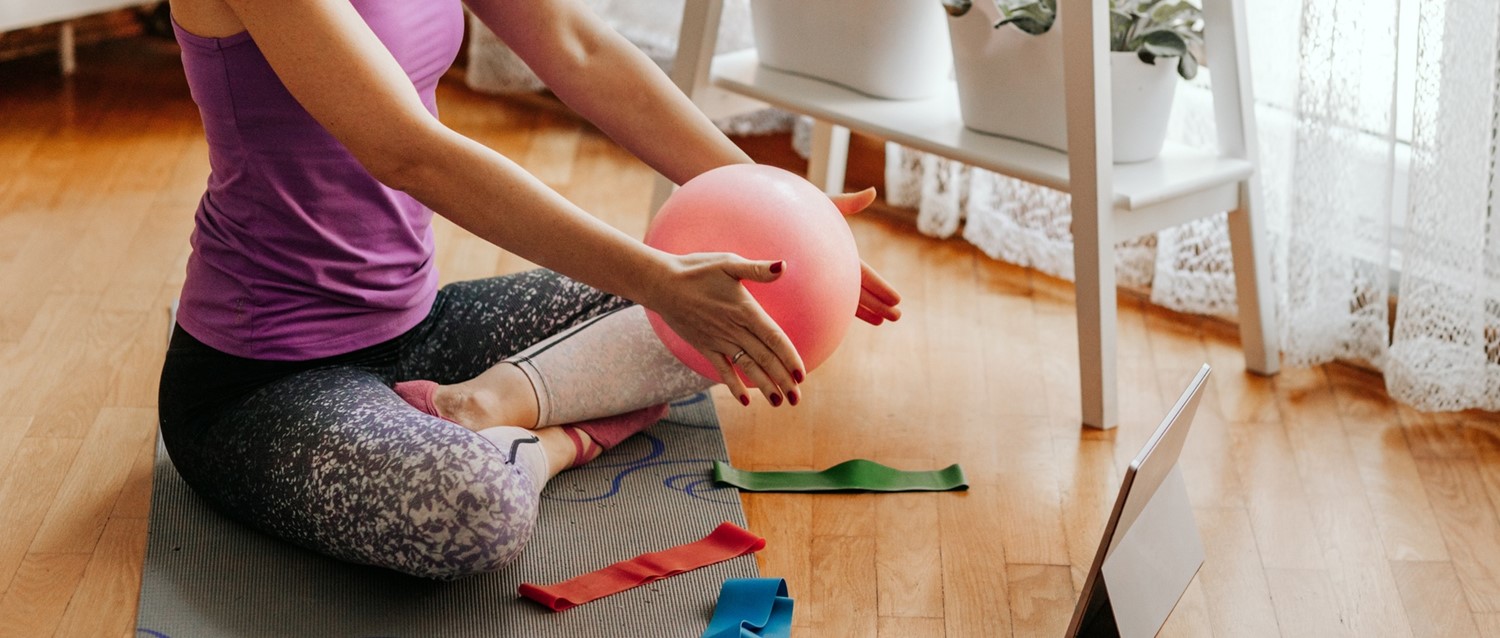
Just like other healthcare professionals, many physiotherapists have moved to online provision of their services during the coronavirus pandemic. Previously the domain only of technology enthusiasts and forward-thinking practitioners, video consultations for all manner of complaints are now becoming part of the 'new normal'. But just what is involved, and could advancements in digital provision replace traditional physiotherapy as we know it?
by Allie Anderson
About the authorView full bio

Abi Millar
Freelance Journalist
BA (Hons), MA
Abi is a freelance journalist with a special interest in health and medicine writing.
About the reviewerView full bio

Dr Sarah Jarvis
Clinical Consultant
MA (Cantab), BM, BCh (Oxon), DRCOG, FRCGP, MBE
After training in medicine at Cambridge and Oxford, Dr Sarah Jarvis MBE became a GP.
Article history
The information on this page is peer reviewed by qualified clinicians.
Article also available in English, German, Spanish, French, Italian, Portuguese, Hindi, Hebrew, Arabic, and Swedish.
5 Jan 2021 | Latest version
Join the conversation
Share your thoughts or experiences with others in our patient communities.

Ask, share, connect.
Browse discussions, ask questions, and share experiences across hundreds of health topics.

Feeling unwell?
Assess your symptoms online for free
Sign up to the Patient newsletter
Your weekly dose of clear, trustworthy health advice - written to help you feel informed, confident and in control.
By subscribing you accept our Privacy Policy. You can unsubscribe at any time. We never sell your data.
More in treatment and medication
- Can hypnotherapy help you lose weight?
- CBT for insomnia: how does it work?
- Could you benefit from music therapy?
- Do beta blockers help with anxiety symptoms?
- Don't sweat it: 5 sauna health benefits in the hot seat
- How to cope with a terminal illness at Christmas
- How to decide between different types of therapy
- Is retail therapy actually a thing?
- Making sure your medicine is safe at home
- Practical ways to manage your medicines at home
- Prescriptions: your questions answered
- Video: Hip replacement recovery exercises
- What does a women's health physiotherapist do?
- What harm can conversion therapy cause and why isn't it banned?
- What is psychodynamic therapy?
- What is transactional analysis therapy?
- What it's like to have a vasectomy
- What therapies can treat PTSD?
- Why is therapy so exhausting?