
ما هو العلاج الطبيعي عبر الفيديو ومن يمكن أن يساعد؟
مراجعة من قبل الدكتورة سارة جارفيسآخر تحديث بواسطة ألي أندرسونآخر تحديث 25 Jun 2020
يتوافق مع الإرشادات التحريرية
- تنزيلتنزيل
- مشاركة
- Language
- نقاش
- نسخة صوتية
- أضف إلى المصادر المفضلة على جوجل
Just like other healthcare professionals, many physiotherapists have moved to online provision of their services during the coronavirus pandemic. Previously the domain only of technology enthusiasts and forward-thinking practitioners, video consultations for all manner of complaints are now becoming part of the 'new normal'. But just what is involved, and could advancements in digital provision replace traditional physiotherapy as we know it?
What is remote physiotherapy?
"Remote physiotherapy is any number of different platforms that physiotherapists can use to deliver physiotherapy when they're not beside the patient," explains Euan McComiskie, chartered physiotherapist and health informatics lead for the Chartered Society of Physiotherapists.
In its most basic form it could be a simple telephone consultation, McComiskie adds, while at the other extreme it involves artificial intelligence-led chatbots. These use complex computer algorithms to interpret information patients input via text or speech, to assist physiotherapists in assessing and diagnosing the patient's condition.
Many NHS physiotherapy services offer telephone consultations. Other forms of remote physiotherapy seem to be limited across most NHS CCGs but are more widely available through private physiotherapists.
“Patients answer questions through their keyboard that the chatbot puts to them about their condition, their symptoms, how long it's lasted and severity, for example, and that can then be gathered by the physiotherapist so when they're with the patient - either remotely or in person - they don't have to go through all that questioning again,” McComiskie says. “It makes the process a bit more efficient, and can relieve some of the demand on physio services by accelerating the flow of patients getting good-quality care.”
This type of advanced digital provision is currently being piloted in small pockets across the UK, where it is proving beneficial for both patients and therapists, and showing potential for delivering significant cost savings. However, it's not yet widely available, so most physiotherapists offering remote consultations are using more familiar methods like FaceTime, Skype and Zoom, for example.
Others have been embracing specific telehealth and digital health platforms, which enable them to not only see patients remotely, but also track their progress and monitor any problems along the way. Many offer a combination of different methods to suit each individual patient's preference.
You can even book remote private video physiotherapy consultations via الوصول إلى المريض.
The hands-off approach
Contrary to popular belief, العلاج الطبيعي doesn't necessarily require the therapist to place their hands on the patient - for instance, to demonstrate a range of movement or provide physical support through an exercise. In fact, the range of conditions and circumstances that lend themselves to remote physio is almost limitless. They include:
Musculoskeletal conditions.
Orthopaedic rehabilitation.
Physical activity programmes for people with long-term conditions.
Neck and back pain.
Sports injuries.
According to McComiskie, remote physiotherapy is suitable for any patient who finds it difficult to get to a clinic. "This could be because of work commitments, caring responsibilities, transport issues or financial reasons," he says. "For those people - and there are large numbers of them - a remote consultation tends to work really well. Some patients don't find it easy to open up in face-to-face appointments for whatever reason, so being in their own environment might encourage them to do so and work with the physio a bit more."
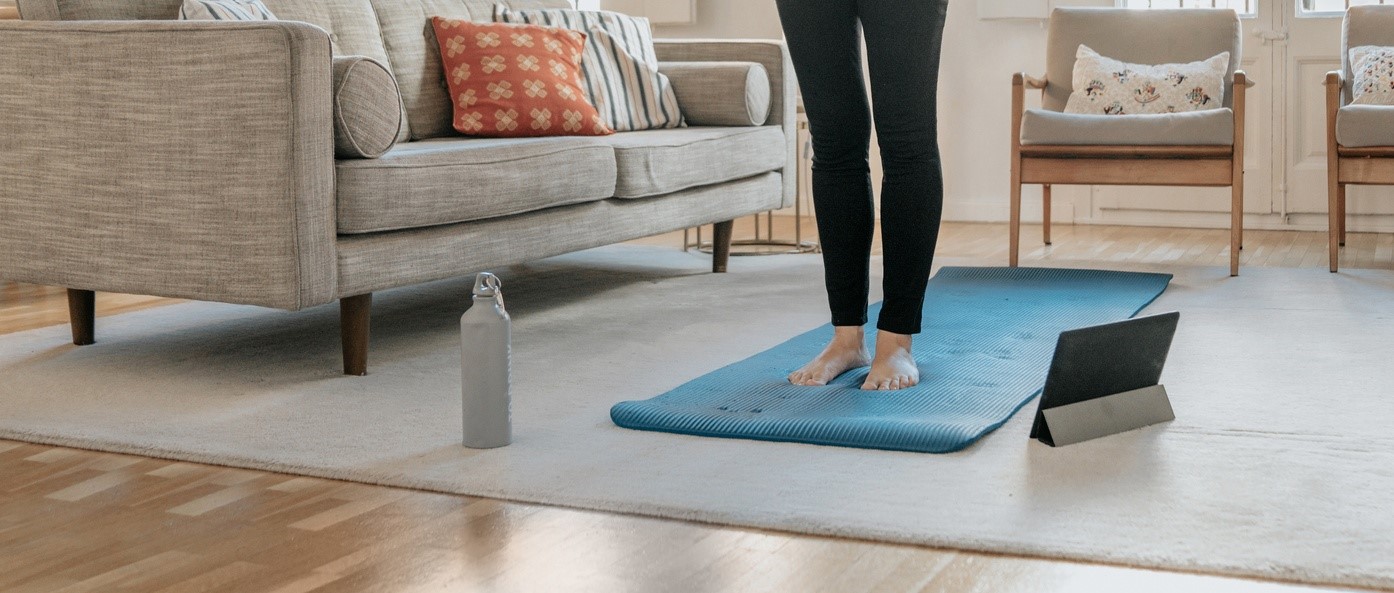
A consultation typically involves the patient and therapist connecting via video link, with the physio demonstrating movements and exercises and then watching the patient repeat them, so they can see whether they're performing them as they should or need correction or adaptation, as well as giving advice and education.
One distinct advantage of this remote approach over traditional face-to-face appointments is that the therapist can witness the patient in their own environment, and see the challenges they face in everyday life first-hand.
There are risks, too - a patient could misinterpret what the therapist is showing them if they're not in the same room, for example - but as McComiskie points out, that risk is present during traditional in-person appointments, too.
"Physios spend quite a bit of time checking back in with a patient after they've given them some exercises to do, to make sure they're doing the right thing and keeping the right form, or to progress or regress the exercise as their symptoms are reacting," he says. "Even in those groups where you might think remote physiotherapy is a lesser option, it has proven to be as good, if not even better, than the traditional offering."
One size doesn't fit all
Of course, there are some people for whom remote physiotherapy isn't an option, like those with particularly complex health needs, or language or communication difficulties. Currently, with the UK still in lockdown, many of these patients are simply having to wait to see a physiotherapist until in-person appointments resume.
"There is a relatively small number of patients who fit the criteria to continue with face-to-face physiotherapy during lockdown," says McComiskie, who adds that the therapist will always carry out thorough infection control procedures to make the appointment as safe as possible. This includes wearing appropriate PPE, employing social distancing measures where possible, and cleaning the environment.
"We should still be seeing patients in person whose care would be escalated to other parts of the healthcare system if we didn't - for example, cases that would result in a GP appointment, an A&E attendance, or a hospital admission," McComiskie comments.
Additionally, physiotherapists will see some patients who are being discharged from hospital, those with acute symptoms that might signal a serious problem, such as a spinal cord injury, and existing patients whose function or rehabilitation is likely to decline without a face-to-face appointment.
Robot physiotherapists of the future?
Remote healthcare isn't a completely new phenomenon: clinicians - including physiotherapists - have been using telephone triage for decades. But since then, uptake of advancements in remote offerings have been slow, especially across the NHS.
Everything changed at a furious pace earlier this year, when the COVID-19 outbreak forced providers in all settings to embrace alternatives to face-to-face routine healthcare appointments.
"We've seen significantly more remote physiotherapy in the last eight weeks than we've seen in the previous eight years," McComiskie says. "The scale and speed of implementation in the last few months is something we've never seen before."
In a post-lockdown world, it's likely that remote physiotherapy will remain and increasingly more patients will use digital platforms powered by artificial intelligence and chatbots. "We hope that now clinicians and patients have seen the possibilities, it becomes more the 'new normal' in terms of how healthcare is delivered in the UK," he concludes. "But it is not and will not be a replacement for a physiotherapist."
اختيارات المرضى لـ العلاج الطبيعي
العلاج والأدوية
كيف يمكن للعلاج الطبيعي أن يساعد الأشخاص الذين يعانون من أمراض الرئة
يمكن أن تؤثر حالات الرئة على كل جزء من حياة الشخص ورفاهيته، بدءًا من الحركة إلى التواصل الاجتماعي. بالنسبة للأشخاص المتأثرين، يوصي الخبراء بالعلاج الطبيعي الرئوي للمساعدة في إدارة وتحسين الحالة. فكيف يعمل بالضبط، وكيف يمكن أن يفيدك؟
بواسطة ألي أندرسون
العلاج والأدوية
كيفية الاستفادة القصوى من العلاج الطبيعي عبر الفيديو
You need to see a physiotherapist, either for a new injury or an ongoing condition. But during the coronavirus pandemic, an in-person appointment might be off the cards. However, many physiotherapists are now offering online appointments via video.
بقلم جيليان هارفي
عن المؤلفعرض السيرة الذاتية الكاملة

ألي أندرسون
صحفي مستقل
NCTJ
آلي أندرسون صحفية مؤهلة من NCTJ ولديها سنوات عديدة من الخبرة في الكتابة والتحرير لمجموعة متنوعة من الناشرين.
حول المراجععرض السيرة الذاتية الكاملة

الدكتورة سارة جارفيس
استشاري سريري
MA (Cantab), BM, BCh (Oxon), DRCOG, FRCGP, MBE
بعد التدريب في الطب في كامبريدج وأكسفورد، أصبحت الدكتورة سارة جارفيس حاصلة على وسام الإمبراطورية البريطانية طبيبة عامة.
تاريخ المقال
تمت مراجعة المعلومات الموجودة في هذه الصفحة من قبل أطباء مؤهلين.
المقال متاح أيضًا باللغة الإنجليزية, الألمانية, إسبانية, الفرنسية, إيطالي, البرتغالية, الهندية, العبرية, العربية ,، و السويدية.
25 Jun 2020 | أحدث إصدار

اسأل، شارك، تواصل.
تصفح المناقشات، اطرح الأسئلة، وشارك التجارب عبر مئات المواضيع الصحية.

هل تشعر بتوعك؟
قم بتقييم أعراضك عبر الإنترنت مجانًا
اشترك في النشرة الإخبارية للمرضى
جرعتك الأسبوعية من النصائح الصحية الواضحة والموثوقة - مكتوبة لمساعدتك على الشعور بالاطلاع والثقة والتحكم.
من خلال الاشتراك، فإنك تقبل سياسة الخصوصية. يمكنك إلغاء الاشتراك في أي وقت. نحن لا نبيع بياناتك أبدًا.
المزيد في العلاج والدواء
- 15 سؤالاً يجب طرحها قبل إجراء الجراحة
- هل يمكن لمضادات الاكتئاب أن تسبب أحلامًا حية؟
- هل يمكن للعلاج بالتنويم المغناطيسي أن يساعد في علاج الأرق؟
- هل تحتاج إلى العلاج الطبيعي بعد استبدال المفصل؟
- محدثهل تعمل الأدوية العشبية حقًا؟
- لا تقلق: 5 فوائد صحية للساونا تحت المجهر
- محدثكيفية التحضير للجراحة: قائمة التحقق قبل العملية
- كيفية منع فقدان العضلات على مونجارو
- هل يعتبر الحصول على تدليك بديلاً للعلاج الطبيعي؟
- التأكد من أن دوائك آمن في المنزل
- حقن مونجارو لفقدان الوزن: الأسئلة الشائعة
- الصيدلية أولاً - الاستفادة القصوى من صيدليتك
- تأثير "سترينجر ثينغز": لماذا تبني الحنين روابط وتحسن مزاجنا
- الأسئلة الشائعة حول ويجوفي: إجابات على الأسئلة الشائعة حول فقدان الوزن
- ما هي العوامل التي تسبب مقاومة المضادات الحيوية؟
- ما هو الدعم النظير وكيف يمكن أن يساعدك؟
- أين تحصل على الدواء في حالة الطوارئ
- من المؤهل للحصول على حقن إنقاص الوزن؟