Focal dermal hypoplasia
آخر تحديث 18 Aug 2020
يتوافق مع الإرشادات التحريرية
- تنزيلتنزيل
- مشاركة
- Language
- نقاش
- نسخة صوتية
- أضف إلى المصادر المفضلة على جوجل
Focal dermal hypoplasia is a genetic disorder that primarily affects the skin, skeleton, eyes, and face. About 90 percent of affected individuals are female. Males usually have milder signs and symptoms than females. Although intelligence is typically unaffected, some individuals have intellectual disability.
الوصف
Focal dermal hypoplasia is a genetic disorder that primarily affects the skin, skeleton, eyes, and face. About 90 percent of affected individuals are female. Males usually have milder signs and symptoms than females. Although intelligence is typically unaffected, some individuals have intellectual disability.
People with focal dermal hypoplasia have skin abnormalities present from birth, such as streaks of very thin skin (dermal hypoplasia), yellowish-pink nodules of fat under the skin, areas where the top layers of skin are absent (cutis aplasia), small clusters of veins on the surface of the skin (telangiectases), and streaks of slightly darker or lighter skin. These skin changes may cause pain, itching, irritation, or lead to skin infections. Wart-like growths called papillomas are usually not present at birth but develop with age. Papillomas typically form around the nostrils, lips, anus, and female genitalia. They may also be present in the throat, specifically in the esophagus or larynx, and can cause problems with swallowing, breathing, or sleeping. Papillomas can usually be surgically removed if necessary. Affected individuals may have small, ridged fingernails and toenails. Hair on the scalp can be sparse and brittle or absent.
Many individuals with focal dermal hypoplasia have hand and foot abnormalities, including missing fingers or toes (oligodactyly), webbed or fused fingers or toes (syndactyly), and a deep split in the hands or feet with missing fingers or toes and fusion of the remaining digits (ectrodactyly). X-rays can show streaks of altered bone density, called osteopathia striata, that do not cause any symptoms in people with focal dermal hypoplasia.
Eye abnormalities are common in individuals with focal dermal hypoplasia, including small eyes (microphthalmia), absent or severely underdeveloped eyes (anophthalmia), and problems with the tear ducts. Affected individuals may also have incomplete development of the light-sensitive tissue at the back of the eye (retina) or the nerve that relays visual information from the eye to the brain (optic nerve). This abnormal development of the retina and optic nerve can result in a gap or split in these structures, which is called a coloboma. Some of these eye abnormalities do not impair vision, while others can lead to low vision or blindness.
People with focal dermal hypoplasia may have distinctive facial features. Affected individuals often have a pointed chin, small ears, notched nostrils, and a slight difference in the size and shape of the right and left sides of the face (facial asymmetry). These facial characteristics are typically very subtle. An opening in the lip (cleft lip) with or without an opening in the roof of the mouth (cleft palate) may also be present.
About half of individuals with focal dermal hypoplasia have abnormalities of their teeth, especially the hard, white material that forms the protective outer layer of each tooth (enamel). Less commonly, abnormalities of the kidneys and gastrointestinal system are present. The kidneys may be fused together, which predisposes affected individuals to kidney infections but does not typically cause significant health problems. The main gastrointestinal abnormality that occurs in people with focal dermal hypoplasia is an omphalocele, which is an opening in the wall of the abdomen that allows the abdominal organs to protrude through the navel. The signs and symptoms of focal dermal hypoplasia vary widely, although almost all affected individuals have skin abnormalities.
Inheritance patterns
The source lists the following possible inheritance patterns: X-linked dominant. More than one pattern can apply in different cases.
Related genes
Other names
Goltz syndrome
Goltz-Gorlin syndrome
Related patient information and medicines

Patient information leaflet
متلازمة الكلوية
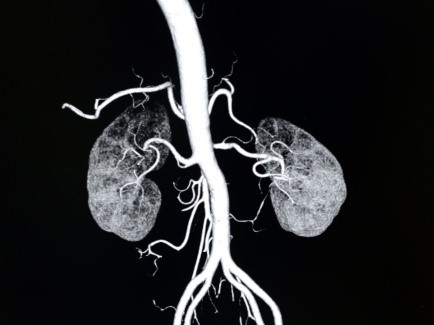
The main symptom is fluid retention (oedema) which is. Various diseases can cause nephrotic syndrome, some more serious than others. Treatment and outcome (prognosis) vary, depending on the cause. The most common cause in children, minimal change disease, usually responds very well to treatment. What is nephrotic syndrome. Nephrotic syndrome is.
Patient information leaflet
التهاب كبيبات الكلى
التهاب كبيبات الكلى is the name given to a range of conditions that can affect the kidney, specifically the glomeruli of the kidney. The glomeruli become damaged, commonly because of a problem with the body's immune system. Many people with glomerulonephritis may not notice any symptoms initially. However, salt and excess fluid can build up in the.

Patient information leaflet
خلل التوتر العضلي
A dystonia is a lasting or frequently recurring and unwanted (involuntary) muscle contraction. It can affect one or more muscles in the body. There is no cure; however, there are different types of treatment which can help. These vary with the type of dystonia that you have. What is dystonia. A dystonia is lasting unwanted (involuntary) muscle.

Patient information leaflet
فقدان الشهية العصبي
Their periods may even stop altogether or they may find that their periods. Some women with anorexia may be unable to have a baby (be infertile ). Chemical imbalances in the body These are caused either by repeated vomiting or by excess use of laxatives. For example, a low potassium level which may cause tiredness, weakness, abnormal heart rhythm.

Patient information leaflet
الصرع
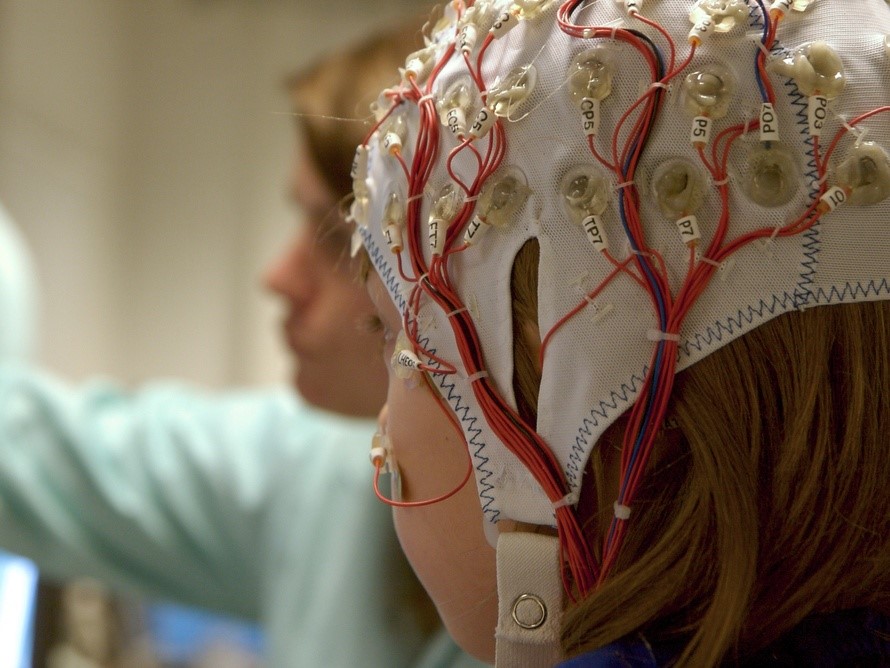
About 1 in 30 people in the UK develop epilepsy at some stage in their lives. It most commonly starts in childhood and in people aged over 60. However, epilepsy can begin at any age. In general, seizures are well controlled by treatment in about 4 in 5 cases. What is epilepsy. Epilepsy is a long-lasting brain condition that causes people to have.
Patient information leaflet
أنواع النوبات
A seizure is a condition caused by a sudden burst of electrical activity in the brain. There are different types of seizures. This leaflet gives some information about what your doctor may wish to know and what tests may be advised after such an event. What is a seizure. A seizure is a short episode of symptoms caused by a burst of abnormal.
قراءة إضافية ومراجع
- Focal dermal hypoplasia; MedlinePlus, National Library of Medicine.
- Clements SE, Mellerio JE, Holden ST, McCauley J, McGrath JA. PORCN gene mutations and the protean nature of focal dermal hypoplasia. Br J Dermatol. 2009 May;160(5):1103-9. doi: 10.1111/j.1365-2133.2009.09048.x. Epub 2009 Mar 9.
- Clements SE, Wessagowit V, Lai-Cheong JE, Arita K, McGrath JA. Focal dermal hypoplasia resulting from a new nonsense mutation, p.E300X, in the PORCN gene. J Dermatol Sci. 2008 Jan;49(1):39-42. doi: 10.1016/j.jdermsci.2007.09.004. Epub 2007 Oct 24.
- Grzeschik KH, Bornholdt D, Oeffner F, Konig A, del Carmen Boente M, Enders H, Fritz B, Hertl M, Grasshoff U, Hofling K, Oji V, Paradisi M, Schuchardt C, Szalai Z, Tadini G, Traupe H, Happle R. Deficiency of PORCN, a regulator of Wnt signaling, is associated with focal dermal hypoplasia. Nat Genet. 2007 Jul;39(7):833-5. doi: 10.1038/ng2052. Epub 2007 Jun 3.
- Hancock S, Pryde P, Fong C, Brazy JE, Stewart K, Favour A, Pauli RM. Probable identity of Goltz syndrome and Van Allen-Myhre syndrome: evidence from phenotypic evolution. Am J Med Genet. 2002 Jul 15;110(4):370-9. doi: 10.1002/ajmg.10456.
- Leoyklang P, Suphapeetiporn K, Wananukul S, Shotelersuk V. Three novel mutations in the PORCN gene underlying focal dermal hypoplasia. Clin Genet. 2008 Apr;73(4):373-9. doi: 10.1111/j.1399-0004.2008.00975.x. Epub 2008 Mar 3.
- Lombardi MP, Bulk S, Celli J, Lampe A, Gabbett MT, Ousager LB, van der Smagt JJ, Soller M, Stattin EL, Mannens MA, Smigiel R, Hennekam RC. Mutation update for the PORCN gene. Hum Mutat. 2011 Jul;32(7):723-8. doi: 10.1002/humu.21505. Epub 2011 Jun 21.
- Paller AS. Wnt signaling in focal dermal hypoplasia. Nat Genet. 2007 Jul;39(7):820-1. doi: 10.1038/ng0707-820. No abstract available.
- Proffitt KD, Virshup DM. Precise regulation of porcupine activity is required for physiological Wnt signaling. J Biol Chem. 2012 Oct 5;287(41):34167-78. doi: 10.1074/jbc.M112.381970. Epub 2012 Aug 10.
- Sutton VR. PORCN-Related Developmental Disorders. 2008 May 15 [updated 2023 Jun 15]. In: Adam MP, Bick S, Mirzaa GM, Wallace SE, Amemiya A, editors. GeneReviews(R) [Internet]. Seattle (WA): University of Washington, Seattle; 1993-2026. Available from http://www.ncbi.nlm.nih.gov/books/NBK1543/
- Wang X, Reid Sutton V, Omar Peraza-Llanes J, Yu Z, Rosetta R, Kou YC, Eble TN, Patel A, Thaller C, Fang P, Van den Veyver IB. Mutations in X-linked PORCN, a putative regulator of Wnt signaling, cause focal dermal hypoplasia. Nat Genet. 2007 Jul;39(7):836-8. doi: 10.1038/ng2057. Epub 2007 Jun 3.
تاريخ المقال
المقال متاح أيضًا باللغة الإنجليزية, الألمانية, إسبانية, الفرنسية, إيطالي, البرتغالية, الهندية, العبرية, العربية ,، و السويدية.
18 Aug 2020 | أحدث إصدار
1 May 2009 | نُشر في الأصل
انضم إلى المحادثة
شارك أفكارك أو تجاربك مع الآخرين في مجتمعات المرضى.

اسأل، شارك، تواصل.
تصفح المناقشات، اطرح الأسئلة، وشارك التجارب عبر مئات المواضيع الصحية.
اشترك في النشرة الإخبارية للمرضى
جرعتك الأسبوعية من النصائح الصحية الواضحة والموثوقة - مكتوبة لمساعدتك على الشعور بالاطلاع والثقة والتحكم.
من خلال الاشتراك، فإنك تقبل سياسة الخصوصية. يمكنك إلغاء الاشتراك في أي وقت. نحن لا نبيع بياناتك أبدًا.