SLC4A1-associated distal renal tubular acidosis
آخر تحديث 2 أكتوبر 2024
يتوافق مع الإرشادات التحريرية
- تنزيلتنزيل
- مشاركة
- Language
- نقاش
- Ask Patient
- نسخة صوتية
- أضف إلى المصادر المفضلة على جوجل
SLC4A1-associated distal renal tubular acidosis is a kidney (renal) disorder that sometimes includes blood cell abnormalities. The kidneys normally filter fluid and waste products from the body and remove them in urine; however, in people with distal renal tubular acidosis, the kidneys are unable to remove enough acid from the body, and the blood becomes too acidic. This chemical imbalance is called metabolic acidosis. The inability to remove acids from the body often results in slowed growth and may also lead to softening and weakening of the bones, called rickets in children and osteomalacia in adults. This bone disorder is characterised by bone pain, bowed legs, and difficulty walking. In addition, most children and adults with SLC4A1-associated distal renal tubular acidosis have excess calcium in the urine (hypercalciuria), calcium deposits in the kidneys (nephrocalcinosis), and kidney stones (nephrolithiasis). In rare cases, these kidney abnormalities lead to life-threatening kidney failure. Affected individuals may also have low levels of potassium in the blood (hypokalemia).
اختيارات الفيديو لـ الحالات الوراثيةمكتبة الفيديو
الوصف
SLC4A1-associated distal renal tubular acidosis is a kidney (renal) disorder that sometimes includes blood cell abnormalities. The kidneys normally filter fluid and waste products from the body and remove them in urine; however, in people with distal renal tubular acidosis, the kidneys are unable to remove enough acid from the body, and the blood becomes too acidic. This chemical imbalance is called metabolic acidosis. The inability to remove acids from the body often results in slowed growth and may also lead to softening and weakening of the bones, called rickets in children and osteomalacia in adults. This bone disorder is characterised by bone pain, bowed legs, and difficulty walking. In addition, most children and adults with SLC4A1-associated distal renal tubular acidosis have excess calcium in the urine (hypercalciuria), calcium deposits in the kidneys (nephrocalcinosis), and kidney stones (nephrolithiasis). In rare cases, these kidney abnormalities lead to life-threatening kidney failure. Affected individuals may also have low levels of potassium in the blood (hypokalemia).
Individuals with the features described above have complete distal renal tubular acidosis, which usually becomes apparent in childhood. Some people do not develop metabolic acidosis even though their kidneys have trouble removing acids; these individuals are said to have incomplete distal renal tubular acidosis. Additionally, these individuals may have other features of distal renal tubular acidosis, such as bone problems and kidney stones. Often, people who initially have incomplete distal renal tubular acidosis develop metabolic acidosis later in life.
Some people with SLC4A1-associated distal renal tubular acidosis also have blood cell abnormalities. These can vary in severity from no symptoms to a condition called hemolytic anaemia, in which red blood cells prematurely break down (undergo hemolysis), causing a shortage of red blood cells (anaemia). Hemolytic anaemia can lead to unusually pale skin (pallor), extreme tiredness (fatigue), shortness of breath (dyspnea), and an enlarged spleen (splenomegaly).
There are two forms of SLC4A1-associated distal renal tubular acidosis; they are distinguished by their inheritance pattern. The autosomal dominant form is more common and is usually less severe than the autosomal recessive form. The autosomal dominant form can be associated with incomplete or complete distal renal tubular acidosis and is rarely associated with blood cell abnormalities. The autosomal recessive form is always associated with complete distal renal tubular acidosis and is more commonly associated with blood cell abnormalities, although not everyone with this form has abnormal blood cells.
Inheritance patterns
The source lists the following possible inheritance patterns: Autosomal recessive; Autosomal dominant. More than one pattern can apply in different cases.
Related genes
Other names
Classic distal renal tubular acidosis
Renal tubular acidosis type I
RTA, classic type
Related patient information and medicines
Patient information leaflet
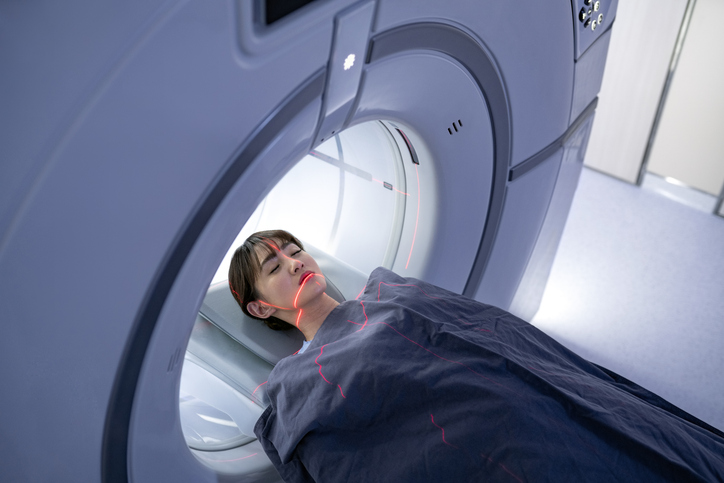
فحص الرنين المغناطيسي
فحص التصوير بالرنين المغناطيسي is a safe and painless test that can provide detailed pictures من organs and other structures inside your body. Note : the information below is a general guide only. The arrangements (and the way tests are performed) may vary between different hospitals. Always follow the instructions given by your doctor or local hospital. These are.

Patient information leaflet
هل يمكنني تناول الأسبرين والميتفورمين معًا؟
Important preca... Severe kidney disease You must not take metformin if your kidneys are not working properly. This can lead to a rare but life-threatening build-up of lactic acid in the blood (lactic acidosis). Our Medicines Interaction Checker helps you check whether your prescriptions, over-the-counter medicines, and supplements are safe to.

Patient information leaflet
هل يمكنني تناول أبيكسابان وميتفورمين معًا؟
Why this happens Apixaban is a blood thinner (anticoagulant) and metformin is a medicine for type 2 diabetes. Severe kidney disease or dehydration Metformin must be stopped if تعتقد have severe kidney problems or become severely dehydrated (e.g., through severe vomiting or diarrhoea), as this can lead to a life-threatening build-up of acid in the.
Patient information leaflet
غازات الدم الشرياني
These acids and alkali have to be carefully balanced wit... The body has a number of mechanisms to counteract changes in the acid-base balance. The most important of which are the lungs and kidneys. أن arterial blood gas (ABG) test is a quick and reliable blood test which can help medical professionals determine the diagnosis and treatment.

Patient information leaflet
خزعة الكلى
ت خزعة الكلى involves taking a small sample of tissue from the kidney. Cells from the kidney can then be looked at in detail. It is used to diagnose and monitor certain conditions. Note : the information below is a general guide only. The arrangements, and the way tests are performed, may vary between different hospitals. Always follow the.

Patient information leaflet
مثبطات الإنزيم المحول للأنجيوتنسين
مثبطات الإنزيم المحول للأنجيوتنسين are medicines that are used mainly in the treatment of high blood pressure (hypertension) and heart failure. This reduces the amount of force needed to eject blood ... Diabetic kidney disease Diabetic kidney disease (diabetic nephropathy) - these medicines can help to maintain good كلية function. Chronic kidney disease Chronic.
قراءة إضافية ومراجع
- SLC4A1-associated distal renal tubular acidosis; MedlinePlus, National Library of Medicine.
- Alper SL. Molecular physiology and genetics of Na+-independent SLC4 anion exchangers. J Exp Biol. 2009 Jun;212(Pt 11):1672-83. doi: 10.1242/jeb.029454.
- Batlle D, Haque SK. Genetic causes and mechanisms of distal renal tubular acidosis. Nephrol Dial Transplant. 2012 Oct;27(10):3691-704. doi: 10.1093/ndt/gfs442.
- Cordat E, Kittanakom S, Yenchitsomanus PT, Li J, Du K, Lukacs GL, Reithmeier RA. Dominant and recessive distal renal tubular acidosis mutations of kidney anion exchanger 1 induce distinct trafficking defects in MDCK cells. Traffic. 2006 Feb;7(2):117-28. doi: 10.1111/j.1600-0854.2005.00366.x.
- Khositseth S, Sirikanaerat A, Khoprasert S, Opastirakul S, Kingwatanakul P, Thongnoppakhun W, Yenchitsomanus PT. Hematological abnormalities in patients with distal renal tubular acidosis and hemoglobinopathies. Am J Hematol. 2008 Jun;83(6):465-71. doi: 10.1002/ajh.21151.
- Ungsupravate D, Sawasdee N, Khositseth S, Udomchaiprasertkul W, Khoprasert S, Li J, Reithmeier RA, Yenchitsomanus PT. Impaired trafficking and intracellular retention of mutant kidney anion exchanger 1 proteins (G701D and A858D) associated with distal renal tubular acidosis. Mol Membr Biol. 2010 Apr;27(2-3):92-103. doi: 10.3109/09687681003588020.
- Yenchitsomanus PT, Kittanakom S, Rungroj N, Cordat E, Reithmeier RA. Molecular mechanisms of autosomal dominant and recessive distal renal tubular acidosis caused by SLC4A1 (AE1) mutations. J Mol Genet Med. 2005 Nov 16;1(2):49-62. doi: 10.4172/1747-0862.1000013.
تاريخ المقال
المقال متاح أيضًا باللغة الإنجليزية, الألمانية, إسبانية, الفرنسية, إيطالي, البرتغالية, الهندية, العبرية, العربية ,، و السويدية.
2 أكتوبر 2024 | أحدث إصدار
1 Aug 2014 | نُشر في الأصل
شارك أفكارك أو تجاربك مع الآخرين في مجتمعات المرضى.
وصول بسيط إلى العلاجات والخدمات الصحية الموثوقة عبر الإنترنت.
Common conditions
Get help with common conditions through the NHS, without a GP appointment.
 التهاب الجيوب الأنفية الحاد
 التهاب اللوزتين البكتيري
 القوباء
 لدغات الحشرات
 الحزام الناريعدوى المسالك البولية
اشترك في النشرة الإخبارية للمرضى
جرعتك الأسبوعية من النصائح الصحية الواضحة والموثوقة - مكتوبة لمساعدتك على الشعور بالاطلاع والثقة والتحكم.
من خلال الاشتراك، فإنك تقبل سياسة الخصوصية. يمكنك إلغاء الاشتراك في أي وقت. نحن لا نبيع بياناتك أبدًا.