نقص اليود
مراجعة من قبل الدكتورة فيليبا فينسنت، MRCGPآخر تحديث بواسطة الدكتورة روزالين أدلمان، MRCGPآخر تحديث 16 أكتوبر 2024
يتوافق مع الإرشادات التحريرية
- تنزيلتنزيل
- مشاركة
- Language
- نقاش
- نسخة صوتية
- أضف إلى المصادر المفضلة على جوجل
Iodine is essential for the body to make thyroid hormone. Low levels of iodine may cause an underactive thyroid gland and symptoms of hypothyroidism (eg, tiredness, constipation and weight gain). Iodine deficiency in pregnant women may cause problems for the baby, including learning disability.
There has been a worldwide campaign to prevent iodine deficiency by using salt containing added iodine. However, iodine deficiency is still a widespread problem in many countries. Mild iodine deficiency may still affect some people in the UK.
نظرة سريعة
Iodine deficiency means your body cannot make enough thyroid hormone.
Foods like dairy, seafood, meat, some breads, and eggs contain iodine.
Symptoms can include tiredness, weight gain, constipation, dry skin, and feeling cold.
Severe deficiency in pregnancy can harm the baby, causing learning difficulties and growth problems.
Iodine deficiency is diagnosed by a urine test or a blood test for thyroid function.
You can treat iodine deficiency with iodine supplements, but too much can be harmful.
Using iodised salt or having injections of iodine can help prevent deficiency.
What is iodine deficiency?
Iodine is needed to make thyroid hormone. The body does not make iodine so your body needs foods that contain iodine. If you do not have enough iodine in your body then you cannot make enough thyroid hormone.
Which foods contain iodine?
Iodine is present in soil and seawater. If the soil has a low level of iodine then the food crops grown in that soil will also have a low iodine level. The low iodine levels in the soil will also reduce the iodine levels in farm animals grazing in that area. Foods which tend to have a higher amount of iodine include dairy products, seafood, meat, some breads and eggs.
How common is iodine deficiency?
Underactive thyroid gland due to iodine deficiency from birth (congenital hypothyroidism) is the most common preventable cause of severe learning disability in the world. There has been a worldwide use of salt with added iodine (iodized salt) since the 1990s.
Since then the number of countries in the world with iodine deficiency has fallen. However, there are still some countries, particularly in Africa and Asia, with widespread iodine deficiency. Mild iodine deficiency may still occur in some people in the UK.
Because there are still some countries with widespread iodine deficiency, the World Health Organization is continuing a campaign to end iodine deficiency throughout the world.
What are the symptoms of iodine deficiency?
Iodine deficiency can lead to swelling of the thyroid gland (goitre) and to an قصور الغدة الدرقية (خمول الغدة الدرقية). In hypothyroidism, there is a reduced level of thyroid hormone (thyroxine) in the body. This can cause various symptoms, the most common being tiredness, weight gain, constipation, aches, dry skin and feeling cold.
Iodine deficiency in women who are pregnant or breast-feeding can be very harmful for the baby. Severe iodine deficiency in the mother may cause miscarriage, stillbirth and premature delivery and may cause the baby to have abnormalities when they are born (congenital abnormalities).
Children of mothers with severe iodine deficiency during pregnancy may have learning difficulties and problems with growth, hearing and speech. Even mild iodine deficiency during pregnancy may be associated with lower intelligence in children.
What tests are needed to diagnose iodine deficiency?
Iodine deficiency can be diagnosed by measuring the amount of iodine in a urine sample. However, this is usually used to monitor iodine levels in whole communities rather than for individual people. A blood test for thyroid function will also be needed for anyone who is thought to have iodine deficiency.
When to see a doctor about iodine deficiency?
If you are concerned about iodine deficiency you should discuss this with your doctor. This is particularly important if you live in a part of the world known to have low iodine levels and you are planning to become pregnant.
What is the treatment for iodine deficiency?
The treatment for iodine deficiency is to take iodine supplements. However, taking too much iodine can cause the thyroid gland to become overactive (hyperthyroidism).
People who move from a country with low iodine levels to a country with adequate iodine levels may also develop thyroid problems. Their thyroid glands will have become very good at taking up and using small amounts of iodine. Moving to an area with higher iodine levels may then cause increased thyroid activity and may even cause an overactive thyroid (iodine-induced hyperthyroidism).
How can iodine deficiency be prevented?
Elimination of iodine deficiency has been a major goal of the World Health Organization. Salt with added iodine (Iodized salt) is usually used. Injections containing iodine are occasionally used in regions of the world where widespread use of iodized salt is not possible. Adding iodine to the water supply has also been effective in some regions.
اختيارات المرضى لـ Thyroid condtions
الهرمونات
قصور الغدة الدرقية
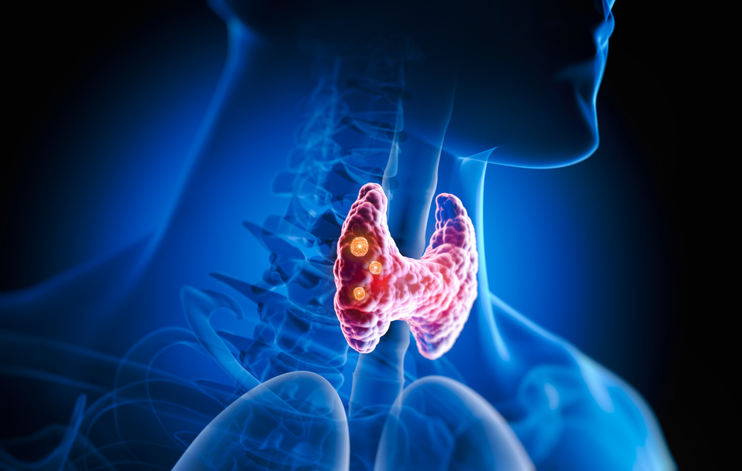
If you have an underactive thyroid gland, the condition is called hypothyroidism. In hypothyroidism, there is a reduced level of thyroid hormone in the body. This can cause various symptoms, the most common being tiredness, weight gain, constipation, aches, dry skin, lifeless hair and feeling cold. Treatment usually involves taking a daily tablet of thyroid hormone to replace the missing thyroxine. Treatment works very well for most people with hypothyroidism but is required for life.
بقلم الدكتور كولين تايدي، MRCGP
الهرمونات
مرض العين الدرقي
Thyroid eye disease causes the muscles and soft tissues within the eye socket to swell. This pushes the eyeball forward and causes various eye symptoms, including bulging eyes. Treatment involves steps to protect the eye as the disease runs its course. This may involve use of eye drops to provide artificial lubricating tears, medicines and, in some cases, surgery. Thyroid eye disease is usually associated with an abnormality of thyroid gland function. This also needs to be treated.
بقلم الدكتور كولين تايدي، MRCGP
الأسئلة الشائعة
Can I get enough iodine from my diet if I live in the UK?
While the worldwide use of iodized salt has reduced iodine deficiency, mild iodine deficiency can still occur in some people in the UK. Foods like dairy products, seafood, meat, some breads, and eggs tend to have higher amounts of iodine.
What are the long-term effects of undetected iodine deficiency in children?
Iodine deficiency from birth can be the most common preventable cause of severe learning disability worldwide. If mothers have severe iodine deficiency during pregnancy, their children may experience learning difficulties and problems with growth, hearing, and speech. Even mild deficiency during pregnancy may be linked to lower intelligence in children.
Is there a risk of getting too much iodine?
Yes, taking too much iodine can cause the thyroid gland to become overactive, a condition known as hyperthyroidism. This can also happen to people who move from an area with low iodine levels to an area with higher iodine levels, as their thyroids may overreact to the increased availability of iodine.
Should I be concerned about iodine deficiency if I'm planning a pregnancy?
It is particularly important to discuss iodine deficiency with your doctor if you live in a part of the world known to have low iodine levels and you are planning to become pregnant. Iodine deficiency in pregnant or breast-feeding women can be very harmful to the baby, potentially causing miscarriage, stillbirth, premature delivery, and congenital abnormalities.
قراءة إضافية ومراجع
- Kapil U; Health consequences of iodine deficiency. Sultan Qaboos Univ Med J. 2007 Dec;7(3):267-72.
- Chung HR; Iodine and thyroid function. Ann Pediatr Endocrinol Metab. 2014 Mar;19(1):8-12. doi: 10.6065/apem.2014.19.1.8. Epub 2014 Mar 31.
- Iodine deficiency disorders; منظمة الصحة العالمية
- Eastman CJ, Zimmermann M; The Iodine Deficiency Disorders
- Dineva M, Fishpool H, Rayman MP, et al; Systematic review and meta-analysis of the effects of iodine supplementation on thyroid function and child neurodevelopment in mildly-to-moderately iodine-deficient pregnant women. Am J Clin Nutr. 2020 Aug 1;112(2):389-412. doi: 10.1093/ajcn/nqaa071.
عن المؤلفعرض السيرة الذاتية الكاملة

الدكتورة روزالين أدلمان، MRCGP
MRCGP
الدكتورة روزالين أدلمان، طبيبة عامة في هيئة الخدمات الصحية الوطنية تعمل في شمال لندن.
حول المراجععرض السيرة الذاتية الكاملة

الدكتورة فيليبا فينسنت، MRCGP
طبيب عام، مؤلف طبي
MB BS, Bsc, MRCGP (2000), DCH, DFSRH, DRCOG
الدكتورة فيليبا فينسنت هو طبيب عام في هيئة الخدمات الصحية الوطنية يعمل في شمال لندن.
تاريخ المقال
تمت كتابة المعلومات على هذه الصفحة ومراجعتها من قبل أطباء مؤهلين.
المقال متاح أيضًا باللغة الإنجليزية, الألمانية, إسبانية, الفرنسية, إيطالي, البرتغالية, الهندية, العبرية, العربية ,، و السويدية.
المراجعة التالية مستحقة: 15 أكتوبر 2027
16 أكتوبر 2024 | أحدث إصدار

اسأل، شارك، تواصل.
تصفح المناقشات، اطرح الأسئلة، وشارك التجارب عبر مئات المواضيع الصحية.

هل تشعر بتوعك؟
قم بتقييم أعراضك عبر الإنترنت مجانًا
اشترك في النشرة الإخبارية للمرضى
جرعتك الأسبوعية من النصائح الصحية الواضحة والموثوقة - مكتوبة لمساعدتك على الشعور بالاطلاع والثقة والتحكم.
من خلال الاشتراك، فإنك تقبل سياسة الخصوصية. يمكنك إلغاء الاشتراك في أي وقت. نحن لا نبيع بياناتك أبدًا.
المزيد عن الهرمونات
- دورة انقطاع الطمث لمدة 10 أسابيع
- ضخامة الأطراف
- التهاب البنكرياس الحاد
- مرض أديسون
- إجهاد الغدة الكظرية
- بدائل العلاج الهرموني لأعراض انقطاع الطمث
- التهاب البنكرياس المزمن
- تضخم الغدة الكظرية الخلقي
- تضخم الغدة الدرقية
- فرط نشاط الغدة الجار درقية
- قصور الغدة الجار درقية
- سن اليأس
- سن اليأس - ما تحتاج إلى معرفته
- كيس المبيض
- فرط نشاط الغدة الدرقية
- اضطرابات الغدة النخامية
- قصور المبيض المبكر
- اختبار سينكتين
- مشاكل الغدة الدرقية والغدة الجار درقية
- قصور الغدة الدرقية