اختبارات وظائف الغدة الدرقية
مراجعة من قبل الدكتورة هايلي ويلاسي، زميلة الكلية الملكية للأطباء العامين آخر تحديث بواسطة الدكتورة توني هازيل، زميلة الكلية الملكية للأطباء العامينآخر تحديث ١٥ سبتمبر ٢٠٢٣
يتوافق مع الإرشادات التحريرية
- تنزيلتنزيل
- مشاركة
- Language
- نقاش
- نسخة صوتية
- أضف إلى المصادر المفضلة على جوجل
في هذه السلسلة:فرط نشاط الغدة الدرقيةتضخم الغدة الدرقيةمرض العين الدرقيفحوصات الغدة الدرقية واختبارات الامتصاصالأدوية المضادة للغدة الدرقية
Thyroid function tests are blood tests which help to check the function of your thyroid gland. They are mainly used to detect an underactive thyroid gland (hypothyroidism) and an overactive thyroid gland (hyperthyroidism).
Lots of basic information about the thyroid gland can be found in the separate leaflet called Thyroid Problems (also including Parathyroid Glands). This leaflet will only deal with the blood test that measures how your thyroid is working, not the specific diseases, such as Graves' disease, that affect the thyroid.
ملاحظة: the information below is a general guide only. The arrangements, and the way tests are performed, may vary between different hospitals. Someone can have their thyroid function test in one hospital and it could give slightly different results to having it measured in another hospital. It is important to interpret the results of your thyroid function test with the doctor who requested them - so if the test was requested by your GP, they will give you the result. If it was requested by a hospital consultant, you need to get the result from them and your GP will not have it.
نظرة سريعة
A thyroid function test is a blood test that measures hormones from your thyroid and pituitary glands.
It is mainly used to diagnose underactive or overactive thyroid glands.
You do not need to fast before the test.
Tell your doctor if you are taking any medication or are pregnant.
Test results usually take 1-3 days to come back.
What is a thyroid function test?
A thyroid function test is a blood test measuring the levels of the hormones made by your thyroid gland. The test also checks the level of a hormone made by the pituitary gland in your brain, which acts on your thyroid gland.
The two hormones, thyroxine (T4) and thyroid-stimulating hormone (TSH), work together and are usually in balance. In a healthy person the brain produces just the right amount of TSH to keep the thyroid gland ticking over. The thyroid gland then produces just the right amount of thyroxine.
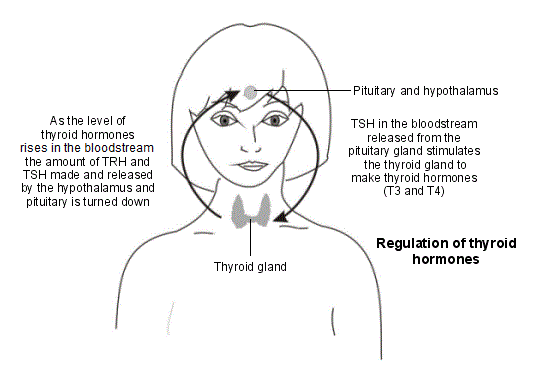
This is called a feedback loop: if the thyroid gland makes too much thyroxine it will feed back to the brain to make less TSH. This diagram shows the feedback loop between the thyroid gland in your neck and the pituitary gland in the brain:
Regulation of thyroid hormones
What are thyroid function tests used for?
Thyroid function tests are usually done to find out whether the thyroid gland is working properly. This is mainly to diagnose قصور الغدة الدرقية (خمول الغدة الدرقية) و فرط نشاط الغدة الدرقية (فرط الدرقية).
People with some conditions have an increased risk of autoimmune thyroid problems and so are often advised to have thyroid function tests undertaken each year. This conditions include:
Certain medicines can also affect the function of your thyroid - for example, amiodarone و lithium.
Thyroid function tests can also be done to:
Monitor treatment with thyroid replacement medicine for people who have hypothyroidism.
Check thyroid gland function in people who are being treated for hyperthyroidism.
Screen newborn babies for inherited problems with the thyroid gland.
برعاية
At home thyroid blood test
Understand your thyroid function with a simple blood test at Randox Health. Weight fluctuation, trouble sleeping and sensitivity to heat or cold can all be indicative of a thyroid disorder. They test for 5 key markers to give you a comprehensive overview of your thyroid health.

What happens during a thyroid function test?
A thyroid function test is a simple blood test. The blood sample is then sent to the laboratory for analysis and the results are sent back to the doctor who asked for the tests. The results usually take 1-3 days to come back.
What should I do to prepare for a thyroid function test?
Thyroid function tests usually require very little preparation. Things to consider:
You don't need to fast before the blood test. And it doesn't matter if you have taken your thyroid medicine just before the blood test.
Tell your doctor if you are taking any medication, as some medicines can alter the test results and how they are interpreted.
It is also important to mention if you have had any X-ray tests that have used a special contrast dye, either injected or if you have been asked to swallow a small amount of dye, as this may contain iodine which can affect the results.
Levels of thyroid chemicals (hormones) also change in pregnancy, so tell your doctor if you are pregnant when the test is taken.
ملاحظة: all newborn children have their thyroid function tested as part of the heel prick test which is offered to all babies and undertaken when they are 5 days old. See the separate leaflet called Newborn Baby Screening Tests for more information.
Thyroid function test results explained
The thyroid usually changes slowly. It hardly ever changes quickly to being overactive or underactive: it usually takes a few weeks at least, or even a few months. If you have a thyroid function test that shows something is wrong, it's usually worth repeating it in 6-8 weeks. That is because there's always the chance that your thyroid gland could have gone back to normal by itself.
The second thing to bear in mind about thyroid function tests is that medications, and even herbal remedies or vitamin supplements, can affect the accuracy of thyroid results.
For these two reasons it's always recommended to have a thyroid function test if it is recommended to you by a doctor, rather than having it done privately or without a doctor suggesting it.
Normal range
The following are approximate values for what is normal for TSH and thyroxine levels. These are a rough guide only and will vary from hospital to hospital.
Normal range for thyroid-stimulating hormone: 0.4-4.0 mU/L.
Normal range for thyroxine: 9-24 pmol/L.
So in general if your TSH is low and your thyroxine level is high, you may have an overactive thyroid gland.
Conversely if your TSH is high and your thyroxine level is low, you may have an underactive thyroid gland.
There are other options such as having a high TSH but a normal thyroxine and that can indicate something called subclinical hypothyroidism. If this is the case then a thyroid antibody test may also be requested, to help with the decision about whether or not treatment is indicated.
Be aware that there are other conditions that can cause abnormalities with the thyroid function tests (such as adrenal insufficiency) and so the pointers above are a guide only: you should discuss your thyroid function tests with your doctor before reaching any conclusions.
اختيارات المرضى لـ اختبارات الدم

الفحوصات والتحقيقات
اختبارات الأجسام المضادة والمستضدات
Antibodies are part of the body's defence (immune) system. Antigens are the particles that cause the body to create an antibody. Tests to detect antibodies and antigens help to identify certain infections and some other medical conditions.
بقلم الدكتورة توني هازيل، FRCGP

الفحوصات والتحقيقات
فصائل وأنواع الدم
ABO و rhesus هما نوعان من المستضدات الموجودة على سطح خلايا الدم الحمراء. هناك العديد من الأنواع الأخرى ولكن هذه هي الأهم.
بقلم الدكتورة روزالين أدلمان، MRCGP
الأسئلة الشائعة
How long does it take to get thyroid blood test results back?
The blood sample is sent to a laboratory for analysis, and the results are typically sent back to the requesting doctor within 1 to 3 days.
قراءة إضافية ومراجع
- مرض الغدة الدرقية: التقييم والإدارة; إرشادات NICE (نوفمبر 2019 - آخر تحديث أكتوبر 2023)
- قصور الغدة الدرقية; NICE CKS، مايو 2021 (الوصول متاح فقط في المملكة المتحدة)
- CKS Hyperthyroidism; NICE CKS, January 2021 (UK access only)
عن المؤلفعرض السيرة الذاتية الكاملة

Dr Toni Hazell, FRCGP
بكالوريوس الطب والجراحة، بكالوريوس العلوم، زميل الكلية الملكية للأطباء العامين، دبلوم في الصحة الجنسية والإنجابية، دبلوم في طب الجهاز البولي التناسلي، دبلوم الكلية الملكية لأطباء النساء والتوليد، دبلوم في صحة الطفل (لندن، المملكة المتحدة، 2000)
تخرجت الدكتورة توني هازيل من كلية الطب بمستشفى سانت ماري وأكملت تدريبها في مستشفى نورثويك بارك.
حول المراجععرض السيرة الذاتية الكاملة

الدكتورة هايلي ويلاسي، زميلة الكلية الملكية للأطباء العامين
طبيب عام، مؤلف طبي
MBChB (1992), DRCOG, DFFP, MRCOG (Part 1) MRCGP (2007), DFSRH (2013), MSc - medical education (2020)
كانت الدكتورة هايلي ويلاسي طبيبة عامة في هيئة الخدمات الصحية الوطنية تعمل في شمال غرب إنجلترا، وتقاعدت من الممارسة السريرية في عام 2022 بعد 30 عامًا.
تاريخ المقال
تمت كتابة المعلومات على هذه الصفحة ومراجعتها من قبل أطباء مؤهلين.
المقال متاح أيضًا باللغة الإنجليزية, الألمانية, إسبانية, الفرنسية, إيطالي, البرتغالية, الهندية, العبرية, العربية ,، و السويدية.
المراجعة التالية مستحقة: 13 سبتمبر 2028
١٥ سبتمبر ٢٠٢٣ | أحدث إصدار
آخر تحديث بواسطة
Dr Toni Hazell, FRCGPمراجعة من قبل
الدكتورة هايلي ويلاسي، زميلة الكلية الملكية للأطباء العامين

اسأل، شارك، تواصل.
تصفح المناقشات، اطرح الأسئلة، وشارك التجارب عبر مئات المواضيع الصحية.

هل تشعر بتوعك؟
قم بتقييم أعراضك عبر الإنترنت مجانًا
اشترك في النشرة الإخبارية للمرضى
جرعتك الأسبوعية من النصائح الصحية الواضحة والموثوقة - مكتوبة لمساعدتك على الشعور بالاطلاع والثقة والتحكم.
من خلال الاشتراك، فإنك تقبل سياسة الخصوصية. يمكنك إلغاء الاشتراك في أي وقت. نحن لا نبيع بياناتك أبدًا.