
كيفية السيطرة على آلام الظهر
مراجعة من قبل الدكتور كولين تايدي، MRCGPكتبه الدكتورة سارة جارفيسنُشر في الأصل 30 Jan 2020
يتوافق مع الإرشادات التحريرية
- تنزيلتنزيل
- مشاركة
- Language
- نقاش
- Ask Patient
- نسخة صوتية
- أضف إلى المصادر المفضلة على جوجل
Back pain is incredibly common. 4 in 5 people get it at some point, usually in the low back. It's usually nothing to worry about, starts to improve in days and is gone in a few weeks. But advice on managing acute back pain has changed in recent years and there are symptoms you need to look out for.
Until a decade or two ago, doctors were taught that the best treatment for آلام الظهر was bedrest. I've lost count of the number of patients I advised to lie flat on their back for a few days, not getting up for anything except bathroom trips.
But, as the economist John Maynard Keynes is often quoted as saying, "When the facts change, I change my mind. What do you do, sir?" The evidence is now clear that being too inactive can delay your recovery - the muscles supporting your spine get weaker quickly if you don't use them, and stiffness can quickly build up.. So if you have back pain today, your doctor will advise you to keep as active as possible.
Exercise for back pain
Many forms of exercise help prevent further back pain. Regular aerobic exercise (including brisk walking) strengthens the muscles that protect your spine and guards against future misery. Swimming can be especially good if you're in chronic pain.
Clearly that's difficult, especially at first when the pain is severe. So doctors recommend building up slowly - for the first couple of days, you might just be walking around inside the house. As your pain eases, you start venturing out, going further and doing more every day. Obviously we don't want you doing anything that makes your pain much worse, but a small amount of discomfort doesn't mean you're doing more damage.
'Red flag' symptoms
You should always seek urgent medical help if you have any 'red flags' - although there's rarely a serious problem, certain warning signs make it more likely. The features that are likely to go along with back pain depend on the cause:
متلازمة ذيل الفرس
New or rapidly worsening weakness in one or both legs or feet.
Numbness in your legs or around your bottom.
Losing sensation in relation to your bladder (including new incontinence or not being able to pass water).
New loss of bowel control.
Numbness in your 'saddle' area around your back passage.
Spinal fracture
A history of trauma (which may be minor, especially if you have هشاشة العظام or are taking steroid tablets).
Sudden severe central spinal pain relieved by lying down.
A 'step' in the spine or marked tenderness when you feel it.
Symptoms suggestive of possible cancer (especially if you're over 50 years old)
Pain that gradually gets worse, not better.
Severe pain that doesn't improve when you lie down, causes pain at night and may wake you from sleep, or gets worse when you strain (eg, when coughing, sneezing or opening your bowels).
Pain in your mid spine, behind your ribcage.
Pain that doesn't improve within 4-6 weeks.
Pain accompanied by losing weight for no obvious reason.
Having had cancer in the past.
Spinal infection
Fever and feeling unwell in yourself.
Having had TB or a recent urine infection.
Having diabetes.
Using intravenous drugs.
Having problems with your immune system, either because of conditions like blood cancer or HIV, or because of treatments that damp down your immune system.
Longer-term strategies for back pain
In the short term, you may well need painkillers, including non-steroidal anti-inflammatory medicines like الإيبوبروفين أو naproxen, or stronger كودين-based treatments. Anti-inflammatory gels or creams contain effective painkillers but have fewer side effects than tablets. But these treatments can have side effects in the longer term, so we're now focusing much more on a 'whole person' approach.
You may well be referred for physiotherapy - these healthcare professionals offer a range of treatments, including advising you on exercises that will strengthen all the relevant muscles safely. Done correctly and regularly, these exercises help relieve pain, strengthen your back and reduce problems in future.
Unfortunately, NHS waiting times for physiotherapy can be long - while you're waiting, you can watch our physiotherapist take you through a series of exercises and download the accompanying exercise sheet.
For longer-term pain, you may be referred to group treatments for help with a structured exercise programme. You may also be offered counselling to help you cope with long-term pain.
Learning to be 'back aware' is key to avoiding future injuries. This includes lifting properly (knees bent, back slightly flexed, always keeping what you're lifting directly in front of you) and getting the right position at your desk when you're working. Some people swear by Pilates or Alexander technique, which can also help posture.
Could your SI joint be the culprit?
One of the most common culprits where low back is concerned is your sacroiliac (SI) joint. That's the v-shaped joint connecting the bottom of your spine with the pelvic bones at the back. It's where the top half of your skeleton connects to the whole bottom half, so it's not surprising it comes under strain.
For most people, treatment for SI joint problems is the same as for other types of low back pain. Many people respond well within weeks. But in a minority, the problem is severe and long-lasting. Until recently, there's been little left to offer if non-surgical treatments haven't worked.
But NICE has now approved a new implant called iFuse for people who have proven severe SI joint pain not controlled with non-surgical measures. That means it's available on the NHS, although it takes extra training so isn't done that widely yet. It can be implanted using 'minimally invasive' surgery taking under an hour by an experienced surgeon. Because it stops the two sides of the joint moving, relief should be immediate, but bone also grows through the implant over the next few months.
مع الشكر لمجلة «ماي ويكلي» التي نُشر هذا المقال فيها لأول مرة.
اختيارات المرضى لـ ألم الظهر

العظام والمفاصل والعضلات
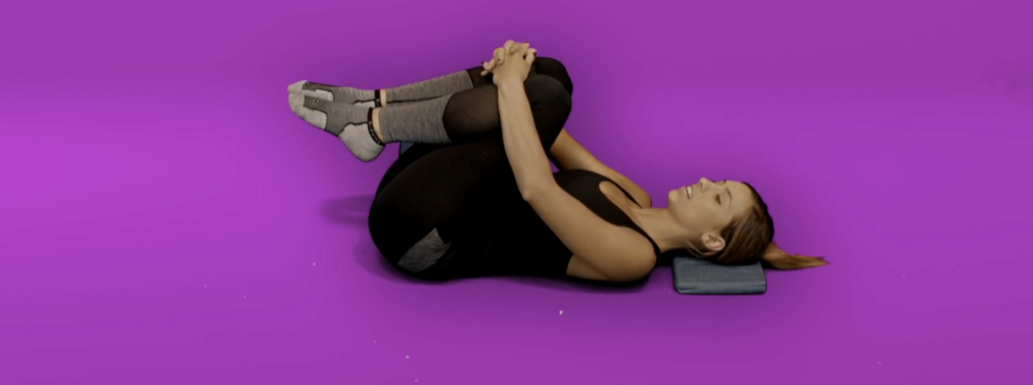
أفضل التمارين لآلام الظهر
Back pain affects nearly everyone at some point in their life. Whether it's due to a work-related injury or a fall, back pain - specifically in your lower back - causes more disability than any other condition according the World Health Organization (WHO). Yet despite how debilitating back pain can be, the good news is, there are ways to ease some of this pain and get you back to feeling like yourself again.
بقلم لين ستيفن
العظام والمفاصل والعضلات
فيديو: تمارين لآلام الظهر
Back pain is very common but in most cases is not caused by a serious problem. Most cases of back pain resolve on their own within two weeks, and full recovery is made within four to six weeks.
بواسطة ليلي صبري، MHPC
عن المؤلفعرض السيرة الذاتية الكاملة
كتبه

الدكتورة سارة جارفيس
استشاري سريري
MA (Cantab), BM, BCh (Oxon), DRCOG, FRCGP, MBE
بعد التدريب في الطب في كامبريدج وأكسفورد، أصبحت الدكتورة سارة جارفيس حاصلة على وسام الإمبراطورية البريطانية طبيبة عامة.
حول المراجععرض السيرة الذاتية الكاملة

الدكتور كولين تايدي، MRCGP
طبيب عام، مؤلف طبي
MBBS, MRCGP, MRCP (Paediatrics), DCH
الدكتور كولين تايدي هو طبيب في هيئة الخدمات الصحية الوطنية، ويعمل في أوكسفوردشاير.
تاريخ المقال
المقال متاح أيضًا باللغة الإنجليزية, الألمانية, إسبانية, الفرنسية, إيطالي, البرتغالية, الهندية, العبرية, العربية ,، و السويدية.
30 Jan 2020 | نُشر في الأصل
كتبه:
الدكتورة سارة جارفيسمراجعة من قبل
الدكتور كولين تايدي، MRCGP
شارك أفكارك أو تجاربك مع الآخرين في مجتمعات المرضى.
وصول بسيط إلى العلاجات والخدمات الصحية الموثوقة عبر الإنترنت.
Common conditions
Get help with common conditions through the NHS, without a GP appointment.
 التهاب الجيوب الأنفية الحاد
 التهاب اللوزتين البكتيري
 القوباء
 لدغات الحشرات
 الحزام الناريعدوى المسالك البولية
اشترك في النشرة الإخبارية للمرضى
جرعتك الأسبوعية من النصائح الصحية الواضحة والموثوقة - مكتوبة لمساعدتك على الشعور بالاطلاع والثقة والتحكم.
من خلال الاشتراك، فإنك تقبل سياسة الخصوصية. يمكنك إلغاء الاشتراك في أي وقت. نحن لا نبيع بياناتك أبدًا.