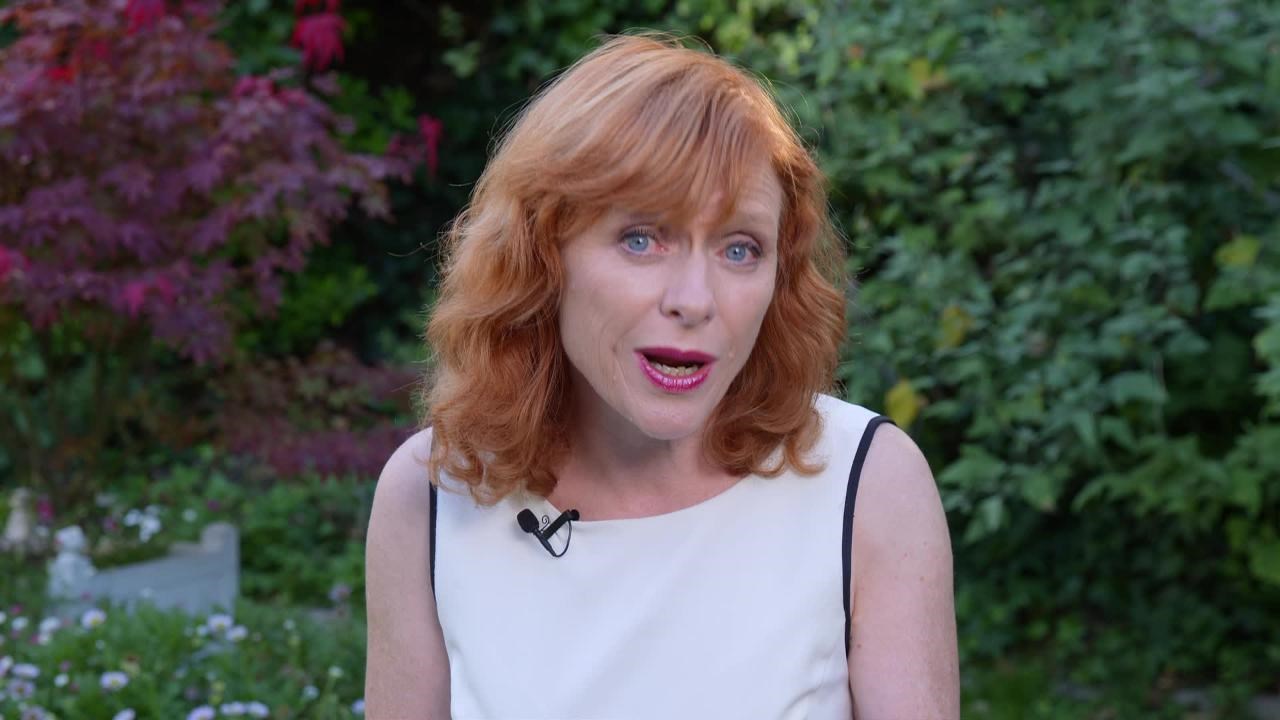
فيديو: ما الفرق بين السكري من النوع 1 والنوع 2؟
مراجعة من قبل الدكتورة هايلي ويلاسي، زميلة الكلية الملكية للأطباء العامين كتبه الدكتورة سارة جارفيسنُشر في الأصل 22 نوفمبر 2017
يتوافق مع الإرشادات التحريرية
- تنزيلتنزيل
- مشاركة
- Language
- نقاش
- Ask Patient
- نسخة صوتية
- أضف إلى المصادر المفضلة على جوجل
While they're both technically under the umbrella of diabetes, النوع 1 و النوع الثاني are very different conditions which require a distinct set of treatments. We've looked at some of the main questions people have around each.
اشترك في دورة السكري المجانية لمدة 10 أسابيع!
كل أسبوع، سنستكشف موضوعًا مختلفًا لمساعدتك على فهم وإدارة مرض السكري بشكل أفضل، بما في ذلك الحياة اليومية والأدوية، والصحة النفسية، وآخر التطورات في تكنولوجيا السكري، والتغذية.
من خلال الاشتراك، فإنك تقبل سياسة الخصوصية. يمكنك إلغاء الاشتراك في أي وقت. نحن لا نبيع بياناتك أبدًا.
قائمة التشغيل: Diabetes Q&A
13 فيديوهات
ما هو الفرق بين السكري من النوع 1 والنوع 2؟
الدكتورة سارة جارفيس
ما هو الفرق بين السكري من النوع 1 والنوع 2؟
Dr. سارة جارفيس

هل يمكنك عكس مرحلة ما قبل السكري؟
Dr. سارة جارفيس

How do you know if you have diabetes?
Dr. سارة جارفيس

How do you get tested for type 2 diabetes?
Dr. سارة جارفيس

Can you be thin and have diabetes?
Dr. سارة جارفيس

Can you drive if you have diabetes?
Dr. سارة جارفيس

What should you do if you have a hypo while driving?
Dr. سارة جارفيس

Can diabetes affect your sperm count?
Dr. سارة جارفيس

Who is most at risk from developing type 2 diabetes?
Dr. Partha Kar, FRCP

What should my blood sugar level be? | Patient
Dr. Partha Kar, FRCP

How does pregnancy affect diabetes?
Dr. Partha Kar, FRCP

Diabetes and your workplace.
Dr. سارة جارفيس

What is diabetes?
Dr. Partha Kar, FRCP
What's the difference between type 1 and type 2 diabetes?
Dr Sarah Jarvis, GP
There are several different kinds of diabetes, but two main ones. Type 1 diabetes is nothing to do with lifestyle. It's what's called an auto-immune disease.
We think that you inherit tendency to have type 1 diabetes and then a trigger in your environment (possibly a virus infection, and there may well be lots of them) triggers your body to start recognising the beta cells of the pancreas as an enemy and start attacking them so that they can no longer make insulin.
Type 2 diabetes on the other hand is largely to do with lifestyle. You can inherit a tendency to get type 2 diabetes, so you're more likely to get it if it runs in your family. People of Afro-Caribbean and particularly South Asian origin are at much higher risk of type 2 diabetes, particularly if they carry weight around their midriff, being so-called 'apples' rather than 'pears'.
But if you put on weight then you develop fat deep inside your tummy and that makes you more prone to insulin resistance. That means that your body doesn't respond to insulin in the way that it should.
Over time that puts strain on your pancreas which starts to falter - it can't produce enough الأنسولين, and that it what leads to type 2 diabetes.
هل يمكنك عكس مرحلة ما قبل السكري؟
Dr Sarah Jarvis, GP
ما قبل السكري is the term given when your blood sugar is higher than normal but it's not high enough to be diagnosed with diabetes. It only happens in type 2 diabetes. There's nothing you can do to prevent type 1 diabetes and there isn't a 'pre-type 1 diabetes' phase.
You absolutely can reverse it. Diabetes is all about insulin resistance and pre-diabetes tells us that your body is starting to become resistant to insulin. That means that your body is trying to produce more and more insulin to keep up with the demand of the body, but it's not quite managing.
By losing weight, by exercising regularly and by adopting a heart-healthy diet you can sometimes turn back the clock. You can certainly reduce the risk of going on to develop type 2 diabetes. A major study called the Diabetes Prevention Programme showed that with not a drug in sight, just with intensive lifestyle exercise and a little bit of weight loss people were able to reduce their chance of going on to develop type 2 diabetes by almost two-thirds.
There's also a lot of interest in so-called 'starvation diets', very low calorie diets which may reset your metabolism.
How do you know if you have diabetes?
Dr Sarah Jarvis, GP
The symptoms of type 1 diabetes often come on very dramatically and very quickly and you can become very ill with it. In fact, you may be unconscious by the time you're diagnosed.
However with type 2 diabetes the symptoms can often be very mild and very simple to misunderstand. You might think that it's just the stresses and strains of life. However the symptoms are the same, they're both caused by raised blood sugar - it's just that in type 1 they're more dramatic.
Those symptoms would include feeling very thirsty, needing to pass water much more often, losing weight, getting recurrent minor infections (such as boils) and possibly getting blurred vision.
How do you get tested for type 2 diabetes?
Dr Sarah Jarvis, GP
We used to need two blood tests a couple of hours apart. You'd have a fasting blood test when you hadn't eaten for at least eight hours, then you'd drink a set amount of a sugary drink and then we'd check your blood sugar two hours later.
These days however we tend to use something called HbA1c which is a single blood test which gives and average of what your blood sugar has been over the last three months. If you have one HbA1c that suggests you may have diabetes you'll need to have it repeated to confirm that you actually do have it.
However if you're pregnant you still need to have the old fashioned glucose tolerance test.
Can you be thin and have diabetes?
Dr Sarah Jarvis, GP
You absolutely can be thin and have diabetes, although it's mostly people with type 1 diabetes who are thin when they're diagnosed. Type 1 and type 2 are very different conditions - type 1 has nothing to do with your weight. In fact before you;'re diagnosed because you cannot process sugar you will often lose weight quite dramatically before you're diagnosed.
Type 2 diabetes is very different - it's almost all to do with insulin resistance and that's largely to do with not just weight but what we call abdominal fat - the fat deep inside your tummy.
As you put on weight your body become resistant to insulin that's produced by your pancreas. Your body will naturally start to produce more and more insulin , but sooner our later it just can't keep up and that means you can tip over into type 2 diabetes.
At that stage you may lose a little bit of weight, but actually with type 2 diabetes it's often the being overweight that's the cause.
Can you drive if you have diabetes?
Dr Sarah Jarvis, GP
Most people who have diabetes can drive group 1 vehicles (in other words, not heavy goods vehicles and so on) with no problem. However, if you're using insulin or certain tablets for type 2 diabetes such as sulfonylureas you need to be very aware (episodes of low blood sugar).
This can be really dangerous if you're driving because they can lead to poor concentration, blurred vision and even loss of consciousness.
So if you have insulin for treatment or if you're taking sulfonylureas you must check your blood sugar regularly, that's within two hours of driving and every two hours if you are driving. You also must be aware of the warning signs of so-called 'hypos'.
If you have any episodes of severe hypo, so you need someone else to help you and you're a group two driver, you need to inform the DVLA. And if you have more than one episode like that in a year and you drive any motor vehicle, you must also inform the DVLA.
What should you do if you have a hypo while driving?
Dr Sarah Jarvis, GP
A hypo is an episode of low blood sugar, and when you're driving that could be very bad news indeed. The early symptoms include feeling very hungry, feeling irritable, not being able to concentrate, feeling trembly all over and possibly blurred vision.
If it's not treated at that stage to bring you blood sugar up then it can cause even loss of consciousness or severe complications. There's a basic rule of thumb where blood sugar is concerned. It's 5, don't drive, 4 is the floor.
If your blood sugar is below 5 you shouldn't start driving. If your blood sugar is below 4 your should pull over as soon as it's safe to do so, turn the engine off and have 15-20g of fast-acting carbohydrate such as a sugary drink or glucose sweets.
Then don't drive again for at least 45 minutes after your blood sugar has returned to normal.
Can diabetes affect your sperm count?
Dr Sarah Jarvis, GP
Type 1 and type two diabetes are very different conditions and they can have different impacts on your sperm. People with type 2 diabetes tend to be very overweight and we know that can be linked with lower sperm counts. They're also more likely to have low testosterone, which can affect you libido and possibly have an impact on your sperm.
We think that diabetes can have an impact on the quality of your sperm, but not how motile they are - in other words, how fast they get to where they're supposed to be.
But of course there are other complications which relate to your sex life from both type 1 and type 2 diabetes. Microvascular complications - changes in tiny blood vessels and nerves can cause damage which result firstly in ضعف الانتصاب, and in delayed ejaculation.
اختيارات المرضى لـ داء السكري

السكري
هل يمكن للنوم الأفضل أن يساعد في علاج مرض السكري؟
Getting enough sleep is vital for your overall wellbeing - you need around 7 to 9 hours a night to support your mental and physical health. If you have diabetes, it's especially important to get enough sleep, as it can play a key role in managing your condition. In this article, we explore why sleep matters and how to incorporate healthy sleep habits into your daily routine.
بقلم فيكتوريا راو
السكري
شرح أدوية السكري الخاصة بك
إدارة مرض السكري لديك تتضمن عدة عوامل - بما في ذلك الأدوية. هنا نلقي نظرة على سبب وصف الأدوية التي تتناولها، وكيفية الاستفادة القصوى منها، وكيف تؤثر على حياتك اليومية - وكيف تؤثر حياتك اليومية عليها.
بقلم لورانس هيغينز
عن المؤلفعرض السيرة الذاتية الكاملة
كتبه

الدكتورة سارة جارفيس
استشاري سريري
MA (Cantab), BM, BCh (Oxon), DRCOG, FRCGP, MBE
بعد التدريب في الطب في كامبريدج وأكسفورد، أصبحت الدكتورة سارة جارفيس حاصلة على وسام الإمبراطورية البريطانية طبيبة عامة.
حول المراجععرض السيرة الذاتية الكاملة

الدكتورة هايلي ويلاسي، زميلة الكلية الملكية للأطباء العامين
طبيب عام، مؤلف طبي
MBChB (1992), DRCOG, DFFP, MRCOG (Part 1) MRCGP (2007), DFSRH (2013), MSc - medical education (2020)
كانت الدكتورة هايلي ويلاسي طبيبة عامة في هيئة الخدمات الصحية الوطنية تعمل في شمال غرب إنجلترا، وتقاعدت من الممارسة السريرية في عام 2022 بعد 30 عامًا.
تاريخ المقال
المقال متاح أيضًا باللغة الإنجليزية, الألمانية, إسبانية, الفرنسية, إيطالي, البرتغالية, الهندية, العبرية, العربية ,، و السويدية.
22 نوفمبر 2017 | نُشر في الأصل
كتبه:
الدكتورة سارة جارفيسمراجعة من قبل
الدكتورة هايلي ويلاسي، زميلة الكلية الملكية للأطباء العامين
شارك أفكارك أو تجاربك مع الآخرين في مجتمعات المرضى.
وصول بسيط إلى العلاجات والخدمات الصحية الموثوقة عبر الإنترنت.
Common conditions
Get help with common conditions through the NHS, without a GP appointment.
 التهاب الجيوب الأنفية الحاد
 التهاب اللوزتين البكتيري
 القوباء
 لدغات الحشرات
 الحزام الناريعدوى المسالك البولية
اشترك في النشرة الإخبارية للمرضى
جرعتك الأسبوعية من النصائح الصحية الواضحة والموثوقة - مكتوبة لمساعدتك على الشعور بالاطلاع والثقة والتحكم.
من خلال الاشتراك، فإنك تقبل سياسة الخصوصية. يمكنك إلغاء الاشتراك في أي وقت. نحن لا نبيع بياناتك أبدًا.