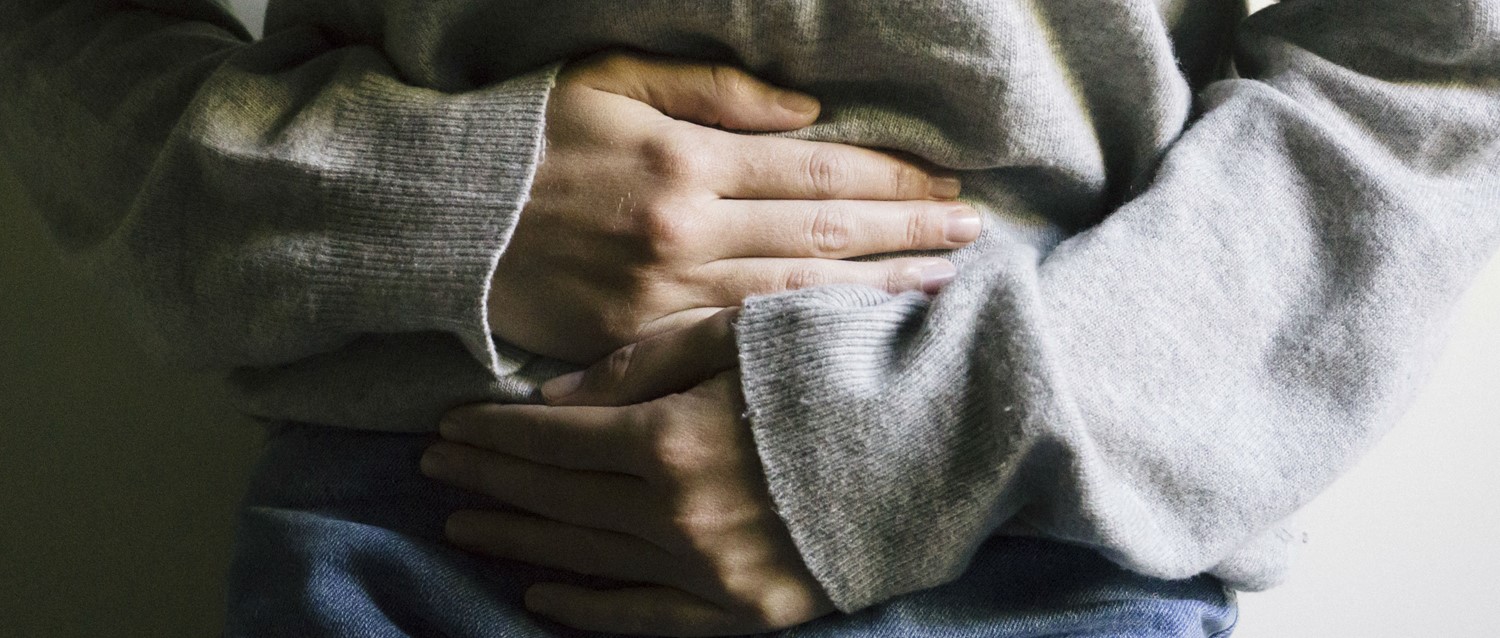
هل يمكن أن تكون حصوات المرارة؟
مراجعة من قبل الدكتور كريشنا فاخاريا، MRCGPكتبه الدكتورة سارة جارفيسنُشر في الأصل 22 فبراير 2023
يتوافق مع الإرشادات التحريرية
- تنزيلتنزيل
- مشاركة
- Language
- نقاش
- Ask Patient
- نسخة صوتية
- أضف إلى المصادر المفضلة على جوجل
حصوات المرارة شائعة جدًا: حوالي واحدة من كل ثلاث نساء وواحد من كل ستة رجال سيصابون بها في مرحلة ما. ومع ذلك، لا تسبب دائمًا أعراضًا - حوالي اثنين من كل ثلاثة أشخاص لديهم حصوات في المرارة لا يعرفون أنهم مصابون بها. لكنها أيضًا سبب شائع لألم البطن. تصبح أكثر شيوعًا مع التقدم في العمر وأولئك الذين يعانون من زيادة الوزن، أو يدخنون، أو لديهم داء السكري من النوع 2 أو ارتفاع الكوليسترول، أو يتناولون حبوب منع الحمل الفموية، أو فقدوا الكثير من الوزن الزائد في فترة قصيرة، لديهم خطر متزايد للإصابة بحصوات المرارة. يمكن أن تكون أحيانًا وراثية في العائلات.
ما هي حصوات المرارة؟
حصوات المرارة form in your gallbladder. This small pear-shaped pouch, just 8 cm long, sits tucked away under your liver, on the upper right side of your tummy. It acts as a storage pouch for a yellow-greenish liquid called bile, produced by your liver. Bile has two main functions - breaking down food (especially fatty food) you've eaten and carrying away waste from your liver.
When you eat, your stomach produces a hormone which stimulates the muscles in the wall of the gallbladder. These contract and release bile, which passes down a tube called the bile duct connecting your gallbladder to your intestine. Here it gets to work digesting fat, allowing it to be absorbed from your gut into your bloodstream.
But bile contains several substances, including bile salts, the pigment bilirubin and الكوليسترول. If there's an imbalance in the amount of any of these , tiny stone-like deposits can form-gallstones. Then these gallstones can gradually increase in size.
Are gallstones dangerous?
If gallstones get larger, or get stuck in the bile duct, they can lead to a variety of symptoms. At the mild end of the spectrum, you may get wind, bloating, or pain in the upper tummy and discomfort after eating a fatty meal. Other more severe symptoms also tend to come on after eating fatty food, or at night.
What is cholecystitis?
التهاب المرارة is the medical term for inflammation of the gallbladder. Symptoms include:
Upper tummy pain, usually on the right hand side, which is often worse if you take a big breath and which can travel to your right shoulder tip or upper back.
الشعور بالغثيان أو المرض.
حمى.
Feeling hot and cold, with sweating and shivering.
In cholecystitis, the inflamed gallbladder can become infected, in which case you're likely to feel very unwell. The pain tends to come on quickly and last for several hours. It is often severe enough for you to need admission to hospital.
What is biliary colic?
Biliary colic happens when a stone gets stuck between the gallbladder and the bile duct. In an attempt to dislodge the stone, the gallbladder squeezes repeatedly, leading to severe, colicky pain in the upper right side of the tummy. This pain can last for minutes or hours, and settles once the gallstone is pushed out into the bile duct or falls back into the gallbladder.
Can gallstones lead to jaundice?
Less commonly, a gallstone can get stuck in the bile duct, preventing bile from reaching the gut. If this happens, a build-up of bilirubin in the bloodstream leads to اليرقان, with yellowing of the whites of the eyes and skin and sometimes dark urine and pale poos.
Gallstones can occasionally lead to pancreatitis, or inflammation of the pancreas. This is because the bile duct and the outflow of the pancreas into the gut join together close to where they join the gut. A gallstone stuck here can lead to very severe pain just under the ribs, being sick, fever, feeling very unwell and sometimes swelling of your tummy.
What is pancreatitis?
Your pancreas sits behind your stomach, close to your liver and duodenum. It produces hormones - including insulin, which controls blood sugar - and chemicals called enzymes which help digest food. These are released into your gut down a tube called the pancreatic duct.
Because the end of the pancreatic duct opens into the bile duct, a gallstone in the bile duct can block the pancreatic duct. Like a blocked pipe in your plumbing, this causes increased pressure and can lead to very painful inflammation in the pancreas, called التهاب البنكرياس الحاد.
Gallstones treatment
Treatment for gallstones depends on the complications they have caused. Only a few people with gallstones, who have never had problems, develop complications each year. When treating gallstones, your doctor is likely to recommend that you try and فقدان الوزن الزائد - while avoiding crash diets or rapid weight loss - and leave them alone unless you get pain. The same may apply if you just have mild, infrequent pain.
If you have acute cholecystitis or biliary colic, you may need admission to hospital for strong pain relief and antibiotics if there's also an infection. After this, you should be offered surgery to remove your gallbladder - known as a cholecystectomy- you can lead a perfectly normal life without one. These days, most people can have keyhole surgery under general anaesthetic. They can usually go home the same day, with full recovery within a couple of weeks.
After a gallbladder removal, some people may need to avoid spicy or fatty foods to prevent bloating or diarrhoea.
مع الشكر لمجلة 'My Weekly' حيث نُشر هذا المقال في الأصل.
اختيارات المرضى لـ الكبد والمرارة
صحة الجهاز الهضمي
هل يمكن أن تصاب بحصى المرارة عندما تكون صغيرًا في السن؟
الإجابة البسيطة هي نعم! على الرغم من أن حصوات المرارة غالبًا ما يُنظر إليها على أنها حالة تصيب فقط من تتوافر فيهم صفات «فاتح البشرة، وبدين، وفي الأربعين من العمر»، فإن الحقيقة هي أنه يمكن أن تُصاب بها في أي وقت.
بقلم روز كونستانتين سميث، ANutr
صحة الجهاز الهضمي
نظام غذائي لحصى المرارة: الأطعمة التي يجب تناولها وتجنبها
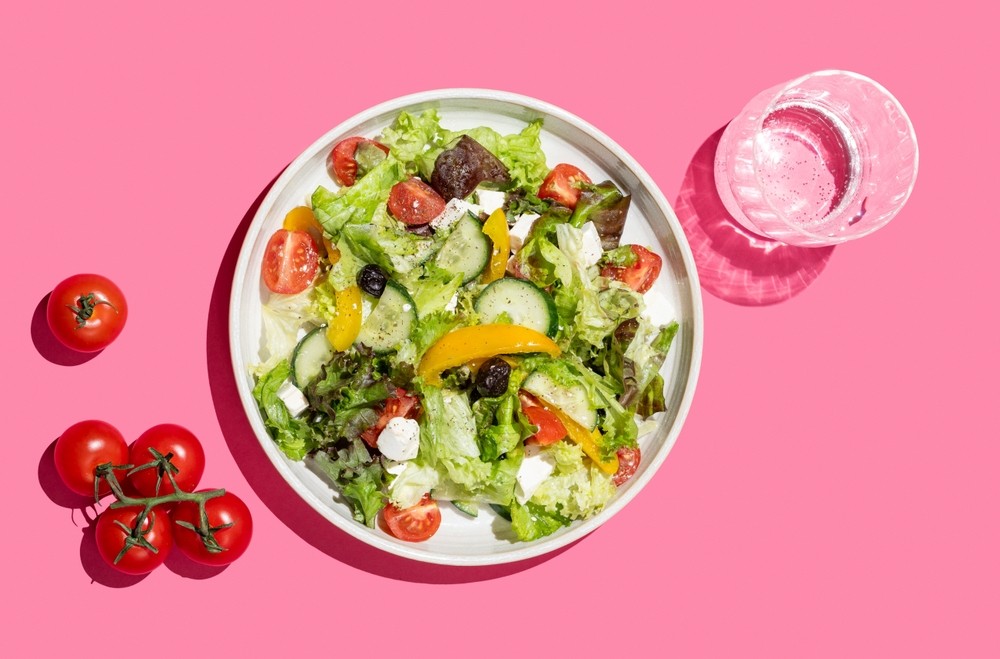
1 in 3 women and 1 in 6 men will develop gallstones at some point. Gallstones are small stones - usually made up of bile - that form in your gallbladder. Here we share the foods that can prevent gallstones, trigger uncomfortable symptoms, or make them better.
بقلم لين ستيفن
عن المؤلفعرض السيرة الذاتية الكاملة
كتبه

الدكتورة سارة جارفيس
استشاري سريري
MA (Cantab), BM, BCh (Oxon), DRCOG, FRCGP, MBE
بعد التدريب في الطب في كامبريدج وأكسفورد، أصبحت الدكتورة سارة جارفيس حاصلة على وسام الإمبراطورية البريطانية طبيبة عامة.
حول المراجععرض السيرة الذاتية الكاملة

الدكتور كريشنا فاخاريا، MRCGP
كبير المسؤولين الطبيين للصحة، أوبتوم المملكة المتحدة
MBChB, MRCGP(2013), BMedSci (hons), DFSRH, DRCOG, PGDipDerm (Distn)
الدكتورة كريشنا فاخاريا هي طبيبة عامة في هيئة الخدمات الصحية الوطنية. كما أنها ممتحنة منتظمة لدبلوم الدراسات العليا في الأمراض الجلدية العملية في جامعة كارديف، بالإضافة إلى كونها كبيرة المسؤولين الطبيين للصحة في Optum UK.
تاريخ المقال
المقال متاح أيضًا باللغة الإنجليزية, الألمانية, إسبانية, الفرنسية, إيطالي, البرتغالية, الهندية, العبرية, العربية ,، و السويدية.
22 فبراير 2023 | نُشر في الأصل
كتبه:
الدكتورة سارة جارفيسمراجعة من قبل
الدكتور كريشنا فاخاريا، MRCGP
شارك أفكارك أو تجاربك مع الآخرين في مجتمعات المرضى.
وصول بسيط إلى العلاجات والخدمات الصحية الموثوقة عبر الإنترنت.
Common conditions
Get help with common conditions through the NHS, without a GP appointment.
 التهاب الجيوب الأنفية الحاد
 التهاب اللوزتين البكتيري
 القوباء
 لدغات الحشرات
 الحزام الناريعدوى المسالك البولية
اشترك في النشرة الإخبارية للمرضى
جرعتك الأسبوعية من النصائح الصحية الواضحة والموثوقة - مكتوبة لمساعدتك على الشعور بالاطلاع والثقة والتحكم.
من خلال الاشتراك، فإنك تقبل سياسة الخصوصية. يمكنك إلغاء الاشتراك في أي وقت. نحن لا نبيع بياناتك أبدًا.