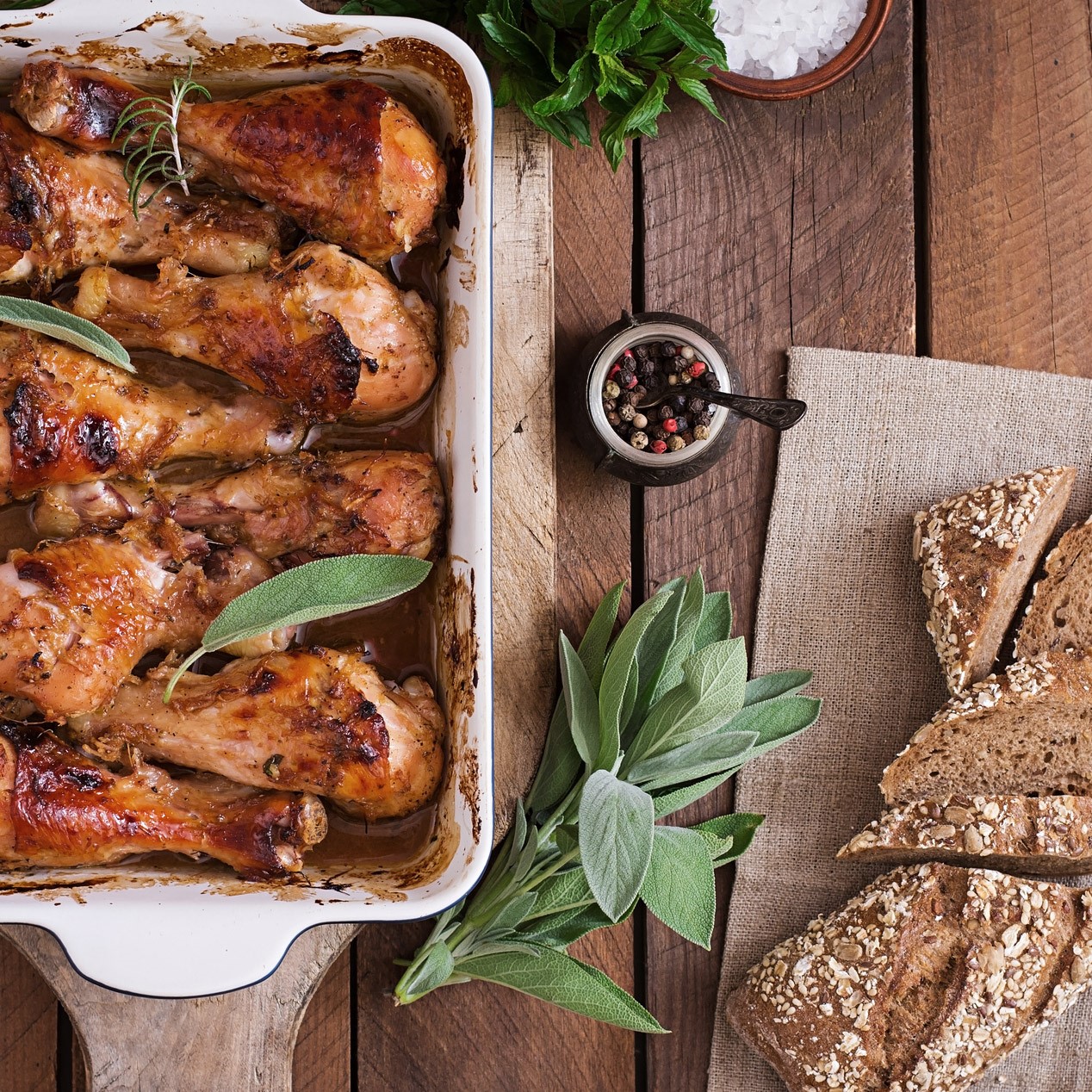
ما هو أفضل نظام غذائي لمرض كرون؟
مراجعة من قبل الدكتور كريشنا فاخاريا، MRCGPكتبه أمبرلي ديفيسنُشر في الأصل 9 Mar 2023
يتوافق مع الإرشادات التحريرية
- تنزيلتنزيل
- مشاركة
- Language
- نقاش
- نسخة صوتية
- أضف إلى المصادر المفضلة على جوجل
إذا كنت تعيش مع مرض كرون، فإن ما تأكله خلال نوبات الأعراض يمكن أن يحدث فرقًا كبيرًا في شعورك. هنا نلقي نظرة على أفضل نظام غذائي لمرض كرون يجب اتباعه خلال النوبات، وكيف يجب أن يتغير عندما تشعر بتحسن.
What to eat during a Crohn's flare-up
مرض كرون is a form of inflammatory bowel disease (IBD) in which one or more parts of your gut become inflamed. There isn't clear evidence that food can cause this chronic condition, but certain foods can trigger symptoms to flare up - which could involve bloating, abdominal pain, and diarrhoea.
What you eat during and in-between flare-ups is important not just for managing your symptoms, but for your overall health. You need to provide your body with the essential nutrients it needs, and for this you need to focus on healthy foods that are easy for your gut to digest.
A Crohn's disease diet that excludes symptom-triggering foods is sometimes called a Crohn's disease exclusion diet, or CDED. A 2022 study found that following a CDED can be an effective way to bring about remission in both adults and children1. Remission describes the periods of time when you are free from the troubling and uncomfortable symptoms of this condition.
You should ask your healthcare expert for advice before undertaking any kind of Crohn's disease diet. People with this condition can have different food triggers and needs, and experts can help make sure that whatever foods you exclude are replaced with ones that contain all the vitamins and minerals you need for a balanced diet.
It may be that you're unsure what your triggers are. For this, a healthcare expert can put you on an elimination diet, in which you cut out certain foods one by one and note down if or when your symptoms change2.
Naomi Leppitt, gut dietitian at Dietitian Fit & Co, talks through the most common foods that can make Crohn's disease flare-ups worse, and what you can eat instead.
Swap to low-fibre foods
"The main thing to avoid during a Crohn's flare-up is fibre," says Leppitt. "When your gut is inflamed, you want to make it as easy as possible for it to digest and absorb food and fluids. Fibre is the indigestible element of plant-based foods - it's found in the skin, seeds, and stalks of fruits and vegetables, as well as whole grains, nuts, and seeds."
Leppitt adds that fibre usually has great health benefits. For example, it can help keep your bowel habits stay regular and formed, and can even improve your ضغط الدم, الكوليسترول في الدم ,، و blood sugars. However, while your Crohn's disease symptoms flare up, it's best to stick to lower-fibre options.
You can try replacing:
Uncooked fruits like apples, pears, and strawberries.
Hard vegetables like broccoli and collard greens.
Tough gristly meats.
Sugars found in dairy such as milk, soft cheese and cream.
مع:
Tinned or cooked fruits, or bananas and melon.
Well-cooked soft vegetables like squash.
Lean protein such as fish, eggs, chicken breast or tofu.
Potato, white rice or sour dough.
Choose plain foods
"You should also stay away from anything too spicy, sugary, or fatty and opt for plainer foods instead," says Leppitt. It's thought that the chemicals in spicy foods can aggravate your gut. It can also be irritated by the fat in highly processed fatty and sugary foods, because this fat can't be absorbed fully by your small intestine.
Leppitt suggests avoiding:
Spicy dishes.
Sweets and fruit juices.
Deep-fried foods and pastries.
And instead eating foods such as:
Casseroles and stews.
Mashed potaoto.
Boiled rice.
Leppit recommends a casserole with peppers accompanied by mash or a cod and prawn stew, with peeled, deseeded courgette and boiled rice on the side.
Avoid alcohol, caffeine, and lactose drinks
Leppitt points out that people with Crohn's disease should also watch what they drink during flare-ups. Alcohol, caffeine, and milk can be particularly triggering.
الكحول can irritate the lining of your gut and can even cause malabsorption and bleeding. According to the Crohn's and Colitis Foundation, this is why you should always ask your doctor whether drinking alcohol is safe while you are taking IBD medications3. الكافيين acts as a stimulant for bowel movements, which makes diarrhoea worse. The lactose in milk - and other dairy products - is a sugar that can also be difficult for your gut to digest during a flare- up.
Leppitt suggests replacing:
Alcoholic drinks like beer and wine.
Caffeinated drinks like coffee, tea, and Coca-Cola.
Milk.
مع:
الماء.
Decaffeinated tea - green tea is preferable.
Smooth juices - but beware of too many fruit sugars at once.
Lactose-free milk.
Should you try a liquid diet?
For some people, a Crohn's disease diet may mean temporarily avoiding solid foods altogether. Instead, they consume a formulated liquid made up of essential nutrients including proteins, carbohydrates, and vitamins. However, this may only be recommended if your doctor has advised this and4:
Your symptoms are severe.
You're having difficulty absorbing nutrients.
You've had intestinal surgery.
You have short bowel syndrome.
You should only ever follow a liquid diet under the guidance and supervision of a healthcare expert. If you're really struggling with your symptoms, despite avoiding common trigger foods, Leppitt recommends speaking to your dietitian, IBD nurse, or doctor for more guidance on whether a liquid diet could be right for you, and for getting specific supplements.
What to eat during remission
You should also be mindful of what you eat during the times when your symptoms aren't causing you bother. Leppitt explains:
"The levels in your body of various vitamins and minerals - including zinc, iron, calcium, and vitamins K and B12 - are at risk of being low due to Crohn's disease diarrhoea, poor absorption of nutrients, or the need to avoid certain foods during flare-ups.
"When symptoms are improved and Crohn's is in remission, it's important to reintroduce foods packed with these nutrients."
Focus on maintaining a well-balanced diet with plenty of:
Fibre - such as beans, nuts, and whole grains.
Lean proteins - such as chicken, tofu, eggs, fish, lean meats.
A variety of fruits and vegetables - try to eat as many colours as you can.
It's also important to stay as hydrated as possible with water and rehydration solutions, alongside a Crohn's disease diet.
قراءة إضافية
Nutritional therapy for IBD: Crohn's Disease Exclusion Diet (CDED).
IBD Relief: Liquid diets and inflammatory bowel disease (IBD).
اختيارات المرضى لـ مشاكل الأمعاء
صحة الجهاز الهضمي
ما هو أفضل نظام غذائي لمرض كرون؟
إذا كنت تعيش مع مرض كرون، فإن ما تأكله خلال نوبات الأعراض يمكن أن يحدث فرقًا كبيرًا في شعورك. هنا نلقي نظرة على أفضل نظام غذائي لمرض كرون يجب اتباعه خلال النوبات، وكيف يجب أن يتغير عندما تشعر بتحسن.
بقلم أمبرلي ديفيس
صحة الجهاز الهضمي
كيفية علاج سلس الأمعاء
Bowel incontinence (or faecal incontinence) is undeniably a difficult subject to talk about. Despite being very common, the problem tends to be stigmatised, with many sufferers failing to mention it to their medical practitioner. Nearly half of all people with incontinence wait at least five years before seeking help.
بقلم آبي ميلار
عن المؤلفعرض السيرة الذاتية الكاملة

Amberley Davis
كاتب أول
بكالوريوس (مع مرتبة الشرف)، التنمية المهنية المستمرة
أمبرلي كاتبة كبيرة في موقع Patient وقد كتبت بشكل مكثف حول مجموعة من مواضيع الصحة والرفاهية.
حول المراجععرض السيرة الذاتية الكاملة

الدكتور كريشنا فاخاريا، MRCGP
كبير المسؤولين الطبيين للصحة، أوبتوم المملكة المتحدة
MBChB, MRCGP(2013), BMedSci (hons), DFSRH, DRCOG, PGDipDerm (Distn)
الدكتورة كريشنا فاخاريا هي طبيبة عامة في هيئة الخدمات الصحية الوطنية. كما أنها ممتحنة منتظمة لدبلوم الدراسات العليا في الأمراض الجلدية العملية في جامعة كارديف، بالإضافة إلى كونها كبيرة المسؤولين الطبيين للصحة في Optum UK.
تاريخ المقال
تمت مراجعة المعلومات الموجودة في هذه الصفحة من قبل أطباء مؤهلين.
المقال متاح أيضًا باللغة الإنجليزية, الألمانية, إسبانية, الفرنسية, إيطالي, البرتغالية, الهندية, العبرية, العربية ,، و السويدية.
9 Mar 2023 | نُشر في الأصل
كتبه:
Amberley Davisمراجعة من قبل
الدكتور كريشنا فاخاريا، MRCGP

اسأل، شارك، تواصل.
تصفح المناقشات، اطرح الأسئلة، وشارك التجارب عبر مئات المواضيع الصحية.

هل تشعر بتوعك؟
قم بتقييم أعراضك عبر الإنترنت مجانًا
اشترك في النشرة الإخبارية للمرضى
جرعتك الأسبوعية من النصائح الصحية الواضحة والموثوقة - مكتوبة لمساعدتك على الشعور بالاطلاع والثقة والتحكم.
من خلال الاشتراك، فإنك تقبل سياسة الخصوصية. يمكنك إلغاء الاشتراك في أي وقت. نحن لا نبيع بياناتك أبدًا.
المزيد في صحة الجهاز الهضمي
- هل تختلف أعراض متلازمة القولون العصبي بين الرجال والنساء؟
- مرض كرون لدى الأطفال: كيفية دعم طفلك
- حرقة المعدة في الليل: كيفية تحسين جودة النوم مع حرقة المعدة
- كيف يؤثر القولون العصبي على الأشخاص في العمل؟
- كيف يؤثر القولون العصبي على الجنس والمواعدة والعلاقات
- كيفية تجنب التسمم الغذائي هذا الصيف
- كيفية علاج الإمساك وصعوبة التبرز
- نوروفيروس - متى يجب زيارة الطبيب
- البراز - ما هو الطبيعي؟
- البروبيوتيك لمتلازمة القولون العصبي: هل تعمل؟
- جديدالحليب الخام - هل هو مفيد لك حقًا أم مجرد اتجاه آخر في عالم الصحة؟
- ماذا يقول برازك عنك؟
- ما هو فرط نمو البكتيريا في الأمعاء الدقيقة (SIBO)؟
- ما هي العلاقة بين متلازمة القولون العصبي والقلق؟
- كيف يكون الشعور عند الإصابة بإعاقة غير مرئية
- ماذا تأكل عندما تعاني من التهاب المعدة والأمعاء
- ما الذي يسبب لك ألم البطن السفلي؟
- محدثما الفرق بين متلازمة القولون العصبي (IBS) والتهاب الأمعاء (IBD)؟
- متى يجب القلق بشأن عسر الهضم
- لماذا يقرقر بطنك عندما لا تكون جائعًا؟