
ماذا تأكل عندما تعاني من التهاب المعدة والأمعاء
مراجعة من قبل الدكتور كريشنا فاخاريا، MRCGPكتبه أمبرلي ديفيسنُشر في الأصل 30 يناير 2023
يتوافق مع الإرشادات التحريرية
- تنزيلتنزيل
- مشاركة
- Language
- نقاش
- نسخة صوتية
- أضف إلى المصادر المفضلة على جوجل
Should you eat with gastroenteritis or avoid food altogether? While it was once standard advice to starve when you have this stomach infection, health recommendations have changed in recent years. Experts now believe you should be guided by how hungry you feel. But, when it comes to gastroenteritis, there are certain foods you should keep away from.
Should you eat with gastroenteritis?
التهاب المعدة والأمعاء is an infection of the gut that causes unpleasant and uncomfortable symptoms, including tummy pain, diarrhoea, nausea, and vomiting.
Advice on eating with gastroenteritis has changed in recent years. Doctors used to recommend not eating at all, but now it's thought that small, light meals can do you good - the main thing is to be guided by your appetite.
Reema Patel is a London-based dietitian. She shares her advice on what to drink and eat - and what to avoid - when you have gastroenteritis.
Gastroenteritis: what to eat and drink
Clear fluids
No matter what you feel able to eat, above all else make sure you're drinking enough fluids to prevent الجفاف. The vomiting and diarrhoea caused by gastroenteritis means you lose a lot of liquid.
Not peeing very much is a sign of dehydration, as is urine that has a strong yellow tint as opposed to being clear in colour. While nausea is a very common symptom of gastroenteritis, light-headedness and dizziness can also be caused by dehydration.
Patel recommends clear fluids such as water, broth, coconut water and herbal teas. You may also try oral rehydration solution drinks, which will help replace electrolytes - important salts and minerals lost through vomiting and diarrhoea. Sports drinks also do this - "but keep in mind that the latter can be high in added sugars", warns the dietitian.
A word of caution: drinking a lot of liquid too quickly could make your nausea and vomiting worse, so aim for lots of little sips over a couple of hours.
Peppermint tea
"As well as being a tool for rehydration, peppermint can also help reduce nausea," says Patel. She adds that, if you're not a fan of peppermint tea, you can use peppermint oil instead during breathing exercises.
One study of 100 participants1 found that peppermint oil aromatherapy was significantly effective in easing nausea and reducing vomiting - if used as a stand-alone treatment and when used alongside anti-sickness medication.
Easy to digest, plain foods
When it comes to what to eat with gastroenteritis, think bland, easy to digest foods. Anything rich or spicy isn't likely to go down well, as this tends to irritate the stomach during this illness.
Patel advises eating foods that can be easily and quickly digested by the body, to provide energy without causing stomach upset. Her examples include:
بسكويت مملح.
Dry cereal.
Plain potatoes.
Bananas.
Plain toast.
Pretzels.
Just as you should drink in small sips, only attempt to eat small amounts of food at frequent intervals. If you feel sick while eating, listen to your body and stop.
الزنجبيل
الزنجبيل is one spice that you may want to make an exception for. Like peppermint, ginger is also an effective remedy for nausea and vomiting2.
"Steep some ginger in hot water for a comforting ginger tea. Alternatively, have some soup that contains grated fresh ginger," says the dietitian.
Foods to avoid with gastroenteritis
You should avoid certain foods, as these can irritate your stomach and make you feel even more sick. According to Patel, highly seasoned foods, spicy foods, and fatty foods are off the menu, due to how difficult they are to digest. Coffee and other caffeine-based beverages are also a bad idea:
"Caffeine can affect your sleep quality, and also possibly interfere with digestion and increase your risk of diarrhoea," says Patel.
If you're usually a lover of coffee or rich, spicy foods, the chances are you won't be tempted by them while you have gastroenteritis. Your appetite tends to reflect what your digestive system can handle. This said, when you're on the mend and your appetite starts to return, it's good to remain cautious with what you eat.
قراءة إضافية
اختيارات المرضى لـ التهاب المعدة والأمعاء
صحة الجهاز الهضمي
نوروفيروس - متى يجب زيارة الطبيب
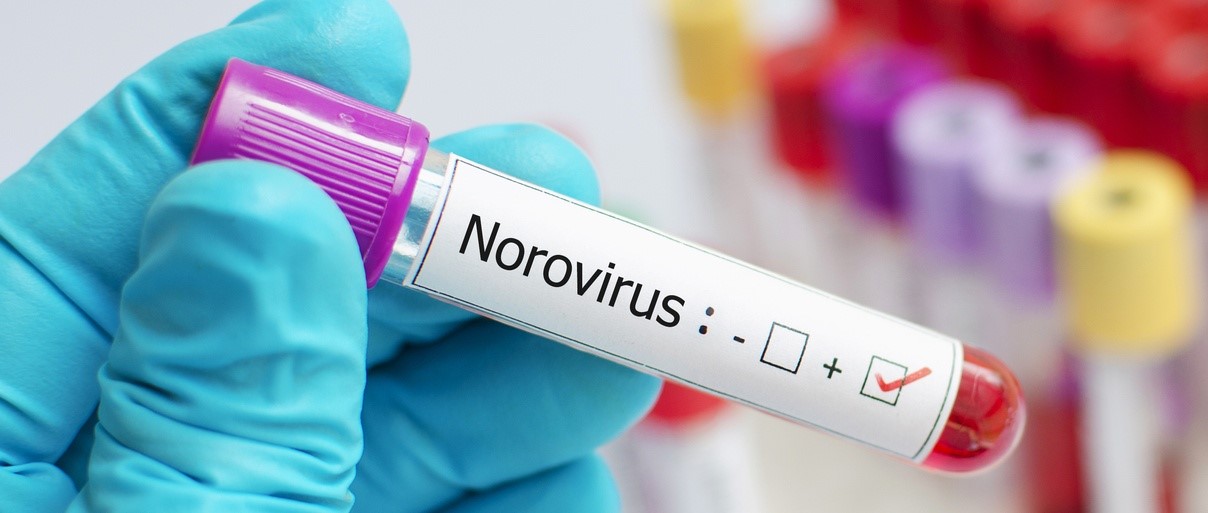
As winter approaches, viruses spread between people more easily. If you have stomach bug symptoms, there's a good chance you've caught norovirus - one of the most common and contagious viruses in the UK. But at what point does norovirus become serious enough to see a doctor?
بقلم فيكتوريا راو

صحة الجهاز الهضمي
كيفية تجنب اضطرابات المعدة
We've all had them - those horrible bouts of sickness and diarrhoea. You'll usually recover with no ill effects within a few days - especially with these top tips. But how can you minimise the misery?
بقلم الدكتورة سارة جارفيس
عن المؤلفعرض السيرة الذاتية الكاملة

Amberley Davis
كاتب أول
بكالوريوس (مع مرتبة الشرف)، التنمية المهنية المستمرة
أمبرلي كاتبة كبيرة في موقع Patient وقد كتبت بشكل مكثف حول مجموعة من مواضيع الصحة والرفاهية.
حول المراجععرض السيرة الذاتية الكاملة

الدكتور كريشنا فاخاريا، MRCGP
كبير المسؤولين الطبيين للصحة، أوبتوم المملكة المتحدة
MBChB, MRCGP(2013), BMedSci (hons), DFSRH, DRCOG, PGDipDerm (Distn)
الدكتورة كريشنا فاخاريا هي طبيبة عامة في هيئة الخدمات الصحية الوطنية. كما أنها ممتحنة منتظمة لدبلوم الدراسات العليا في الأمراض الجلدية العملية في جامعة كارديف، بالإضافة إلى كونها كبيرة المسؤولين الطبيين للصحة في Optum UK.
تاريخ المقال
تمت مراجعة المعلومات الموجودة في هذه الصفحة من قبل أطباء مؤهلين.
المقال متاح أيضًا باللغة الإنجليزية, الألمانية, إسبانية, الفرنسية, إيطالي, البرتغالية, الهندية, العبرية, العربية ,، و السويدية.
30 يناير 2023 | نُشر في الأصل
كتبه:
Amberley Davisمراجعة من قبل
الدكتور كريشنا فاخاريا، MRCGP

اسأل، شارك، تواصل.
تصفح المناقشات، اطرح الأسئلة، وشارك التجارب عبر مئات المواضيع الصحية.

هل تشعر بتوعك؟
قم بتقييم أعراضك عبر الإنترنت مجانًا
اشترك في النشرة الإخبارية للمرضى
جرعتك الأسبوعية من النصائح الصحية الواضحة والموثوقة - مكتوبة لمساعدتك على الشعور بالاطلاع والثقة والتحكم.
من خلال الاشتراك، فإنك تقبل سياسة الخصوصية. يمكنك إلغاء الاشتراك في أي وقت. نحن لا نبيع بياناتك أبدًا.
المزيد في صحة الجهاز الهضمي
- 6 علاجات طبيعية للإمساك
- ورقة حمية مرض السيلياك
- خيارات علاج الفتق الحجابي
- كيف يمكن لمرض كرون أن يؤثر على حياتك الجنسية
- كيف يؤثر القولون العصبي على الأشخاص في العمل؟
- كيفية التعامل مع عسر الهضم في عيد الميلاد
- كيفية التعامل مع التهاب المعدة والأمعاء
- كيفية إدارة حرقة المعدة خلال عيد الميلاد
- خيارات علاج البواسير
- البراز - ما هو الطبيعي؟
- جديدRaw milk - is it actually good for you or just another wellness trend?
- ما الذي يسبب تقلصات المعدة الليلية؟
- ما هو أفضل نظام غذائي لمرض كرون؟
- ما هو الرابط بين التعافي من السكتة الدماغية وصحة الأمعاء؟
- ما هو ميكروبيوم الأمعاء لديك؟
- ما الذي يسبب لك ألم البطن السفلي؟
- ما الفرق بين التهاب الكبد A و B و C؟
- محدثما الفرق بين متلازمة القولون العصبي (IBS) والتهاب الأمعاء (IBD)؟
- ما هي الأطعمة التي تسبب متلازمة القولون العصبي؟
- لماذا حدثت زيادة في حالات التهاب الكبد لدى الأطفال؟