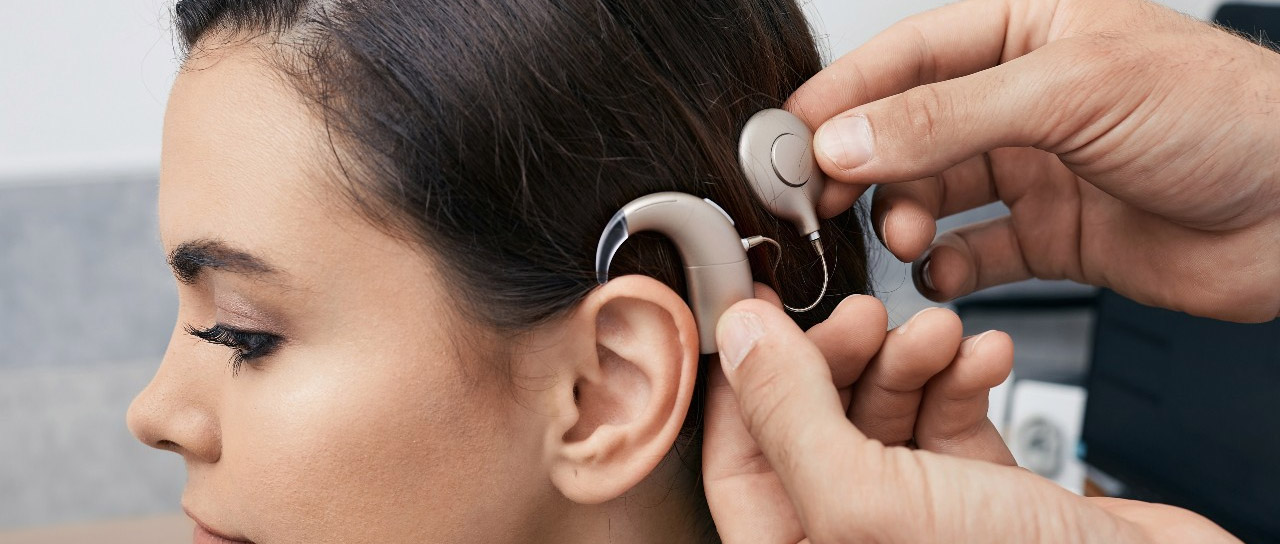
ما هو زراعة القوقعة وما تأثيرها على السمع؟
مراجعة من قبل الدكتور كريشنا فاخاريا، MRCGPكتبه إميلي جين باشفورثنُشر في الأصل 9 Jul 2022
يتوافق مع الإرشادات التحريرية
- تنزيلتنزيل
- مشاركة
- Language
- نقاش
- Ask Patient
- نسخة صوتية
- أضف إلى المصادر المفضلة على جوجل
لقد تحسنت الفرص والتمثيل لمجتمع الصم بشكل كبير في السنوات الأخيرة. في عام 2022، تم تمرير مشروع قانون في البرلمان لجعل لغة الإشارة البريطانية (BSL) لغة معترف بها ومحمية قانونياً. على الرغم من أن هذه المحادثات كانت تحت الأضواء، قد تكون هناك بعض الجوانب للصمم التي قد لا تكون على دراية بها وترغب في معرفة المزيد عنها.
اختيارات الفيديو لـ مشاكل السمعمكتبة الفيديو
The first single-channel cochlear implant was introduced in 1972. As of December 2019, approximately 736,900 registered devices have been implanted worldwide1.
Not all Deaf people have a cochlear implant. Over 5% of the world's population - or 430 million people - require rehabilitation to address their 'disabling' فقدان السمع, according to the World Health Organization (WHO). But there has been more awareness in recent years over what the implants do2. For example, in 2022, a Love Island contestant named Tasha Ghouri became the villa's first Deaf Islander. She also wears a cochlear implant.
What is a cochlear implant?
A cochlear implant is a small yet complex electronic device that aims to provide those who are profoundly Deaf or severely hard of hearing with a sense of sound. The implant consists of an external portion that sits behind the ear and a second portion that is surgically placed under the skin.
There's a misconception that cochlear implants restore 'normal' hearing levels when this is not the case. What they do provide, however, is to offer a Deaf person a useful representation of the sounds in their environment. They can also help them to understand speech.
How do cochlear implants work?
Cochlear implants work via the following components:
Microphone
The microphone of a cochlear implant picks up sounds from the environment and transforms those sound into electrical signals.
Speech processor
After being picked up by the microphone, incoming sounds are taken to the processor, which is usually worn behind the ear. The processor contains batteries which power the entire cochlear implant. Its job is to select and arrange sounds picked up by the microphone.
Transmitter and receiver/stimulator
Signals from the processor then make their way to the transmitter and receiver/stimulator, where they are converted into electric impulses.
Electrode array
A group of electrodes then collects the impulses from the stimulator and delivers them to different regions of the hearing (auditory) nerve. Ultimately, this allows a person's brain to recognise signals as sound. But hearing with a cochlear implant is different from normal hearing and takes time to relearn.
مؤسسة سيشيل is a national learning disability charity that supports children and young people who have complex learning difficulties, disabilities, and additional communication needs. Their principal audiologist, Verity Langlands, works with people with cochlear implants. She explains that implant surgery is a big decision for families to go ahead with.
"A cochlear implant has two parts - an internal implant which is fed through the cochlea during surgery and an external part which collects the sounds and transmits them through the internal implant. The two parts connect via a magnet. The implant system bypasses the damaged cells by directly stimulating the cochlea, and the nerves send this signal to the brain to be interpreted."
How does a cochlear implant attach to the head?
A magnet attaches the cochlear implant to the head, but retention devices can also be used to help keep the external parts of the implant in place.
"I work with students who, for either medical or behavioural reasons, cannot wear the device over their ear. In these instances, we have used some creative ways to keep the implant in place with our students, such as using hair clips to place the speech processor on to the head," explains Langlands.
What is surgery like for cochlear implants?
Children tend to be around one year of age when they get their cochlear implant. There are certain eligibility criteria a child must meet before being fitted with their cochlear implant, including whether they have severe to profound deafness.
New criteria were introduced in 2019 following a review of the definition of severe to profound deafness, meaning those who would benefit from them the most can access cochlear implants via the NHS3.
National Institute for Health and Care Excellence (NICE) guidance states that severe to profound deafness is recognised as only hearing sounds louder than 80 dB HL at 2 or more frequencies without hearing aids (the equivalent of a busy downtown street). Langlands adds that children identified with complex needs in their early years may experience a delay in being implanted.
"The reasons for this delay are many: the young person needs to be well enough for surgery, gathering all the necessary information around hearing may be more challenging, and families may need a little more time to consider the best communication methods and outcomes for their child."
For families with children who have additional needs, she says it is important they access early years intervention, which supports the individual needs of the child and enables families to make informed decisions going forwards.
"The decision to implant is made within a multidisciplinary team (MDT), typically including specialist consultants, audiologists, speech and language therapists and teachers of the Deaf - the individual and their family are also important members of this MDT."
Can you take off a cochlear implant?
A cochlear implant can be removed at any time. Children are generally encouraged to wear their implant during all waking hours and remove it before going to bed. However, a flexible and caring approach to cochlear implant use is important, as with all care for people with learning disabilities.
Langlands says there are a myriad of different reasons why a child or young person might wish to remove their implant and, since their ability to communicate can be limited, it isn't always easy to ascertain their reason for removing the device.
One reason could be that they are experiencing sensory overload. This occurs when a person's five senses - sight, hearing, smell, touch and taste - take in more information than their brain can process, overwhelming it and sending them into a panic.
Langlands explains that it is often very difficult to establish implant use with children and young people with CHARGE syndrome. CHARGE syndrome (CS) refers to a pattern of birth defects and includes a wide range of conditions, which can differ from child to child. It is a complex syndrome and is rare.
She says her work suggests that these young people are mono-modal processors (they process one sense at a time), and they are unable to attend to sound in a multi-sensory environment.
"Similarly, it is likely that children and young people with autistic spectrum disorder (ASD) have under-developed skills to ignore some stimuli and cope with overload by shutting down, hence why they might remove their implant."
Another pattern of behaviour exhibited around cochlear implant use is compartmentalisation, where a person might only accept the use of their cochlear implant in certain environments or in specific time frames.
Children might also remove their implant if they become tired, experience pain, or just want a break from listening.
"Ultimately, flexibility and an open mind are key to exploring the reasons a young person is removing their device during the day," Langlands says.
قراءة إضافية
Cochlear implant criteria NICE guidance.
اختيارات المرضى لـ مشاكل السمع

الأذن والأنف والحنجرة
لماذا يمكن أن يكون الحصول على شهادة GCSE في لغة الإشارة البريطانية نقطة تحول
تخيل أن تكون طليقًا في لغة لا يفهمها سوى عدد قليل من الناس. الآن، تخيل أن تلك اللغة هي واحدة من اللغات الأصلية لبلد ميلادك. فقط نسبة صغيرة من البريطانيين يستخدمون حاليًا لغة الإشارة البريطانية (BSL)، فلماذا ستكون شهادة GCSE مهمة جدًا؟
بقلم جيليان هارفي

الأذن والأنف والحنجرة
كيفية حماية نفسك من فقدان السمع في ليلة الألعاب النارية
The skies will soon be lit up with colourful and loud firework displays this Bonfire Night. The stunning sights may last only one night, but potential ear damage from the noisy explosions may cause long-lasting hearing loss.
بقلم فيكتوريا راو
عن المؤلفعرض السيرة الذاتية الكاملة
كتبه

إميلي جين باشفورث
كاتب مميز
NCTJ
إميلي كاتبة مقالات مميزة مع Patient، تكتب مقالات حول مجموعة متنوعة من المواضيع المتعلقة بالصحة والرفاهية.
حول المراجععرض السيرة الذاتية الكاملة

الدكتور كريشنا فاخاريا، MRCGP
كبير المسؤولين الطبيين للصحة، أوبتوم المملكة المتحدة
MBChB, MRCGP(2013), BMedSci (hons), DFSRH, DRCOG, PGDipDerm (Distn)
الدكتورة كريشنا فاخاريا هي طبيبة عامة في هيئة الخدمات الصحية الوطنية. كما أنها ممتحنة منتظمة لدبلوم الدراسات العليا في الأمراض الجلدية العملية في جامعة كارديف، بالإضافة إلى كونها كبيرة المسؤولين الطبيين للصحة في Optum UK.
تاريخ المقال
المقال متاح أيضًا باللغة الإنجليزية, الألمانية, إسبانية, الفرنسية, إيطالي, البرتغالية, الهندية, العبرية, العربية ,، و السويدية.
9 Jul 2022 | نُشر في الأصل
كتبه:
إميلي جين باشفورثمراجعة من قبل
الدكتور كريشنا فاخاريا، MRCGP
شارك أفكارك أو تجاربك مع الآخرين في مجتمعات المرضى.
اشترك في النشرة الإخبارية للمرضى
جرعتك الأسبوعية من النصائح الصحية الواضحة والموثوقة - مكتوبة لمساعدتك على الشعور بالاطلاع والثقة والتحكم.
من خلال الاشتراك، فإنك تقبل سياسة الخصوصية. يمكنك إلغاء الاشتراك في أي وقت. نحن لا نبيع بياناتك أبدًا.