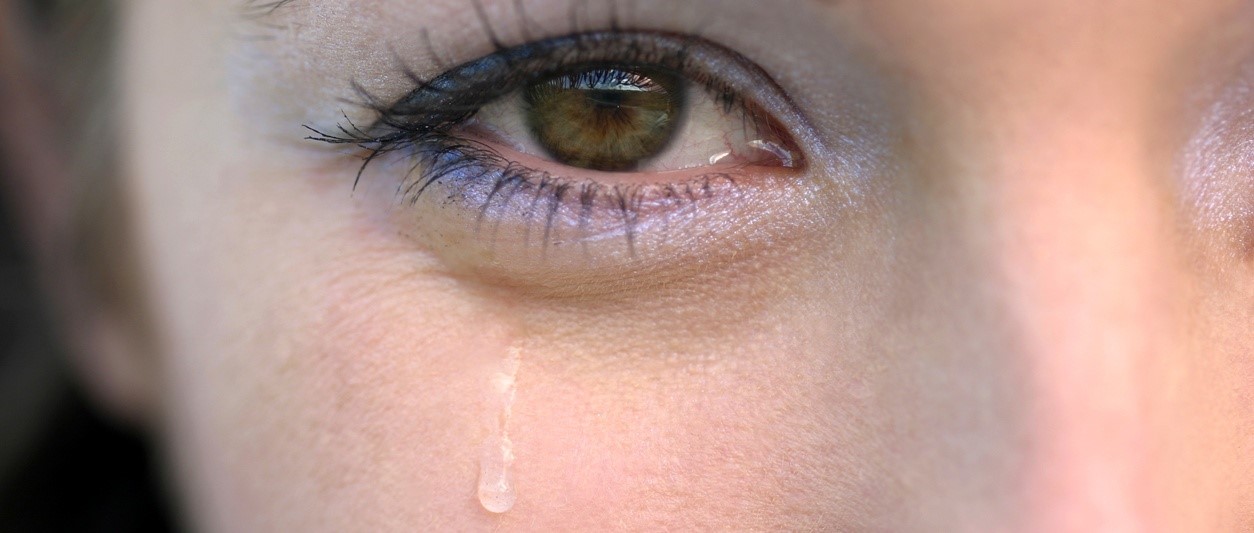
لماذا نبكي؟
مراجعة من قبل الدكتورة هايلي ويلاسي، زميلة الكلية الملكية للأطباء العامين كتبه الدكتور لورانس نوتنُشر في الأصل 26 Jun 2018
يتوافق مع الإرشادات التحريرية
- تنزيلتنزيل
- مشاركة
- Language
- نقاش
- Ask Patient
- نسخة صوتية
- أضف إلى المصادر المفضلة على جوجل
It was the poet Ella Wheeler Wilcox who wrote: 'Laugh and the world laughs with you, weep and you weep alone.' This aphorism is only partly true. Although laughing is more infectious than crying, crying is almost as widespread an activity. Extend the definition to include the production of tears for any reason, and it becomes a universal phenomenon.
اختيارات الفيديو لـ صحة العين مكتبة الفيديو
The mechanics of crying
Tears and lacrimation
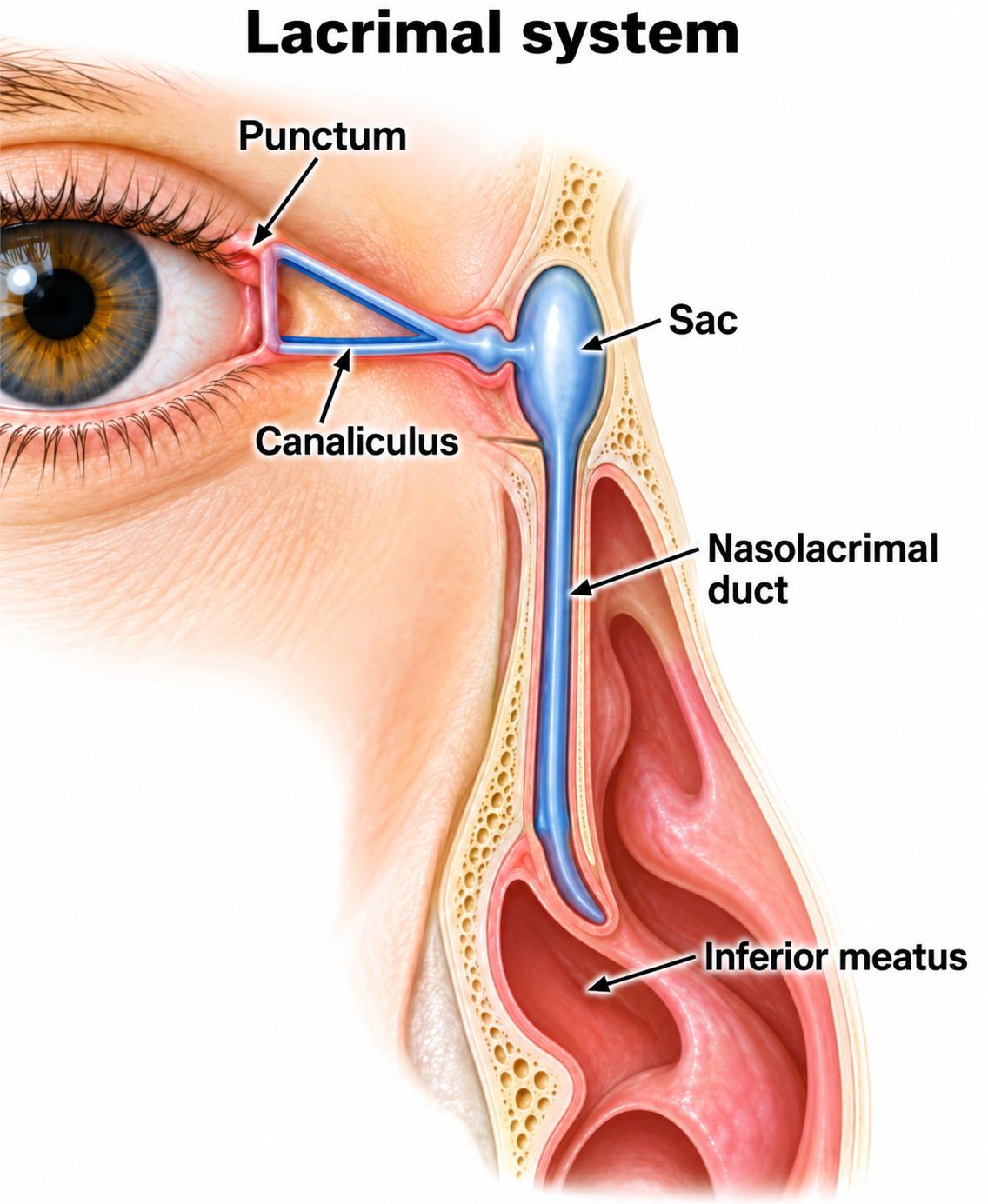
To understand why we cry, it is perhaps necessary to appreciate كيف we cry. Tears are produced by the lacrimal gland located at the outer end of the eyeball. Blinking spreads the tear as a film across your eye (the tear film).
Tear film
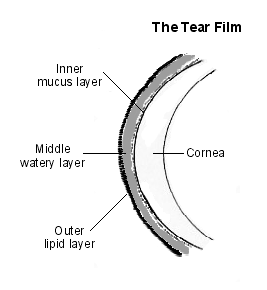
The tears flow into a collection area called the lacrimal lake and from there into drainage holes in the upper and lower inner eyelids. These are called the superior and inferior lacrimal puncta (singular: punctum). From there it's on to a reservoir called a lacrimal sac before they make their way down the nasolacrimal duct into the nasal cavity. It's a bit like a ride at Alton Towers, but less interesting.
The tears are meant to be held in place by some oil in the tear film. However, if the flow is more than this drainage system can cope with, they will start running down your cheeks, as anyone with a credit card will tell you.
There are in fact three types of tears:
Basal tears
These are your common or garden tears that bathe the eye 24/7. Their function is to lubricate the eye so the eyelid flows smoothly over it, and to keep it free from dust and infection. Basal tears contain a whole bunch of stuff, including chemicals such as sodium, an enzyme called lysozyme which helps to destroy germs, and mucin, the WD-40® of the biochemical world.
Reflex tears
These are produced as a response to irritants. It's the body's way of trying to wash nasty substances out of your eye. Onions are the triggers often quoted in books but it can also happen with pepper, bright light, ammonia in cleaning fluid and many strong chemicals (such as perfume). Vomiting, coughing and yawning (hopefully not all at the same time) can also stimulate reflex tear production.
Psychic tears
Nothing to do with overwrought mind readers. Their other name - emotional tears - gives you a clue as to their origin. Any strong emotion - such as sadness, pleasure, anger or suffering associated with physical pain - can bring a tear to the eye. Humour can be another trigger, and in some people crying can be associated with intense bouts of laughter.
Why we cry
Emotional crying
The fancy medical term for crying is lacrimation. The above description gives you some of the reasons for crying. Emotional crying is controlled by the hypothalamus, which is part of the limbic system of the brain. The limbic system is involved in generating basic emotions such as sadness, fear and anger. When a person feels emotion, the hypothalamus springs into action to stimulate the lacrimal glands to produce tears. It does this via the autonomic nervous system, a network of nerves functioning largely behind the scenes.
Emotional tears have a different chemical make-up to basal or reflex tears. They contain more prolactin, adrenocorticotrophin hormone and a natural painkiller called leucine enkephalin. It is possible that at times of emotional stress, crying reflects the body's attempts to make us feel better. It is, if you like, attempting to wrap itself in a huge biochemical comfort blanket. As that great neuropsychologist of his day, William Shakespeare, wrote in Henry VI, Part 3: "To weep is to make less the depth of grief."
Other types of crying
The tear production system is meant to work in the background, flowing across the eyeball to float dust and debris off the front of the eye, so that it can be swept away by the eyelids. If you think about it, it's not too dissimilar from the screenwash/rain/wiper set-up we have for our cars. If the tear production system works overtime or the drainage system becomes blocked, tears start to well up in the eye. The eye becomes watery and tears start to overflow down the cheeks. This is called epiphora. Many conditions can interrupt the smooth working of this system, including problems you are born with (congenital), infections, inflammation and foreign bodies in the eye.
اختيارات المرضى لـ صحة العين

صحة العين
لماذا تكون رؤيتي أسوأ عند القيادة ليلاً؟
إذا كنت تجد صعوبة أكبر في القيادة ليلًا، فقد يكون لذلك سبب. ورغم أن العوامل الخارجية قد تؤثر في الرؤية الليلية، يستكشف هذا المقال أسبابًا أخرى محتملة، وما يمكنك فعله لدعم صحة عينيك والشعور بثقة أكبر على الطريق بعد حلول الظلام.
بقلم فيكتوريا راو
صحة العين
حافظ على بصرك للمستقبل: لماذا تستحق عيناك خطة طويلة الأمد
It’s a fact of life that, as we age, certain bodily functions naturally change - and eyesight is one of them. While many factors affect eye health and not all are within our control, simple healthy habits can help keep your vision strong for longer. Caring for your eyes as you get older can make a big difference in keeping you active, independent, and able to do what you love.
بقلم فيكتوريا راو
عن المؤلفعرض السيرة الذاتية الكاملة
كتبه

الدكتور لورانس نوت
طبيب عام، مؤلف طبي
بكالوريوس (مع مرتبة الشرف) في الكيمياء الحيوية، بكالوريوس الطب والجراحة
الدكتور لورانس نوت تأهل في عام 1973 ولديه خبرة واسعة كطبيب عام.
حول المراجععرض السيرة الذاتية الكاملة

الدكتورة هايلي ويلاسي، زميلة الكلية الملكية للأطباء العامين
طبيب عام، مؤلف طبي
MBChB (1992), DRCOG, DFFP, MRCOG (Part 1) MRCGP (2007), DFSRH (2013), MSc - medical education (2020)
كانت الدكتورة هايلي ويلاسي طبيبة عامة في هيئة الخدمات الصحية الوطنية تعمل في شمال غرب إنجلترا، وتقاعدت من الممارسة السريرية في عام 2022 بعد 30 عامًا.
تاريخ المقال
المقال متاح أيضًا باللغة الإنجليزية, الألمانية, إسبانية, الفرنسية, إيطالي, البرتغالية, الهندية, العبرية, العربية ,، و السويدية.
26 Jun 2018 | نُشر في الأصل
كتبه:
الدكتور لورانس نوتمراجعة من قبل
الدكتورة هايلي ويلاسي، زميلة الكلية الملكية للأطباء العامين
شارك أفكارك أو تجاربك مع الآخرين في مجتمعات المرضى.
اشترك في النشرة الإخبارية للمرضى
جرعتك الأسبوعية من النصائح الصحية الواضحة والموثوقة - مكتوبة لمساعدتك على الشعور بالاطلاع والثقة والتحكم.
من خلال الاشتراك، فإنك تقبل سياسة الخصوصية. يمكنك إلغاء الاشتراك في أي وقت. نحن لا نبيع بياناتك أبدًا.