Screens, school, and short-sightedness: 5 ways to protect young eyes
مراجعة من قبل الدكتور كولين تايدي، MRCGPكتبه فيكتوريا راونُشر في الأصل 3 Sept 2026
يتوافق مع الإرشادات التحريرية
- تنزيلتنزيل
- مشاركة
- Language
- نقاش
- نسخة صوتية
- أضف إلى المصادر المفضلة على جوجل
With children already spending plenty of time on screens outside school, the return to classroom devices could put even more strain on their eyes.
We spoke to an ophthalmologist about the growing issue of short-sightedness and what you can do to help protect your child’s vision.
Short-sightedness is on the rise
After a long summer break, kids are heading back to school and turning their attention to learning. But more time in the classroom means more time in front of screens.
Short-sightedness (myopia) is becoming increasingly common, with rates among UK children now around double those seen in the 1960s. By 2050, researchers estimate that half of the world’s population could be affected.
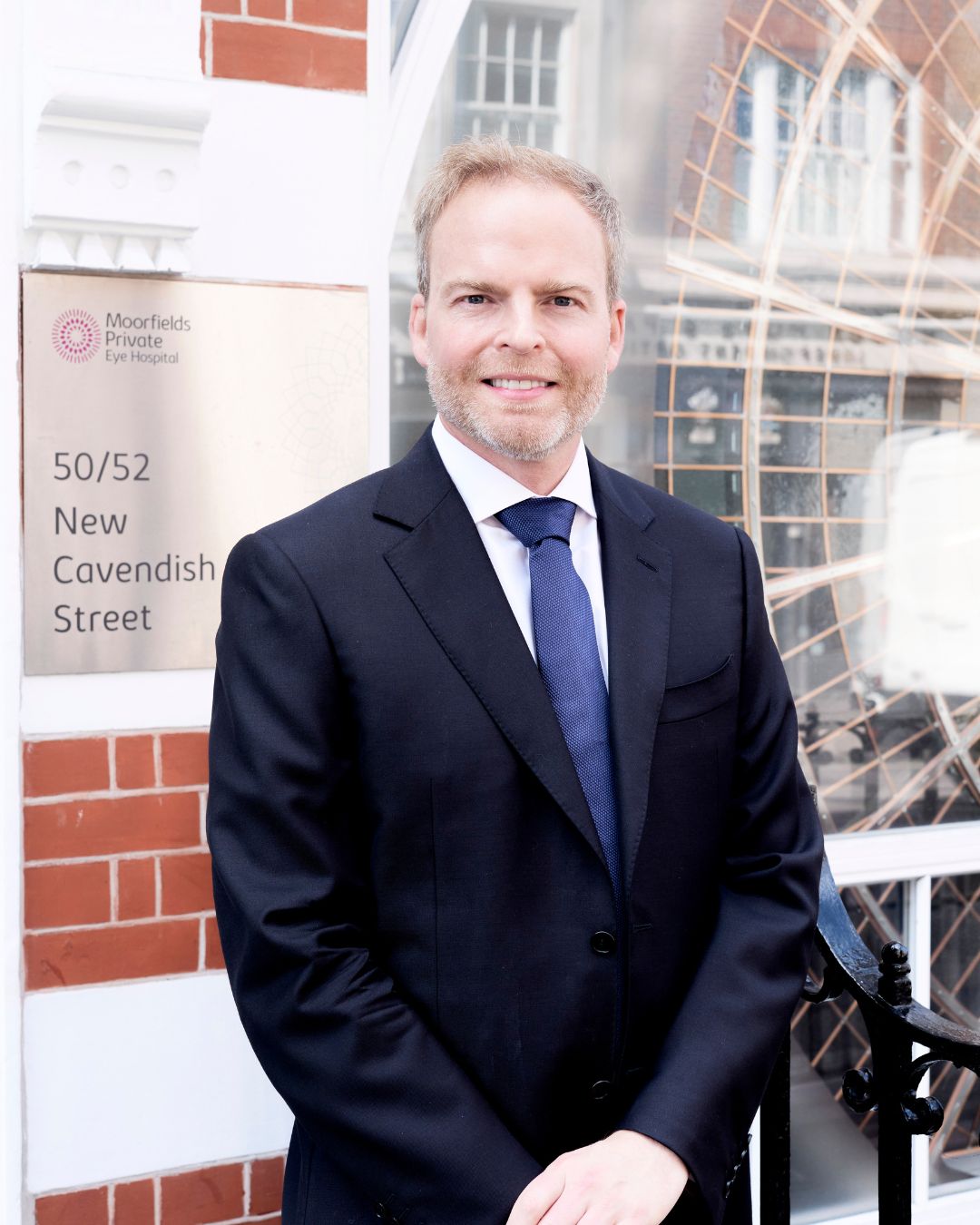
Mr Alex Day is a Consultant Ophthalmologist at Moorfields Eye Hospital in London. He says that as childhood short-sightedness continues to rise, parents should be mindful of how modern devices may be affecting their children’s eye health - and the potential long-term consequences.
"The digital age has transformed the way our children learn and play,” Day explains. “But we're now seeing a dramatic rise in myopia, and children are becoming short-sighted at younger ages.
"The earlier it starts, the further it tends to progress, so early action really matters."
السيد أليكس داي
Why are more children becoming short-sighted?
Short-sightedness happens when your eye focuses light in the wrong place. Instead of focusing directly on the retina - the light-sensitive layer في الجزء الخلفي من عينك that sends visual information to your brain - the light focuses slightly in front of it, making distant objects appear blurry.
It usually develops during childhood or your teenage years and often runs in families. The most common sign of short-sightedness is being able to see close-up, but struggling to see things clearly in the distance.
There are several ways to improve vision affected by myopia - including glasses, contact lenses, and, in some cases, laser eye surgery.
According to Day, however, childhood myopia is not just about needing glasses.
“A myopic eye is an eye that has grown too long,” he warns. “The higher the prescription, the higher the lifetime risk of sight-threatening conditions in adulthood, such as retinal detachment, glaucoma, myopic macular degeneration, and earlier cataract.
"These are not minor concerns. Every dioptre of myopia progression we prevent in childhood reduces the chance of serious eye disease decades later."
How the pandemic changed children’s screen habits
Spending long periods looking at screens up close may increase your risk of developing short-sightedness. Prolonged close-up focusing can put strain on your eyes and may be linked to your eyeball becoming more elongated.
Day explains that the COVID-19 pandemic accelerated the shift towards greater screen use, as children spent more time indoors, and home schooling increased their reliance on devices for learning.
“Studies of children confined to home schooling in 2020 recorded a sharp jump in short-sightedness,” he says. “One large study found myopia in six-year-olds at roughly three times the rate of previous years.”
Day adds that there are two well-established environmental risk factors for myopia - spending too little time outdoors in daylight and having long, uninterrupted periods of close-up work.
Both can become more of an issue during a screen-heavy school term.
5 ways to help protect your child’s eyesight
If you’re a parent worried about the effect of prolonged screen use on your child’s vision, there are steps you can take to help manage myopia. Acting early could slow its progression by around a third to a half or more, says the eye surgeon.
Treatments such as low-dose atropine eye drops, specially designed myopia-control glasses, contact lenses, and overnight lenses that gently reshape the cornea (orthokeratology) can help slow the condition. However, Day also recommends several other ways you can help protect your child’s eyesight.
تشمل هذه الأشياء:
Make time for the outdoors - aim for at least two hours outside in daylight each day. This is the best-evidenced way to delay or help prevent myopia from developing.
Give their eyes a break - follow the 20-20-20 rule. Every 20 minutes, encourage your child to look at something around 20 feet away for 20 seconds. It’s also a good idea to keep books and screens at least 30 centimetres away when reading.
Keep screen time in check - try to keep recreational screen time below two hours a day, in line with international guidance, and ideally less for school-age children. It’s also best to keep screens out of the bedroom at night.
Book a sight test - NHS sight tests are free for children. Arrange their first full test at around four to five years old, when they start school, or sooner if you have any concerns. Look out for signs such as squinting, sitting very close to the TV, or struggling to see the board at school.
Talk to an eye-care professional - if your child is already short-sighted, ask your optometrist or ophthalmologist about treatments that can help slow it down, rather than simply updating their glasses each year.
"More and more children are becoming short-sighted, and at younger ages," Day concludes. "We must encourage outdoor activities such as sports, reduce screen use, and stay proactive about vision checks. If your child is already myopic, ask about treatment to slow it down.
"Protecting your child's eyesight now can help avoid major eye health issues later in life."
اختيارات المرضى لـ صحة العين
صحة العين
حافظ على بصرك للمستقبل: لماذا تستحق عيناك خطة طويلة الأمد
It’s a fact of life that, as we age, certain bodily functions naturally change - and eyesight is one of them. While many factors affect eye health and not all are within our control, simple healthy habits can help keep your vision strong for longer. Caring for your eyes as you get older can make a big difference in keeping you active, independent, and able to do what you love.
بقلم فيكتوريا راو

صحة العين
لماذا تكون رؤيتي أسوأ عند القيادة ليلاً؟
إذا كنت تجد صعوبة أكبر في القيادة ليلًا، فقد يكون لذلك سبب. ورغم أن العوامل الخارجية قد تؤثر في الرؤية الليلية، يستكشف هذا المقال أسبابًا أخرى محتملة، وما يمكنك فعله لدعم صحة عينيك والشعور بثقة أكبر على الطريق بعد حلول الظلام.
بقلم فيكتوريا راو
عن المؤلفعرض السيرة الذاتية الكاملة
كتبه

Victoria Raw
كاتب مميز
بكالوريوس (مع مرتبة الشرف)، الأدب الإنجليزي
فيكتوريا كاتبة محتوى لدى Patient، وتشمل اهتماماتها الخاصة الصحة النفسية والاتجاهات المجتمعية وتأثير التكنولوجيا في صحتنا.
حول المراجععرض السيرة الذاتية الكاملة

الدكتور كولين تايدي، MRCGP
طبيب عام، مؤلف طبي
MBBS, MRCGP, MRCP (Paediatrics), DCH
الدكتور كولين تايدي هو طبيب في هيئة الخدمات الصحية الوطنية، ويعمل في أوكسفوردشاير.
تاريخ المقال
المقال متاح أيضًا باللغة الإنجليزية, الألمانية, إسبانية, الفرنسية, إيطالي, البرتغالية, الهندية, العبرية, العربية ,، و السويدية.
Next review due: 3 Sept 2029
3 Sept 2026 | نُشر في الأصل
كتبه:
Victoria Rawمراجعة من قبل
الدكتور كولين تايدي، MRCGP
انضم إلى المحادثة
شارك أفكارك أو تجاربك مع الآخرين في مجتمعات المرضى.

اسأل، شارك، تواصل.
تصفح المناقشات، اطرح الأسئلة، وشارك التجارب عبر مئات المواضيع الصحية.

هل تشعر بتوعك؟
قم بتقييم أعراضك عبر الإنترنت مجانًا
اشترك في النشرة الإخبارية للمرضى
جرعتك الأسبوعية من النصائح الصحية الواضحة والموثوقة - مكتوبة لمساعدتك على الشعور بالاطلاع والثقة والتحكم.
من خلال الاشتراك، فإنك تقبل سياسة الخصوصية. يمكنك إلغاء الاشتراك في أي وقت. نحن لا نبيع بياناتك أبدًا.