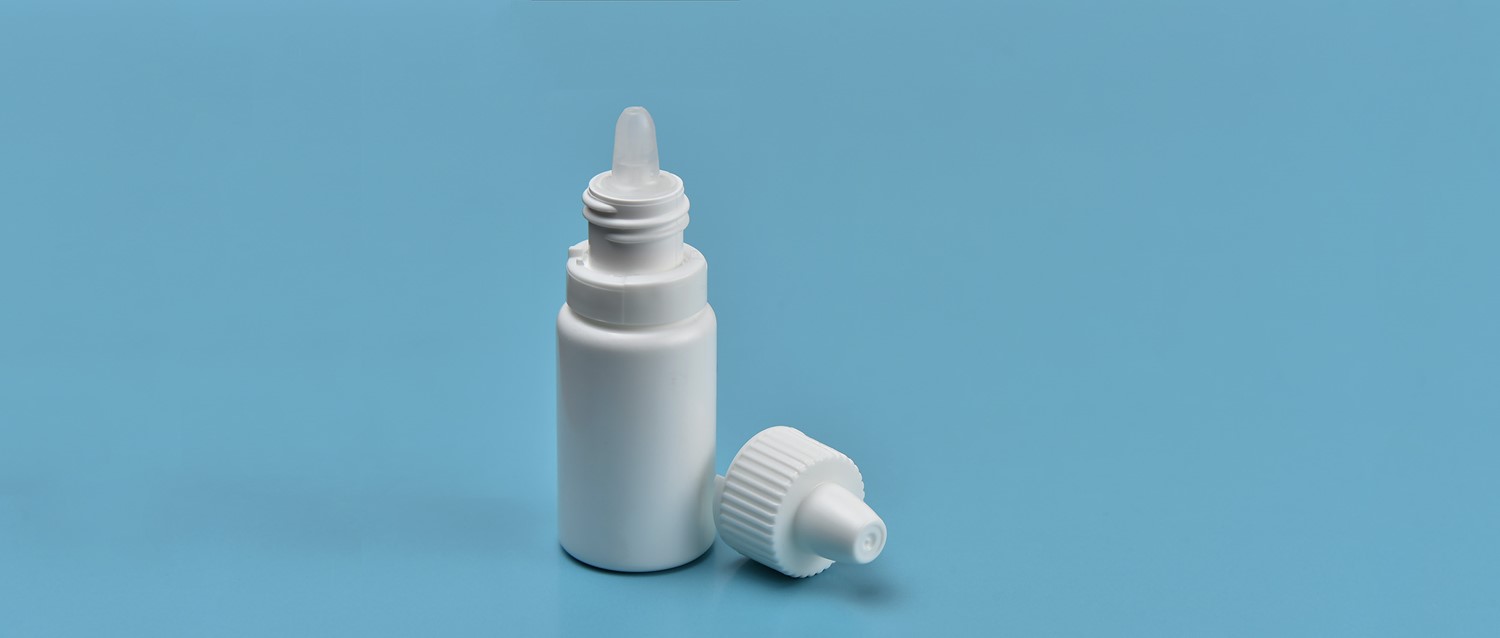
كيفية استخدام قطرات العين
مراجعة من قبل Prof Cathy Jackson, MRCGPآخر تحديث بواسطة الدكتورة ماري هاردينغ، MRCGPآخر تحديث 11 Oct 2017
يتوافق مع الإرشادات التحريرية
- تنزيلتنزيل
- مشاركة
- Language
- نقاش
- نسخة صوتية
- أضف إلى المصادر المفضلة على جوجل
This leaflet gives general advice on how to use most eye drops. However, you may be given specific instructions which may vary from the advice below. If you have any queries, ask your pharmacist.
Using eye drops
Diagram showing how to use eye drops
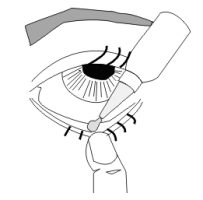
Wash your hands and sit or stand in front of a mirror.
Take off the top of the bottle.
Bend your head backwards and gently pull your lower eyelid down.
Hold the dropper above one eye. Squeeze one drop into the pocket formed by gently pulling down the lower eyelid. Try not to touch your eye, eyelashes, or anything else with the dropper tip in order to keep it clean.
Let go of the eyelid and keep the eye closed for as long as possible (2-3 minutes at least) after application of the eye drop, with your head tilted down towards the floor.
Press gently on the tear duct (inner corner of the eye) with one finger for a minute.
Wipe away any liquid that falls on to your cheek with a tissue.
Repeat in the other eye if the drop is prescribed for both eyes.
When two different eye drop preparations are used at the same time of day, wait for at least five minutes before putting the second drop into an eye. This stops the first drop from being diluted or washed away.
Some useful tips about eye drops
Keep the bottle closed in a cool, dark place (unless otherwise advised).
Do not let the dropper or dropper nozzle touch your eye, fingers, or any other surface. This is to keep it free from germs.
Do not let anyone else use your drops and do not use anyone else's drops yourself.
Keep the eye drops out of children's reach.
Throw out the bottle (and get a new one if required) after the recommended time. This is often four weeks after first opening the bottle. There is a risk that the drops may become infected if they are kept and used for longer than advised. (One tip is to write the date that you opened the bottle on the label so you will know when it is time to throw it out.)
Some eye drops come in disposable single-dose units rather than in bottles.
You may get a taste of eye drops in your mouth, or a feeling that the drops are running down your throat. This is normal as the tear duct which drains tears to your nose will also drain some of the eye drop. To prevent this gently press on the tear duct for a minute or so after applying the drop. This will also help prevent any of the eye medication getting into the rest of your system,
Some eye drops sting or irritate for a short while. Rarely, some people are allergic to some eye drops. Tell your doctor if eye symptoms become worse after using eye drops.
Do not drive until your vision has cleared.
Do not wear contact lenses whilst using eye drops unless otherwise advised. (Some drugs and preservatives in eye drops can accumulate in soft contact lenses and may cause harm.)
There are devices available to help people who have difficulty squeezing the bottle accurately. Your pharmacist should be able to advise you on how to obtain one.
How to give eye drops to children
This will depend on the age and co-operation of the child but can be a challenge. Depending on their age, you can:
Sit the child with their head tilted back.
Lay them flat on their back.
Ask another adult to hold them securely.
Wrap the child in a blanket to keep their arms and legs still.
Then apply the drop using the same instructions above.
If the child is very distressed and if it is the only way you can administer the drop, there is another option. However, this does not work so well; therefore, only use it as a last resort. Lay the child on their back with their eyes closed. Allow the drop to fall on the skin just next to the inner corner of the eye by the nose. As the child opens their eyes, some of the drop should enter the eye.
اختيارات المرضى لـ صحة العين

صحة العين
كيفية تخفيف حكة العينين في الصيف
We all know the importance of wearing sunscreen and protecting our skin from the sun in the summer, but did you know your eyes also need looking after as well? It's not just the sun you need to protect them from - there's a whole range of eye issues you might need to navigate in the summer, including itchy eyes.
بقلم لين ستيفن
صحة العين
لماذا نبكي؟
It was the poet Ella Wheeler Wilcox who wrote: 'Laugh and the world laughs with you, weep and you weep alone.' This aphorism is only partly true. Although laughing is more infectious than crying, crying is almost as widespread an activity. Extend the definition to include the production of tears for any reason, and it becomes a universal phenomenon.
بقلم الدكتور لورانس نوت
عن المؤلفعرض السيرة الذاتية الكاملة

الدكتورة ماري هاردينغ، MRCGP
طبيب عام، مؤلف طبي
BA, MA, MB, BChir, MRCGP, DFFP
Dr Mary Harding qualified from Cambridge University medical school in 1989.
حول المراجععرض السيرة الذاتية الكاملة

Prof Cathy Jackson, MRCGP
مؤلف طبي
BSc (Hons) Physiology, MB, ChB, MRCGP, MD
Professor Cathy Jackson graduated from Manchester Medical School having gained a first-class honours degree in physiology along the way.
تاريخ المقال
تمت مراجعة المعلومات الموجودة في هذه الصفحة من قبل أطباء مؤهلين.
المقال متاح أيضًا باللغة الإنجليزية, الألمانية, إسبانية, الفرنسية, إيطالي, البرتغالية, الهندية, العبرية, العربية ,، و السويدية.
11 Oct 2017 | أحدث إصدار

اسأل، شارك، تواصل.
تصفح المناقشات، اطرح الأسئلة، وشارك التجارب عبر مئات المواضيع الصحية.

هل تشعر بتوعك؟
قم بتقييم أعراضك عبر الإنترنت مجانًا
اشترك في النشرة الإخبارية للمرضى
جرعتك الأسبوعية من النصائح الصحية الواضحة والموثوقة - مكتوبة لمساعدتك على الشعور بالاطلاع والثقة والتحكم.
من خلال الاشتراك، فإنك تقبل سياسة الخصوصية. يمكنك إلغاء الاشتراك في أي وقت. نحن لا نبيع بياناتك أبدًا.
المزيد في صحة العين
- تشريح العين
- حافظ على بصرك للمستقبل: لماذا تستحق عيناك خطة طويلة الأمد
- كيفية التعايش مع العوامات العينية الشديدة
- كيفية العناية بعينيك أثناء العمل من المنزل
- كيفية الوقاية من جفاف العينين خلال الشتاء
- كيفية تقليل إجهاد العين أثناء مشاهدة التلفاز
- كيفية تخفيف حكة العينين في الصيف
- كيفية استخدام مرهم العين
- كيف تتغير عيناك مع تقدمك في العمر
- هل يؤذي مكتبك عينيك؟
- التدخين قد يؤدي إلى فقدان البصر، يحذر أخصائيو البصريات
- أفضل 10 نصائح لتخفيف جفاف العين
- ما هو AMD ولماذا يجب أن تولي اهتمامًا؟
- ما هو الاستجماتيزم
- ما هو الارتباط بين آلام الظهر والرقبة والعين؟
- ماذا تأكل للحفاظ على صحة العينين
- متى يجب أن تقلق بشأن عينيك؟
- لماذا نبكي؟
- لماذا تكون رؤيتي أسوأ عند القيادة ليلاً؟