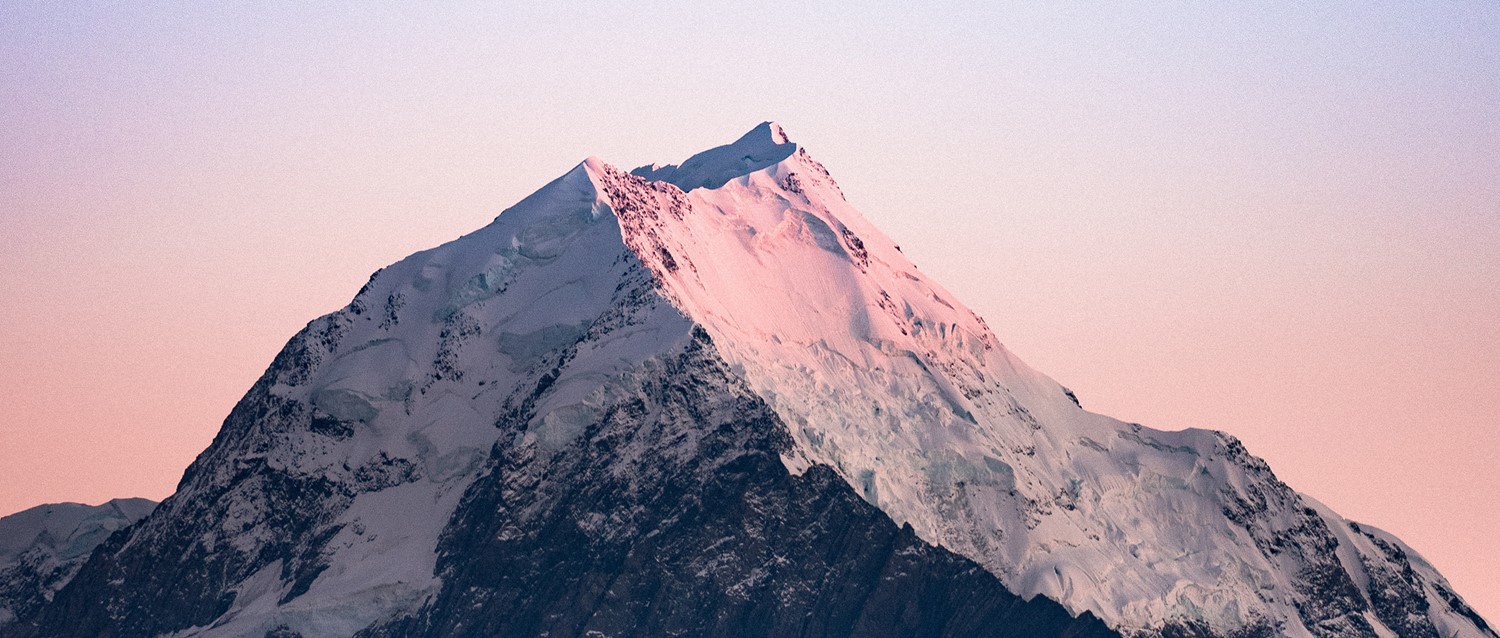
كيف تمنع داء المرتفعات؟
مراجعة من قبل الدكتورة سارة جارفيسكتبه جيليان هارفينُشر في الأصل 9 يوليو 2019
يتوافق مع الإرشادات التحريرية
- تنزيلتنزيل
- مشاركة
- Language
- نقاش
- Ask Patient
- نسخة صوتية
- أضف إلى المصادر المفضلة على جوجل
Off on a climb? Whether you're an experienced mountaineer or a charity fundraiser doing a once-in-a-lifetime trip, you need to be aware of the risks to your health when you climb to high altitudes. Familiarising yourself with the symptoms of altitude sickness and taking steps to minimise the risk before your trip could prevent a great deal of suffering - and even save your life.
Explore altitude sickness prevention
احصل على مشورة صحية متخصصة وأنت في راحة منزلك. أكمل استشارة سريعة عبر الإنترنت، متاحة على مدار الساعة طوال أيام الأسبوع، وسيراجع طلبك ممارس صحي مسجل في المملكة المتحدة. تتوفر خدمة التوصيل في اليوم التالي للعلاجات المؤهلة.

اختيارات الفيديو لـ نصائح السفرمكتبة الفيديو
What is altitude sickness?
Altitude sickness is an illness that may develop when you reach a height of 2500 metres above sea level.
"There is a particular risk if you ascend too quickly, without giving your body time to adjust to lower oxygen levels," explains James Moore, director of Exeter Travel Clinic. "Symptoms, which include headache, الغثيان, dizziness and fatigue at higher altitude, should never be ignored, as the condition can worsen, leading to high-altitude pulmonary oedema (HAPE) - a build-up of fluid in the lungs - or to high-altitude cerebral oedema (HACE) - a build-up of fluid in the brain. Both of these can be fatal."
Anyone climbing or travelling to 2500 metres above sea level or higher may develop altitude sickness. In the UK you're safe, as even Ben Nevis - the highest mountain - is only 1344 metres.
However, in some popular holiday destinations, you need to be careful. "You may reach 3500 metres in the Alps going skiing," explains Moore. "Although because people are going up and down, the risk is lower. Those at higher risk are people who are doing some of the higher mountain hikes, such as the Everest base camp trek, Kilimanjaro, or some of the higher passes on the Inca Trail."
Does being fit minimise risk?
It would be easy to assume that physical strength can play a part in preventing altitude sickness. However, the condition is caused primarily by rapid ascent rather than lack of fitness or preparation, and you are at a slightly higher risk if you've experienced altitude sickness before.
Even if you've climbed mountains without experiencing this condition, you may well find yourself suffering on your next trip.
How can I prevent altitude sickness?
Whilst altitude sickness may not be entirely preventable, you can minimise your risk by ensuring you don't ascend too quickly.
"Guidelines suggest that climbers don't ascend more than 500 metres per day once they've reached 3000 metres," says Moore. "And take a rest day every third or fourth day. So when planning your trip, look at the speed of ascent and make sure you stay within limits."
It's also important to ensure that you are adequately hydrated and avoid alcohol.
Acetazolamide - a prescription medicine - can also be used to reduce the risk of acute mountain sickness developing, and reduce the symptoms of altitude sickness. It's not usually available on the NHS, but many pharmacists offer a service where they can provide it as part of their travel health service. It's important to discuss this medication with your GP, specialist travel nurse or pharmacist to ensure you take the correct dose.
What should I do if I develop symptoms?
If you develop any of the symptoms of altitude sickness, it's important not to climb any higher until your symptoms have disappeared. If your symptoms persist it's advisable to descend to a lower level where it is easier to breathe. If your symptoms become severe, it's important to seek urgent medical attention.
As well as acetazolamide, milder symptoms can also be alleviated with over-the-counter remedies, such as paracetamol for headaches, and anti-sickness medication for any feelings of nausea you experience.
Taking a risk
Sadly, despite our knowledge of altitude sickness, people die every year from HAPE and HACE whilst climbing. Any symptoms of altitude sickness should be taken seriously, and the charity Altitude.org advises that if you develop the symptoms you should assume "you have altitude sickness unless proven otherwise".
"People sometimes feel they need to press on. Perhaps they've spent a lot of money going to Everest base camp or Kilimanjaro and feel determined to get to the top," explains Moore. "Or you might have people around you who don't recognise the symptoms and aren't willing to turn back.
"A lot of people are spurred on because they're raising money for charity; and they force themselves to ascend too high, too quickly."
Be altitude aware
Setting yourself a challenge and having to turn back is a disappointing outcome. However, it's important that you don't risk your health by ignoring or downplaying symptoms. If you're planning a trip, make sure you take note of the symptoms of altitude sickness so that you can spot warning signs in yourself and others.
اختيارات المرضى لـ نصائح السفر
السفر والتطعيمات
كيف تحافظ على صحتك أثناء العطلة
Nobody expects to get ill on holiday, but it does happen. Dr Sarah Jarvis has lost count of the medical miseries she's heard from patients that could have been avoided. Here she shares her top tips for healthy holidays - so that the only mementos you bring back from vacation are happy ones.
بقلم أمبرلي ديفيس
السفر والتطعيمات
كيفية التعامل مع دوار الحركة
هل شعرت يومًا بالغثيان أو الدوار أثناء وجودك في مركبة متحركة؟ ربما شعرت أيضًا بتعرق بارد، أو شعرت بالضعف، أو أصبت بصداع في نفس الوقت؟ قد يكون دوار الحركة شائعًا، لكن هذا لا يعني أنك لا تستطيع منعه أو علاجه.
بقلم أمبرلي ديفيس
عن المؤلفعرض السيرة الذاتية الكاملة
كتبه
جيليان هارفي
كاتب مستقل
بكالوريوس (مع مرتبة الشرف) في اللغة الإنجليزية
جيليان كاتبة مستقلة وكاتبة عمود لعدد من الصحف والمجلات الوطنية.
حول المراجععرض السيرة الذاتية الكاملة

الدكتورة سارة جارفيس
استشاري سريري
MA (Cantab), BM, BCh (Oxon), DRCOG, FRCGP, MBE
بعد التدريب في الطب في كامبريدج وأكسفورد، أصبحت الدكتورة سارة جارفيس حاصلة على وسام الإمبراطورية البريطانية طبيبة عامة.
تاريخ المقال
المقال متاح أيضًا باللغة الإنجليزية, الألمانية, إسبانية, الفرنسية, إيطالي, البرتغالية, الهندية, العبرية, العربية ,، و السويدية.
9 يوليو 2019 | نُشر في الأصل
كتبه:
جيليان هارفيمراجعة من قبل
الدكتورة سارة جارفيس
شارك أفكارك أو تجاربك مع الآخرين في مجتمعات المرضى.
اشترك في النشرة الإخبارية للمرضى
جرعتك الأسبوعية من النصائح الصحية الواضحة والموثوقة - مكتوبة لمساعدتك على الشعور بالاطلاع والثقة والتحكم.
من خلال الاشتراك، فإنك تقبل سياسة الخصوصية. يمكنك إلغاء الاشتراك في أي وقت. نحن لا نبيع بياناتك أبدًا.