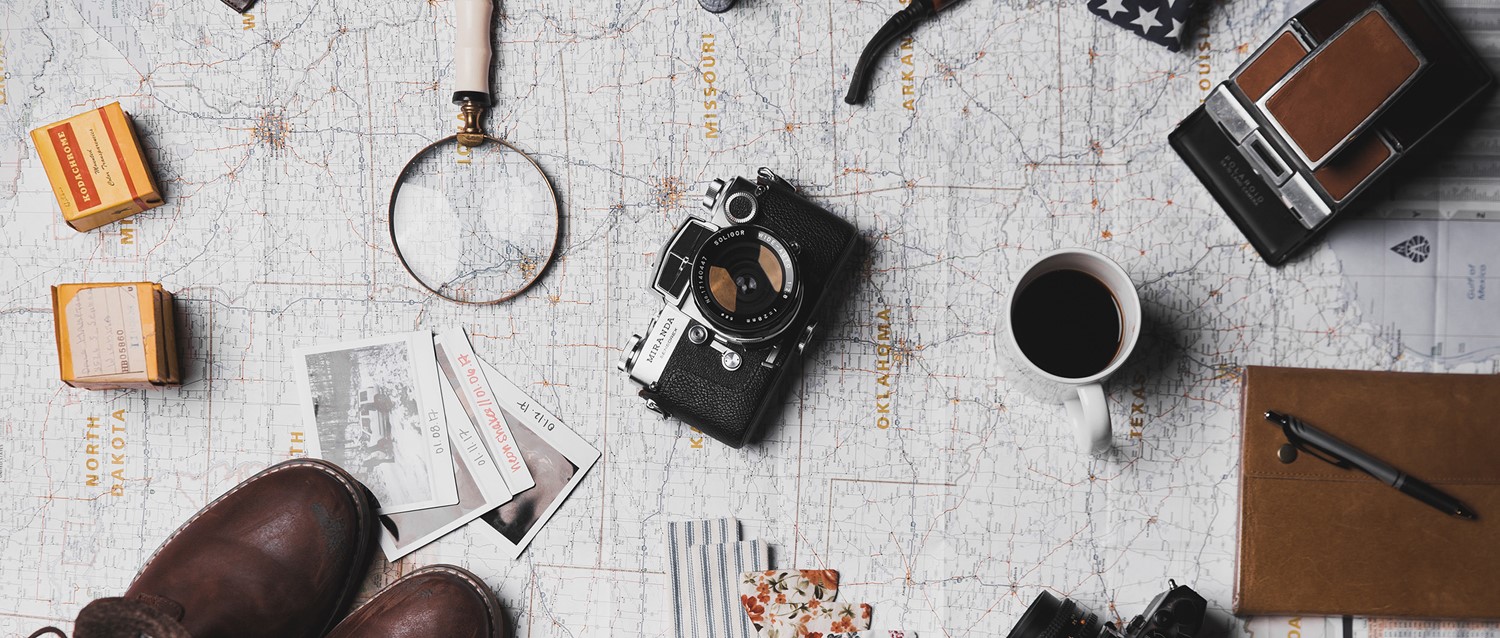
مجموعة أدوات السفر الأساسية للمغامرة
مراجعة من قبل الدكتورة سارة جارفيسكتبه الدكتورة آنا كانتلي، عضوة الكلية الملكية للأطباء العاميننُشر في الأصل 21 ديسمبر 2017
يتوافق مع الإرشادات التحريرية
- تنزيلتنزيل
- مشاركة
- Language
- نقاش
- Ask Patient
- نسخة صوتية
- أضف إلى المصادر المفضلة على جوجل
From the plains of the African Sahara to the peaks of the Himalayas, a traveller must always be prepared. Some precautions should be taken by every explorer. But preparation for an adventure requires more than simply buying a backpack and an all-season sleeping bag. A real traveller must prepare for every eventuality … and that includes taking care of your health whilst you're away.
Whether it’s trekking through the jungle or climbing a mountain that excites you, this essential travel kit will provide you with all the necessary materials to keep you safe and healthy while away.
Explore malaria prevention options
احصل على مشورة صحية متخصصة وأنت في راحة منزلك. أكمل استشارة سريعة عبر الإنترنت، متاحة على مدار الساعة طوال أيام الأسبوع، وسيراجع طلبك ممارس صحي مسجل في المملكة المتحدة. تتوفر خدمة التوصيل في اليوم التالي للعلاجات المؤهلة.

اختيارات الفيديو لـ نصائح السفرمكتبة الفيديو
Anti-malarial tablets
الملاريا prevention should always be a priority. Spread by mosquitoes, the منظمة الصحة العالمية (WHO) reported approximately 212 million worldwide malaria cases in 2015 and an estimated 429,000 malaria deaths. Always check if you are travelling to a high-risk zone by seeking advice from your practice nurse or by checking the Travel Health Pro website.
In addition to bite avoidance via mosquito nets and repellent spray, your essential travel kit should contain a course of anti-malarial tablets. These aren't available on the NHS, but since July 2017 you can get advice, and buy any tablets including malarone, from pharmacists. They're also available on a private prescription from your GP or from travel clinics.
Mountain sickness
Acute mountain sickness (AMS) can affect travellers trekking or climbing to altitudes above 2500 metres. At higher altitudes, the air is thinner and has a lower pressure, so each breath contains less oxygen. If you ascend too quickly, your body can't acclimatise in time and you could be at risk of AMS, which can cause symptoms such as nausea and vomiting and a headache.
The best way to avoid AMS is to climb slowly and allow your body time to adjust. If you are unfortunate enough to develop AMS, take time to rest and drink plenty of fluids. Make sure you pack some مسكنات الألم in your travel kit - such as paracetamol and Ibuprofen. Wait until you're feeling better before you climb any higher and if symptoms don't improve, descend as soon as possible.
You can prevent and treat AMS with a medication called acetazolamide (Diamox®), available on a private prescription from your GP or travel clinic. This helps to speed up the rate of your body's acclimatisation. It isn't recommended for routine use, but might be a good thing to add to your kit if you've experienced AMS before.
Tackling traveller's diarrhoea
Diarrhoea abroad is common, affecting as many as half us travelling to developed countries. It's caused by eating food or drinking water contaminated by bugs such as viruses, bacteria and parasites.
Most of the time, the illness is short-lived, lasting three to four days. Most travellers experience mild symptoms including diarrhoea, nausea and vomiting, ألم في البطن and fever. Treatment isn't normally needed but keeping hydrated is really important.
In most cases, you don't need to see a doctor. Medical advice should, however, be sought for the immunocompromised, elderly, young children, in pregnancy and for certain medical conditions.
You may wish to consider taking the following medication in your travel kit:
Water purification. In addition to boiling and filtering water, water purification tablets can be bought from most chemists.
Oral rehydration sachets. Mixed with water, they are a good way to replace salts and sugars lost from the diarrhoea.
Anti-diarrhoeal medication. Not always necessary, but a good idea to pack in case you have limited access to a toilet. لوبيراميد is the safest and most effective.
المضادات الحيوية. Most cases of traveller's diarrhoea do not require antibiotics. However, the WHO has suggested that travellers with certain health conditions or those staying in remote places should consider taking 'just in case' antibiotics with them should their symptoms be persistent and severe. سيبروفلوكساسين, azithromycin أو rifaximin are the antibiotics normally used.
الواقيات الذكرية
If you're hoping to fall in love with a fellow traveller on your adventure, it's probably a good idea to pack some condoms. Even if you're not, it's worth taking some anyway. الأمراض المنقولة جنسياً (STIs) are no laughing matter and you don't want to be worrying about finding a sexual health clinic if you are in a remote area.
Using condoms is the best way to reduce your risk of STIs, including transmission of blood-borne viruses such as فيروس نقص المناعة البشرية و التهاب الكبد B and C. If accidents do happen, you will need to find a local medical clinic that can provide you with post-exposure prophylaxis or PrEP, a combination of antiviral medication to help limit your risk of becoming infected.
To help prevent unplanned pregnancies, some pharmacies in the UK will help you be prepared by allowing you to purchase an وسائل منع الحمل الطارئة pill for your travel. There are two available, Levonelle® (effective for up to three days after unprotected sex) and EllaOne® (effective for five days).
Wound care
Make sure your travel kit is well equipped for dealing with any injuries whilst away. Pack antiseptic, gauze, bandages, scissors and sunburn treatment.
Country-specific advice
For country-specific health and safety advice, including information on what vaccinations you may need before travel, you may find the following sites helpful:
TravelHealthPro (formerly NaTHNaC)
اختيارات المرضى لـ نصائح السفر

السفر والتطعيمات
كيف تحافظ على صحتك أثناء العطلة
Nobody expects to get ill on holiday, but it does happen. Dr Sarah Jarvis has lost count of the medical miseries she's heard from patients that could have been avoided. Here she shares her top tips for healthy holidays - so that the only mementos you bring back from vacation are happy ones.
بقلم أمبرلي ديفيس

السفر والتطعيمات
هل يجب أن تقلق بشأن الآثار الجانبية لأقراص الملاريا؟
الملاريا هي مرض يمكن الوقاية منه بشكل شبه كامل، ولكن في عام 2017 كان هناك 1,700 حالة في المملكة المتحدة وست حالات وفاة بسببه. معظم الأشخاص الذين أصيبوا لم يتناولوا أقراص مكافحة الملاريا أو لم يتناولوها كما هو موصى به. أحد الأسباب لتجنب أدوية الملاريا يمكن أن يكون الارتباط بالآثار الجانبية. ولكن ما مدى احتمال حدوثها؟
بقلم غلينيس كوزما
عن المؤلفعرض السيرة الذاتية الكاملة
كتبه

الدكتورة آنا كانتلاي، عضوة الكلية الملكية للأطباء العامين
طبيب عام، مؤلف طبي
BMBS, BMedSci, MRCGP, DRCOG, DFSRH, DOCCMED
Dr Anna Cantlay is an experienced NHS and private GP based in London.
حول المراجععرض السيرة الذاتية الكاملة

الدكتورة سارة جارفيس
استشاري سريري
MA (Cantab), BM, BCh (Oxon), DRCOG, FRCGP, MBE
بعد التدريب في الطب في كامبريدج وأكسفورد، أصبحت الدكتورة سارة جارفيس حاصلة على وسام الإمبراطورية البريطانية طبيبة عامة.
تاريخ المقال
المقال متاح أيضًا باللغة الإنجليزية, الألمانية, إسبانية, الفرنسية, إيطالي, البرتغالية, الهندية, العبرية, العربية ,، و السويدية.
21 ديسمبر 2017 | نُشر في الأصل
كتبه:
الدكتورة آنا كانتلاي، عضوة الكلية الملكية للأطباء العامينمراجعة من قبل
الدكتورة سارة جارفيس
شارك أفكارك أو تجاربك مع الآخرين في مجتمعات المرضى.
اشترك في النشرة الإخبارية للمرضى
جرعتك الأسبوعية من النصائح الصحية الواضحة والموثوقة - مكتوبة لمساعدتك على الشعور بالاطلاع والثقة والتحكم.
من خلال الاشتراك، فإنك تقبل سياسة الخصوصية. يمكنك إلغاء الاشتراك في أي وقت. نحن لا نبيع بياناتك أبدًا.