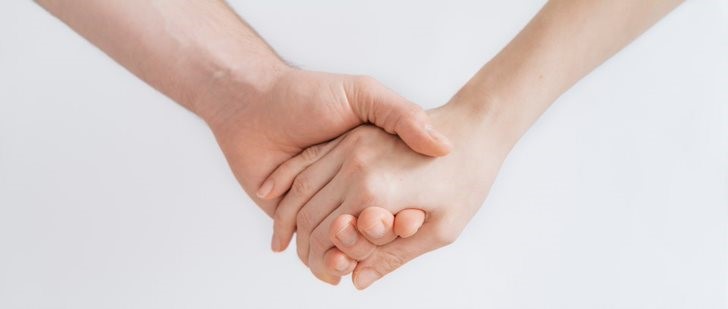
ما تحتاج لمعرفته حول الموافقة الجنسية
مراجعة من قبل الدكتور كريشنا فاخاريا، MRCGPآخر تحديث بواسطة ليديا سميثآخر تحديث 19 سبتمبر 2023
يتوافق مع الإرشادات التحريرية
- تنزيلتنزيل
- مشاركة
- Language
- نقاش
- نسخة صوتية
- أضف إلى المصادر المفضلة على جوجل
The #MeToo movement sparked an unprecedented conversation around sexual harassment and assault and saw many people come forward with allegations against powerful men in Hollywood. It started a discussion not only about the assault, but about sexual consent too.
Here is everything you need to know about consent - and why it is so much more than just saying no.
On a very basic level, consent means agreeing to do something. So when it comes to sex, consent means agreeing to take part in sexual activity.
Bekki Burbidge, former deputy chief executive at the sexual health charity FPA, says: "With regards to sexual activity, the legal definition of consent in England and Wales set out by the Sexual Offences Act 2003, is when someone 'agrees by choice ... and has the freedom and capacity to make that choice'.
"So it means that someone agrees of their own free will, without threat, pressure or coercion, that they know what they're consenting to, and have the capability to make that decision for themself."
Scotland and Northern Ireland have similar definitions and each country allows for circumstances which may affect someone's capacity to freely consent, such as when they're sleeping or have been subject to threats or violence.
The age of consent - the age at which it is legal to have sex - is 16, but any kind of sexual contact without consent is illegal, no matter the age of those involved. It is your right to say no to any kind of sexual activity, and sexual assault or rape includes vaginal sex, sex with an object, oral, anal and touching.
Why consent is more than saying no
Importantly though, consent is much more than just saying no to unwanted activity. "It's about listening, negotiating, and enthusiastically agreeing," Burbidge says.
"There could be a range of reasons that someone isn't able to say 'no' - but that doesn’t mean that they're giving their agreement. Reducing consent to someone saying no ignores non-verbal cues, and does not recognise that people might freeze or become silent when in an uncomfortable situation."
"Sometimes you might not say 'no' out loud but might say it in other ways, like 'not right now', 'I’m not sure', or by staying silent," she adds. "Your body language might also signal lack of consent - for example, by turning away, by curling up, or by not responding positively to touching."
Burbidge adds that discussions around consent should focus on whether you have gained someone's full, happy and enthusiastic consent before going ahead with anything. "It’s about an enthusiastic 'yes' rather than the absence of a 'no'."
Consent is an ongoing conversation
Consent is an ongoing conversation, as someone might agree to sex earlier on and then change their mind - and everyone has the right to do this. If you have had sex with someone before, it doesn't mean you have to have sex with them again.
Likewise, consent may be given to one kind of sexual activity but not another. Consent may only be given with certain conditions too, such as wearing a condom.
Importantly, going out with someone or being married doesn't give them the right to do what they want to you - and flirting, or wearing certain clothing, is never a sign of consent.
If you have been drinking alcohol or doing drugs, your ability to consent to sex may be compromised. The sexual health organisation Brook points out that legally, people who are drunk or high can't consent to sex, or any other kind of sexual activity - and having sex with someone who is very drunk is rape or sexual assault.
If you have been assaulted, it is not your fault and you should get help, including from the police. You may need time to process what has happened, but it is important to get medical help from your doctor or a walk-in centre, as you may be at risk of الأمراض المنقولة جنسيًا or pregnancy.
Teaching children about consent
Teaching children and young people about consent is key in helping to safeguard them and make sure nobody gets harmed.
Since 2020, education around consent has been compulsory in UK schools. However, research shows only 36% of 11 to 17-year-olds are learning about consent in relationships and sex education classes1.
At the same time, the number of young women experiencing sexual harassment at school from other students has increased from 55% in 2014 to 67% in 2022. The actual figures are believed to be higher, as many girls don't feel able to come forward about experiencing harassment or assault.
Education around bodily consent and autonomy is key to ensuring young people's safety, particularly when children have access to the internet and وسائل التواصل الاجتماعي.
There are many ways to do this, depending on the age of the child. For example, you can talk to a primary school child about what they should do if someone violates their boundaries by touching or hugging them. Teenagers should be taught about clear, verbal, enthusiastic consent. You can find some helpful information about teaching consent from the organisation Safe4Me and the charity Brook.
قراءة إضافية
اختيارات المرضى لـ General sexual health

الصحة الجنسية
كيفية منع تهيج الأعضاء التناسلية من التأثير على حياتك الجنسية
We look at the lifestyle factors that may be a trigger for skin allergies and genital irritation and hear from the experts about how to address them.
بواسطة سالي تيرنر
الصحة الجنسية
التثقيف الجنسي للمراهقين: أفضل الموارد الرقمية لطفلك
Does your teenage child have questions about sex, relationships, their identity, or the physical changes that accompany puberty? Perhaps you're looking for a safe space online where they can explore different aspects of sex education and learn healthy behaviours? There are many helpful resources out there, and we've assembled some of the most trustworthy to help you support your child's sex education.
بقلم أمبرلي ديفيس
عن المؤلفعرض السيرة الذاتية الكاملة

ليديا سميث
كاتب مميز
بكالوريوس، ماجستير، ماجستير علوم
ليديا سميث صحفية حائزة على جوائز وكاتبة مقالات متميزة كتبت بشكل واسع عن صحة المرأة والصحة النفسية. وهي تدرس حاليًا للحصول على درجة الماجستير في علم النفس.
حول المراجععرض السيرة الذاتية الكاملة

الدكتور كريشنا فاخاريا، MRCGP
كبير المسؤولين الطبيين للصحة، أوبتوم المملكة المتحدة
MBChB, MRCGP(2013), BMedSci (hons), DFSRH, DRCOG, PGDipDerm (Distn)
الدكتورة كريشنا فاخاريا هي طبيبة عامة في هيئة الخدمات الصحية الوطنية. كما أنها ممتحنة منتظمة لدبلوم الدراسات العليا في الأمراض الجلدية العملية في جامعة كارديف، بالإضافة إلى كونها كبيرة المسؤولين الطبيين للصحة في Optum UK.
تاريخ المقال
تمت مراجعة المعلومات الموجودة في هذه الصفحة من قبل أطباء مؤهلين.
المقال متاح أيضًا باللغة الإنجليزية, الألمانية, إسبانية, الفرنسية, إيطالي, البرتغالية, الهندية, العبرية, العربية ,، و السويدية.
Next review due: 19 Sept 2026
19 سبتمبر 2023 | أحدث إصدار
20 Sept 2018 | نُشر في الأصل
كتبه:
ليديا سميث

اسأل، شارك، تواصل.
تصفح المناقشات، اطرح الأسئلة، وشارك التجارب عبر مئات المواضيع الصحية.

هل تشعر بتوعك؟
قم بتقييم أعراضك عبر الإنترنت مجانًا
اشترك في النشرة الإخبارية للمرضى
جرعتك الأسبوعية من النصائح الصحية الواضحة والموثوقة - مكتوبة لمساعدتك على الشعور بالاطلاع والثقة والتحكم.
من خلال الاشتراك، فإنك تقبل سياسة الخصوصية. يمكنك إلغاء الاشتراك في أي وقت. نحن لا نبيع بياناتك أبدًا.
المزيد في الصحة الجنسية
- نظام غذائي للخصوبة: ماذا تأكلين عندما تحاولين الحمل
- الموافقة على أول علاج لفيروس نقص المناعة البشرية قابل للحقن طويل المفعول
- كيف يمكن للسرطان أن يؤثر على حياتك الجنسية
- ما مدى شيوع العقم عند الرجال، وما هي أسبابه؟
- كم مرة يجب عليك زيارة عيادة الصحة الجنسية لإجراء فحص؟
- كيفية التعامل مع تشخيص الهربس التناسلي
- كيفية منع القذف المبكر
- كيف يمكن أن يكون نمط حياتك سببًا في انخفاض عدد الحيوانات المنوية
- تفنيد الخرافات حول حبوب منع الحمل الطارئة
- إيجابيات وسلبيات الواقيات الأنثوية
- فهم الفولفودينيا ولماذا تسبب الألم أثناء الجماع
- ما الذي قد يعنيه ضعف الانتصاب لقلبك
- ما تحتاج لمعرفته حول فيروس الورم الحليمي البشري
- ما هو مستقبل وسائل منع الحمل؟
- ما هي الأدوية التي يمكن أن تؤثر على وسائل منع الحمل لديك؟
- من يجب أن يتناول دواء الوقاية من فيروس نقص المناعة البشرية PrEP؟
- لماذا لا يزال PrEP غير متاح في هيئة الخدمات الصحية الوطنية في إنجلترا؟
- هل سيكون لدينا يومًا ما حبوب منع الحمل للرجال؟
- الوقاية من فيروس نقص المناعة البشرية للنساء: أهمية الحلقة المهبلية
- اليوم العالمي للإيدز: أين نحن الآن مع فيروس نقص المناعة البشرية؟