World AIDS Day: Where are we now with HIV?
Peer reviewed by Dr Krishna Vakharia, MRCGPAuthored by Lydia SmithOriginally published 2 Dec 2022
Meets Patient’s editorial guidelines
- DownloadDownload
- Share
- Language
- Discussion
- Audio Version
- Add to preferred sources on Google
Medical advancements have transformed our understanding of HIV since the early days of the epidemic in the 1980s Now, people with HIV can lead long, healthy lives, thanks to developments in prevention and treatment. So what do we know about HIV - and what are the latest developments?
HIV statistics and data
According to the World Health Organization, there are 38.4 million people living with HIV around the world. Additionally, 1.5 million acquired HIV and 650,000 people died of HIV-related causes in 2021. Currently, Africa has the highest number of HIV cases1.
Despite advancements in treatments, HIV continues to be a major public health issue. It has claimed more than 40 million lives since the start of the epidemic. However, with increasing access to HIV prevention, diagnosis and treatment, it has become a manageable chronic - long-term - health condition.
Focus on HIV prevention
Although there are often big news stories about potential cures or vaccines for HIV, it's important to keep focusing on prevention, says Adam Freedman, senior policy and campaigns officer at the National AIDS Trust.
"While we welcome such new developments, and the pursuit for better prevention and treatment must always continue, it’s important to note that we already have the scientific tools we need to end the HIV epidemic," he says. "These are testing, oral PrEP and effective treatment which means that people living with the virus can't pass it on."
PrEP treatment
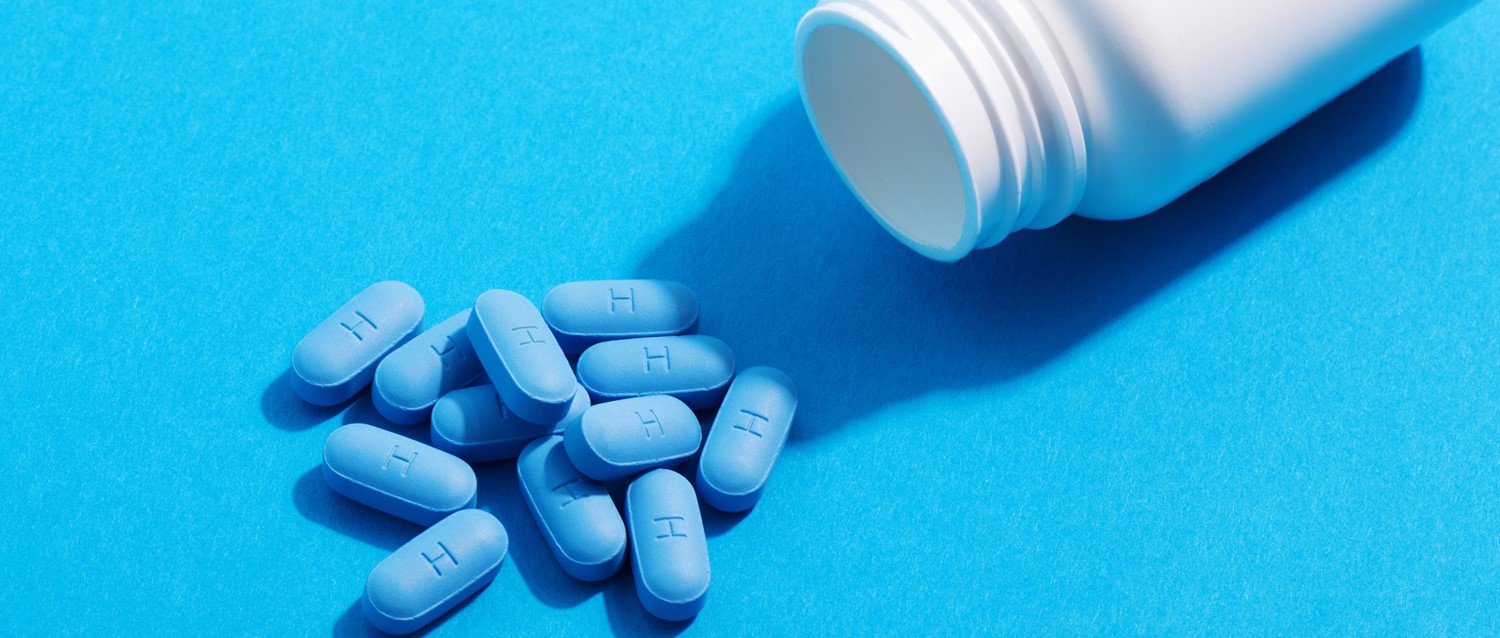
Currently, the drug PrEP - short for pre-exposure prophylaxis - is available for people at risk of contracting HIV. It works by helping the body to produce antibodies which prevent HIV from replicating inside the body. Essentially, the drug stops the virus from crossing into the healthy cells and reproducing. PrEP is usually taken in oral pill form, but it can also be administered by a vaginal ring or injection.
People who are HIV positive go on a lifelong treatment called antiretroviral therapy as soon as possible after being diagnosed. Antiretroviral therapy is a combination of drugs that stop the virus from replicating in the body, allowing the immune system to repair itself.
What is the latest HIV research?
HIV injection
In recent years, one of the most significant developments in HIV medicine has been the introduction of long-acting, injectable treatment for people who are HIV positive. This means that instead of having to take a pill every day, people living with HIV can receive an injection once every two months instead.
"This treatment has recently been approved for use in the UK among some people, though yet to be widely adopted," says Freedman. "It bears repeating that the medication we already have for HIV - antiretroviral therapy - works extraordinarily well. Not only does it prevent transmission, but people living with HIV on effective treatment can now lead as full and healthy lives as anyone."
Search for a HIV cure
For around 40 years, scientists all over the world have been trying to find a cure for HIV. As of yet, there isn't one - but researchers have still made huge steps forward in their search. Earlier this year, a team of Danish researchers from Aarhus University discovered how experimental medicines can boost the body's own ability to suppress the virus, which is an important move towards a cure2.
Researchers at the Universities of California, San Francisco and Davis, are also experimenting with a so-called 'living drug' that could lead to long-term HIV remission without antiretroviral drugs. The first clinical trial participant has been treated with an experimental CAR-T cell therapy, a specialist type of immunotherapy used to treat some cancers3.
HIV vaccine
Another important ongoing avenue of research is the HIV vaccine. In theory, people who are HIV positive would get this vaccine to help strengthen their immune system’s response to the virus without the need for antiretroviral treatment. So far, progress has been slow because most traditional vaccines use a dead or weakened form of a virus to trigger the body to create antibodies against it.
However, that hasn't worked with HIV - and a live form of the virus is too dangerous. But researchers may be making progress with a different type of vaccine. The HTI vaccine, which is in the early stages of being trialled, teaches immune cells called T-cells to attack a specific part of the virus that allows it to make copies of itself4.
HIV implant
Researchers are also exploring the possibility of implants - usually used to provide hormones as a contraceptive - to deliver antiretroviral drugs to people with HIV. Implants are in the early stages of clinical development, but they would potentially provide the treatment for a year or longer without the need for daily pills or frequent injections5.
Further reading
1. World Health Organization: HIV.
3. Cancer Research UK: CAR-T cell therapy.
5. Weld et al: Long-acting implants to treat and prevent HIV infection.
Patient picks for HIV and AIDS
Sexual health
Dispelling common myths about HIV and AIDS
Despite the progress that has been made in managing HIV, on this World AIDS day 2022, there are still pervasive misconceptions surrounding the virus and AIDS. It's really important that these harmful ideas be dismantled to encourage people to get tested and to ensure those who are HIV-positive can access quality care.
by Lawrence Higgins

Sexual health
Women's HIV prevention: the importance of the vaginal ring
In Women's HIV prevention techniques are essential in the fight against HIV. In sub-Saharan Africa where the HIV infection rate is highest, woman and girls accounted for 63% of all new HIV infections in 2021. The Dapivirine vaginal ring is an HIV prevention method that is woman-controlled and long-acting.
by Amberley Davis
About the authorView full bio

Lydia Smith
Feature writer
BA, MA, MSc
Lydia Smith is an award-winning journalist and feature writer who has written extensively on women's health and mental health. She is currently studying for an MSc in psychology.
About the reviewerView full bio

Dr Krishna Vakharia, MRCGP
Chief Medical Officer for Health, Optum UK
MBChB, MRCGP(2013), BMedSci (hons), DFSRH, DRCOG, PGDipDerm (Distn)
Dr Krishna Vakharia is an NHS GP. She is also a regular examiner for the postgraduate Diploma in Practical Dermatology at Cardiff University as well as being the Chief Medical Officer for health at Optum UK.
Article history
The information on this page is peer reviewed by qualified clinicians.
Article also available in English, German, Spanish, French, Italian, Portuguese, Hindi, Hebrew, Arabic, and Swedish.
2 Dec 2022 | Originally published
Authored by:
Lydia SmithPeer reviewed by
Dr Krishna Vakharia, MRCGP
Join the conversation
Share your thoughts or experiences with others in our patient communities.

Ask, share, connect.
Browse discussions, ask questions, and share experiences across hundreds of health topics.

Feeling unwell?
Assess your symptoms online for free
Sign up to the Patient newsletter
Your weekly dose of clear, trustworthy health advice - written to help you feel informed, confident and in control.
By subscribing you accept our Privacy Policy. You can unsubscribe at any time. We never sell your data.
More in sexual health
- Are fertility apps a reliable form of contraception?
- Calls for improved access to sexual health services as STI rates soar
- Can your pharmacist help you with your sexual health?
- Do contraceptive pills change your behaviour?
- Does your ethnicity influence your fertility success?
- Easy ways to get the pill: options beyond the GP surgery
- Home STI tests: how they work and what to expect
- How cancer can affect your sex life
- How to prevent genital irritation from affecting your sex life
- Junk food diet linked to low sperm count
- Preparing for your smear test as a survivor of sexual violence
- Scientists develop sperm separation method for sex selection
- Secret shoppers: Are women given the best contraception advice?
- Should you change your contraception to the coil or implant?
- The health benefits of sex toys
- What are universities doing to support student sexual health?
- What not to say to someone experiencing infertility
- What you need to know before you take erectile dysfunction medication
- Which medications can affect your contraception?
- Will we ever have a male contraceptive pill?