CLN11 disease
آخر تحديث 21 Mar 2023
يتوافق مع الإرشادات التحريرية
- تنزيلتنزيل
- مشاركة
- Language
- نقاش
- Ask Patient
- نسخة صوتية
- أضف إلى المصادر المفضلة على جوجل
CLN11 disease is a disorder that primarily affects the nervous system. Individuals with this condition typically show signs and symptoms in adolescence or early adulthood. This condition is characterised by recurrent seizures (epilepsy), vision loss, problems with balance and coordination (cerebellar ataxia), and a decline in intellectual function.
اختيارات الفيديو لـ الحالات الوراثيةمكتبة الفيديو
الوصف
CLN11 disease is a disorder that primarily affects the nervous system. Individuals with this condition typically show signs and symptoms in adolescence or early adulthood. This condition is characterised by recurrent seizures (epilepsy), vision loss, problems with balance and coordination (cerebellar ataxia), and a decline in intellectual function.
Seizures in CLN11 disease often involve a loss of consciousness, muscle stiffness (rigidity), and generalized convulsions (tonic-clonic seizures).
Vision loss is gradual over time and is due to a condition called retinitis pigmentosa, which is caused by the breakdown of the light-sensitive layer at the back of the eye (retina). People with CLN11 disease can also develop clouding of the lenses of the eyes (cataracts) and rapid, involuntary eye movements (nystagmus).
Affected individuals can also develop muscle twitches (myoclonus), walking problems and falling (gait disturbance), and impaired speech (dysarthria). Over time, people with CLN11 disease develop short-term memory loss and loss of executive function, which is the ability to plan and implement problem-solving strategies and actions. They may also become irritable and impulsive. Some affected individuals experience visual hallucinations involving people or animals.
CLN11 disease is one of a group of disorders known as neuronal ceroid lipofuscinoses (NCLs). All of these disorders affect the nervous system and typically cause progressive problems with vision, movement, and thinking ability. The different NCLs are distinguished by their genetic cause. Each disease type is given the designation "CLN," meaning ceroid lipofuscinosis, neuronal, and then a number to indicate its subtype.
Inheritance patterns
The source lists the following possible inheritance patterns: Autosomal recessive. More than one pattern can apply in different cases.
Related genes
Other names
Ceroid lipofuscinosis, neuronal, 11
GRN-related neuronal ceroid-lipofuscinosis
Related patient information and medicines
Patient information leaflet
مرض الكلى المزمن
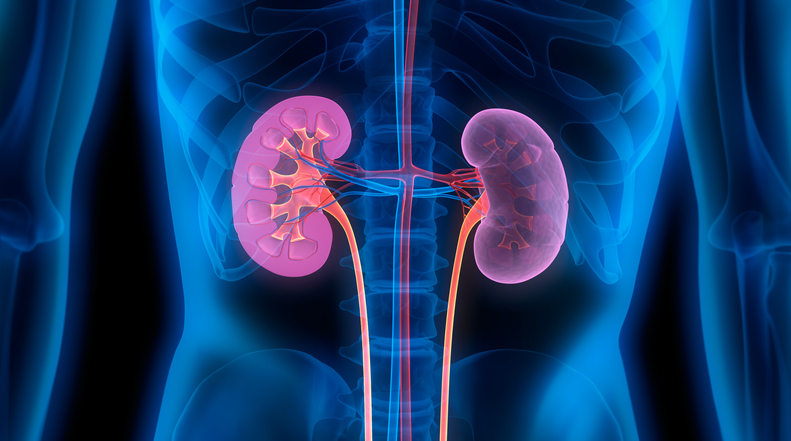
Chronic kidney disease means that the kidneys are not working as well as would be expected. Various conditions can cause chronic kidney disease. Severity can vary but most cases are mild or moderate, occur in older people and do not cause sy... What is chronic kidney disease. Chronic kidney disease (CKD) means that the kidneys are not working as.

Patient information leaflet
مرض كرون
Crohn's disease is a condition that causes inflammation of the wall of the gut (gastrointestinal tract). Any part of the gut can be aff... Crohn's disease is generally managed by a specialist gastroenterologist working in a multidisciplinary team - as a patient, you should have the phone number of an inflammatory bowel disease (IBD) clinical nurse.
Patient information leaflet
الأمراض المرتبطة بالأسبستوس
People exposed to asbestos can develop المنقولة جنسياً in later life. These most commonly affect the lungs but can also affect the lining of the tummy (abdomen). Some conditions - for example, mesothelioma or lung cancer - are more serious than others. This leaflet gives a brief overview of the المنقولة جنسياً that are related to having an exposure to asbestos.

Patient information leaflet
تقييم مخاطر صحة القلب والأوعية الدموية
A cardiovascular health risk assessment provides an accurate estimate of your risk of developing cardiovascular disease (eg, angina, heart attack, stroke or peripheral arterial disease) ov... Conditions that increase the risk of CVD include hypertension High blood pressure , diabetes mellitus Diabetes , chronic kidney disease Chronic kidney.

Patient information leaflet
مرض الكلى السكري
مرض الكلى السكري is a complication that occurs in بعض people مع diabetes. Treatment aims to prevent or delay the progression of the disease. Diabetic kidney disease (diabetic nephropathy) هو a complication that occurs in some people with diabetes. مرض الكلى السكري هو one of the causes of chronic kidney disease Chronic kidney.

Patient information leaflet
أمراض القلب
The heart هو a muscle pump located in the chest, which pumps blood around the body. It keeps pumping from a few weeks after conception until we die. There are a number of different conditions that can affect how the heart works. What is heart disease. There are many different conditions which can affect the heart, including those which affect the.
قراءة إضافية ومراجع
- CLN11 disease; MedlinePlus, National Library of Medicine.
- Almeida MR, Macario MC, Ramos L, Baldeiras I, Ribeiro MH, Santana I. Portuguese family with the co-occurrence of frontotemporal lobar degeneration and neuronal ceroid lipofuscinosis phenotypes due to progranulin gene mutation. Neurobiol Aging. 2016 May;41:200.e1-200.e5. doi: 10.1016/j.neurobiolaging.2016.02.019. Epub 2016 Mar 3.
- Canafoglia L, Morbin M, Scaioli V, Pareyson D, D'Incerti L, Fugnanesi V, Tagliavini F, Berkovic SF, Franceschetti S. Recurrent generalized seizures, visual loss, and palinopsia as phenotypic features of neuronal ceroid lipofuscinosis due to progranulin gene mutation. Epilepsia. 2014 Jun;55(6):e56-9. doi: 10.1111/epi.12632. Epub 2014 Apr 29.
- Faber I, Prota JR, Martinez AR, Lopes-Cendes I, Franca MC Junior. A new phenotype associated with homozygous GRN mutations: complicated spastic paraplegia. Eur J Neurol. 2017 Jan;24(1):e3-e4. doi: 10.1111/ene.13194. No abstract available.
- Huin V, Barbier M, Bottani A, Lobrinus JA, Clot F, Lamari F, Chat L, Rucheton B, Fluchere F, Auvin S, Myers P, Gelot A, Camuzat A, Caillaud C, Jornea L, Forlani S, Saracino D, Duyckaerts C, Brice A, Durr A, Le Ber I. Homozygous GRN mutations: new phenotypes and new insights into pathological and molecular mechanisms. Brain. 2020 Jan 1;143(1):303-319. doi: 10.1093/brain/awz377.
- Kamate M, Detroja M, Hattiholi V. Neuronal ceroid lipofuscinosis type-11 in an adolescent. Brain Dev. 2019 Jun;41(6):542-545. doi: 10.1016/j.braindev.2019.03.004. Epub 2019 Mar 25.
- Smith KR, Damiano J, Franceschetti S, Carpenter S, Canafoglia L, Morbin M, Rossi G, Pareyson D, Mole SE, Staropoli JF, Sims KB, Lewis J, Lin WL, Dickson DW, Dahl HH, Bahlo M, Berkovic SF. Strikingly different clinicopathological phenotypes determined by progranulin-mutation dosage. Am J Hum Genet. 2012 Jun 8;90(6):1102-7. doi: 10.1016/j.ajhg.2012.04.021. Epub 2012 May 17.
تاريخ المقال
المقال متاح أيضًا باللغة الإنجليزية, الألمانية, إسبانية, الفرنسية, إيطالي, البرتغالية, الهندية, العبرية, العربية ,، و السويدية.
21 Mar 2023 | أحدث إصدار
1 Apr 2020 | نُشر في الأصل
شارك أفكارك أو تجاربك مع الآخرين في مجتمعات المرضى.
وصول بسيط إلى العلاجات والخدمات الصحية الموثوقة عبر الإنترنت.
Common conditions
Get help with common conditions through the NHS, without a GP appointment.
 التهاب الجيوب الأنفية الحاد
 التهاب اللوزتين البكتيري
 القوباء
 لدغات الحشرات
 الحزام الناريعدوى المسالك البولية
اشترك في النشرة الإخبارية للمرضى
جرعتك الأسبوعية من النصائح الصحية الواضحة والموثوقة - مكتوبة لمساعدتك على الشعور بالاطلاع والثقة والتحكم.
من خلال الاشتراك، فإنك تقبل سياسة الخصوصية. يمكنك إلغاء الاشتراك في أي وقت. نحن لا نبيع بياناتك أبدًا.