داء المقوسات
مراجعة من قبل الدكتورة كارولين ويجينز، MRCGP آخر تحديث بواسطة الدكتورة راشيل هدسون، MRCGPآخر تحديث 18 فبراير 2025
يتوافق مع الإرشادات التحريرية
- تنزيلتنزيل
- مشاركة
- Language
- نقاش
- Ask Patient
- نسخة صوتية
- أضف إلى المصادر المفضلة على جوجل
داء المقوسات is an infection caused by a parasite called toxoplasma. A parasite is a living thing (organism) that lives in, or on, another organism. Cat litter is the main source of toxoplasma infection. You can catch it by coming into contact with infected cat droppings or infected meat or soil. It can also be passed from mother to baby in the womb (uterus).
If you are otherwise healthy you are unlikely to notice any ill effects. However, if you have an illness such as HIV infection or are taking an anti-cancer medicine (for example, ciclosporin) which prevents the immune system from working properly, it can cause complications. Complications can include eye disease, infection of the brain (encephalitis) and infection of other organs of the body.
People with a normal immune system usually get better without any treatment. Treatment is, however, often needed for people with immune deficiency or for women who are pregnant.
نظرة سريعة
Toxoplasmosis is an infection caused by the parasite Toxoplasma gondii.
معظم الأشخاص الذين لديهم جهاز مناعي صحي لا يعانون من أعراض أو يعانون من مرض خفيف يشبه الإنفلونزا.
يمكن أن يسبب مشاكل خطيرة للأجنة إذا أصيبت المرأة الحامل بالعدوى.
يمكن أن تكون الأعراض شديدة إذا كان لديك جهاز مناعي ضعيف.
يمكنك الإصابة به من اللحوم غير المطهية جيدًا، أو الفواكه/الخضروات غير المغسولة، أو من ملامسة براز القطط.
تشمل الوقاية غسل اليدين، وطهي اللحوم جيدًا، وغسل الفواكه والخضروات.
عادةً ما يتم التشخيص من خلال فحص الدم.
What is a parasite?
A parasite is a general term for any living thing (organism) that lives in, or on, another living organism. It may feed off its host, or obtain shelter using its host. However, it contributes nothing to its host's well-being or welfare. Human parasites include fungi, protozoa and worms.
What is toxoplasmosis?
Toxoplasmosis is the term used for infection with toxoplasma. Toxoplasma is a living thing (organism) and, as it lives within another organism, it is known as a parasite). Most people have no ill effects but occasional complications include infection of the eyes, brain and other organs. It can also pass from a pregnant woman through the placenta. The placenta is the organ that provides nourishment and oxygen to the baby in the womb (uterus).
Toxoplasma is a protozoan parasite. A protozoan is a microscopic, single-celled organism. The main source of toxoplasma infection is cat droppings. Food contaminated with cat droppings can infect cattle, sheep, pigs, rodents and birds. The species which commonly causes illness in humans is called Toxoplasma gondii.
Toxoplasmosis symptoms
If your immune system is working properly, the chances are that you will develop no symptoms at all.
About one in ten people notice swollen glands. These are usually at the sides of the neck or nape of the neck (the occipital region). The swellings usually disappear in about six weeks but can last longer.
Rarely, you can develop a more widespread infection involving the heart, lungs and other organs of the body.
If your immune system is not working properly (for example, because you are taking anti-cancer medicine or have HIV infection) you can become very ill.
If the infection involves your brain you may become confused, have fits, develop paralysis down one side of your body or have speech problems.
Your eyes can become infected (see below) and the infection can spread to your lungs and other organs of your body.
Pregnancy and toxoplasmosis
If you become infected in pregnancy you may notice no symptoms or you may feel under the weather and develop swollen glands or eye problems. If congenital infection occurs (that is, if the infection is passed to the baby) the results can be severe. Such complications are more likely if infection happens in the first ten weeks of pregnancy.
Miscarriage can occur or deformities may be picked up on an ultrasound scan.
Babies can be born with brain problems, eye conditions, epilepsy, growth delay or blood disorders. The baby may appear normal at birth and problems may only become obvious later on.
Toxoplasma can infect your eyes whether or not your immune system is working properly. It can also occur in congenitally infected babies. The most common eye problem caused by toxoplasmosis is called chorioretinitis. This infection involves the eye's middle layer (the choroid) and its inner lining (the retina).
Eye cross-section
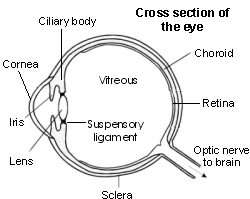
You may notice problems with your eyesight and floaters (specks appearing to float across your field of vision). Usually, only one eye is affected. You may have mild pain in the eye but most people do not have any discomfort.
Toxoplasmosis treatment
Pyrimethamine and sulfadiazine. If your immune system is working properly the chances are that you will not need treatment. If your symptoms are severe or slow to clear up you may, however, need some antibiotic medication for 4-6 weeks. The combination usually used is pyrimethamine and sulfadiazine. These medicines can harm the bone marrow when given alone so folic acid is often added to reduce this risk.
Trimethoprim and sulfamethoxazole. This combination may also be used if your immune system is not working properly. However, you may also be offered alternatives such as trimethoprim plus sulfamethoxazole (co-trimoxazole), clindamycin or atovaquone, depending on your individual circumstances. After a 4 to 6 week course you will probably need to take a low dose of medicine for the rest of your life, unless the problem affecting your immune system is only temporary.
Antibiotics in pregnancy. If you become infected whilst you are pregnant you will be offered antibiotics. However, it is not certain how much good this does in terms of preventing infection of the baby. Many types of medicine are available. The choice depends on several factors, such as whether or not your immune system is working properly and whether the baby is already infected. Spiramycin appears to be the best option for protecting babies who have not yet been infected. If the baby is severely infected, you may be offered an abortion.
Antibiotic tablets and steroid eye drops for eye infection. If you develop a toxoplasma infection of the eye this usually needs no treatment, providing your immune system is working properly. However, you may need treatment if the infection is severe or likely to cause scarring that affects your vision. The usual treatment is antibiotic tablets, steroid eye drops and, in severe cases, steroid tablets.
If your immune system is not working properly you will almost certainly be offered antibiotics. If you are pregnant, spiromycin is the best option.
Common questions about toxoplasmosis
Does toxoplasmosis get better?
If your immune system is working properly it is very likely that you will get better and be left with no ill effects. If you have a long-term problem with your immune system, however, you stand more of a risk of developing complications. The prospects for people who are HIV-positive and have become infected with toxoplasma have improved considerably since the use of a treatment called antiretroviral therapy (ART), also called highly active antiretroviral therapy (HAART).
How is toxoplasmosis diagnosed?
If you are suspected of having toxoplasmosis, the first test you are likely to be offered is a blood test. This will show that the levels of proteins (immunoglobulins) produced by the immune system to fight infection will be high. There are various types of immunoglobulins. IgG level rises in the first 1-2 weeks of infection and stays positive for life. IgM levels rise in the first week and drop to normal after a few weeks, so this test is useful to detect recent infection. IgA levels are sometimes tested in babies.
Other body fluids are sometimes tested - for example, the amniotic fluid surrounding the baby in the womb (uterus).
A small piece of tissue may be removed surgically from the body. This is called a biopsy. It is tested when there continue to be doubts about the diagnosis.
You may need pictures of the brain, using التصوير بالرنين المغناطيسي (MRI) أو computed tomography (CT) scanning if brain infection is suspected.
Unborn babies may need an ultrasound scan if it is suspected that infection has been passed from the mother.
How do you catch toxoplasmosis?
Whilst many animals can become infected with toxoplasma, cats are the main host. When a cat becomes infected, the toxoplasma invades the gut lining and starts to reproduce immature forms called oocysts. These pass out in the cat's stools (faeces). You can then become infected by coming into contact with contaminated soil, water or food. You can, for example, become infected by:
Eating undercooked or raw meat - particularly pork or lamb.
Eating fruit or vegetables that have not been washed properly.
Handling contaminated soil whilst gardening or contaminated cat litter.
Expectant mothers can pass toxoplasma to their unborn baby through the placenta (the organ providing nourishment and oxygen to the baby). Rarely, toxoplasma can be passed from an infected organ donor to the person receiving the organ.
How common is toxoplasmosis and who catches it?
About 350 cases of toxoplasma infection are diagnosed in the UK every year. The actual number of infected people is likely to be higher, as toxoplasma often causes no symptoms and the person may be unaware that they have caught it. It is more common in hot damp countries where conditions are more favourable for the survival of the oocysts.
Anyone can become infected with toxoplasma - adults and children, men and women.
If your immune system is not working properly for some reason - for example, you are undergoing treatment for cancer or you have عدوى فيروس نقص المناعة البشرية - you are more likely to have serious infection.
Can toxoplasmosis be prevented?
All people should follow the advice below. However, the advice is particularly important for women who are pregnant and people who are HIV-positive:
Wash hands before handling food.
Thoroughly wash all fruit and vegetables, including ready-prepared salads, before eating them.
Thoroughly cook raw meats and ready-prepared chilled meals.
Wear gloves and thoroughly wash hands after handling soil and gardening.
Avoid cat droppings in cat litter or in soil.
In some countries (such as France), all pregnant women are tested for toxoplasma infection. This does not happen in the UK, because infection rates are much lower.
اختيارات المرضى لـ Gastrointestinal infections
العدوى
Clostridioides difficile
Infection with Clostridioides difficile (sometimes just called 'C. diff') most commonly occurs in people who have recently had a course of antibiotics and are in hospital. Symptoms can range from mild diarrhoea to a life-threatening inflammation of the bowel. No treatment may be needed in mild cases except drinking plenty of fluids. However, treatment with specific antibiotics is needed in more severe cases.
بقلم الدكتورة هايلي ويلاسي، FRCGP

العدوى
كريبتوسبوريديوم
Cryptosporidium is a parasite. This is a living thing (organism) that lives in, or on, another organism. It can infect your bowels (intestines) and cause cryptosporidiosis. This is a form of bowel infection called gastroenteritis, which leads to diarrhoea and being sick (vomiting). Infection can occur in humans and animals and is spread by contact with soil, water, food or surfaces that have been contaminated by infected stools (faeces) containing the parasite. Young children are most likely to become infected. Symptoms usually last for up to two weeks, sometimes longer. Symptoms can be very severe in people whose immune system is not working properly. No specific treatment is needed for most people but you should drink plenty of fluids to avoid lack of body fluid (dehydration). You should not use a swimming pool for 14 days after the infection has cleared.
بقلم الدكتور كولين تايدي، MRCGP
الأسئلة الشائعة
ما هو الطفيلي الأولي؟
الأوليات هي كائنات مجهرية وحيدة الخلية. المقوسة الغوندية، التي تسبب داء المقوسات، هي مثال على الطفيليات الأولية.
ما هو التهاب المشيمية والشبكية وكيف يرتبط بداء المقوسات؟
التهاب المشيمية والشبكية هو المشكلة العينية الأكثر شيوعًا التي يسببها داء المقوسات. إنه عدوى تصيب الطبقة الوسطى من العين (المشيمية) وبطانتها الداخلية (الشبكية). يمكن أن يؤدي إلى مشاكل في الرؤية وظهور عوائم، وعادة ما يؤثر على عين واحدة فقط، وغالبًا دون إزعاج كبير.
هل هناك أدوية معينة تُستخدم لعلاج داء المقوسات، وكم تستغرق مدة العلاج عادةً؟
بالنسبة للأعراض الشديدة أو المستمرة عندما يعمل جهازك المناعي بشكل صحيح، يتم عادةً استخدام مزيج من البيريميثامين والسلفاديازين لمدة 4-6 أسابيع. غالبًا ما يُضاف حمض الفوليك لتقليل خطر تلف نخاع العظم. إذا كان جهازك المناعي ضعيفًا، قد تُستخدم بدائل مثل التريميثوبريم مع السلفاميثوكسازول، الكليندامايسين، أو الأتوفاكون. في مثل هذه الحالات، بعد الدورة الأولية من 4-6 أسابيع، قد تكون هناك حاجة لجرعة منخفضة من الدواء مدى الحياة ما لم تكن مشكلة الجهاز المناعي مؤقتة.
هل يمكن لداء المقوسات أن يؤثر على عيني حتى لو كان جهازي المناعي سليمًا؟
نعم، يمكن أن يصيب التوكسوبلازما عينيك بغض النظر عما إذا كان جهازك المناعي يعمل بشكل صحيح أم لا. يمكن أن يحدث أيضًا في الأطفال الذين أصيبوا قبل الولادة. في حين أنه غالبًا لا يحتاج إلى علاج إذا كان الجهاز المناعي صحيًا، فإن الحالات الشديدة أو تلك التي من المحتمل أن تسبب ندوبًا تؤثر على الرؤية قد تتطلب أقراصًا مضادة حيوية وقطرات عين تحتوي على الستيرويد، وفي الحالات الشديدة جدًا، أقراص الستيرويد.
ما هي أنواع الفحوصات التي تُجرى لتشخيص داء المقوسات وكيف تعمل؟
عادةً ما يبدأ التشخيص بفحص الدم للتحقق من المستويات العالية من البروتينات المحددة (الجلوبيولين المناعي) التي ينتجها الجهاز المناعي لمكافحة العدوى. ترتفع مستويات IgG خلال 1-2 أسبوع وتبقى إيجابية مدى الحياة، بينما ترتفع مستويات IgM في الأسبوع الأول ثم تعود إلى المستوى الطبيعي بعد بضعة أسابيع، مما يساعد في اكتشاف العدوى الحديثة. يتم أحيانًا اختبار مستويات IgA في الأطفال. قد يتم أيضًا اختبار سوائل الجسم الأخرى، مثل السائل الأمنيوسي. في بعض الحالات، قد يتم أخذ خزعة نسيجية إذا ظل التشخيص غير مؤكد. إذا كان يُشتبه في وجود عدوى في الدماغ، قد تُستخدم اختبارات التصوير مثل التصوير بالرنين المغناطيسي أو الأشعة المقطعية، وقد يُجرى فحص بالموجات فوق الصوتية للأجنة إذا كان يُشتبه في وجود عدوى لدى الأم.
قراءة إضافية ومراجع
- Torgerson PR, Mastroiacovo P; The global burden of congenital toxoplasmosis: a systematic review. Bull World Health Organ. 2013 Jul 1;91(7):501-8. doi: 10.2471/BLT.12.111732. Epub 2013 May 3.
- Robert-Gangneux F, Darde ML; Epidemiology of and diagnostic strategies for toxoplasmosis. Clin Microbiol Rev. 2012 Apr;25(2):264-96. doi: 10.1128/CMR.05013-11.
- Toxoplasmosis screening in pregnancy; UK Antenatal Screening Programme.
- Soheilian M et al; How to Diagnose & Treat Ocular Toxoplasmosis, Review of Ophthalmology, 2011
- Flatt A, Shetty N; Seroprevalence and risk factors for toxoplasmosis among antenatal women in London: a re-examination of risk in an ethnically diverse population. Eur J Public Health. 2013 Aug;23(4):648-52. doi: 10.1093/eurpub/cks075. Epub 2012 Jun 13.
عن المؤلفعرض السيرة الذاتية الكاملة
تم التحديث بواسطة

الدكتورة راشيل هدسون، MRCGP
طبيب عام وكاتب طبي
بكالوريوس الطب والجراحة، زميل الكلية الملكية للممارسين العامين (2008)، بكالوريوس العلوم (العلوم الطبية)، دبلوم في الصحة الجنسية والإنجابية، دبلوم الكلية الملكية لأطباء النساء والتوليد، دبلوم صحة الطفل
الدكتورة راشيل هدسون، طبيبة عامة في هيئة الخدمات الصحية الوطنية تعمل في شمال غرب إنجلترا.
حول المراجععرض السيرة الذاتية الكاملة

الدكتورة كارولين ويجينز، MRCGP
طبيب عام، مؤلف طبي
بكالوريوس الطب والجراحة مع مرتبة الشرف (مع تميز)، زميل الكلية الملكية للأطباء العامين (2016)، ماجستير العلوم في الطب الرياضي (مع تميز)، بكالوريوس العلوم (مع مرتبة الشرف)
الدكتورة كارولين ويجينز هي طبيبة عامة تعمل حاليًا في جنوب غرب إنجلترا.
تاريخ المقال
المقال متاح أيضًا باللغة الإنجليزية, الألمانية, إسبانية, الفرنسية, إيطالي, البرتغالية, الهندية, العبرية, العربية ,، و السويدية.
المراجعة التالية مستحقة: 17 فبراير 2028
18 فبراير 2025 | أحدث إصدار
شارك أفكارك أو تجاربك مع الآخرين في مجتمعات المرضى.
وصول بسيط إلى العلاجات والخدمات الصحية الموثوقة عبر الإنترنت.
Common conditions
Get help with common conditions through the NHS, without a GP appointment.
 التهاب الجيوب الأنفية الحاد
 التهاب اللوزتين البكتيري
 القوباء
 لدغات الحشرات
 الحزام الناريعدوى المسالك البولية
اشترك في النشرة الإخبارية للمرضى
جرعتك الأسبوعية من النصائح الصحية الواضحة والموثوقة - مكتوبة لمساعدتك على الشعور بالاطلاع والثقة والتحكم.
من خلال الاشتراك، فإنك تقبل سياسة الخصوصية. يمكنك إلغاء الاشتراك في أي وقت. نحن لا نبيع بياناتك أبدًا.