علم السمع
مراجعة من قبل الدكتورة توني هازيل، زميلة الكلية الملكية للأطباء العامينآخر تحديث بواسطة الدكتورة سورانجي مينديس، MRCGPآخر تحديث 19 Sept 2024
يتوافق مع الإرشادات التحريرية
- تنزيلتنزيل
- مشاركة
- Language
- نقاش
- نسخة صوتية
- أضف إلى المصادر المفضلة على جوجل
If you or a family member suspect that you have a hearing problem, then an audiologist will usually provide an assessment and also may be involved in providing any treatment needed.
Certain conditions causing balance difficulties or dizziness can arise due to problems in the ear and audiologists can undertake specialist tests to investigate these problems as well.
نظرة سريعة
Audiology assesses and manages hearing loss, tinnitus, and balance problems.
يحدد ما إذا كانت الحالة قابلة للعلاج وقد يوفر أجهزة سمعية أو علاج توازن.
تشمل علم السمع اختبارات السمع، وتقييم وعلاج طنين الأذن وفرط الحساسية السمعية.
يقوم أخصائي السمع بتشخيص وعلاج مشاكل السمع والتوازن.
إذا كنت تعاني من فقدان مفاجئ في السمع، فاتصل بطبيبك العام أو بخدمة NHS 111 فورًا.
What is audiology?
Audiology is an important part of the assessment and management of hearing loss, tinnitus and balance problems. Audiology is usually used alongside other assessments, tests and treatments that may be provided by your GP or by a hearing specialist (ENT or audiovestibular medicine).
Audiology will help determine whether your condition might be treatable. If your condition is not treatable, audiology may provide help such as providing hearing aids or balance therapy.
What does audiology include?
Audiology includes:
Completion of hearing tests, including tests for babies who have been identified at birth via The Newborn Hearing Screening Programme.
Assessment of dizziness, vertigo and balance disorders.
Assessment and treatment of tinnitus (noises in the ears, usually ringing) and hyperacusis (noise sensitivity).
Fitting, adjustment, and maintenance of hearing aids.
Other forms of hearing rehabilitation.
What is an audiologist?
An audiologist is a professional who diagnoses and treats hearing and balance problems for adults and children of all ages. Audiologists work in a variety of areas, including hospitals, private practices, schools, colleges and universities, GP surgeries and rehabilitation centres, and long-term and residential healthcare facilities. Audiologists who work specifically with children usually work alongside multiple other healthcare professionals (Teachers of the Deaf, speech and language therapists, psychologists, and others).
Audiologists have extensive training in sound reproduction, which is critical to the accurate fitting and adjustment of hearing aids.
If an audiologist finds that a significant hearing or balance problem is present then they can help to provide recommendations for interventions or rehabilitation (eg, hearing aids, cochlear implants, or a referral to an appropriate medical specialist for further assessment).
All audiologists should be appropriately qualified and registered:
Audiologists need to complete a three-year NHS Practitioner Training Programme in healthcare science (audiology).
The Practitioner Training Programme (PTP) is a three-year BSc Honours undergraduate training scheme that includes work-based and academic learning.
An audiologist working in private practice needs an audiology degree approved by the Health and Care Professions Council (HCPC).
Sudden hearing loss
It is important to note that if you suddenly lose hearing in one or both ears, you should contact your GP or NHS 111. It might not be due to a serious cause, but in some cases this is a medical emergency. If this is the case, there is a short time frame for treatment to work.
اختيارات المرضى لـ الفحوصات والتحقيقات العامة

الفحوصات والتحقيقات
البزل القطني
A lumbar puncture is used to diagnose meningitis and some other brain and spinal cord disorders.
بقلم الدكتورة توني هازيل، FRCGP

الفحوصات والتحقيقات
اختبار السائل المنوي
عادةً ما يُنصح بإجراء اختبار السائل المنوي (تحليل السائل المنوي) إذا كان الزوجان يواجهان صعوبة في الحمل. الهدف هو معرفة ما إذا كان السائل المنوي والحيوانات المنوية التي ينتجها الشريك الذكر طبيعية أم لا. كما يُطلب إجراء تحليل السائل المنوي بعد عملية قطع القناة الدافقة، حيث إنها الطريقة الوحيدة التي يمكن للرجل من خلالها التأكد تمامًا من أنه عقيم بعد هذا الإجراء.
بقلم الدكتور دوغ مكيتشني، MRCGP
الأسئلة الشائعة
ما المؤهلات التي يحتاجها أخصائيو السمعيات؟
عادةً ما يكمل أخصائيو السمع الذين يعملون في هيئة الخدمات الصحية الوطنية برنامج تدريب ممارس لمدة ثلاث سنوات في علوم الرعاية الصحية (السمعيات)، وهو برنامج بكالوريوس شرف يجمع بين التعلم القائم على العمل والأكاديمي. أما أولئك الذين يعملون في الممارسة الخاصة فيحتاجون إلى درجة في السمعيات معتمدة من قبل مجلس المهن الصحية والرعاية (HCPC).
أين يعمل أخصائيو السمع عادةً؟
يعمل أخصائيو السمع في مجموعة متنوعة من الأماكن، مثل المستشفيات، العيادات الخاصة، المدارس، الكليات، الجامعات، عيادات الأطباء العامين، مراكز إعادة التأهيل، ومرافق الرعاية الصحية طويلة الأمد والسكنية.
لماذا يعتبر تدريب أخصائي السمعيات في إعادة إنتاج الصوت مهمًا؟
تُعدّ التدريب المكثف لأخصائي السمع في إعادة إنتاج الصوت أمرًا حيويًا لضبط وتكييف أجهزة السمع بدقة، مما يضمن تكييفها بشكل فعال مع احتياجات المريض.
ماذا يحدث إذا اكتشف أخصائي السمع مشكلة كبيرة في السمع أو التوازن؟
إذا وجد أخصائي السمع مشكلة كبيرة، يمكنه أن يوصي بتدخلات أو إعادة تأهيل، مثل أجهزة السمع أو زراعة القوقعة. كما يمكنه إحالة المريض إلى أخصائي طبي مناسب لإجراء تقييم إضافي.
ما هو فرط الحساسية السمعية؟
فرط السمع هو حالة تتضمن حساسية تجاه الضوضاء، والتي يمكن لأخصائيي السمع تقييمها وعلاجها.
قراءة إضافية ومراجع
- Health and Care Professions Council (HCPC)
- Find an Audiologist; Professional Standards Authority
- British Academy of Audiology (BAA) website.
عن المؤلفعرض السيرة الذاتية الكاملة
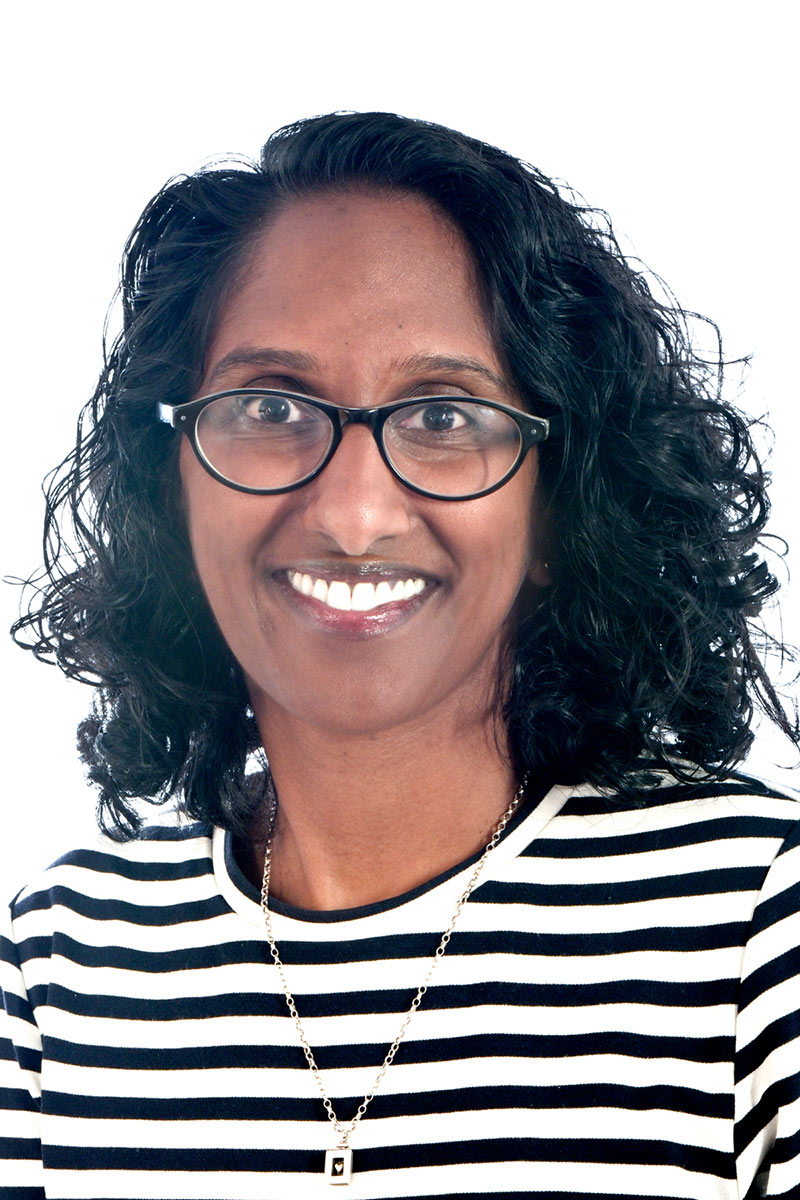
الدكتورة سورانجي مينديس، MRCGP
Consultant and Medical Author
MBBS, BSc (1st), MRCGP (2014), DFSRH, PGcert otology and audiology
Surangi Mendis is a consultant in Audiovestibular Medicine and Neuro-otology at The Royal National ENT and Eastman Dental Hospitals, UCLH.
حول المراجععرض السيرة الذاتية الكاملة

Dr Toni Hazell, FRCGP
بكالوريوس الطب والجراحة، بكالوريوس العلوم، زميل الكلية الملكية للأطباء العامين، دبلوم في الصحة الجنسية والإنجابية، دبلوم في طب الجهاز البولي التناسلي، دبلوم الكلية الملكية لأطباء النساء والتوليد، دبلوم في صحة الطفل (لندن، المملكة المتحدة، 2000)
تخرجت الدكتورة توني هازيل من كلية الطب بمستشفى سانت ماري وأكملت تدريبها في مستشفى نورثويك بارك.
تاريخ المقال
تمت كتابة المعلومات على هذه الصفحة ومراجعتها من قبل أطباء مؤهلين.
المقال متاح أيضًا باللغة الإنجليزية, الألمانية, إسبانية, الفرنسية, إيطالي, البرتغالية, الهندية, العبرية, العربية ,، و السويدية.
Next review due: 18 Sept 2027
19 Sept 2024 | أحدث إصدار

اسأل، شارك، تواصل.
تصفح المناقشات، اطرح الأسئلة، وشارك التجارب عبر مئات المواضيع الصحية.

هل تشعر بتوعك؟
قم بتقييم أعراضك عبر الإنترنت مجانًا
اشترك في النشرة الإخبارية للمرضى
جرعتك الأسبوعية من النصائح الصحية الواضحة والموثوقة - مكتوبة لمساعدتك على الشعور بالاطلاع والثقة والتحكم.
من خلال الاشتراك، فإنك تقبل سياسة الخصوصية. يمكنك إلغاء الاشتراك في أي وقت. نحن لا نبيع بياناتك أبدًا.
المزيد في الاختبارات والتحقيقات
- تخطيط القلب الكهربائي المتنقل
- فحص عنق الرحم
- اختبار كومبس
- فحص DMSA
- شفط بالإبرة عبر القصبة الهوائية بتوجيه الموجات فوق الصوتية داخل القصبة الهوائية
- معدل الترشيح الكبيبي المقدر
- اختبار البراز المناعي الكيميائي
- تعداد الدم الكامل وفحص الدم
- نقص صوديوم الدم
- الكيتونات في البول
- اختبارات وظائف الكبد
- عينة بول في منتصف الجريان
- الأسمولالية، الأسمولارية وتوازن السوائل
- اختبارات فحص الحمل
- بيلة بروتينية
- اختبار دم روتيني لوظائف الكلى
- مدقق الأعراض
- اختبارات وظائف الغدة الدرقية
- اختبار شريط البول
- اختبار الأشعة السينية