تخطيط القلب الكهربائي المتنقل
ECG
مراجعة من قبل الدكتور كولين تايدي، MRCGPآخر تحديث بواسطة الدكتورة توني هازيل، زميلة الكلية الملكية للأطباء العامينآخر تحديث 22 نوفمبر 2022
يتوافق مع الإرشادات التحريرية
- تنزيلتنزيل
- مشاركة
- Language
- نقاش
- نسخة صوتية
- أضف إلى المصادر المفضلة على جوجل
Ambulatory electrocardiogram monitors your heart when you are doing your normal activities. It helps to detect abnormal heart rates and rhythms (arrhythmias).
The arrangements, and the way tests are performed, may vary between different hospitals. Always follow the instructions given by your doctor or local hospital.
نظرة سريعة
An ambulatory ECG records your heart's electrical activity during normal daily activities.
Small electrodes are put on your chest and connected to a portable recorder you wear.
This test can help find abnormal heart rates or rhythms, especially if they come and go.
You will keep a diary of any symptoms you have during the test.
Do not get the recorder wet, so avoid baths and showers while wearing it.
Your doctor or consultant will discuss the results with you after the test.
What does an ECG test show?
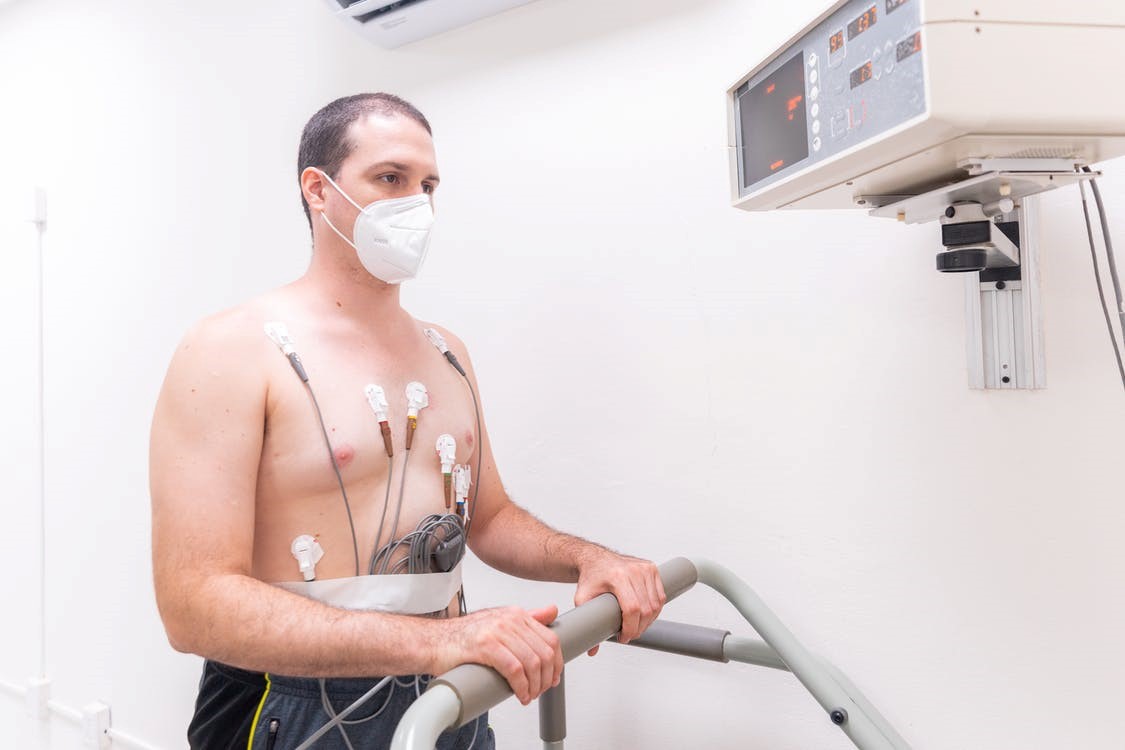
ال ECG test records the electrical activity of your heart when you are walking about (ambulatory) and doing your normal activities. Small metal electrodes are stuck on to your chest. Wires from the electrodes are connected to a small lightweight recorder (often called a Holter monitor). The recorder is attached to a belt which you wear around your waist. (It is like wearing an mp3 player.) The electrical activity is usually recorded for 24-48 hours, but sometimes it may be arranged for longer.
What does an ECG test show about a person?
It shows the electrical activity of the heart and how this varies during the day and night. Crucially, it can show whether the electrical activity varies with symptoms. Patients having an ambulatory ECG will be asked to keep a diary. If, for example, the patient records having palpitations between 2-2.15 pm on a certain day when wearing the ECG, the trace recorded during that time will be looked at particularly carefully to see if there was any change in electrical activity, heart rate or heart rhythm.
Why is an ambulatory electrocardiogram test done?
Your doctor may advise you have this test if he or she suspects that you are having bouts of an abnormal heart rate or rhythm (arrhythmia). For example, if you have the feeling of a 'thumping heart' (palpitations) or episodes of dizziness. Some arrhythmias 'come and go' and may only last seconds or minutes. They may never be found when you are examined by a doctor. So, the test may detect an arrhythmia.
How is an ECG test done?
It takes about 10 minutes for the electrodes and recorder to be fitted. You then go and do what you normally do over the next 24-48 hours. You wear the recorder when asleep in bed too. (However, you should not have a bath or shower, as the recorder should not get wet.)
As mentioned above, you will be given a diary to record the times when you develop any symptoms - such as the feeling of a 'thumping heart' (palpitations). The ECG tracing is analysed at the end of the test. But, any times you record when you had symptoms will be most carefully analysed to see if you had an abnormal heart rate or rhythm (arrhythmia) to account for the symptoms. A doctor may ask you to do some activities which have previously brought on symptoms, to try to provoke the same symptoms. If you do not hand in the diary when the leads are removed, the value of the test is significantly reduced.
There are some variations in the equipment that may be used:
On some recorders, you press a button to mark the time whenever symptoms occur.
Some recorders activate automatically only if your heart rate or rhythm is abnormal.
With some recorders you send the ECG tracing for analysis down the phone line.
Some recorders are worn for longer periods. These are called 'event' monitors. They record only when you switch them on and wear the monitor during an 'event' such as a bout of palpitations.
How long do ECG results take?
This varies locally. Results will go back to the clinician who requested them and it is their job to communicate the result and significance to the patient. So, if your ambulatory ECG was requested by a consultant, you should not contact your GP for the result but should wait for the next consultant clinic, or ring the consultant's secretary. المستشفى consultants should ليست ask المرضى إلى go إلى their GP لـ the results من اختبارات that the consultant has requested.
اختيارات المرضى لـ فحوصات القلب
الفحوصات والتحقيقات
اختبار تحمل التمارين
اختبار تحمل التمرين (ETT) يسجل النشاط الكهربائي للقلب أثناء التمرين. يكون مفيدًا بشكل خاص للمرضى الذين يعانون من ألم في الصدر عند الجهد. كما يُستخدم للكشف عما إذا كانت اضطرابات نظم القلب يمكن أن تحدث بسبب التمرين.
بقلم الدكتورة فيليبا فينسنت، MRCGP

الفحوصات والتحقيقات
قسطرة القلب
قسطرة القلب هي وسيلة لمعرفة معلومات تفصيلية عن قلبك والشرايين التاجية، ومن الممكن أيضًا تقديم علاج لبعض الحالات في نفس الوقت.
بقلم الدكتور كولين تايدي، MRCGP
الأسئلة الشائعة
What is an ambulatory ECG, specifically?
An ambulatory ECG is a test that records the electrical activity of your heart while you are walking about and performing your normal daily activities. It uses small electrodes attached to your chest, connected to a lightweight, portable recorder worn on a belt.
What does an ambulatory heart monitor look like?
The ambulatory heart monitor is a small, lightweight recorder attached to a belt that you wear around your waist. It's often compared to wearing an MP3 player. Small metal electrodes are stuck onto your chest, with wires connecting them to this recorder.
What kind of symptoms should I record in the diary during an ambulatory ECG test?
You should record the times when you experience any symptoms such as a 'thumping heart' (palpitations) or episodes of dizziness. The diary helps doctors specifically examine the ECG trace during these symptom periods to see if there's any change in your heart's electrical activity, rate, or rhythm.
Can I do all my normal activities while wearing the ambulatory ECG monitor?
You should continue with your normal activities over the 24-48 hours (or longer, depending on the test duration). However, you must not have a bath or shower, as the recorder should not get wet. You also wear the recorder while asleep in bed.
Are there newer types of ambulatory ECG monitors that work differently?
Yes, there are some variations. Some monitors allow you to press a button to mark when symptoms occur. Others activate automatically only if your heart rate or rhythm is abnormal. There are also 'event' monitors, which you wear for longer periods and switch on only when you experience symptoms.
قراءة إضافية ومراجع
- مكتبة تخطيط القلب
- Linares MA, Zakaria A, Nizran P; Skin Cancer. Prim Care. 2015 Dec;42(4):645-59. doi: 10.1016/j.pop.2015.07.006.
عن المؤلفعرض السيرة الذاتية الكاملة
تم التحديث بواسطة

Dr Toni Hazell, FRCGP
بكالوريوس الطب والجراحة، بكالوريوس العلوم، زميل الكلية الملكية للأطباء العامين، دبلوم في الصحة الجنسية والإنجابية، دبلوم في طب الجهاز البولي التناسلي، دبلوم الكلية الملكية لأطباء النساء والتوليد، دبلوم في صحة الطفل (لندن، المملكة المتحدة، 2000)
تخرجت الدكتورة توني هازيل من كلية الطب بمستشفى سانت ماري وأكملت تدريبها في مستشفى نورثويك بارك.
حول المراجععرض السيرة الذاتية الكاملة

الدكتور كولين تايدي، MRCGP
طبيب عام، مؤلف طبي
MBBS, MRCGP, MRCP (Paediatrics), DCH
الدكتور كولين تايدي هو طبيب في هيئة الخدمات الصحية الوطنية، ويعمل في أوكسفوردشاير.
تاريخ المقال
المقال متاح أيضًا باللغة الإنجليزية, الألمانية, إسبانية, الفرنسية, إيطالي, البرتغالية, الهندية, العبرية, العربية ,، و السويدية.
Next review due: 21 Nov 2027
22 نوفمبر 2022 | أحدث إصدار
انضم إلى المحادثة
شارك أفكارك أو تجاربك مع الآخرين في مجتمعات المرضى.

اسأل، شارك، تواصل.
تصفح المناقشات، اطرح الأسئلة، وشارك التجارب عبر مئات المواضيع الصحية.

هل تشعر بتوعك؟
قم بتقييم أعراضك عبر الإنترنت مجانًا
اشترك في النشرة الإخبارية للمرضى
جرعتك الأسبوعية من النصائح الصحية الواضحة والموثوقة - مكتوبة لمساعدتك على الشعور بالاطلاع والثقة والتحكم.
من خلال الاشتراك، فإنك تقبل سياسة الخصوصية. يمكنك إلغاء الاشتراك في أي وقت. نحن لا نبيع بياناتك أبدًا.