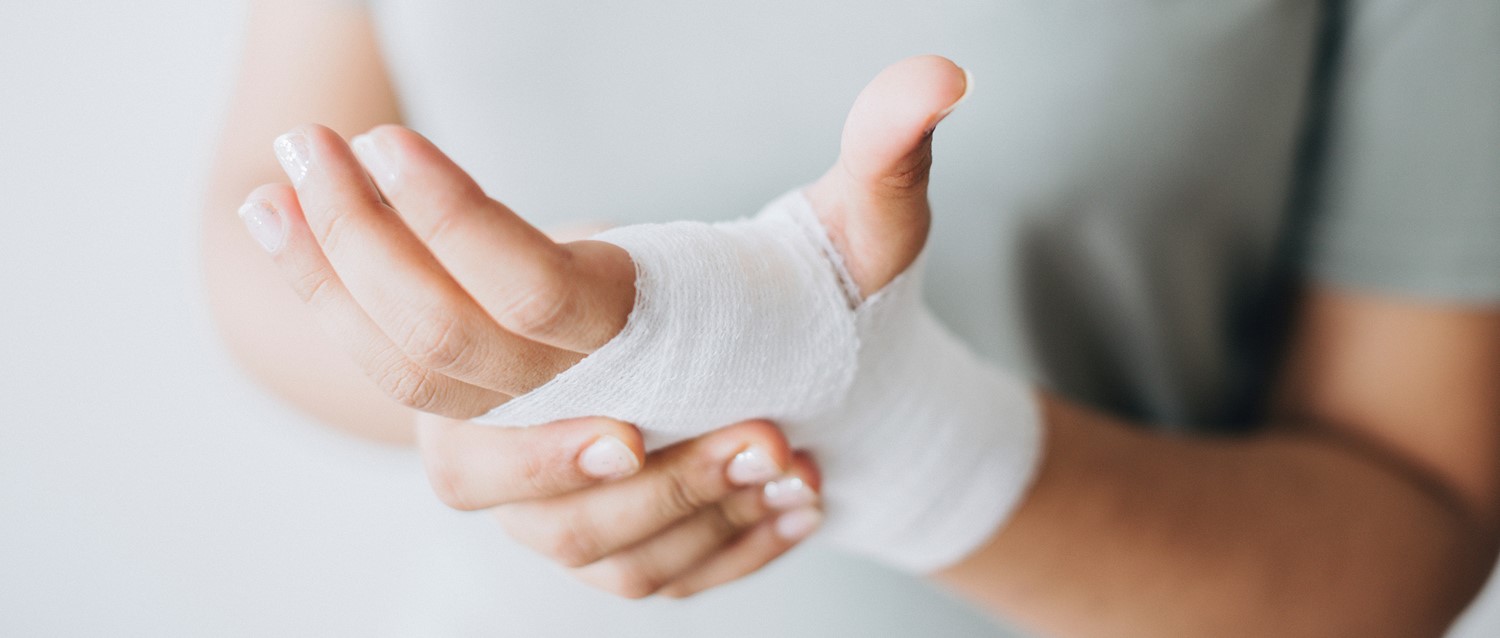
العلاجات الطبيعية لتخفيف آلام المفاصل
مراجعة من قبل الدكتور كولين تايدي، MRCGPآخر تحديث بواسطة Josh Aldermanآخر تحديث 28 مايو 2026
يتوافق مع الإرشادات التحريرية
- تنزيلتنزيل
- مشاركة
- Language
- نقاش
- نسخة صوتية
- أضف إلى المصادر المفضلة على جوجل
Joint pain is extremely common and can affect people of all ages. While medication can help in some cases, many people look for natural remedies for joint pain relief to help ease stiffness, improve movement, and support long-term joint health.
Whether your discomfort is linked to ageing, arthritis, overuse, or inactivity, small lifestyle changes can often make a noticeable difference.
Keep moving, even when joints ache
When your joints hurt, exercise may be the last thing you feel like doing. However, staying active is one of the most effective natural remedies for joint pain relief.
Gentle movement helps keep joints flexible, strengthens the muscles that support them, and improves circulation.
Low-impact activities are usually best, including:
Walking.
Swimming.
ركوب الدراجات.
Yoga or Pilates.
Stretching exercises.
Swimming can be particularly helpful because the water supports your body weight while allowing joints to move more freely. The key is consistency rather than intensity. Doing too much too soon may worsen symptoms, especially during flare-ups.
Maintain muscle strength
Strong muscles help reduce strain on your joints. This is especially important around the knees, hips, and shoulders.
Simple strengthening exercises using body weight, resistance bands, or light weights can improve stability and reduce discomfort over time. Balance exercises may also help lower your chance of falls and support mobility as you age.
If you have an existing joint condition or significant pain, it may be helpful to speak to a physiotherapist before starting a new exercise programme.
Heat and cold therapy
Many people find كمادات ساخنة أو باردة useful as part of natural joint pain relief.
Heat may help relax muscles and ease stiffness, particularly in the morning. Warm baths, hot water bottles, or heated pads are commonly used.
Cold packs can sometimes reduce swelling and numb sharp pain after activity or during flare-ups. Different people respond differently, so it is often a matter of finding what works best for you.
Can diet affect joint pain?
Diet alone is unlikely to cure joint pain, but eating a balanced diet may help support joint health and reduce inflammation.
Oily fish such as salmon, السردين, and mackerel contain omega-3 fatty acids, which may help some people with inflammatory joint conditions. Fruit, vegetables, nuts, and wholegrains also form part of an anti-inflammatory eating pattern.
Maintaining a healthy weight is also important. Carrying excess weight places additional pressure on weight-bearing joints such as the knees and hips.
What is the best natural remedy for joint pain?
There is no single “best” natural remedy for joint pain relief because the cause of joint pain varies from person to person. However, regular gentle exercise is consistently one of the most effective approaches for improving mobility and reducing stiffness. Some people also find supplements helpful, although evidence for these is mixed.
What vitamin am I lacking if my joints hurt?
Joint pain can occasionally be linked to vitamin deficiencies, particularly low فيتامين د levels. Vitamin D plays an important role in bone and muscle health, and deficiency may contribute to aches and pains.
However, joint pain has many possible causes, including التهاب المفاصل, injury, and inflammation.
If symptoms are persistent, worsening, or associated with swelling, it is important to seek medical advice rather than self-diagnosing a deficiency.
What is the golden herb for joint pain?
Turmeric is sometimes referred to as the “golden herb” for joint pain because it contains curcumin, a compound with anti-inflammatory properties.
Some studies suggest turmeric may help reduce symptoms in people with التهاب المفاصل العظمي, although results vary and it is not a replacement for medical treatment. Herbal remedies can also interact with medications, so it is important to speak to a pharmacist or doctor before taking supplements regularly.
Protect your joints during daily activities
Simple adjustments during everyday activities can reduce strain on painful joints.
على سبيل المثال:
Avoid repetitive movements where possible.
Take regular breaks from sitting or gardening.
Use supportive footwear.
Lift objects carefully using larger joints and muscles.
Pacing activities can help prevent flare-ups, especially if symptoms worsen after overuse.
ملخص
Natural remedies for joint pain relief often focus on improving movement, supporting joint health, and reducing strain on affected areas. Regular low-impact exercise, maintaining muscle strength, healthy eating, and using heat or cold therapy can all help manage symptoms. While supplements and herbal remedies may benefit some people, evidence is mixed and persistent joint pain should always be assessed by a healthcare professional.
اختيارات المرضى لـ صحة المفاصل

العظام والمفاصل والعضلات
ويمبلدون تذكير: تعامل مع آلام المفاصل بجدية
بينما يجذب ويمبلدون انتباه الأمة، يحث أخصائي رائد في جراحة الركبة الجميع - وخاصة عشاق التنس - على عدم إهمال صحة مفاصلنا.
بقلم فيكتوريا راو

العظام والمفاصل والعضلات
كيف تؤثر السمنة على صحة المفاصل - وما يمكنك فعله حيال ذلك
Looking after your joints is important if you want to stay active and keep moving comfortably - especially as you get older. Lots of things can affect your joint health, but carrying extra weight plays a major role. We look at how weight impacts your joints and share some simple ways to help reduce the strain.
بقلم فيكتوريا راو
الأسئلة الشائعة
كم مرة يجب أن أقوم بالتمارين الموصى بها لألم المفاصل؟
المفتاح لممارسة الرياضة لتخفيف آلام المفاصل هو الانتظام بدلاً من الشدة. من الأفضل القيام بأنشطة لطيفة ومنخفضة التأثير بانتظام، بدلاً من القيام بالكثير بسرعة، مما قد يؤدي إلى تفاقم الأعراض أثناء النوبات.
هل يمكنني استخدام العلاج بالحرارة والعلاج بالبرودة معًا لألم المفاصل؟
تشير المقالة إلى أن الأشخاص المختلفين يستجيبون بشكل مختلف للعلاج بالحرارة والبرودة، وغالبًا ما يكون الأمر مسألة إيجاد ما يناسبك بشكل أفضل. قد تساعد الحرارة في استرخاء العضلات وتخفيف التيبس، بينما يمكن أن تقلل البرودة من التورم وتخدر الألم الحاد. قد تجد أن أحدهما أكثر فعالية من الآخر، أو تستخدمهما في أوقات مختلفة حسب الأعراض التي تعاني منها.
هل هناك أطعمة معينة يجب أن أتجنبها إذا كنت أعاني من آلام المفاصل؟
بينما يركز المقال على الأطعمة التي قد تساعد، مثل الأسماك الدهنية، الفواكه، الخضروات، المكسرات، والحبوب الكاملة، فإنه لا يحدد بشكل خاص الأطعمة التي يجب تجنبها. التركيز هو على الحفاظ على نظام غذائي متوازن لدعم صحة المفاصل وتقليل الالتهابات.
ما نوع الأحذية التي تعتبر 'داعمة' لآلام المفاصل؟
توصي المقالة باستخدام الأحذية الداعمة كتعديل بسيط لتقليل الضغط على المفاصل المؤلمة أثناء الأنشطة اليومية. وعلى الرغم من أنها لا تحدد الأنواع، إلا أن الأحذية الداعمة تعني بشكل عام الأحذية التي توفر توسيدًا جيدًا ودعمًا للقوس وثباتًا للمساعدة في توزيع الضغط بالتساوي وامتصاص الصدمات.
هل يجب أن أتوقف تمامًا عن الأنشطة التي تسبب تفاقم آلام مفاصلي؟
تشير المقالة إلى تجنب الحركات المتكررة حيثما أمكن وتنظيم الأنشطة لمنع تفاقم الأعراض، خاصة إذا ساءت الأعراض بعد الإفراط في الاستخدام. لا توصي بالتوقف التام عن جميع الأنشطة، بل تعديلها وأخذ فترات راحة منتظمة لإدارة الأعراض وتقليل الإجهاد.
عن المؤلفعرض السيرة الذاتية الكاملة
تم التحديث بواسطة

جوش ألدرمان
تنفيذي تحسين محركات البحث
بكالوريوس الآداب (مع مرتبة الشرف) في الإعلام والصحافة المطبوعة
Josh is an SEO executive at Patient with over 4 years experience working within the healthcare sphere.
كتبه

ناتالي هيلي
صحفي مستقل
بكالوريوس (مع مرتبة الشرف) في العلوم الطبية الحيوية
هي صحفية صحية مقرها لندن وقد كتبت عن العلوم والطب لعدة سنوات. كانت رئيسة التحرير السابقة في موقع Patient.
حول المراجععرض السيرة الذاتية الكاملة

الدكتور كولين تايدي، MRCGP
طبيب عام، مؤلف طبي
MBBS, MRCGP, MRCP (Paediatrics), DCH
الدكتور كولين تايدي هو طبيب في هيئة الخدمات الصحية الوطنية، ويعمل في أوكسفوردشاير.
تاريخ المقال
المقال متاح أيضًا باللغة الإنجليزية, الألمانية, إسبانية, الفرنسية, إيطالي, البرتغالية, الهندية, العبرية, العربية ,، و السويدية.
28 مايو 2026 | أحدث إصدار
7 Feb 2019 | نُشر في الأصل
كتبه:
ناتالي هيلي
انضم إلى المحادثة
شارك أفكارك أو تجاربك مع الآخرين في مجتمعات المرضى.

اسأل، شارك، تواصل.
تصفح المناقشات، اطرح الأسئلة، وشارك التجارب عبر مئات المواضيع الصحية.

هل تشعر بتوعك؟
قم بتقييم أعراضك عبر الإنترنت مجانًا
اشترك في النشرة الإخبارية للمرضى
جرعتك الأسبوعية من النصائح الصحية الواضحة والموثوقة - مكتوبة لمساعدتك على الشعور بالاطلاع والثقة والتحكم.
من خلال الاشتراك، فإنك تقبل سياسة الخصوصية. يمكنك إلغاء الاشتراك في أي وقت. نحن لا نبيع بياناتك أبدًا.