ما هو تأثير الجلوس الطويل على الكرسي المكتبي - وكيف يمكنك منعه؟
مراجعة من قبل الدكتور كولين تايدي، MRCGPكتبه فيكتوريا راونُشر في الأصل 10 يونيو 2026
يتوافق مع الإرشادات التحريرية
- تنزيلتنزيل
- مشاركة
- Language
- نقاش
- نسخة صوتية
- أضف إلى المصادر المفضلة على جوجل
It's rare for healthcare professionals to endorse a social media health trend, but one term that's recently been gaining attention online is ‘office chair butt’. This informal phrase describes changes that can occur in your bottom muscles as a result of prolonged sitting.
So, is there any truth behind the trend? We spoke to a physiotherapist to explain what office chair butt really is, why it happens, and simple ways to reduce the effects of long hours spent sitting.
What is office chair butt?
While ‘office chair butt’ might sound like a simplistic way of describing a negative health effect, it’s one buzz term that may deserve attention. The key is to look beyond the trend, and seek guidance from a qualified health professional on how to help prevent or manage it.
Office chair butt is associated with a largely sedentary lifestyle, particularly long hours of sitting, which is common for people who spend most of their day at a desk.
Bethany Tomlinson, Musculoskeletal Clinical Service Manager and Physiotherapist at AXA Health, explains that sitting for prolonged periods can lead to gluteal amnesia, informally known as ‘office butt’ or ‘dead butt syndrome’. This is where your gluteal (glute) muscles - the muscles that make up your buttocks - and surrounding area effectively ‘switch off’ due to inactivity.
“A lack of movement means lower production of synovial fluid, which is crucial for supporting joint health,” she says. “When your glutes aren’t activated regularly, the surrounding joints, including the hips, knees, and lower back, can end up compensating, often resulting in joint pain and stiffness in these areas.”
Bethany Tomlinson
The health risks of sitting down too long
A new survey from AXA Health of 2,000 UK adults reveals that one in four spend five or more hours sitting at a desk each day.
Prolonged sitting can contribute to:
Increased joint stiffness.
Muscle degeneration.
ألم في الظهر.
Reduced mobility.
The findings also show that 89% of respondents do not use a supportive office chair, 81% don’t stretch regularly, and 74% fail to meet the recommended exercise guidelines of at least 20 minutes of activity, three times a week.
With TikTok flooded with millions of views of videos about ‘office chair butt’, and monthly Google searches for ‘lower back pain’ recently reaching 3.2 million, it’s clear that many people in the UK are having issues with their musculoskeletal health.
How to prevent office chair butt
'Office chair butt’ can contribute to a range of physical symptoms and limitations. However, for those whose jobs require them to spend most of their day at a desk, simply avoiding long periods of sitting isn't always realistic.
If that sounds familiar, Tomlinson shares her expert advice on how to minimise the long-term effects that prolonged sitting can have on your joints, muscles, and overall musculoskeletal health.
Move at least once every hour
Taking short movement breaks throughout an otherwise sedentary day might seem insignificant, but small actions can add up over time. Incorporating regular movement into your daily routine can have a positive impact on your overall health and wellbeing.
Tomlinson explains that TikTok trends such as ‘squat break’s highlight an important point - that regular movement matters.
“Taking just 1-2 minutes every hour to stand up, stretch, or activate key muscle groups can help restore blood flow and stimulate synovial fluid production in your joints,” she says.
“Going for a walk before your working day, on your lunch break or after work, where possible, or utilising a standing desk are great ways to reduce sitting time. If you travel to work, try getting off one stop earlier or parking further away to add more walking and stimulate joint circulation before sitting down.”
Improve your chair setup
Poor posture rarely happens overnight. Instead, it develops through everyday habits such as slumping in a chair or spending hours looking down at a screen. Over time, these behaviours can lead to muscle pain and stiffness, which many people simply learn to live with rather than address the underlying cause.
Tomlinson recommends several ways to upgrade your office chair and support better posture, helping to prevent both visible and internal health issues.
She advises investing in a lumbar cushion that can be strapped to the back of your chair to support the natural curve of your spine and encourage good posture.
“A seat pad is also a great option and is suited for those looking for additional support for the bottom of their back,” adds the physiotherapist. “This reduces pressure on your tailbone (coccyx) and sciatic nerve and encourages hip alignment to support your spine.
“An ergonomic chair will often have adjustable features, such as the degree to which it is upright. These chairs are specifically designed to support your back during long periods of sitting and allow you to sit at a 90° hip-knee-ankle angle, reducing stiffness over time.”
Adjust your screen height
Making sure your computer or laptop screen is positioned at eye level can help reduce the strain that poor screen placement places on your neck, shoulders, and joints.
“If it's too low or too high, your neck will be angled for extended periods, which can lead to stiffness in your neck and shoulders, and even long-term joint issues,” warns Tomlinson.
“To avoid this, align your screen so that when you're looking straight ahead, your eyes are directly in line with the top of the screen. This encourages a natural 90º posture, helping to reduce strain on your neck and shoulders. This should also apply for standing desks.”
Incorporate strength and mobility exercises
Alongside meeting recommended weekly activity guidelines, targeted exercises can help strengthen the muscles that support and protect your joints.
Tomlinson advises incorporating strength-training exercises into your routine to build resilience in your glutes, hips, and core - key muscle groups that play an important role in maintaining stability, posture, and overall musculoskeletal health.
She says: “This will help to counteract the effects of sitting, as simple exercises including squats, lunges, glute bridges, and clamshells will restore balance and strengthen your muscles.
“It’s also important to do mobility-focused movement to loosen your joints, including neck and hip circles, and shoulder and ankle rolls, which you can even do sitting at your desk.”
Tomlinson emphasises that making these small changes can have a significant impact on your overall joint health and productivity.
“You should consult your company's occupational health team for advice and any further information you require,” she adds. “If you feel like you are experiencing severe joint pain, it’s important that you contact your GP to discuss your symptoms.”
اختيارات المرضى لـ عضلات
الحياة الصحية
كيف يؤثر الوضع السيء للجسم على أكثر من مجرد ظهرك
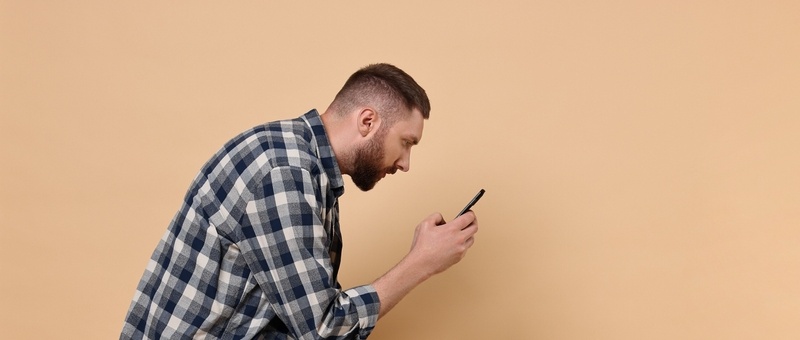
These days, being stuck at a desk all day isn’t just a habit - it's basically part of the job for a lot of people. Between our professional lives and the digital entertainment that fills our downtime, we are increasingly pulled into stationary, hunched positions. This environment makes the simple act of maintaining good posture a constant struggle. A physiotherapist explains exactly how poor posture impacts your wellbeing and offers simple, actionable tips to help you lead a happier, healthier life.
بقلم فيكتوريا راو
العظام والمفاصل والعضلات
ما هو الكتف الذي يبلغ من العمر 40 عامًا؟
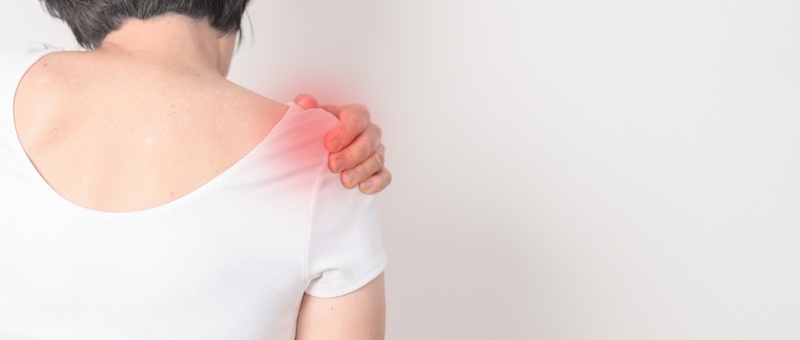
حظي مصطلح «كتف الأربعين» باهتمام خلال العقد الماضي، ويرجع ذلك جزئيًا إلى ذكره في المسلسل التلفزيوني «Younger». يتناول المسلسل قصة امرأة تبلغ من العمر 40 عامًا تتظاهر بأنها في العشرينيات من عمرها، ويشكّل التباين بين عمرها الحقيقي والعمر الذي تدّعيه موضوعًا متكررًا فيه. ويتطرق المسلسل كثيرًا إلى الاختلافات الصحية المرتبطة بالعمر، ومنها تيبّس الكتف، الذي يُصوَّر على أنه أكثر شيوعًا لدى الأشخاص في منتصف العمر. لكن رغم أن العبارة تصنع لحظة تلفزيونية لا تُنسى، فهل «كتف الأربعين» مصطلح طبي حقيقي؟ وما الذي ينبغي عليك فعله إذا كنت تظن أنك مصاب به؟
بقلم فيكتوريا راو
الأسئلة الشائعة
ما هي 'فقدان الذاكرة العضلي' وكيف يرتبط بـ 'مؤخرة كرسي المكتب'؟
فقدان الذاكرة العضلي للأرداف، المعروف أيضًا بشكل غير رسمي باسم "مؤخرة المكتب" أو "متلازمة المؤخرة الميتة"، يشير إلى حالة حيث تتوقف عضلات الأرداف (عضلات المؤخرة) والمنطقة المحيطة بها عن العمل بشكل فعال بسبب الخمول المطول، غالبًا نتيجة الجلوس لساعات طويلة. يعني هذا النقص في التنشيط أن المفاصل المحيطة، مثل الوركين والركبتين وأسفل الظهر، قد تضطر إلى التعويض، مما يؤدي إلى احتمال حدوث آلام وتيبس في المفاصل.
لماذا يعتبر إنتاج السائل الزليلي مهمًا لصحة المفاصل وكيف يؤثر الجلوس عليه؟
السائل الزليلي ضروري لدعم صحة المفاصل. يمكن أن يؤدي نقص الحركة، مثل الجلوس لفترات طويلة، إلى انخفاض إنتاج هذا السائل. استعادة تدفق الدم وتحفيز إنتاج السائل الزليلي من خلال الحركة المنتظمة مهم للحفاظ على صحة المفاصل.
هل يمكن أن يسبب الجلوس بوضعية سيئة مشاكل في المفاصل على المدى الطويل؟
نعم، يمكن أن تؤدي الوضعية السيئة التي تتطور من العادات اليومية مثل الانحناء في الكرسي أو النظر إلى الشاشة لفترات طويلة إلى آلام العضلات وتيبسها. مع مرور الوقت، يمكن أن تسهم هذه السلوكيات في مشاكل طويلة الأمد في المفاصل في مناطق مثل الرقبة والكتفين.
ما هي بعض تمارين القوة البسيطة التي يمكنني القيام بها لمواجهة آثار الجلوس؟
تشمل تمارين القوة البسيطة التي يمكن أن تساعد في بناء المرونة في عضلات الأرداف والوركين والجذع القرفصاء، والاندفاعات، وجسور الأرداف، وتمارين الصدفة. يمكن أن تساعد هذه التمارين في استعادة التوازن وتقوية العضلات المهمة للاستقرار والوضعية.
ما نوع تمارين الحركة التي تساعد في تخفيف تصلب المفاصل، وهل يمكنني القيام بها على مكتبي؟
تشمل الحركات التي تركز على الحركة والتي يمكن أن تساعد في تخفيف مفاصلك دوائر الرقبة والورك، ولفائف الكتف والكاحل. يمكنك أداء هذه الأنواع من التمارين حتى أثناء الجلوس على مكتبك للمساعدة في تحسين مرونة المفاصل.
عن المؤلفعرض السيرة الذاتية الكاملة
كتبه

Victoria Raw
كاتب مميز
بكالوريوس (مع مرتبة الشرف)، الأدب الإنجليزي
فيكتوريا كاتبة محتوى لدى Patient، وتشمل اهتماماتها الخاصة الصحة النفسية والاتجاهات المجتمعية وتأثير التكنولوجيا في صحتنا.
حول المراجععرض السيرة الذاتية الكاملة

الدكتور كولين تايدي، MRCGP
طبيب عام، مؤلف طبي
MBBS, MRCGP, MRCP (Paediatrics), DCH
الدكتور كولين تايدي هو طبيب في هيئة الخدمات الصحية الوطنية، ويعمل في أوكسفوردشاير.
تاريخ المقال
المقال متاح أيضًا باللغة الإنجليزية, الألمانية, إسبانية, الفرنسية, إيطالي, البرتغالية, الهندية, العبرية, العربية ,، و السويدية.
المراجعة التالية مستحقة: 10 يونيو 2029
10 يونيو 2026 | نُشر في الأصل
كتبه:
Victoria Rawمراجعة من قبل
الدكتور كولين تايدي، MRCGP
انضم إلى المحادثة
شارك أفكارك أو تجاربك مع الآخرين في مجتمعات المرضى.

اسأل، شارك، تواصل.
تصفح المناقشات، اطرح الأسئلة، وشارك التجارب عبر مئات المواضيع الصحية.

هل تشعر بتوعك؟
قم بتقييم أعراضك عبر الإنترنت مجانًا
اشترك في النشرة الإخبارية للمرضى
جرعتك الأسبوعية من النصائح الصحية الواضحة والموثوقة - مكتوبة لمساعدتك على الشعور بالاطلاع والثقة والتحكم.
من خلال الاشتراك، فإنك تقبل سياسة الخصوصية. يمكنك إلغاء الاشتراك في أي وقت. نحن لا نبيع بياناتك أبدًا.