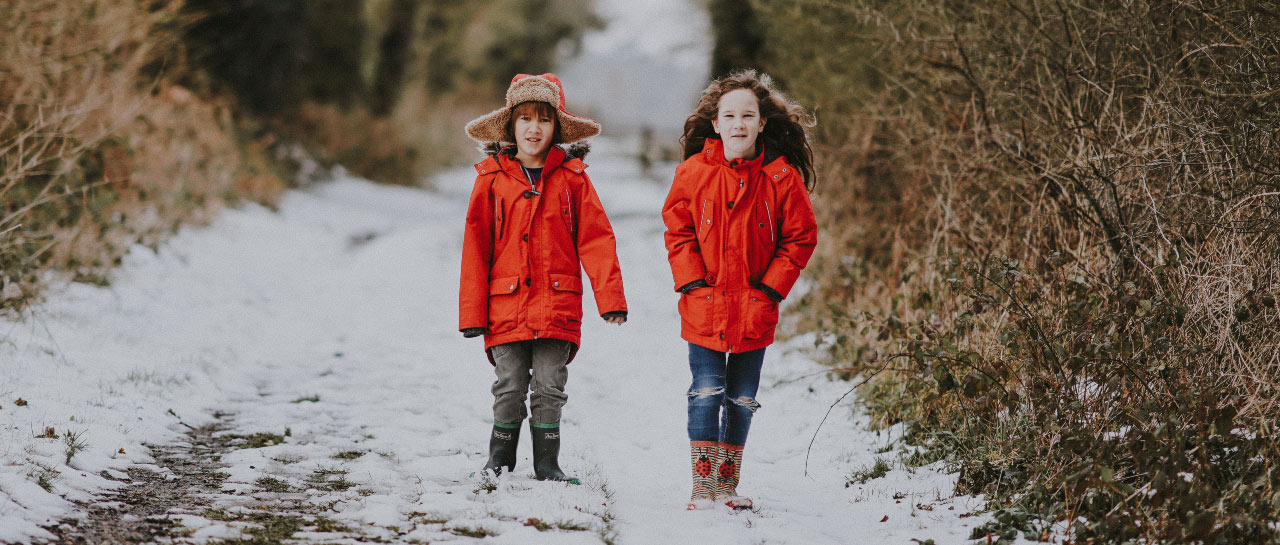
الحفاظ على نشاط الأطفال خلال عيد الميلاد
مراجعة من قبل الدكتورة سارة جارفيسكتبه جيليان هارفينُشر في الأصل 21 ديسمبر 2020
يتوافق مع الإرشادات التحريرية
- تنزيلتنزيل
- مشاركة
- Language
- نقاش
- Ask Patient
- نسخة صوتية
- أضف إلى المصادر المفضلة على جوجل
During the festive season most of us look forward to having a rest, treating ourselves to some delicious food and generally making merry. But while it's nice to give ourselves a break once in a while, two weeks of inactivity can really take its toll on our fitness. And for children, staying active is particularly important.
اختيارات الفيديو لـ التمارين والنشاط البدنيمكتبة الفيديو
The importance of being active
Most of us are aware that the UK is in the grip of an obesity crisis. Recent البيانات gathered by the 'Child Measurement Programme' discovered that 20.1% of year 6 pupils (aged 10-11 years) are بدين and a further 14.2% are overweight.
Even if weight is not a concern, regular exercise has a significant impact on our mental health - helping us to feel more positive. Children's mental health is also an area of concern: a استطلاع in 2017 revealed that over 11% of 5- to 15-year-olds meet the criteria for one or two mental disorders and this number may have increased as a result of the stress experienced by many of us in 2020.
التمارين الرياضية has been proven to improve mood and reduce the severity of the symptoms of conditions such as القلق و الاكتئاب - so there’s even more reason to keep kids moving.
Two weeks is a long time
Two weeks of relaxing and forgoing our usual exercise routine may sound harmless. But if children are sedentary for even that relatively short period of time, their fitness can deteriorate quite rapidly. "Fitness significantly decreases over the school holidays for many children," agrees Daniel Lavipour, Head Coach at Performance Ready, who regularly works with children and schools. "And this can have longer-term implications. If your fitness drops, you lose your ability to access sports at the same level. You may then go to try football, for example, and find it that much harder. This may even lead to a child giving up on a sport altogether."
Thinking outside the box
It may be more challenging this year. With many activities not available as usual and with visits from wider family proving impossible, children may not have others to run around with. But there are many things that your child can do that will help to keep fitness levels up during this time. Even going on a family walk will make a significant difference. And if you're unable to leave home, workouts such as Joe Wicks' 'PE classes' on YouTube are a great way to keep the kids (and adults) moving!
"Joe Wicks has demonstrated how you can do a ton of things in a small space in a really engaging way," agrees Lavipour. "And when you look at the content of his workouts, all the movements are what we call 'fundamental movement skills'. They provide the foundation of the movement that happens in other sports. For example, if you learn to improve your jumping, you'll be better equipped to jump during football."
Finding a way to motivate
Just like adults, some children are more naturally motivated to move than others. It may be that you simply have to provide the time and space for them to run and play - and keeping their fitness levels up may be achieved with a daily trip to the park.
However, other children may not feel so keen on exercise and may need more encouragement to get moving. One way to help children to want to exercise is by rethinking the way you talk about it.
"Talking about exercise as something we have to do can be off-putting," says Nicky Adams, director of Full of Beans, children's fitness training company. "Rather than labelling what you're doing as exercise, re-brand it as something fun. For example, you can say 'let's go out and have a treasure hunt', 'let's explore' or 'let's play football', rather than looking at exercise as a chore you have to do.
"Some children aren't motivated by traditional sport. My advice for those families would say don't worry about that. It's just important to let them find ways to move that are fun for them that make them happy," she adds.
Setting a challenge
Even at the park, some children may need encouragement to use the equipment in a way that gets their heart rate up. One way of doing this is by leading them - either joining in, or setting challenges. "See how many bars they can do on the monkey bars," says Adams. "Suggest a race. Use chalk to draw out an obstacle course."
"We have to find out what drives an individual to exercise and ir's different for everyone," agrees Lavipour. "Try linking exercise to an interest, a superhero character or a sports hero - this can be really powerful."
"If your child loves Minecraft or other computer games, why not suggest they try acting out the games in real life?" adds Adams.
Rethinking the way you talk to your children about exercise, thinking about their individual preferences and finding something they will enjoy should ensure that a break in schooling doesn't lead to a deterioration in fitness. Plus, getting the whole family active might just add an extra element of fun to the festive season!
اختيارات المرضى لـ التمارين والنشاط البدني
الحياة الصحية
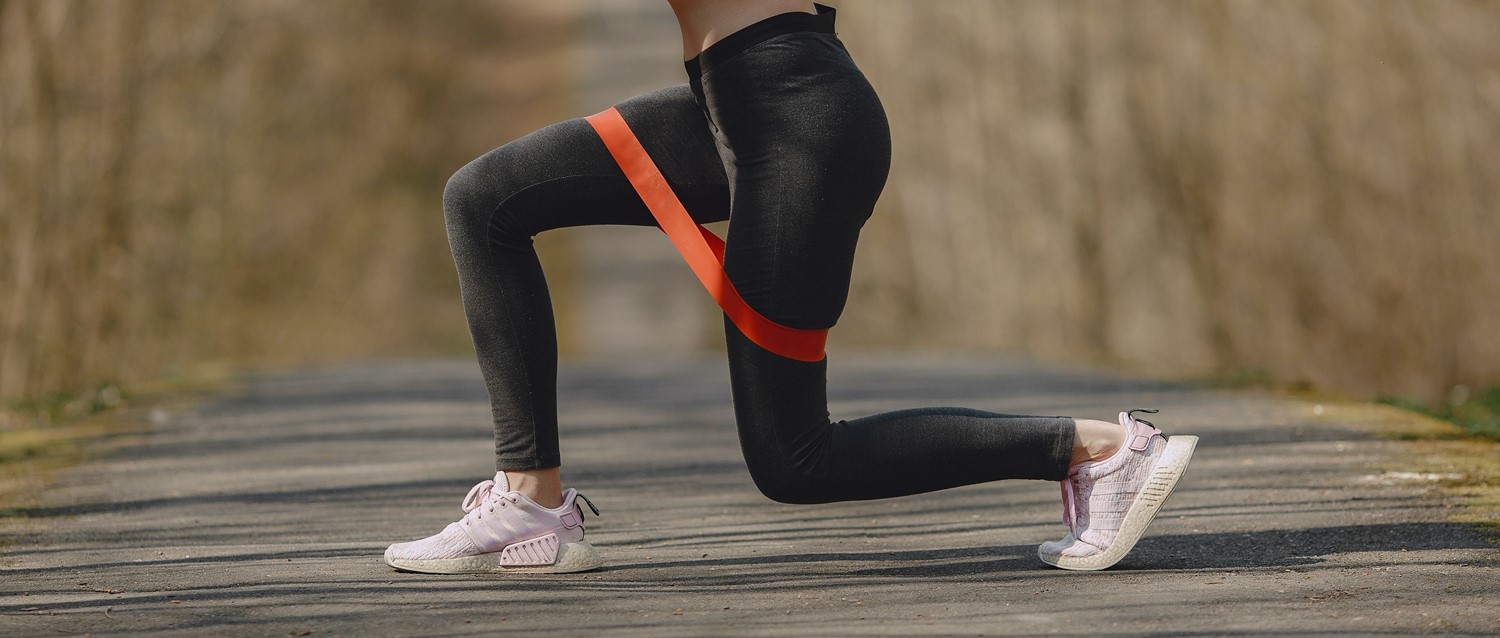
ما هي أفضل تمارين المقاومة بالأشرطة المطاطية للساقين؟
تُعدّ تمارين الساقين باستخدام أحزمة المقاومة طريقة رائعة لاستهداف مجموعات العضلات الكبيرة في ساقيك وتقويتها، مع حرق الدهون. وبالاقتران مع نظام غذائي صحي، قد يساعدك الانتظام في تمارين الساقين بأحزمة المقاومة على بناء عضلات أقوى وأكثر تماسكًا ووضوحًا.
بقلم أمبرلي ديفيس
الحياة الصحية
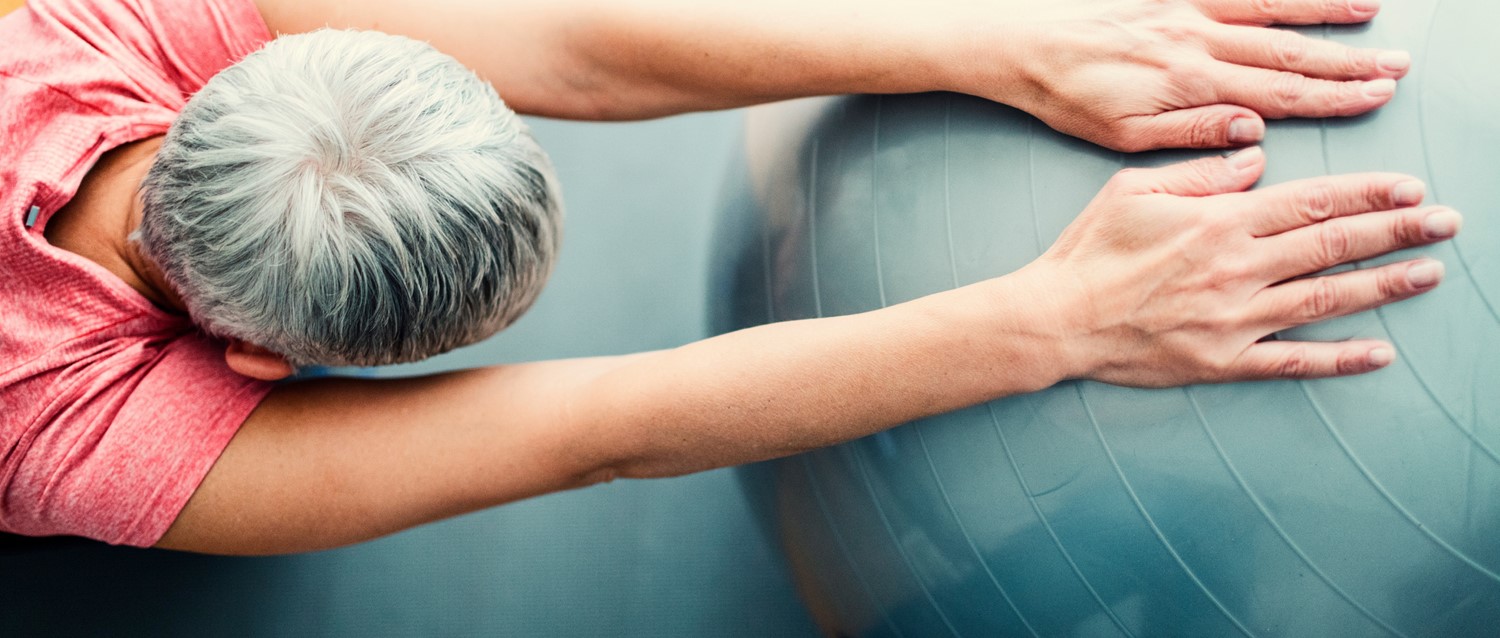
كيفية تبني اللياقة البدنية بعد سن الخمسين
You already know it's worth making exercise a priority. But, if you're over 50 and haven't laced up your trainers since secondary school PE class, it can be a real struggle to get going. We spoke to the experts about the health benefits of taking up exercise after 50, and how to make sure your shiny new gym membership doesn't go to waste.
بواسطة سارة غراهام
عن المؤلفعرض السيرة الذاتية الكاملة
كتبه

جيليان هارفي
كاتب مستقل
بكالوريوس (مع مرتبة الشرف) في اللغة الإنجليزية
جيليان كاتبة مستقلة وكاتبة عمود لعدد من الصحف والمجلات الوطنية.
حول المراجععرض السيرة الذاتية الكاملة

الدكتورة سارة جارفيس
استشاري سريري
MA (Cantab), BM, BCh (Oxon), DRCOG, FRCGP, MBE
بعد التدريب في الطب في كامبريدج وأكسفورد، أصبحت الدكتورة سارة جارفيس حاصلة على وسام الإمبراطورية البريطانية طبيبة عامة.
تاريخ المقال
المقال متاح أيضًا باللغة الإنجليزية, الألمانية, إسبانية, الفرنسية, إيطالي, البرتغالية, الهندية, العبرية, العربية ,، و السويدية.
21 ديسمبر 2020 | نُشر في الأصل
كتبه:
جيليان هارفيمراجعة من قبل
الدكتورة سارة جارفيس
شارك أفكارك أو تجاربك مع الآخرين في مجتمعات المرضى.
اشترك في النشرة الإخبارية للمرضى
جرعتك الأسبوعية من النصائح الصحية الواضحة والموثوقة - مكتوبة لمساعدتك على الشعور بالاطلاع والثقة والتحكم.
من خلال الاشتراك، فإنك تقبل سياسة الخصوصية. يمكنك إلغاء الاشتراك في أي وقت. نحن لا نبيع بياناتك أبدًا.