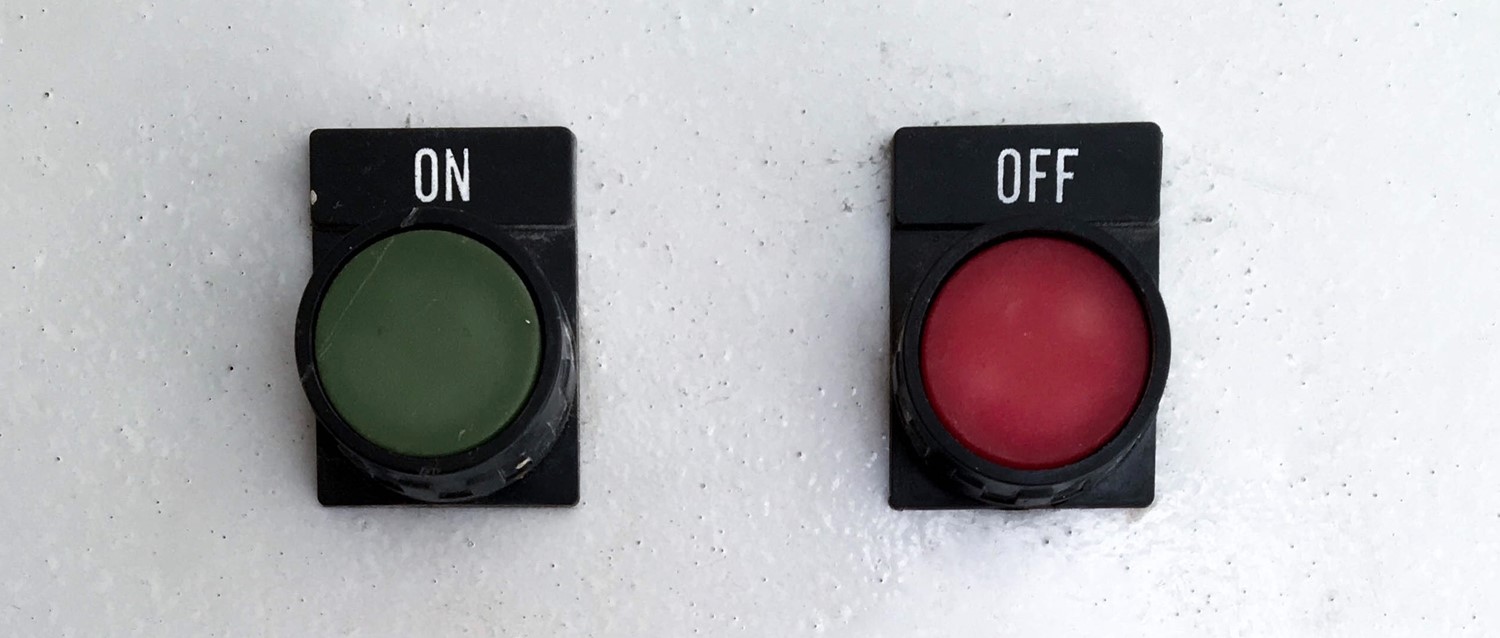
Why it’s difficult to switch off during the pandemic
Peer reviewed by Dr Sarah JarvisAuthored by Lydia SmithOriginally published 26 Nov 2020
Meets Patient’s editorial guidelines
- DownloadDownload
- Share
- Language
- Discussion
- Audio Version
- Add to preferred sources on Google
If you feel like you've been in an 'always on' mode since the start of the pandemic, you're not alone. In a relatively short space of time, our lives and routines have been upended, making it difficult to switch off.
As well as the threat to our health, we've had to cope with being separated from loved ones, adjust to working from home and listen to endless new announcements about how to curb the spread of COVID-19. The future is uncertain and as a consequence, it's becoming harder than ever to relax, which is taking its toll on our mental health.
What's making us so stressed?
Working from home
There are multiple reasons why we're finding it difficult to find some downtime at the moment. The way we work has changed and when we work from home, the boundaries between our professional and personal lives become blurred. It's far easier to spend longer at your desk, take fewer breaks and respond to emails when you should be relaxing. Instead of colleagues, we're working alongside partners, housemates and pets - and parents are trying to juggle work responsibilities with childcare.
Transition rituals
"Prior to the pandemic life was, of course, also very stressful but the current situation means that many people are experiencing multiple aspects of their lives from the same physical location," says Counselling Directory member Grace Warwick, a counsellor and psychotherapist.
"This can be problematic in terms of switching off. We have lost our transition rituals, whatever those may have been. The journey from the workplace to home allowed for a psychological transition out of work mode. Those who remained at home prior to the pandemic have also lost their private space to make calls or simply hear themselves think."
Constant bad news
Although we want to keep up-to-date with what's going on, the constant exposure to negative news and information can send our stress levels through the roof too. There are also fewer opportunities to do the things we would normally do to relax, like meeting friends, going to the gym or heading out for dinner.
"At the moment, we are living through a situation where we have constant messages about the physical threat of COVID-19 and the subsequent economic, social and psychological consequences," Warwick says.
Fight or flight
As a result of all these changes, it's possible some people are experiencing a physical response with the activation of the body's threat response, Warwick adds. More commonly known as the fight or flight response, our bodies enter a heightened state of alertness originally designed to enable escape.
"We are not designed to be able to be calm and switch off whilst this system is at work," she explains. "We scan for further evidence of threats, be they in our work life, personal relationships or even our hopes for the future. We become locked in a downward spiral of seeing threats."
Some of the impacts of living in this heightened state can be exhaustion, being unable to relax and an inability to concentrate, as well as poor sleep and feeling low in mood, anxious and jittery. "Imagine being chased by a dinosaur - all the energy pumping through the body - the exact opposite of a great time to take a nap," Warwick says.
How to switch off during a global pandemic
It can be easier said than done to relax, especially when things seem overwhelming. But there are several steps you can take to help you switch off.
Stick to routines and practise self-care
Keeping to a routine can make your days feel more structured, which can help us feel calmer and more secure. This might mean getting up at a certain time, going for a walk before you start work or taking a lunch break every day.
It's also important to make time for the things you enjoy, whether it's reading, exercise or any other hobby. Make sure you take regular breaks from work, too.
"It can be helpful to introduce our own transition rituals into the day," Warwick says. "Self-care is essential; consider your body's needs - if it has been in fight or flight mode all day it may benefit from moving more. If exercise is not your thing, try a gentle walk or even a dance around the kitchen."
Take screen breaks
Since the COVID-19 pandemic hit, we've spent far more time on video calls and this can take its toll. Although it's hard to find an excuse not to join a Zoom party when you technically have nowhere else to be, sometimes it can help just to take a break from your laptop and do something else.
It's also important to turn the news off every so often to avoid feeling overburdened with the bad news rolling in. You can keep on top of what's happening without checking the news every ten minutes.
Mindfulness
It can be easy to rush through life without stopping to notice much, especially if you're juggling work, childcare and other responsibilities. Paying more attention to the present moment, to your thoughts, emotions and the world around you, can improve your mental well-being. It doesn't take long either - many mindfulness meditation sessions are just ten minutes long.
"Mindfulness routines can help enormously to calm the body and there are many wonderful apps to try," Warwick says. "But if calm isn't your thing go for distraction. The great thing about listening to an audiobook or watching a favourite programme is that it keeps moving forward and can carry the mind with it."
Connect with other people
Social connection to others outside of your daily circle is an important factor in mental health, even if it's harder to see people in person at the moment. It may be exhausting to commit to back-to-back video calls with friends and family, but it's easy to pick up the phone for a quick catch-up.
If you're struggling with anxiety, stress, low mood or another mental health issue, it's important to speak with your GP. They may refer you for talking therapy or recommend medication. The charity Mind offers confidential advice and support too.
Patient picks for Pandemic articles
COVID-19
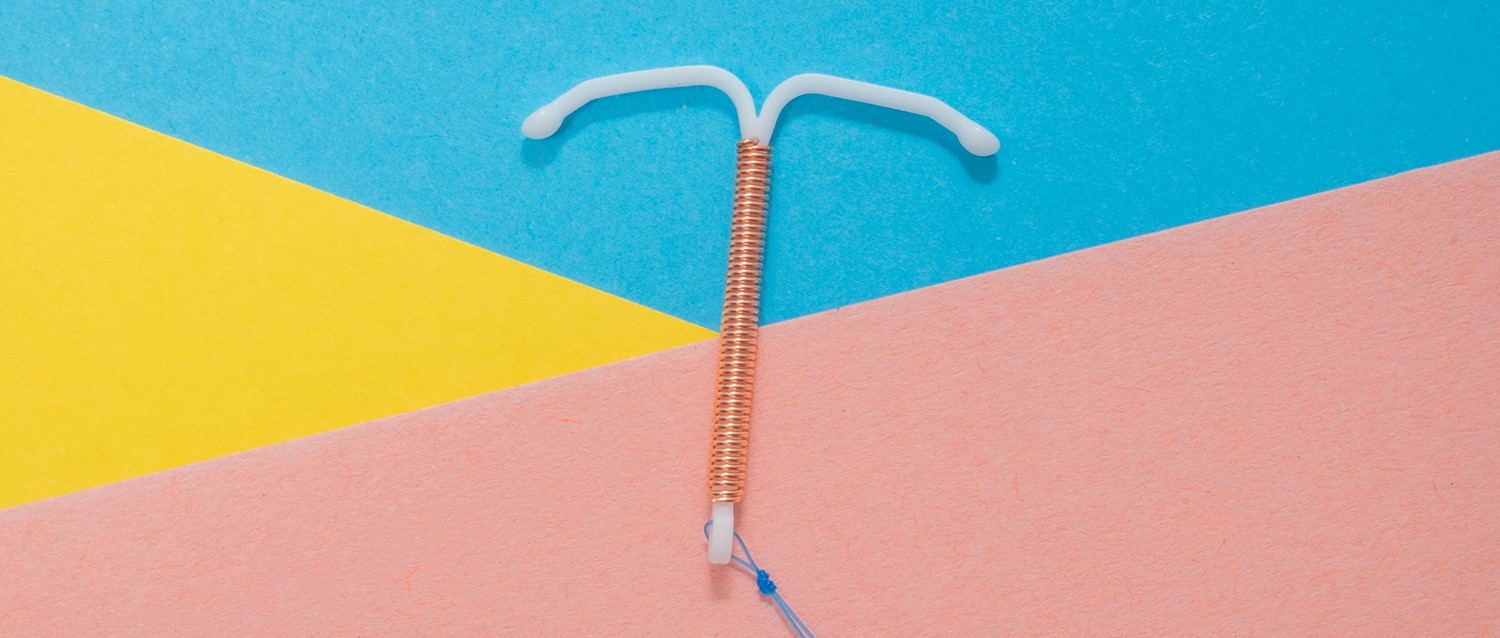
How has the COVID-19 pandemic affected access to contraception?
We live in a time where multiple contraceptive options mean women should have more control over their sexual health than ever before. But a new report reveals that the COVID-19 pandemic has prevented 1 in 4 women from access to contraception, specifically long-acting reversible contraception. How has this happened, and what can be done to tackle the backlog of demand?
by Amberley Davis
COVID-19
Can apps help you manage your mental health during the pandemic?
For people with mild depression and anxiety, and those in treatment, apps may provide useful support during lockdown - or while restrictions to face-to-face consultations remain in place even as lockdown eases - to help them manage and improve their mental health.
by Ellie Broughton
About the authorView full bio

Lydia Smith
Feature writer
BA, MA, MSc
Lydia Smith is an award-winning journalist and feature writer who has written extensively on women's health and mental health. She is currently studying for an MSc in psychology.
About the reviewerView full bio

Dr Sarah Jarvis
Clinical Consultant
MA (Cantab), BM, BCh (Oxon), DRCOG, FRCGP, MBE
After training in medicine at Cambridge and Oxford, Dr Sarah Jarvis MBE became a GP.
Article history
Article also available in English, German, Spanish, French, Italian, Portuguese, Hindi, Hebrew, Arabic, and Swedish.
26 Nov 2020 | Originally published
Authored by:
Lydia SmithPeer reviewed by
Dr Sarah Jarvis
Join the conversation
Share your thoughts or experiences with others in our patient communities.

Ask, share, connect.
Browse discussions, ask questions, and share experiences across hundreds of health topics.

Feeling unwell?
Assess your symptoms online for free
Sign up to the Patient newsletter
Your weekly dose of clear, trustworthy health advice - written to help you feel informed, confident and in control.
By subscribing you accept our Privacy Policy. You can unsubscribe at any time. We never sell your data.
More in cOVID-19
- Can lifestyle changes reduce your COVID-19 risk?
- Coping with anxiety around COVID-19 uncertainty
- COVID-19 - coping with loneliness this Christmas
- COVID-19 coronavirus: what can I do under the new rules?
- COVID-19: How contagious is Omicron?
- COVID-19: when do experts predict life will return to normal?
- Has the pandemic had an impact on child obesity?
- How has the COVID-19 pandemic affected access to contraception?
- How to contribute to COVID-19 research
- How to help your child adjust to a post-COVID world
- How to stay healthy while working at home
- Is it COVID-19 or flu this winter?
- Is there a rise in alcohol deaths during COVID-19 pandemic?
- Long COVID: What are the symptoms and treatment?
- Tips for restarting your exercise routine after lockdown