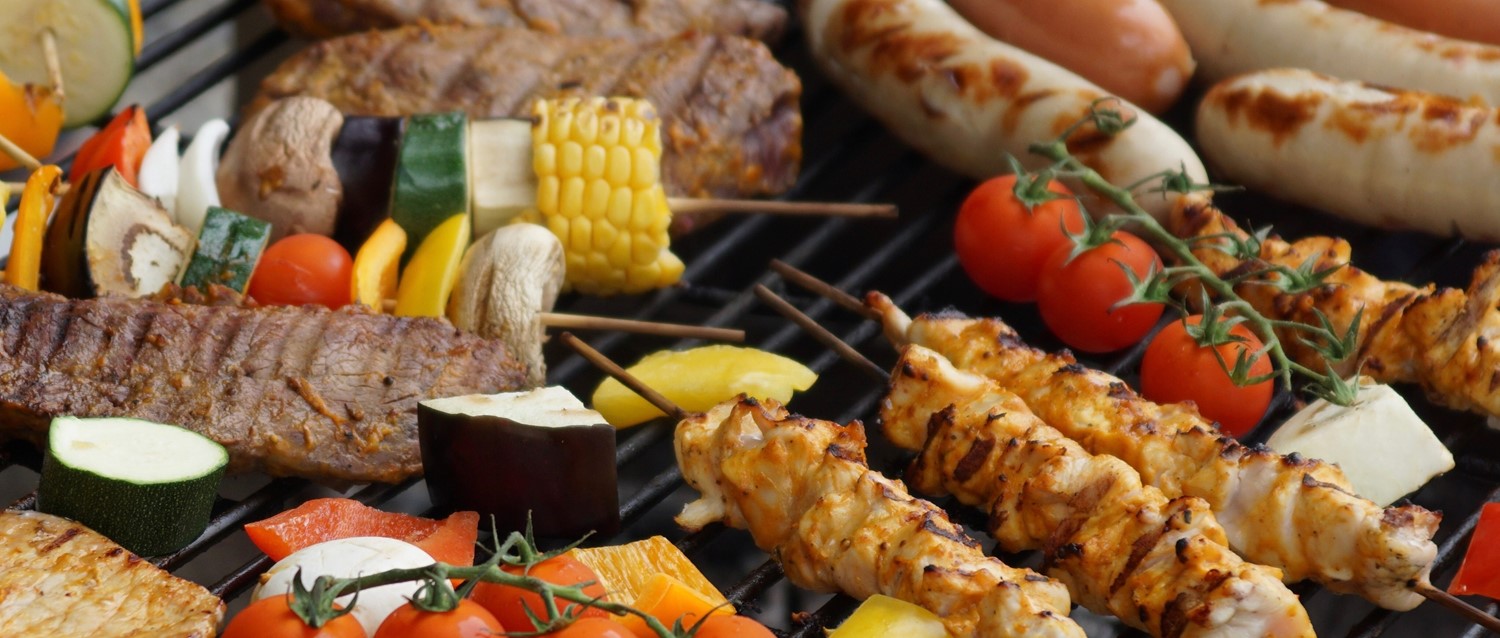
How much meat should we be eating?
Peer reviewed by Dr Sarah JarvisAuthored by Lydia SmithOriginally published 8 Dec 2021
Meets Patient’s editorial guidelines
- DownloadDownload
- Share
- Language
- Discussion
- Audio Version
- Add to preferred sources on Google
Many people are turning vegetarian and vegan for environmental, ethical and health reasons. However, meat can also be a good source of protein and provides many important vitamins and minerals, including iron. So how much meat should we be eating - or is it better for us to avoid meat entirely?
How much meat should we be eating?
In recent years, evidence has emerged that higher intakes of red meat - such as beef, lamb, pork and veal - can increase our risk of bowel cancer. Processed meats such as bacon, sausages, cured meats, pâté and corned beef have been linked to cancer too. However, it's important to remember that it is all about quality and quantity.
"The UK recommendations are that if you consume more than 90 g of red or processed meat per day, to reduce this to below 7 0g," says Reema Patel, registered dietitian at Dietitian Fit. "Try to have some meat-free days in the week to reduce overall consumption. Opt for other protein sources such as fish, shellfish, eggs and vegetarian proteins such as lentils, beans and soya-based products to mix things up in the week."
Red meat can be nutritious as it is a great source of protein and many vitamins and minerals, including iron, zinc and B vitamins. "Meat is one of the main sources of vitamin B12 in the diet. However, red meat can be high in saturated fats and salt," says Patel.
"Too many saturated fats can increase our non-HDL (high-density lipoprotein) cholesterol. This is seen as the 'bad cholesterol' and a high salt intake is a risk factor for developing high blood pressure. Both of these are risk factors for developing heart disease."
Saying that, Patel adds, it is more about moderation and reducing overall consumption in our diets as a whole, instead of labelling red meat as bad. "Adding in varied sources of protein in the week, aside from just red meat, is more beneficial in the long term. Not just for our health but also the environment," she says.
Is it healthier to be vegetarian or vegan?
An increasing number of people are becoming vegetarian and vegan for ethical, environmental and health reasons. However, whether being plant-based is healthier can depend on the overall quality of your diet and the variety of nutrients you are consuming, Patel explains.
"Trying to go for lean meat can help reduce saturated fat levels, as can going for fewer processed meats, such as bacon, sausages, and cured meats," she says. "Leaner meats without the skin, such as chicken or turkey, are healthier options overall to include more regularly if you are a meat eater. Naturally, vegetarian and vegan diets may be lower in saturated fats compared to diets higher in animal proteins."
Vitamins and minerals
However, it's important for everyone to get enough vitamins and minerals in their diets. "If you follow a vegetarian or vegan diet, ensure that you are including foods that provide a good source of vitamin B12, iron, zinc, calcium, iodine and omega 3," says Patel.
"Plant-based dairy alternatives should be fortified with some of these key nutrients. Keeping your diet varied with a large variety of fruits and vegetables, plant-based proteins and whole grains can help with having a healthier diet overall. Working on lowering consumption of refined carbohydrates and products with added sugars is important for health too."
Supplementing your diet may be required on a vegan diet, as some vegan foods may not provide an adequate amount of specific nutrients. "If unsure, reach out to a registered dietitian for guidance with analysing your overall diet and providing recommendations, or check with your GP before supplementing," says Patel.
How to cut down your meat consumption
If you think you are eating too much meat or want to cut down, there are plenty of ways to create delicious, nutritious vegetable-based meals.
Allocate meat-free days
Going vegetarian or vegan can be a big commitment and even if that is your end goal, cutting out meat gradually can be a good way to ease yourself into a diet change. Allocating a couple of days a week for plant-based meals can be a good start.
If you only order meat-based meals when you're eating out at a restaurant or getting a takeaway, eating meat can become a treat rather than an everyday ingredient.
Replace meat with plant-based alternatives
Across the UK, people are spending more money on vegan products, and plant-based diets are trending online. Supermarkets now offer lots of options for meat-free alternatives, such as vegan sausages or burgers. Replacing your usual meats with these, even just for a couple of days a week, can help reduce your meat intake.
It's also helpful to replace minced meat with pulses like lentils, chickpeas and other beans, which are nutritious, filling and high in fibre. It's easy to replace the minced beef with lentils to create a delicious Bolognese.
Weigh out your meat
It can be difficult to know what a portion size of meat is, so it can be helpful to weigh out your meat before you add it to your plate.
According to the British Dietetic Association (BDA), a portion of cooked meat such as beef, pork, lamb, mince, chicken or turkey is around the size of a deck of cards, which is around 90 g. For cooked white fish, it should be 140 g or the size of the palm of your hand.
Build meals around vegetables
Many of us create meals around meat. However, it's possible to build healthy, fulfilling meals around vegetables and pulses, such as chickpea and cauliflower curries, roast dinners with vegetarian sausages or a mushroom Wellington.
Patient picks for Healthy eating
Diet and nutrition
Why fibre is your friend
It's recommended that we all try to eat 30 grams of fibre a day - but most of us only manage about 18 grams. We should try to eat at least 30 different vegetables, fruits, nuts, seeds, beans and pulses every week to meet our fibre needs. Here's why it's important to prioritise a fibre-rich diet.
by Victoria Raw

Diet and nutrition
9 food swaps for a delicious and healthy Christmas dinner
Being healthy may not always be the first thing on your mind on Christmas day. But what if we said you could make some nutritious food swaps so your Christmas dinner's just as tasty, but secretly healthier?
by Victoria Raw
About the authorView full bio

Lydia Smith
Feature writer
BA, MA, MSc
Lydia Smith is an award-winning journalist and feature writer who has written extensively on women's health and mental health. She is currently studying for an MSc in psychology.
About the reviewerView full bio

Dr Sarah Jarvis
Clinical Consultant
MA (Cantab), BM, BCh (Oxon), DRCOG, FRCGP, MBE
After training in medicine at Cambridge and Oxford, Dr Sarah Jarvis MBE became a GP.
Article history
The information on this page is peer reviewed by qualified clinicians.
Article also available in English, German, Spanish, French, Italian, Portuguese, Hindi, Hebrew, Arabic, and Swedish.
8 Dec 2021 | Originally published
Authored by:
Lydia SmithPeer reviewed by
Dr Sarah Jarvis
Join the conversation
Share your thoughts or experiences with others in our patient communities.

Ask, share, connect.
Browse discussions, ask questions, and share experiences across hundreds of health topics.

Feeling unwell?
Assess your symptoms online for free
Sign up to the Patient newsletter
Your weekly dose of clear, trustworthy health advice - written to help you feel informed, confident and in control.
By subscribing you accept our Privacy Policy. You can unsubscribe at any time. We never sell your data.
More in diet and nutrition
- 5 high-protein vegetarian meals to keep your strength up
- 7 light summer salad recipes for hot summer days
- 9 health benefits of chia seeds
- 10 essential nutrients you might be lacking
- Brain food: what to eat, when to eat, recipes
- Can changing your diet improve PMS?
- Can vitamins really prevent hair loss?
- Diabetes diet: managing type 2 diabetes
- Does aloe vera juice really help with gut health?
- Gout diet: foods to eat and avoid
- How to build muscle on a vegan diet
- How to comfort eat healthily in winter
- How to get rid of trapped wind: home remedies that work
- How to have a healthier barbecue
- How to improve your immunity through diet and lifestyle
- What are the health benefits of spicy food?
- What is the Nordic diet?
- Which foods can reduce your stress and anxiety?
- UpdatedWhich ultra-processed foods are safe - and which should we avoid?