هل يمكن للنظام الغذائي أن يؤثر على اضطراب فرط الحركة ونقص الانتباه لديك؟
مراجعة من قبل الدكتور كولين تايدي، MRCGPكتبه فيكتوريا راونُشر في الأصل 15 May 2025
يتوافق مع الإرشادات التحريرية
- تنزيلتنزيل
- مشاركة
- Language
- نقاش
- نسخة صوتية
- أضف إلى المصادر المفضلة على جوجل
As more people are diagnosed with ADHD, there is growing interest in effective ways to help control its symptoms. One promising area of focus is nutrition, with emerging evidence suggesting that what you eat may play a role in managing the condition. We spoke to the experts for their take on whether your diet can impact ADHD symptoms.
برعاية
عيادة الحياة الجيدة لاضطراب فرط الحركة ونقص الانتباه
Get access to a FREE consultant-led NHS ADHD service with faster assessment times, full diagnosis, and ongoing treatment - all free on the NHS.
اضطراب نقص الانتباه مع فرط النشاط (ADHD) is a neurological condition that affects around 5% of children and 4% of adults in the UK. People with ADHD commonly have trouble focusing, bursts of hyperactivity or impulsiveness, and moments where their mind feels foggy.
How diet can help manage ADHD symptoms
How does what you eat affect ADHD symptoms?
Symptoms of ADHD may be managed with certain medicines, though incorporating healthy lifestyle habits can also help you cope.
Dr Tom MacLaren, Consultant Psychiatrist, Re:Cognition Health, London, UK explains that while no single diet can cure ADHD, emerging research suggests that certain nutritional choices may influence the severity of your symptoms.
Dr Miriam Mikicki, GP and Functional Medicine Practitioner, health.miro, London, UK says, "Your diet can have a big impact on your blood sugar. Excess rises and falls in blood sugar can certainly make your ADHD symptoms worse."
She adds that several vitamin and mineral deficiencies have also been linked to more intense ADHD symptoms.
According to Maclaren and Mikicki, children and adults with ADHD often have lower levels of certain important nutrients essential for brain function, regulating nerve signals, and mood stability.
تشمل هذه الأشياء:
الأحماض الدهنية أوميغا-3 - critical for brain cell structure, dopamine regulation and managing inflammation.
Zinc and Vitamin B6 - involved in neurotransmitter synthesis, neural signaling, and dopamine and serotonin production.
المغنيسيوم - important for nervous system regulation.
الحديد - supports oxygenation and dopamine production. Low levels of ferritin, a protein that helps your cells store iron, has been linked to more severe ADHD symptoms.
فيتامين د - modulates brain-derived neurotrophic factor (BDNF), a protein that helps grow and protect brain cells.
MacLaren explains that addressing nutritional deficiencies through diet or supplements may improve focus and emotional regulation.
"For example, omega-3 supplementation has shown benefits in clinical trials," he says. "Iron correction may also reduce hyperactivity."
Which foods help improve ADHD symptoms?
Adding the right foods to your diet could boost brain function, help with focus, calm hyperactivity, reduce inflammation, and even improve your mood.
Mikicki says that fatty fish - such as sardines and mackerel - are a great source of omega-3, while eggs contain choline, which is important for brain function.
"Choline is a precursor to acetylcholine, a key neurotransmitter that plays a role in memory and focus," she explains. "Other foods which can help include leafy greens - a source of folate and iron - nuts and seeds - a source of zinc and magnesium - and berries, which are good sources of antioxidants."
MacLaren outlines a detailed list of food sources that may help reduce ADHD symptoms:
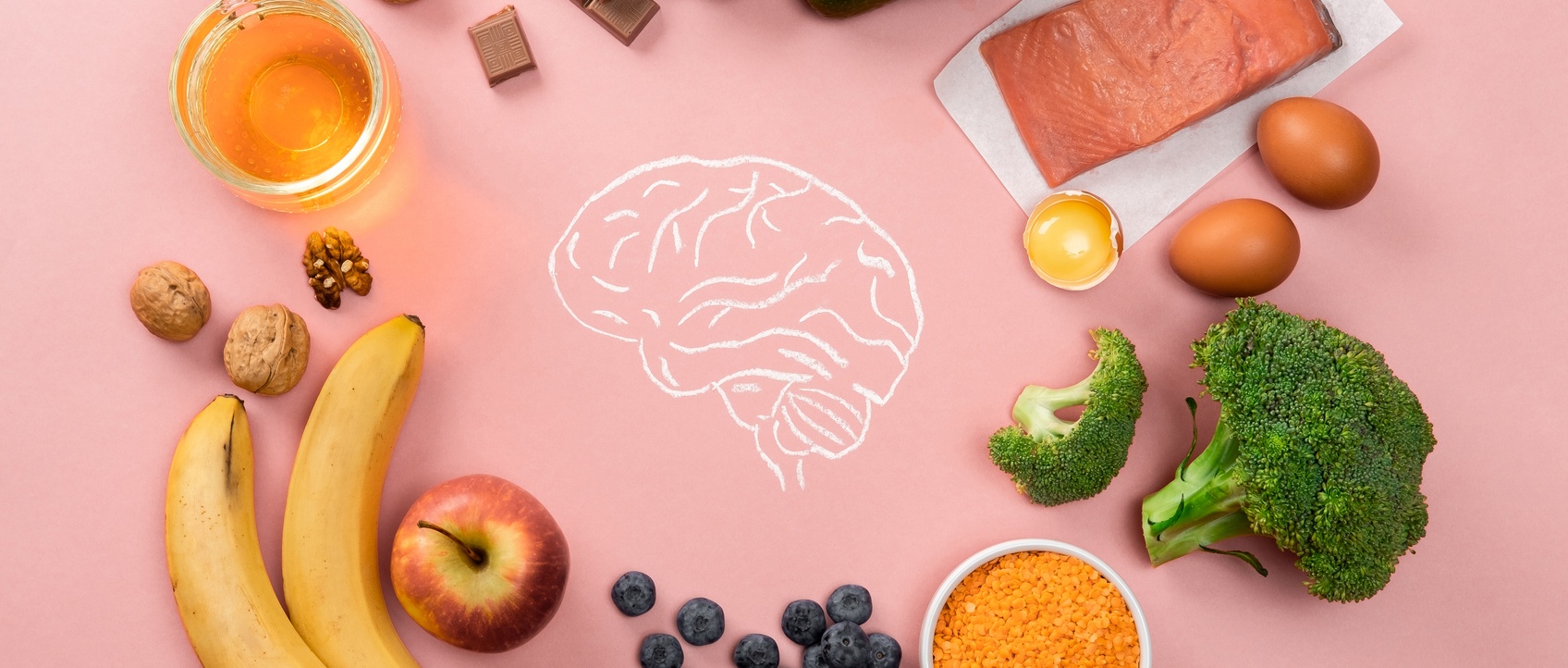
Omega-3s: Salmon, walnuts, flax seeds - support brain cell membranes.
Protein: Eggs, lean meats, legumes - stabilise blood sugar.
Complex carbohydrates: Oats, lentils, quinoa - provide sustained energy.
Antioxidants: Berries, spinach, nuts - reduce oxidative stress.
Fermented foods: Yoghurt, kimchi, kefir - support your gut microbiome.
Is there a connection between gut health and ADHD?
The gut-brain axis is a two-way communication system that connects your digestive health and brain function.
Mikicki says that an imbalance in your gut bacteria (dysbiosis) can increase inflammation and negatively affect your cognitive function.
"People with ADHD often show imbalances in their gut microbiota," she explains.
For this reason, she recommends increasing your intake of gut-friendly foods to help enhance attention and improve emotional regulation.
تشمل هذه الأشياء:
Probiotic-rich foods - such as yoghurt, kefir, kimchi.
البريبايوتكس - such as bananas and garlic.
ألياف - such as whole grains and legumes.
Which diets can help with ADHD?
It's thought that following specific diets may help manage symptoms of ADHD. They typically include an elimination diet, a Mediterranean diet and a low glycaemic diet.
Elimination diet
An elimination diet works by removing common food additives and allergens to help identify the specific triggers of symptoms.
Mikicki describes how some food groups - including gluten and dairy - can contribute to ADHD symptoms such as brain fog and lack of concentration in people with certain genetic traits.
She says: "The best way to see if there is an improvement in cognitive symptoms is by removing these foods for a set period, and then re-introducing them to see if symptoms return.
"This is a personalised way to find out if your symptoms are related to certain food groups."
Mikicki warns that this type of plan has a downside, as it requires completely removing some foods from your diet for a length of time, which could result in nutrient deficiencies.
MacLaren explains: "Eliminating foods without adequate replacements can result in a lack of essential vitamins and minerals. It can also be particularly challenging for children and adults who may be picky eaters."
However, he adds that some children and adults with ADHD may benefit from avoiding artificial food colours, preservatives, and certain allergens.
نظام غذائي متوسطي
The Mediterranean diet prioritises fruits, vegetables, wholegrain cereals, fish, eggs, dairy foods, olive oil, nuts and seeds, with small amounts of meat and poultry.
Mikicki says this diet is promoted for its anti-inflammatory effects and nutrient density - such as omega-3 fatty acids - which is important for brain health.
"It does, however, require planning and access to certain foods," she adds. "Fresh fish, for example, may not be readily available."
Low glycaemic diet
A low glycaemic diet avoids foods that cause rapid spikes and crashes in blood sugar levels. Instead, it focuses on foods that release energy more slowly, helping to maintain stable blood sugar and support sustained focus and energy throughout the day.
"This is beneficial as we know that stabilising blood sugar can have a profound effect on mood and energy," says Mikicki. "This can reduce impulsivity and improve concentration in people with ADHD.
"However, to accurately monitor this diet, you need to have some monitoring in place, such as a continuous glucose monitor (CGM) or blood test."
MacLaren advises that while ADHD-specific diets can promote healthier eating habits, there is still limited scientific evidence to confirm their effectiveness in directly improving ADHD symptoms.
"It's essential to approach these diets with caution and professional guidance," he says. "Always consult with a healthcare provider to ensure nutritional balance."
Healthy eating advice for ADHD and wellness
A simple way to stabilise your blood sugar levels and reduce inflammation is by eating a balanced diet rich in protein, complex carbohydrates, and healthy fats.
Mikicki says: "Diet is not considered a cure for ADHD, but it can nonetheless be a powerful complementary approach."
MacLaren adds that while dietary changes are not a standalone treatment, combining nutritional strategies with conventional ADHD therapies often yields the best outcomes.
He offers some final takeaway tips for a balanced diet that supports mood, focus, and quality of life.
"These can help you think in more detail about how even small adjustments to your diet could help better control your ADHD symptoms," he concludes.
Prioritise protein - including protein at every meal can help stabilise energy levels and improve concentration. Foods like lean meats, eggs, dairy, nuts, and legumes are excellent choices.
Choose complex carbs - opting for wholegrains over refined sugars helps maintain steady blood sugar levels, which can prevent mood swings and improve focus. Oatmeal, brown rice, and quinoa are great options.
Schedule snacks - regular snacks can prevent blood sugar crashes. Nuts, seeds, fruits, and vegetables are nutritious choices that provide sustained energy.
Hydrate well - staying hydrated is crucial as dehydration can impair cognitive function and focus. Aim for at least 8 glasses of water a day, and consider hydrating foods like fruits and vegetables.
Limit additives - avoiding artificial colours, preservatives, and other additives can help reduce hyperactivity and improve attention in some people with ADHD.
اختيارات المرضى لـ اضطراب فرط الحركة ونقص الانتباه

الدماغ والأعصاب
ما هي أعراض اضطراب فرط الحركة ونقص الانتباه والتوحد (AuDHD)؟ العلامات، الفروقات والتداخل
Attention Deficit Hyperactivity Disorder (ADHD) and Autism Spectrum Disorder (ASD) are neurodevelopmental conditions that can often coexist. When both conditions are present, this is sometimes referred to as AuDHD (ADHD and Autism). Though, not a term used by doctors when giving diagnoses, people commonly use it to signify they have both conditions. In this feature, the symptoms of ADHD and autism will be explored separately and then what the combination presents as.
بقلم الدكتورة رشنا راجبوت، الطب النفسي في المملكة المتحدة

الدماغ والأعصاب
كيفية اكتشاف علامات اضطراب فرط الحركة ونقص الانتباه لدى طفلك هذا الصيف
مع حلول العطلة الصيفية للمدارس في المملكة المتحدة، سيقضي العديد من الآباء والأسر وقتًا أطول معًا من المعتاد. إذا كنت تتساءل عما إذا كان طفلك قد يعاني من اضطراب فرط الحركة ونقص الانتباه، فإن العطلة الصيفية يمكن أن تكون فرصة جيدة لملاحظة كيفية تصرفهم في مواقف وروتينات مختلفة. تحدثنا إلى أخصائي حول العلامات التي يجب الانتباه إليها، وماذا تفعل إذا كنت تعتقد أن طفلك قد يعاني من اضطراب فرط الحركة ونقص الانتباه.
بقلم فيكتوريا راو
الأسئلة الشائعة
Can diet alone cure ADHD?
No, diet alone cannot cure ADHD. While dietary changes can be a powerful complementary approach and may influence the severity of symptoms, they are not considered a standalone treatment. Combining nutritional strategies with conventional ADHD therapies often yields the best outcomes.
Are there any risks associated with following an elimination diet for ADHD?
Yes, there are risks associated with an elimination diet. Removing certain foods for a long time without adequate replacements can lead to a lack of essential vitamins and minerals, potentially causing nutrient deficiencies. It can also be particularly challenging for children and adults who are picky eaters.
What is the gut-brain axis and how does it relate to ADHD?
The gut-brain axis is a two-way communication system linking your digestive health and brain function. An imbalance in gut bacteria, known as dysbiosis, can increase inflammation and negatively impact cognitive function. People with ADHD often show such imbalances, which is why increasing gut-friendly foods is recommended to help with attention and emotional regulation.
How can protein help with ADHD symptoms?
Including protein at every meal can help stabilise energy levels and improve concentration. Foods such as lean meats, eggs, dairy, nuts, and legumes are excellent choices for protein intake. This stability in energy can help manage ADHD symptoms.
Why is hydration important for managing ADHD symptoms?
Staying well-hydrated is crucial because dehydration can impair cognitive function and focus. Aiming for at least 8 glasses of water a day and consuming hydrating foods like fruits and vegetables can support better focus and overall brain function.
عن المؤلفعرض السيرة الذاتية الكاملة

Victoria Raw
كاتب مميز
بكالوريوس (مع مرتبة الشرف)، الأدب الإنجليزي
فيكتوريا كاتبة محتوى مع Patient وتركز اهتماماتها الخاصة على الصحة النفسية، والاتجاهات المجتمعية، وتأثير التكنولوجيا على صحتنا.
حول المراجععرض السيرة الذاتية الكاملة

الدكتور كولين تايدي، MRCGP
طبيب عام، مؤلف طبي
MBBS, MRCGP, MRCP (Paediatrics), DCH
الدكتور كولين تايدي هو طبيب في هيئة الخدمات الصحية الوطنية، ويعمل في أوكسفوردشاير.
تاريخ المقال
تمت مراجعة المعلومات الموجودة في هذه الصفحة من قبل أطباء مؤهلين.
المقال متاح أيضًا باللغة الإنجليزية, الألمانية, إسبانية, الفرنسية, إيطالي, البرتغالية, الهندية, العبرية, العربية ,، و السويدية.
المراجعة التالية مستحقة: 15 مايو 2028
15 May 2025 | نُشر في الأصل
كتبه:
Victoria Rawمراجعة من قبل
الدكتور كولين تايدي، MRCGP

اسأل، شارك، تواصل.
تصفح المناقشات، اطرح الأسئلة، وشارك التجارب عبر مئات المواضيع الصحية.

هل تشعر بتوعك؟
قم بتقييم أعراضك عبر الإنترنت مجانًا
اشترك في النشرة الإخبارية للمرضى
جرعتك الأسبوعية من النصائح الصحية الواضحة والموثوقة - مكتوبة لمساعدتك على الشعور بالاطلاع والثقة والتحكم.
من خلال الاشتراك، فإنك تقبل سياسة الخصوصية. يمكنك إلغاء الاشتراك في أي وقت. نحن لا نبيع بياناتك أبدًا.
المزيد في الدماغ والأعصاب
- 10 علاجات منزلية لتخفيف سريع من الصداع النصفي
- هل الصداع والشقيقة أكثر شيوعًا في الصيف؟
- التحرر من التظاهر: كيفية فهمه والتغلب عليه
- هل يمكن أن يسبب اضطراب فرط الحركة ونقص الانتباه القلق والاكتئاب؟
- كيف يؤثر اضطراب فرط الحركة ونقص الانتباه على العمل والإنتاجية
- كيف تؤثر بكتيريا الأمعاء على المزاج والتركيز وصحة الدماغ
- جديدكيفية اكتشاف علامات اضطراب فرط الحركة ونقص الانتباه لدى طفلك هذا الصيف
- هل دورتك الشهرية تسبب لك الصداع النصفي؟
- دماغ الفشار: ما هو، لماذا يحدث، وكيف تعيد تركيزك
- الخرافات حول القوباء المنطقية التي يجب أن تتوقف عن تصديقها
- نصائح بسيطة يمكن أن تحسن الصحة على المدى الطويل للأشخاص المصابين بالتصلب المتعدد
- ما هي علامات اضطراب فرط الحركة ونقص الانتباه لدى النساء؟
- ما هو مرض الزهايمر المبكر - وما هي أسبابه؟
- ما هو متلازمة توريت - وكيف يمكنك التعامل معها؟
- ما لا يجب قوله لشخص مصاب بالخرف
- لماذا تم عرض لقاح القوباء المنطقية عليّ؟
- لماذا تنجذب أدمغتنا إلى الأخبار السيئة
- الخرف المبكر مرتبط بالصحة ونمط الحياة، وكذلك العوامل الوراثية
- دليلك للوقاية من السكتة الدماغية