
Signs you need to see a podiatrist
Peer reviewed by Dr Sarah JarvisLast updated by Gillian HarveyLast updated 22 Oct 2020
Meets Patient’s editorial guidelines
- DownloadDownload
- Share
- Language
- Discussion
- Audio Version
- Add to preferred sources on Google
We've all experienced aching feet from time to time - perhaps at the end of a hard day. And none of us are strangers to a blister or two. But what about other aches, pains and other problems presenting in the feet? We look at signs and symptoms that suggest a trip to the podiatrist (foot specialist) is necessary.
When you think about it, feet are pretty important. Pain or other problems with our feet can affect our mobility and impact our quality of life significantly. Yet few of us give our feet the care they deserve.
"People ignore their feet. They often don't give them the attention they need. And they also don't look at them, so because they're not regularly looking at their feet they don't see issues developing," says Emma McConnachie, podiatrist and spokesperson for The College of Podiatry.
Time is of the essence
However, even with more straightforward foot injuries and problems, waiting for too long can exacerbate the problem. "Many patients will come in and tell they've been suffering for months, but thought their foot problem would get better on its own. Unfortunately, sometimes this can mean it's gone from something that could have been very easily fixed to a bigger issue," explains McConnachie.
And making sure you get that niggling pain checked out could be more important than you think. Pain, injury, or other changes to your feet may be signs of a more serious problem elsewhere in the body.
Common problems
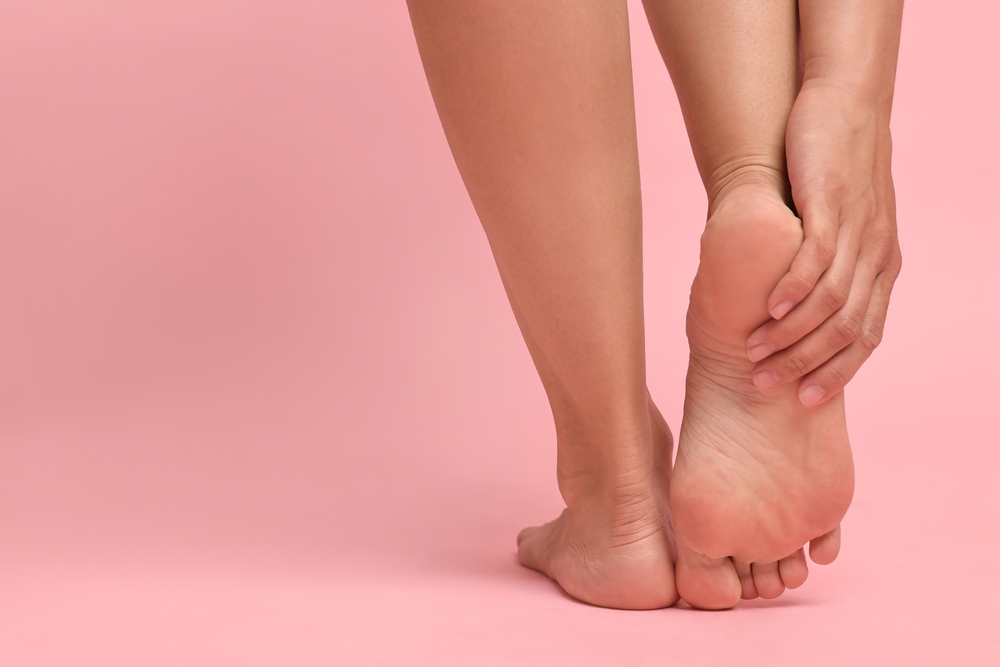
There are several common conditions that can lead to foot pain - one of the most prevalent causes a pain in the heel. "A common condition is one called plantar fasciitis - that's a strain underneath the foot," says McConnachie.
"We also see people with discolouration of a toenail, or skin changes. People also complain of one foot becoming different from the other - in size or shape, or even skin condition or temperature."
When to act
Clearly, if your feet are aching after a hard day and recover after rest, it's probably not yet time to visit a foot doctor.
However, McConnachie recommends making an appointment with your podiatrist if:
You feel sharp or hot pain from the heel when you stand up after rest.
You have difficulty or pain when you put your foot down.
Pain - even intermittent pain - that goes on for more than a week.
Discolouration of the skin of one or both feet.
Skin changes on the feet - if the skin is dry or colder than usual.
Swollen feet, or changes in size.
Changes in structure - such as a higher arch.
Some of the above symptoms may seem more urgent than others - but even if a problem is intermittent, it's important to get it checked out. "It can often seem like just a little niggly thing, but if something's repeating then your body's telling you something. It's worth listening," McConnachie advises.
The problem with self-diagnosis
In our cyber-obsessed times, it's tempting to turn to search engines for diagnosis. However, as many conditions of the feet can have similar symptoms it's better to leave it to the professionals. "We get a lot of people in who've consulted 'Dr Google' and have self-determined what's wrong with them. And although they have been doing the correct treatment for that particular issue, it turns out they have a different condition altogether," explains McConnachie.
A serious issue
It's easy to think that pain in the foot is simply an indicator of damage or injury to that part of the body. However, in some cases, changes in this area can indicate problems with the circulation, or - rarely - could even be sign that someone has had a stroke. Whilst we often overlook the importance of our foot health, having a foot symptom looked at could prove a fast-track to diagnosis and treatment of a serious condition.
Those with diabetes or a family history of diabetes or circulatory problems need to pay special attention to their feet. Problems with blood supply can occur when diabetes is not properly managed - and for those suffering from or at risk of this condition, injuries or changes in the feet, however small or insignificant, should be seen by a specialist quickly to avoid further complication.
Making an appointment
Podiatry is available on the NHS, but accessing the service may be different depending on where you live. Some NHS practitioners will require a GP referral; others will allow you to make an appointment directly; others still will not be allowed to see you unless you fall into certain categories (age, underlying health conditions etc). There may be different requirements if you are suffering from a long-term health condition such as diabetes. "If you want to see an NHS podiatrist, check with your local NHS Trust to find out what's required," advises McConnachie.
If you call your GP, they will also be able to offer you advice - and may well be able to offer you a letter of referral on description of your symptoms.
Going private may offer a quicker route to being seen, depending on local availability. Although this will require payment, many people find the service affordable - and you can book directly without a GP's letter. The College of Podiatry has a 'find a podiatrist' search tool on its website that may be useful. You can also find a podiatrist via Patient Access.
In difficult times, when there are so many seemingly more pressing worries, it is tempting to ignore a problem with your foot - hoping it will go away, or assuming treatment can be sought at a later date. However, as foot problems often worsen when ignored, and can be a sign of more serious disease, it's important to make sure you take appropriate care.
Patient picks for Foot problems
Foot care
What’s causing your foot pain?
From stabbing heel pain first thing in the morning to burning sensations in the ball of the foot, the way your foot hurts can reveal a lot about what's going on underneath. Understanding these symptoms can make it easier to identify the most likely causes of foot pain and decide whether treatment may be needed.
by Josh Alderman

Foot care
What's causing your cold hands and feet?
The most common answer to the question "What's causing your cold feet?" or "Why are my hands and feet always cold?" is usually, "Being a woman!" Yes, women are naturally inclined to have ice-blocks for feet and hands. But there are several medical conditions that can also be to blame.
by Victoria Raw
About the authorView full bio

Gillian Harvey
Freelance Writer
BA (Hons) English
Gillian is a freelance writer and columnist for a variety of national newspapers and magazines.
About the reviewerView full bio

Dr Sarah Jarvis
Clinical Consultant
MA (Cantab), BM, BCh (Oxon), DRCOG, FRCGP, MBE
After training in medicine at Cambridge and Oxford, Dr Sarah Jarvis MBE became a GP.
Article history
The information on this page is peer reviewed by qualified clinicians.
Article also available in English, German, Spanish, French, Italian, Portuguese, Hindi, Hebrew, Arabic, and Swedish.
22 Oct 2020 | Latest version
22 Oct 2020 | Originally published
Join the conversation
Share your thoughts or experiences with others in our patient communities.

Ask, share, connect.
Browse discussions, ask questions, and share experiences across hundreds of health topics.

Feeling unwell?
Assess your symptoms online for free
Sign up to the Patient newsletter
Your weekly dose of clear, trustworthy health advice - written to help you feel informed, confident and in control.
By subscribing you accept our Privacy Policy. You can unsubscribe at any time. We never sell your data.
More in foot care
- Anatomy of the foot
- Do your feet get smellier in winter?
- How to find the perfect running shoes for your feet
- How to keep your feet healthy this summer
- How to keep your feet problem-free
- How to stop your child catching a verruca
- Plantar fasciitis: how to ease pain and find the right treatment
- Tips to prevent common foot injuries
- Video: Foot pain exercises
- Wart and verruca treatment options
- What it's really like to live with gout
- What your shoes can tell you about your feet
- What's causing your cold hands and feet?
- What’s causing your foot pain?
- Why caring for your feet is so important if you have diabetes
- Winter foot care mistakes to avoid