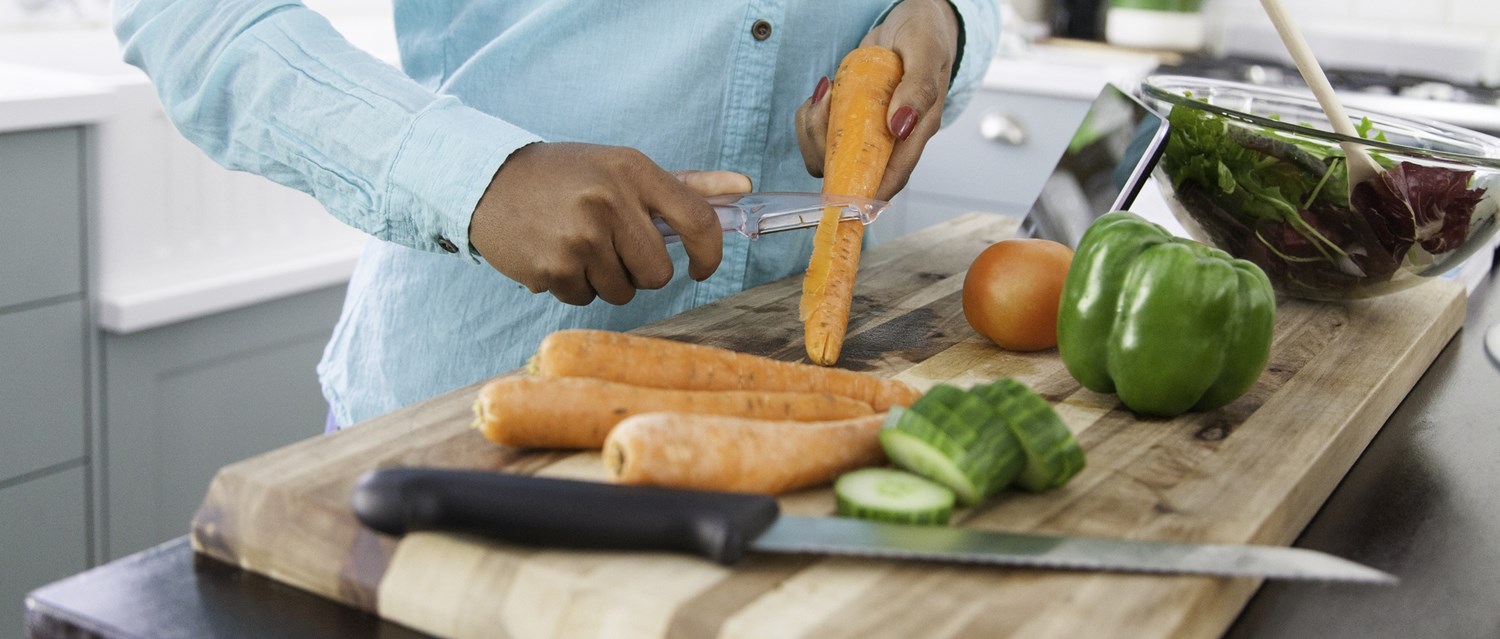
Meal plan tips for eating disorder recovery
مراجعة من قبل الدكتورة سارة جارفيسكتبه Rose Constantine Smith, ANutrنُشر في الأصل 16 نوفمبر 2017
يتوافق مع الإرشادات التحريرية
- تنزيلتنزيل
- مشاركة
- Language
- نقاش
- Ask Patient
- نسخة صوتية
- أضف إلى المصادر المفضلة على جوجل
Getting back to eating in a way that would be described as 'normal' is not easy when recovering from an eating disorder.
Many people in recovery find that both preparing food and eating make them feel incredibly anxious, despite a desire to get better. So what can you do to ensure that you are nourishing your body while keeping your fears at bay?
دعم الصحة النفسية للبالغين والأطفال
العلاج السلوكي المعرفي والعلاج النفسي عبر الإنترنت للبالغين والأطفال الذين تتراوح أعمارهم بين 8 و17 عامًا. يقدّم اختصاصيو Onebright المعتمدون الدعم للأشخاص الذين يعانون من القلق والاكتئاب وغيرها من التحديات العاطفية.
Avoid regular healthy eating sites
Francesca Baker has first-hand experience of the struggle of making food feel safe again after an eating disorder. To help others, she has produced a book called Eating and Living: Recipes for Recovery. It's full of great tips (from food shopping to cooking) for people in a similar situation.
She says: "I would suggest steering clear of normal healthy eating sites, as many of them promote low fat or sugar, which are actually crucial for recovery and weight restoration."
Let someone else make it for you
In Tabitha Farrar's Eating Disorder Recovery Kit for Adults she explains that the process of preparing meals yourself can send anxiety levels through the roof. Farrar suggests that if you're overwhelmed, try to let someone else make your food and let them do it alone. This leaves you to only worry about eating it.
Think quality over quantity
Eating large amounts of food at once is often not easy at this stage. But choosing nutrient-rich foods in a smaller portion will be more manageable, and you won't be depriving your body. Focus on getting a variety of food groups in your meals. Try to include some protein, fat, carbs and fruits and vegetables.
Choose meals that bring back positive food memories
Choosing meals that bring back comforting memories can help to recreate positive associations with food, suggests Baker. Memory is a great starting point for your journey to recovery and rebuilding a healthy relationship with eating.
Structure your eating
Creating order to your eating can take some of the stress out of the equation. Agree to a set time for each meal and plan your snacks in advance. Try to stick to these times regardless of whether you are hungry. This is a good way to reinstate a normal eating pattern while you wait for your eating and hunger to return.
Plan your meals ahead
Make some time once a week to plan your meals for the week ahead, using the above tips. This will allow you to make sure you are eating a balanced diet while also taking away the stress of choosing what you are going to eat.
Once you've decided, you can do one big shop each week. Again, this will remove the stress of constant decision-making and it also stops you having to make multiple trips to the supermarket while you are recovering.
But it's worth noting that, although a plan is helpful, you should not feel limited by it. If your plans for the week change, let your food schedule alter with it. It is not about restricting yourself but instead giving yourself some safe guidelines to work with.
Recovery food ideas
It may take some time to get back to 'normal' eating habits. And that's OK. Having some good go-to foods that provide nutrition in smaller portions is a great starting point. Some of these ingredients include:
الأفوكادو
They contain many nutrients including some B vitamins which have a role in helping the body get energy from the food we eat. Avocados provide a good source of energy in manageable portions, making them a great option when starting your journey to recovery.
Baked beans
Not only are they a source of protein, الألياف and one of your five a day but they are also a great store cupboard ingredient. Have these at home for when you need something quick and easy.
الأسماك الدهنية
Oily fish are a great source of omega 3 which the brain needs to function optimally and aid your recovery. Oily fish such as salmon can be purchased precooked and is freezable, making it another storable, quick, go-to option which can be cooked in minutes in the microwave if necessary.
البيض
Eggs are a 'complete protein', which means they contain all nine of the essential amino acids that our body is unable to make. This makes them a great, easy to prepare choice which will provide the body with many of the building blocks required for recovery.
المكسرات والبذور
Nuts and seeds are another great store cupboard item while also being easy to have in your bag as snacks through the day. They provide a multitude of benefits, one of which is vitamin E which, amongst other things, supports the health of our hair and nails.
See food in a different light
Kitty, who is now in full health and expecting her first baby, shares her tips for others recovering from an eating disorder.
She says: "I eventually saw food as the thing that would make me stronger, and I made myself think this way every time I had to eat and was feeling anxious. I think that was my stubborn side, which must have remained in my personality even when so much of me hadn't."
She stresses that every recovery is personal and what works for some won't necessarily work for others.
"Every situation is unique to the person and that's important to remember. But one thing remains the same: food is there to make you stronger. And even if it's just a little bit at a time, just do what you can."
اختيارات المرضى لـ اضطرابات الأكل

الصحة النفسية
ما مدى شيوع اضطرابات الأكل لدى الرجال؟
Women are definitely more likely than men to develop eating disorders - but they don't have a monopoly. UK figures from 2007 suggest 1.6% of men have a problem relationship with food, and US figures put the number of boys and men with eating disorders at a million and rising. But are those figures an underestimate? And is the increase more to do with awareness and readiness to come forward than a real rise in the number of people affected?
بقلم الدكتورة سارة جارفيس
الصحة النفسية
ما مدى شيوع اضطراب الأكل الشره وكيف يؤثر على الناس؟
Millions of people around the world have eating disorders. Despite binge eating disorder being one of the most common, it isn't given the same attention as some other eating disorders (EDs). However, binge eating disorder can cause severe health issues. If you are struggling, you should reach out to professionals who can help.
بقلم إميلي جين باشفورث
عن المؤلفعرض السيرة الذاتية الكاملة
كتبه

روز كونستانتين سميث، أخصائية تغذية معتمدة
اختصاصية تغذية
بكالوريوس علوم مع مرتبة الشرف، ANutr
ألّفت روز مقالاتٍ لعددٍ من المنشورات، منها مجلة «دليل الغذاء الصحي»، وتشغل منصب مديرة التغذية والعافية في شركة «ذا غود إيتينغ كو».
حول المراجععرض السيرة الذاتية الكاملة

الدكتورة سارة جارفيس
استشاري سريري
MA (Cantab), BM, BCh (Oxon), DRCOG, FRCGP, MBE
بعد التدريب في الطب في كامبريدج وأكسفورد، أصبحت الدكتورة سارة جارفيس حاصلة على وسام الإمبراطورية البريطانية طبيبة عامة.
تاريخ المقال
المقال متاح أيضًا باللغة الإنجليزية, الألمانية, إسبانية, الفرنسية, إيطالي, البرتغالية, الهندية, العبرية, العربية ,، و السويدية.
16 نوفمبر 2017 | نُشر في الأصل
كتبه:
روز كونستانتين سميث، أخصائية تغذية معتمدةمراجعة من قبل
الدكتورة سارة جارفيس
شارك أفكارك أو تجاربك مع الآخرين في مجتمعات المرضى.
وصول بسيط إلى العلاجات والخدمات الصحية الموثوقة عبر الإنترنت.
Common conditions
Get help with common conditions through the NHS, without a GP appointment.
 التهاب الجيوب الأنفية الحاد
 التهاب اللوزتين البكتيري
 القوباء
 لدغات الحشرات
 الحزام الناريعدوى المسالك البولية
اشترك في النشرة الإخبارية للمرضى
جرعتك الأسبوعية من النصائح الصحية الواضحة والموثوقة - مكتوبة لمساعدتك على الشعور بالاطلاع والثقة والتحكم.
من خلال الاشتراك، فإنك تقبل سياسة الخصوصية. يمكنك إلغاء الاشتراك في أي وقت. نحن لا نبيع بياناتك أبدًا.