هل تساعد اليقظة الذهنية أثناء الحمل والولادة؟
مراجعة من قبل الدكتورة سارة جارفيسكتبه سارة ليندبرغنُشر في الأصل 26 سبتمبر 2017
يتوافق مع الإرشادات التحريرية
- تنزيلتنزيل
- مشاركة
- Language
- نقاش
- Ask Patient
- نسخة صوتية
- أضف إلى المصادر المفضلة على جوجل
إذا كان هناك حقيقة عالمية واحدة عن الحمل والولادة، فهي أنهما نادرًا ما يسيران كما هو مخطط لهما. عندما كنت حاملاً بطفلي الثاني، تعثرت وسقطت على الدرج وانتهى بي الأمر في المستشفى مع تقلصات ما قبل الولادة.
اشترك في دورة الحمل الصحي المجانية لمدة 8 أسابيع!
كل أسبوع سنشارك معلومات مفيدة ونصائح أساسية حول مواضيع مثل التغذية، والتمارين الرياضية، والصحة النفسية، والأعراض التي يجب الانتباه لها، والاستعداد للولادة، لمساعدتك في التنقل خلال رحلة حملك مهما كانت المرحلة التي أنت فيها.
من خلال الاشتراك، فإنك تقبل سياسة الخصوصية. يمكنك إلغاء الاشتراك في أي وقت. نحن لا نبيع بياناتك أبدًا.
اختيارات الفيديو لـ الولادة والمخاضمكتبة الفيديو
With eight weeks left until the due date, my doctor sent me home with a very specific set of instructions: partial bed rest until the baby is born.
Take a chill pill
Unlike the constant feelings of 'busyness' and being on edge that I experienced during my first pregnancy, this prescription to "hit the pause button”, forced me to slow down, focus and be mindful of what was happening in my body.
This feeling of being calm and fully present is something most mums-to-be would love to experience during pregnancy and childbirth. Unfortunately, the physical and emotional demands that come with nurturing your body (and growing baby), as well as dealing with the hustle of day-to-day life, often cause undue stress.
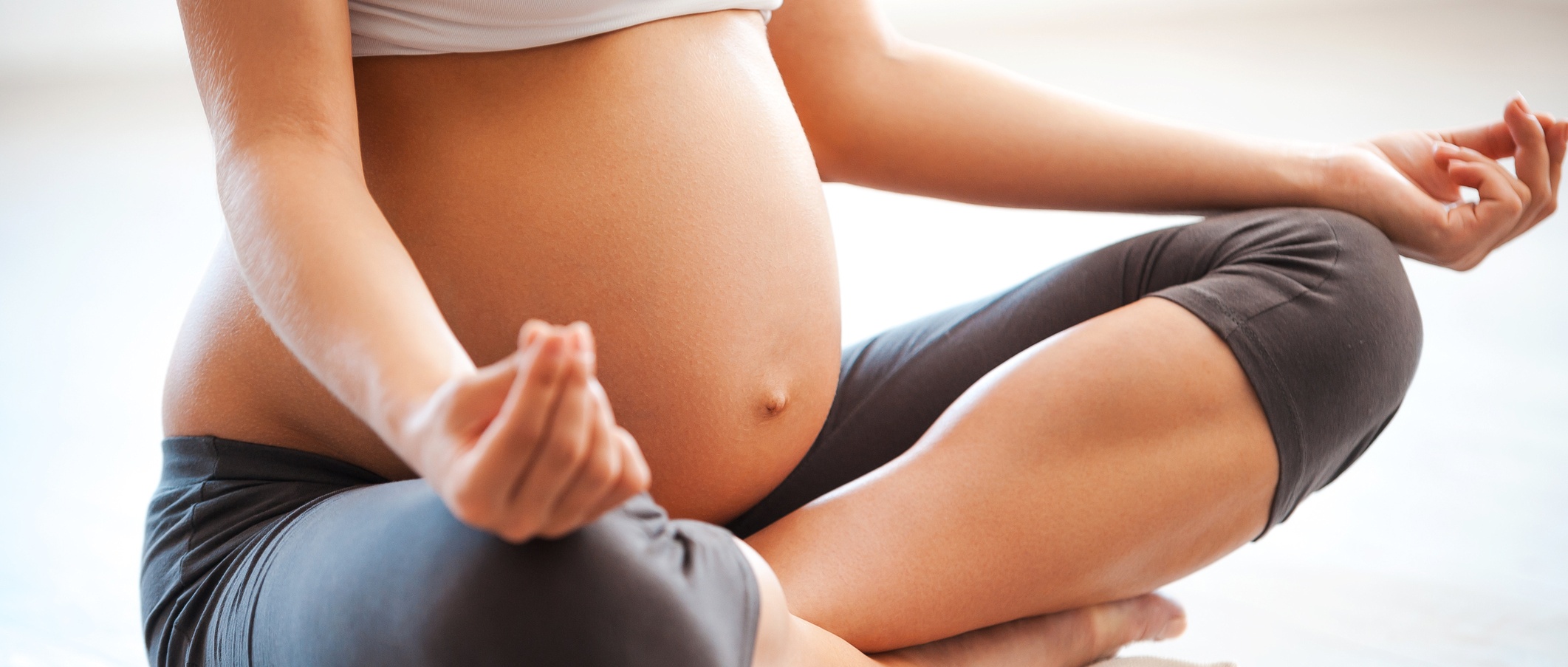
That's why so many women are turning to the practice of اليقظة الذهنية to help guide them through this journey.
Learning mindfulness in maternity
One of the most noticeable benefits of mindfulness is that it helps you slow down and focus on the moment. Mindfulness-based interventions can reduce stress, improve coping skills and promote feelings of wellbeing. In fact, practising mindfulness on a daily basis may reduce pregnancy-related anxiety and depression, which can help you feel calmer and more connected to your body.
No wonder so many women are looking to gain insight and skills into how to practise mindfulness while they are pregnant.
“Typically, mindfulness exercises are taught and honed during pregnancy for use during labour and delivery,” says midwife Alexandrea Garbus.
During pregnancy, the body and mind both go through incredible changes. Garbus says she has seen mindfulness used to help some of the temporary discomforts of late pregnancy, as well as some of the emotional rollercoasters of pregnancy.
Mindfulness expert Micki Fine further explains that stress can be a factor at any time during pregnancy, labour, or after the baby comes home. And through mindfulness practice, mum can learn to develop coping strategies that can be put to use during pregnancy, delivery and parenthood.
Fine recommends that we start the practice of mindfulness meditation early.
“This gives you practice time to cultivate the open-hearted, nonjudgmental presence that can help deal with stressors whether during pregnancy, labour or post-delivery."
She also encourages us to set aside time to practise mindfulness meditation on a regular basis.
Mindfulness during delivery
حديثًا دراسة suggests mindfulness training carefully tailored to address fear and pain of childbirth may lead to important maternal mental health benefits. These range from improvements in childbirth-related appraisals to the prevention of اكتئاب ما بعد الولادة الأعراض
And unlike medications that aim to take the pain away during labour and delivery, mindfulness aims to change a person’s relationship to the pain sensations. That may make the experience of the pain less all-absorbing and less likely to trigger a cascade of negative emotions that make things worse.
Garbus explains that mindfulness during pregnancy and labour helps increase confidence and decrease fear, helps to develop a coping mechanism for pain management, facilitates communication and connection between partners, and teaches stress reduction techniques.
Staying in the moment
Mother, Isa Down, says she had an unmedicated labour, and mindfulness helped her feel like she was remaining connected to the moment while staying grounded. “I used mindfulness and deep breathing to get through the intense moments,” she says.
Like many other women, Down’s experience demonstrates how our thoughts about physical pain during labour can be decreased by practising mindfulness - a benefit that Fine also agrees with.
“Mindfulness can help you work with physical pain in the body by providing techniques for dealing with the pain one moment at a time,” she explains.
Trying to ward off labour pain by tensing or fighting with it causes greater discomfort and longer labour. “What we resist persists, and when we can acknowledge the pain and soften around it, to the best of our ability, pain may be less intense and labour may go more quickly,” says Fine.
Mindfulness can help us develop the compassion, and openness we need to let go of negativity. It's a practice that will stand you in good stead as your baby grows over the following 18 years, and beyond.
اختيارات المرضى لـ الولادة والمخاض

الحمل
الولادات المنزلية آمنة مثل المستشفى للحمل منخفض المخاطر
A study has shown that home births are as safe as hospital births for low-risk pregnancies.
بقلم ميلي إيفانز

الحمل
أفضل طريقة للولادة لك ولطفلك
In 2005, the Royal College of Midwives (RCM) started the Campaign for Normal Birth, an initiative to increase the number of births that happened ‘naturally, and without medical intervention’. In August 2017, banner headlines in the newspapers announced that the campaign was no more – but actually, this was no sudden decision.
بقلم الدكتورة سارة جارفيس
عن المؤلفعرض السيرة الذاتية الكاملة
كتبه

سارة ليندبرج
كاتب أول
بكالوريوس (مع مرتبة الشرف)، ماجستير
سارة ليندبرج كاتبة مستقلة في مجال الصحة واللياقة البدنية والعافية.
حول المراجععرض السيرة الذاتية الكاملة

الدكتورة سارة جارفيس
استشاري سريري
MA (Cantab), BM, BCh (Oxon), DRCOG, FRCGP, MBE
بعد التدريب في الطب في كامبريدج وأكسفورد، أصبحت الدكتورة سارة جارفيس حاصلة على وسام الإمبراطورية البريطانية طبيبة عامة.
تاريخ المقال
المقال متاح أيضًا باللغة الإنجليزية, الألمانية, إسبانية, الفرنسية, إيطالي, البرتغالية, الهندية, العبرية, العربية ,، و السويدية.
26 سبتمبر 2017 | نُشر في الأصل
كتبه:
سارة ليندبرجمراجعة من قبل
الدكتورة سارة جارفيس
شارك أفكارك أو تجاربك مع الآخرين في مجتمعات المرضى.
اشترك في النشرة الإخبارية للمرضى
جرعتك الأسبوعية من النصائح الصحية الواضحة والموثوقة - مكتوبة لمساعدتك على الشعور بالاطلاع والثقة والتحكم.
من خلال الاشتراك، فإنك تقبل سياسة الخصوصية. يمكنك إلغاء الاشتراك في أي وقت. نحن لا نبيع بياناتك أبدًا.