هل الألوة فيرا مفيدة لبشرتك؟
مراجعة من قبل الدكتور كولين تايدي، MRCGPآخر تحديث بواسطة فيكتوريا راوآخر تحديث 18 مارس 2026
يتوافق مع الإرشادات التحريرية
- تنزيلتنزيل
- مشاركة
- Language
- نقاش
- نسخة صوتية
- أضف إلى المصادر المفضلة على جوجل
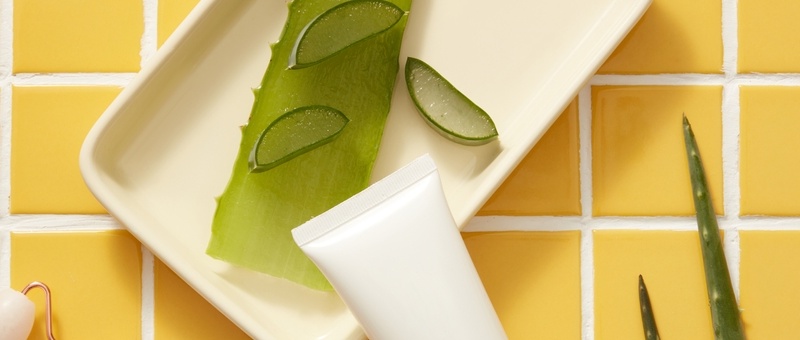
لطالما كان الألوة فيرا خيارًا شائعًا للعناية بالصحة بفضل تأثيراته المهدئة والمرطبة. سواء تم حصاده مباشرة من النبات نفسه أو تم شراؤه كمنتج جاهز، فإنه يعتبر من أفضل الخيارات لتعزيز صحة البشرة. ولكن ما الذي يجعل هذا النبات العصاري الأخضر السمين جيدًا لبشرتنا؟
What is aloe vera?
Aloe vera is a green, cactus-like plant that belongs to the lily family. Renowned since ancient times for its medicinal uses, it thrives in hot, dry climates, and is cultivated in subtropical regions across the globe. With its long, thick, juicy leaves, containing gel-like, water-filled tissue, it has a host of health-promoting nutrients, including vitamins, minerals, amino acids, and antioxidants.
It is celebrated for its anti-inflammatory properties, powerful effects on skin health and success in treating various ailments. While you can extract the gel directly from the plant, shop-bought aloe vera products are also widely available.
There are a long list of aloe vera-based options to choose from:
Raw: Raw aloe vera is extracted directly from the gel inside the plant.
Ointment, gels and lotions: These are for external use and may include additional ingredients.
Skincare products: Many moisturisers, cleansers, or shampoos contain aloe vera. They may also include additional ingredients for a pleasant smell or to extend their shelf life.
Supplements: These are usually found in capsule or powder form.
Drinks: Aloe vera juice is made from the gel inside the leaves - it's often diluted with water or fruit juice to improve the taste.
Dr Hannah Kopelman is a dermatologist specialising in skincare and hair loss. She is also host of the Derm Club podcast.
Kopelman explains that one of the primary benefits of aloe vera is its ability to hydrate your skin without leaving it greasy, making it suitable for all skin types, including oily and acne-prone skin.
She says: "It contains polysaccharides that help retain moisture in your skin, as well as antioxidants, vitamins A, C, and E, which protect the skin from free radical damage and support its natural healing processes."
How is aloe vera good for your skin?
Although it is made up of 99% water, aloe vera is rich in skin-boosting ingredients. Its mix of vitamins, minerals, and enzymes makes it a powerful topical treatment for skin health.
الفيتامينات والمعادن
Aloe vera contains vitamins such as A, C, and E that help fight off damage in your body, along with other vitamins - for example, B12, folic acid, and choline. It also has minerals such as calcium, magnesium, and potassium.
Sugars
The simple sugars in aloe vera (fructose and glucose) boost cell energy, while the complex sugars (glucomannans/polymannose) help hydrate your skin.
Enzymes
Enzymes are proteins that accelerate chemical reactions in your body. The enzymes in aloe vera help calm irritated skin.
Saponins
Saponins act like natural soap, keeping things clean and germ-free.
Fatty acids
Aloe vera is a source of healthy fats (cholesterol, campesterol, β-sitosterol, lupeol) that have inflammatory and antiseptic properties.
Lignin
This is a molecule that helps creams and lotions deliver their ingredients deeper into your skin.
Auxins and gibberellins
These plant hormones can speed up wound healing and soothe irritation.
حمض الساليسيليك
Aloe vera contains salicylic acid that possesses anti-inflammatory and antibacterial properties.
Inflammation relief
Aloe vera, with its natural anti-inflammatory properties, may help soothe inflammation from skin conditions such as eczema and psoriasis. It can also help calm red and inflamed acne.
Healing support
For minor wounds such as cuts, scrapes, and burns, aloe vera can speed up the healing process. This is because it helps new skin cells grow faster and soothes inflammation.
According to Kopelman, aloe vera can assist in wound healing and minimise the appearance of scars.
She says: "Its growth hormones - gibberellins, and polysaccharides - stimulate the growth of new cells. This helps in the repair of damaged skin and speeds up the healing process."
It is not advised to use aloe vera on severe wounds, since the gel can aggravate and slow down the healing process.
Skin elasticity
Aloe vera hydrates dry skin and reduces the appearance of wrinkles by encouraging collagen and elastin production. It also helps your skin to shed dead cells, which makes your skin feel smoother.
"Regular use of aloe vera can also help improve skin texture and reduce the appearance of fine lines and wrinkles, thanks to its ability to boost collagen production and improve skin elasticity," Kopelman explains.
Germ fighting
Aloe vera can also fight off infections caused by fungus, bacteria, and viruses.
Is raw aloe vera good for your skin?
Due to its higher nutrient content, some people choose to grow aloe vera plants at home, using the fresh gel directly from the plant's leaves. However, if you're thinking of harvesting your own aloe vera, it's important to be aware of possible skin reactions when applying it directly from the plant.
Skin irritation
If you have sensitive skin - or any existing skin conditions - aloe vera may cause redness, burning, or stinging.
Allergic reaction
Some people may experience an allergic reaction to aloe vera. If you develop itching, burning, or swelling after application, stop using it immediately.
It's recommended to perform a patch test before applying raw aloe vera to your face. Put a small amount on your wrist or inner arm and wait 24 hours. If there are no signs of irritation, it's likely safe to use on your face.
Is drinking aloe vera good for your skin?
Drinking aloe vera offers fewer health advantages than applying it to your skin. Though oral consumption of aloe vera is linked with various wellness benefits, strong scientific evidence is still developing. Studies suggest aloe vera may be effective in fighting inflammation and that it may improve heart health, aid digestion, and maintain healthy blood sugar levels, cholesterol, and weight.
However, several studies state that taking aloe vera juice orally may have harmful side effects on your body such as:
غثيان.
التقيؤ.
الإسهال.
Stomach pains.
Liver inflammation (hepatitis).
الإمساك.
The laxative effects of aloe vera can also flush out electrolytes, such as potassium, which are important for your body's functions.
With the above symptoms in mind, it is not generally recommended that you drink aloe vera juice, especially if you are:
Pregnant: The yellow extract from the inner leaf of the aloe vera plant (aloe latex) is a powerful laxative. Therefore, it's unsafe for pregnant and breastfeeding women. Some animal studies have also found that aloe vera juice can cause sperm damage and mortality.
Have digestive issues: Aloe vera may worsen symptoms for people with مرض كرون, ulcerative colitis or other digestive conditions.
Taking certain medicines: Talk to your doctor about using aloe vera if you're currently on any course of treatment. Using aloe vera alongside some medicines could lead to complications.
Although aloe vera juice boasts potential health benefits, research on its safety for drinking is limited. Given the wealth of studies supporting its topical use, it's best to only apply aloe vera directly onto your skin. This might be a safer option until more conclusive research on oral consumption is available.
اختيارات المرضى لـ Skincare
النظام الغذائي والتغذية
هل يساعد عصير الصبار حقًا في صحة الأمعاء؟
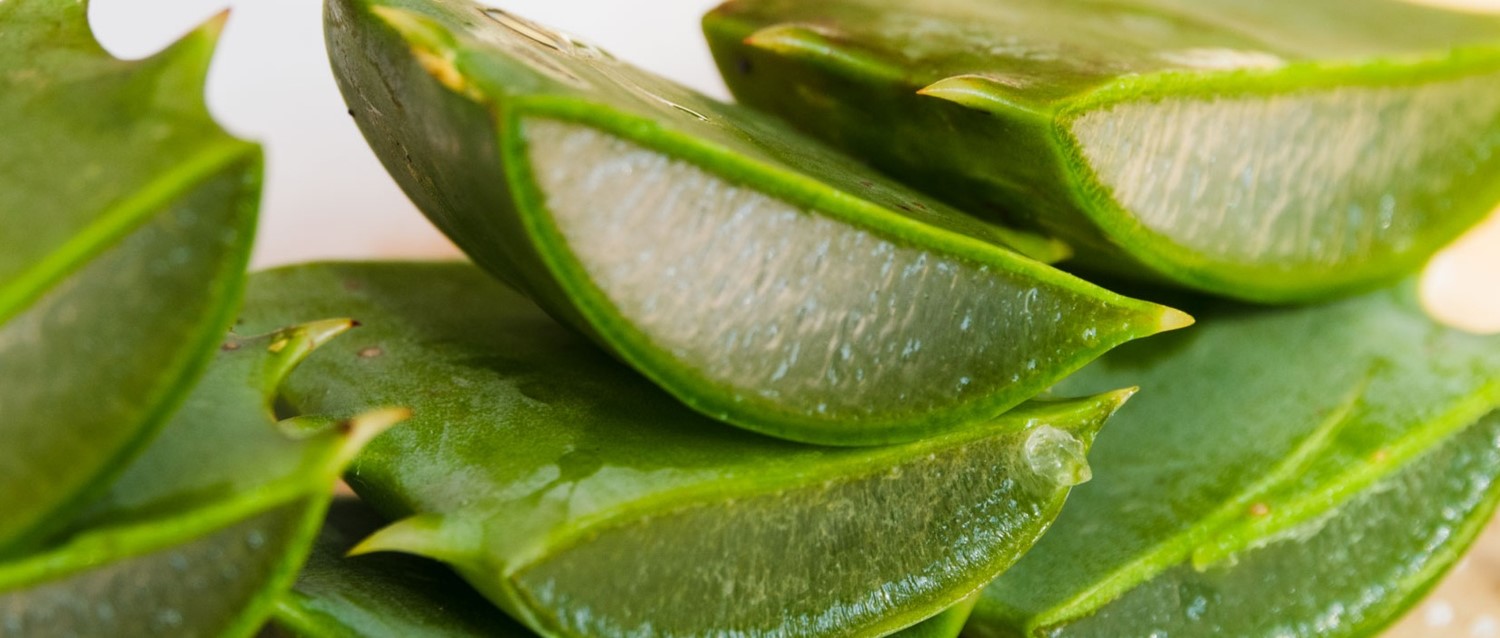
تم تقديم العديد من الادعاءات حول الفوائد الصحية لشرب عصير الصبار على وسائل التواصل الاجتماعي. يُقال إنه يمكن أن يعالج الجروح، وينعش البشرة، ويحسن صحة الأمعاء. ولكن ما مدى موثوقية هذه النصائح؟
بقلم إميلي جين باشفورث

صحة الجلد والأظافر والشعر
ما هو دور كريم ما بعد الشمس وهل تحتاجه حقًا؟
قم بزيارة أي شاطئ بريطاني في فصل الصيف وسترى على الأرجح منظرًا لأجسام محروقة بالشمس باللونين الوردي والأحمر. قضاء الوقت تحت الشمس يمكن أن يفاجئ حتى أكثر مستخدمي كريم الشمس التزامًا من وقت لآخر. لا يمكن لأفترصن عكس أضرار الشمس، ولكن مكوناته المهدئة والمرطبة يمكن أن تخفف من أعراض حروق الشمس قصيرة المدى.
بقلم لين ستيفن
عن المؤلفعرض السيرة الذاتية الكاملة

Victoria Raw
كاتب مميز
بكالوريوس (مع مرتبة الشرف)، الأدب الإنجليزي
فيكتوريا كاتبة محتوى مع Patient وتركز اهتماماتها الخاصة على الصحة النفسية، والاتجاهات المجتمعية، وتأثير التكنولوجيا على صحتنا.
حول المراجععرض السيرة الذاتية الكاملة

الدكتور كولين تايدي، MRCGP
طبيب عام، مؤلف طبي
MBBS, MRCGP, MRCP (Paediatrics), DCH
الدكتور كولين تايدي هو طبيب في هيئة الخدمات الصحية الوطنية، ويعمل في أوكسفوردشاير.
تاريخ المقال
تمت مراجعة المعلومات الموجودة في هذه الصفحة من قبل أطباء مؤهلين.
المقال متاح أيضًا باللغة الإنجليزية, الألمانية, إسبانية, الفرنسية, إيطالي, البرتغالية, الهندية, العبرية, العربية ,، و السويدية.
المراجعة التالية مستحقة: 17 مارس 2029
18 مارس 2026 | أحدث إصدار
12 Jun 2024 | نُشر في الأصل
كتبه:
Victoria Raw

اسأل، شارك، تواصل.
تصفح المناقشات، اطرح الأسئلة، وشارك التجارب عبر مئات المواضيع الصحية.

هل تشعر بتوعك؟
قم بتقييم أعراضك عبر الإنترنت مجانًا
اشترك في النشرة الإخبارية للمرضى
جرعتك الأسبوعية من النصائح الصحية الواضحة والموثوقة - مكتوبة لمساعدتك على الشعور بالاطلاع والثقة والتحكم.
من خلال الاشتراك، فإنك تقبل سياسة الخصوصية. يمكنك إلغاء الاشتراك في أي وقت. نحن لا نبيع بياناتك أبدًا.
المزيد في صحة الجلد والأظافر والشعر
- هل منتجات العناية بالبشرة تعرضك لخطر حروق الشمس؟
- هل يمكن أن يكون قناع الوجه الخاص بك يسبب حب الشباب لديك؟
- هل تحتاج إلى تجربة قناع وجه بالأفوكادو؟
- جفاف البشرة في الشتاء: ما الذي يمكن أن يفعله الطقس البارد لبشرتك
- الأكزيما عند الأطفال: كيفية تهدئة طفلك
- كيفية العناية بالبشرة السوداء خلال الشتاء
- كيفية العناية ببشرتك أثناء العلاج الكيميائي
- كيفية التعامل مع مشاكل البشرة في سن اليأس
- كيفية تهدئة لسعة القراص
- كيفية علاج لدغة ذبابة الحصان
- حكة الجلد ليلاً هذا الصيف؟ إليك السبب
- الحمى القرمزية: نصيحة طبيب
- تأثيرات التدخين على الجلد: من الشيخوخة إلى المرض
- محدثأفضل الأطعمة والعناصر الغذائية لتناولها من أجل بشرة صحية
- أبسط روتين للعناية بالبشرة للرجال
- ما هي مخاطر الشرب في الطقس الحار؟
- ما الذي يفعله سيروم فيتامين سي؟
- ماذا تقول أظافرك عن صحتك
- لماذا يسبب الإكزيما الحكة - وكيفية إيقافها
- لماذا من المهم جدًا معرفة نوع بشرتك هذا الصيف