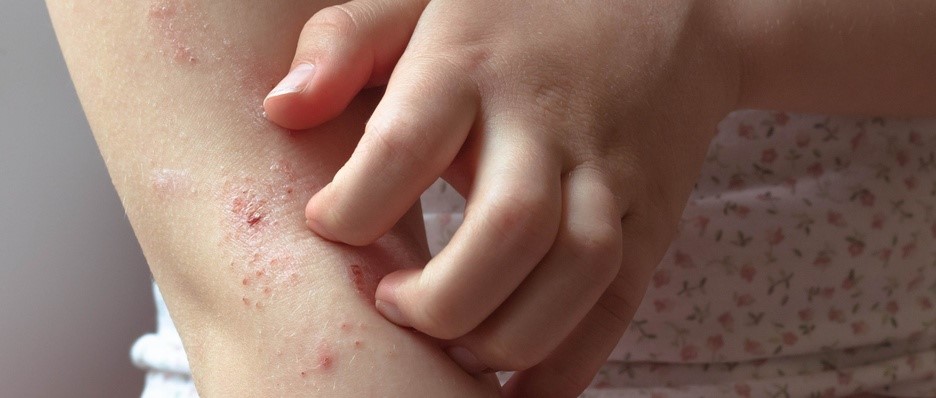
لماذا يسبب الإكزيما الحكة - وكيفية إيقافها
مراجعة من قبل الدكتور كريشنا فاخاريا، MRCGPكتبه ليديا سميثنُشر في الأصل 13 يوليو 2023
يتوافق مع الإرشادات التحريرية
- تنزيلتنزيل
- مشاركة
- Language
- نقاش
- Ask Patient
- نسخة صوتية
- أضف إلى المصادر المفضلة على جوجل
الحكة هي واحدة من أكثر الأعراض غير المريحة للإكزيما - والرغبة في الحك يمكن أن تكون لا تُحتمل. يمكن أن تؤدي البشرة المتهيجة إلى مشاكل في النوم وتجعل من الصعب التركيز، ولكن الحك يمكن أن يجعل البشرة تشعر بالألم ويؤدي إلى التهابات. فما الذي يمكنك فعله لتخفيف حكة الإكزيما؟
Explore treatments for dermatitis
احصل على مشورة صحية متخصصة وأنت في راحة منزلك. أكمل استشارة سريعة عبر الإنترنت، متاحة على مدار الساعة طوال أيام الأسبوع، وسيراجع طلبك ممارس صحي مسجل في المملكة المتحدة. تتوفر خدمة التوصيل في اليوم التالي للعلاجات المؤهلة.

Why does eczema itch?
Changes to the skin barrier
Dr Derrick Phillips, a consultant dermatologist and مؤسسة الجلد البريطانية spokesperson, says the skin barrier - the outermost layer of skin - is different in people with eczema1. "In الأكزيما, there is an impairment of the skin barrier, leading to increased water loss and dry, itchy, skin," he says. "It is not always possible to identify a trigger for sudden flares of eczema however stress, infections, sweating, changes in the weather, chemicals (for example, chlorine) and allergies can all aggravate eczema."
Usually, the skin barrier protects the skin underneath from irritants and stops water loss, keeping it hydrated. However, in people with eczema, genetic changes - specifically to a gene called filaggrin - make the skin barrier less effective at keeping moisture in. Therefore, the جلد becomes drier, which makes it itchy.
Also, because the cells aren't able to retain water as well, they shrink. This causes gaps to open up between the cells, in which substances can enter and cause irritation and itchiness.
Chemical messengers
Another reason why الأكزيما is so itchy is because the skin is affected by substances called chemical mediators2. These stimulate the nerve endings in the upper layers of the skin. These nerves tell the brain that there is an itch, making us scratch.
التعرق
People with eczema are more sensitive to sweat, which makes itching worse, but the reasons behind this are complicated. Firstly, the salty residue left behind after sweating can cause irritation.
Secondly, it is thought that people with الأكزيما have higher levels of chemical mediators called neuropeptides, which can inflame the skin and cause itching3. Research also suggests that people with eczema have a different composition of sweat than those without the condition - and that their sweat contains fewer moisturising properties4. Also, studies suggest people with eczema sweat less, which can lead skin to become drier and itchier4.
Environmental factors
Chemicals in shampoos, soaps, perfumes, cleaning products and other substances can irritate the skin, making us want to itch. Other environmental factors, such as the temperature, pollen, animal fur and dust can also worsen symptoms of الأكزيما. These can cause an immune response as the weakened skin barrier means they can get deeper into the layers of skin.
Psychological factors
Itching can also be caused by something called a psychogenic itch. This means the itch is brought on by psychological factors, such as التوتر or being in the habit of scratching.
How to cope with eczema itching
Use the right products
Moisturisers play a key role in managing الأكزيما and there are lots on the market to choose from. Phillips says: "I recommend using ointments at night. They are greasy and may be cosmetically unacceptable for daytime use, but they are extremely effective at repairing the skincare barrier and locking in moisture overnight."
During the day, Phillips recommends creams for daytime use as they have a higher water content and are absorbed quicker. Some creams contain extra ceramides to repair the skin barrier.
You should apply when needed throughout the day, but remember that applying it thickly can block pores and lead to more irritation, so it may be better to put it on often but lightly. Don't rub it into the skin, as this can make itchiness worse.
When washing, use products that are recommended by your doctor for eczema, such as your usual emollient. Apply the product like you would with a soap and then rinse it off, before patting the skin dry with a towel and reapplying it.
Top Tips:
Cool moisturisers
Keep moisturisers in the fridge. When they are then used on the skin, they are nice and cool and can help with the itchy feeling!
Use cotton bedsheets
Itching can be worse at ليل, when you’re trying to relax. Use cotton sheets as they are breathable, absorb sweat and help you stay cool. Wash the bedcovers frequently to get rid of dust and dead skin that build up.
Cover children's hands at night
For babies and young children, try cotton gloves or mittens to stop them scratching overnight. Some sleepsuits have mittens attached.
Try other techniques instead of scratching
You may find it helpful to press a nail onto the skin or tap the skin gently instead of scratching. If the itching is bad, try holding a bag of frozen peas wrapped in a towel to the skin to cool it down.
Stay cool
Getting too hot and sweating can make الأكزيما symptoms worse. Wear several light layers made of cotton, so you can take one off if you feel too warm.
مضادات الهيستامين
بعض مضادات الهيستامين المهدئة can be used to help the itching. Choose non-drowsy ones for the daytime. If sleep is affected by itching, sometimes the more drowsy antihistamines can help with both itching and sleep.
Antihistamines should not be used in this way in children unless discussed with a doctor first. If needed, the doctor may prescribe what the right antihistamine is for your child.
Speak to your doctor
If your eczema symptoms are getting worse or you are finding it hard to manage them, speak to your doctor to make sure you're using the right treatments. You may need to use topical steroids, which are put onto the skin. Your doctor may recommend steroid-sparing creams - medicines that are gentler than الستيرويدات الموضعية - for sensitive areas.
Light therapy - the use of ultraviolet light - may be recommended. UV light appears to reduce the number of cells involved in the inflammatory response, which plays an important role in eczema and can reduce itching and soreness. However, this isn't the same as the UV light found in sunbeds, which can lead to سرطان الجلد. Only specialist clinics and hospitals offer UV light therapies.
قراءة إضافية
Explore treatments for dermatitis
احصل على مشورة صحية متخصصة وأنت في راحة منزلك. أكمل استشارة سريعة عبر الإنترنت، متاحة على مدار الساعة طوال أيام الأسبوع، وسيراجع طلبك ممارس صحي مسجل في المملكة المتحدة. تتوفر خدمة التوصيل في اليوم التالي للعلاجات المؤهلة.
اختيارات المرضى لـ الأكزيما
صحة الجلد والأظافر والشعر
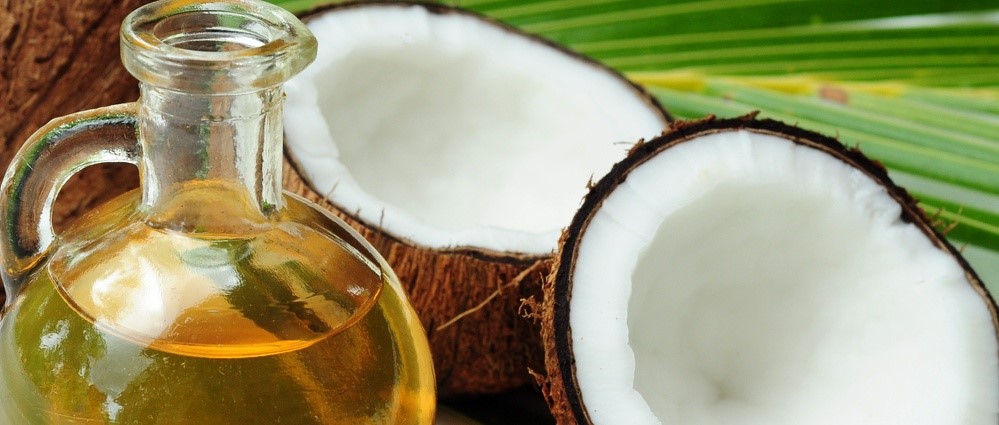
ما هي العلاجات الطبيعية التي تساعد في تهدئة الإكزيما؟
الحكة والألم، يمكن أن يكون الأكزيما غير مريح للغاية - وغالبًا لا يطاق. على الرغم من عدم وجود علاج للأكزيما، إلا أن العلاجات التقليدية مثل الكريمات والمراهم يمكن أن تساعد في تخفيف الجلد الجاف والمتهيج. ومع ذلك، قد توفر بعض المنتجات الطبيعية - مثل زيت جوز الهند - بعض الراحة المطلوبة بشدة أيضًا.
بقلم ليديا سميث
صحة الجلد والأظافر والشعر
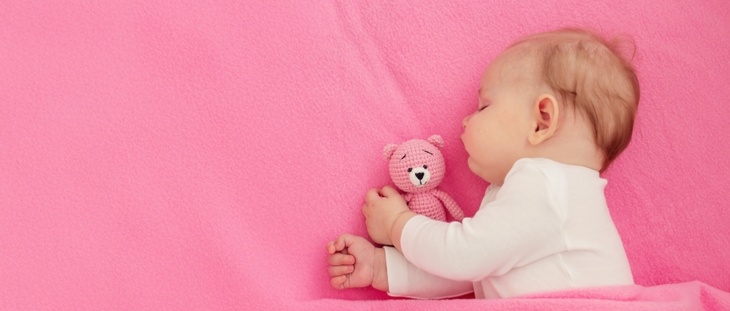
كل ما تحتاج لمعرفته حول إكزيما الأطفال
يعاني الأطفال من جميع أنواع الطفح الجلدي ومشاكل البشرة، بدءًا من طفح الحفاضات إلى قرف اللبن. معظمها غير ضار وسيختفي مع مرور الوقت مع العناية الصحيحة، لكن الإكزيما يمكن أن تكون مشكلة مستمرة. فما هي إكزيما الأطفال وكيف يمكن علاجها؟
بقلم لورانس هيغينز
عن المؤلفعرض السيرة الذاتية الكاملة
كتبه

ليديا سميث
كاتب مميز
بكالوريوس، ماجستير، ماجستير علوم
ليديا سميث صحفية حائزة على جوائز وكاتبة مقالات متميزة كتبت بشكل واسع عن صحة المرأة والصحة النفسية. وهي تدرس حاليًا للحصول على درجة الماجستير في علم النفس.
حول المراجععرض السيرة الذاتية الكاملة

الدكتور كريشنا فاخاريا، MRCGP
كبير المسؤولين الطبيين للصحة، أوبتوم المملكة المتحدة
MBChB, MRCGP(2013), BMedSci (hons), DFSRH, DRCOG, PGDipDerm (Distn)
الدكتورة كريشنا فاخاريا هي طبيبة عامة في هيئة الخدمات الصحية الوطنية. كما أنها ممتحنة منتظمة لدبلوم الدراسات العليا في الأمراض الجلدية العملية في جامعة كارديف، بالإضافة إلى كونها كبيرة المسؤولين الطبيين للصحة في Optum UK.
تاريخ المقال
المقال متاح أيضًا باللغة الإنجليزية, الألمانية, إسبانية, الفرنسية, إيطالي, البرتغالية, الهندية, العبرية, العربية ,، و السويدية.
المراجعة التالية مستحقة: 13 يوليو 2026
13 يوليو 2023 | نُشر في الأصل
كتبه:
ليديا سميثمراجعة من قبل
الدكتور كريشنا فاخاريا، MRCGP
شارك أفكارك أو تجاربك مع الآخرين في مجتمعات المرضى.
وصول بسيط إلى العلاجات والخدمات الصحية الموثوقة عبر الإنترنت.
Common conditions
Get help with common conditions through the NHS, without a GP appointment.
 التهاب الجيوب الأنفية الحاد
 التهاب اللوزتين البكتيري
 القوباء
 لدغات الحشرات
 الحزام الناريعدوى المسالك البولية
اشترك في النشرة الإخبارية للمرضى
جرعتك الأسبوعية من النصائح الصحية الواضحة والموثوقة - مكتوبة لمساعدتك على الشعور بالاطلاع والثقة والتحكم.
من خلال الاشتراك، فإنك تقبل سياسة الخصوصية. يمكنك إلغاء الاشتراك في أي وقت. نحن لا نبيع بياناتك أبدًا.