
الصدمة التأقية: الأعراض، المحفزات، وما يجب فعله
مراجعة من قبل الدكتور كريشنا فاخاريا، MRCGPكتبه أمبرلي ديفيسنُشر في الأصل 19 Jun 2022
يتوافق مع الإرشادات التحريرية
- تنزيلتنزيل
- مشاركة
- Language
- نقاش
- نسخة صوتية
- أضف إلى المصادر المفضلة على جوجل
Up to 1 in 5 allergic people live in fear of death from a possible anaphylactic shock - a severe and often sudden allergic reaction that requires emergency medical attention. Thankfully, fatalities are rare, but if you or a loved one has a severe allergy, it's important to know the warning signs and what to do.
What is anaphylactic shock?
Anaphylactic shock - also known as anaphylaxis - is a severe allergic reaction that often comes on very suddenly and without warning.
According to Anaphylaxis UK1, the reaction "usually begins within minutes and rapidly progresses, but in some cases it can also occur up to 2-3 hours later". The UK charity warns that anaphylaxis is "potentially life-threatening, and always requires an immediate emergency response".
It's important to note that not all allergic reactions are considered to be anaphylaxis. Many people with allergies will never experience a reaction this extreme.
Nonetheless, the possibility of anaphylactic shock can be a great source of التوتر and anxiety in people's lives. For example, approximately 41% of parents who have children with diagnosed food allergies are thought to have higher stress levels2.
What are the symptoms of anaphylactic shock?
If you or someone you are with starts having an allergic reaction, look out for the 'ABC symptoms' (Airway, Breathing, Consciousness/Circulation) of an anaphylactic shock3.
Anaphylaxis UK ABC symptoms
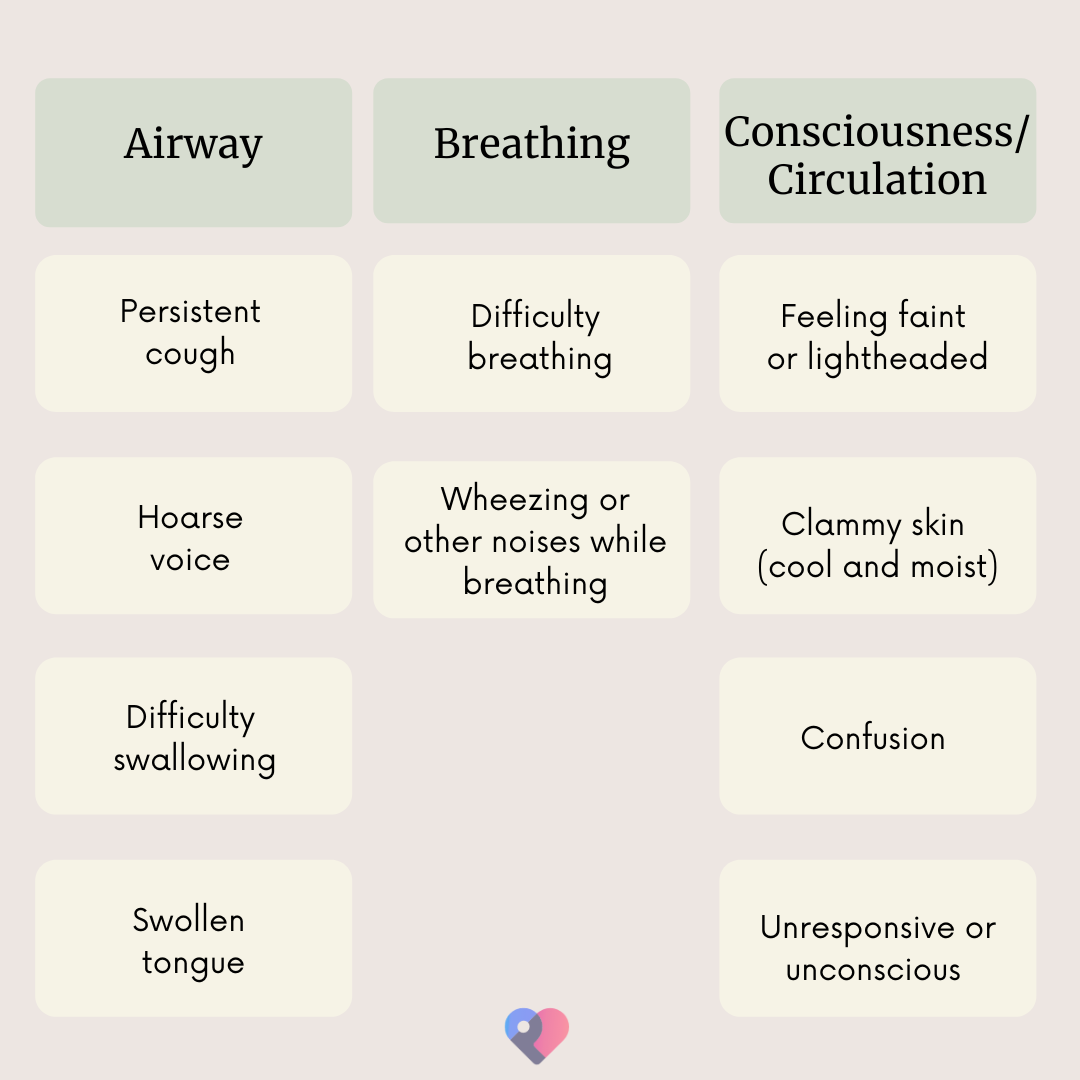
These symptoms of anaphylaxis can rapidly become worse as a person's blood pressure drops.
Can anaphylactic shock kill you?
This is a life-threatening allergic reaction sometimes resulting in death. Fortunately, this outcome is rare - occurring in just one in a thousand of all cases4. In the UK, this roughly translates to around 20 deaths per year.
Deaths are more likely to occur if adrenaline auto-injectors (AAIs),often known as 'epi-pens', aren't administered in time. This happens more often when people don't carry this prescribed emergency treatment device with them when outside the house.
What causes anaphylactic shock?
An anaphylactic shock may be triggered when you are exposed to something that you are allergic to (known as an allergen). During an allergic reaction, your immune system attacks this allergen as if it were a harmful substance.
Allergic reactions can range from very mild to severe, and an anaphylactic reaction falls into the latter category. Here, the immune system's overreaction disrupts essential bodily functions which cause symptoms such as صعوبة في التنفس, a swollen tongue, and feeling faint.
The 'shock' part of anaphylactic shock refers to the drop in blood pressure, which reduces the amount of blood delivered to the major organs. This happens when blood vessels leak fluid from the blood into surrounding tissues.
In around 20% of cases, no allergen trigger is identified (called idiopathic anaphylaxis)4. Currently, it's thought that many such reactions will be caused by 'hidden' food allergens that are hard to identify. If you experience idiopathic anaphylaxis, you may be referred to an allergy clinic where a specialist can try various allergy tests to shed light on which ingredients in your diet are the culprits.
What are the most common triggers for anaphylactic shock?
According to Anaphylaxis UK: "Anything can be an allergen, but the most common allergens that may trigger anaphylaxis are food, drugs, insects ,، أو latex."
Food - the 14 major food allergens are المكسرات, gluten (a protein found in wheat)5, sulphites/sulphur dioxide (used as preservatives in a wide range of foods), celery, crustacean, egg, fish, lupin beans, حليب, mustard, mollusc, sesame, and soya.
الأدوية - while they tend to be safe for most people, certain medicinal drugs may cause allergic reactions. Common examples include مضادات حيوية (such as penicillin) and مسكنات الألم (such aspirin, morphine, and codeine).
An insect sting or bite - some people are highly allergic to the venom injected through some insect bites and stings - for example, wasp or bee stings.
Latex - certain people are allergic to proteins found in latex, a material made from the rubber tree. Products made from latex include balloons, gloves, and condoms.
How to stop anaphylactic shock
1. Administer adrenaline auto-injector
If you believe someone you are with is experiencing anaphylactic shock, the first thing you should do is check if they are carrying an adrenaline auto-injector. If they have been diagnosed as at risk for anaphylaxis, then their doctor will have prescribed this injection device and instructed them to keep it with them at all times6.
The AAI is loaded with adrenaline (sometimes called epinephrine). A shot of this hormone can quickly open up the airways, reduce swelling, and raise blood pressure. The three main AAIs available in the UK are EpiPen, Jext, and Emerade, and all should be injected into the middle of the outer thigh (upper leg). This can be done through clothing if necessary7.
Figure 1
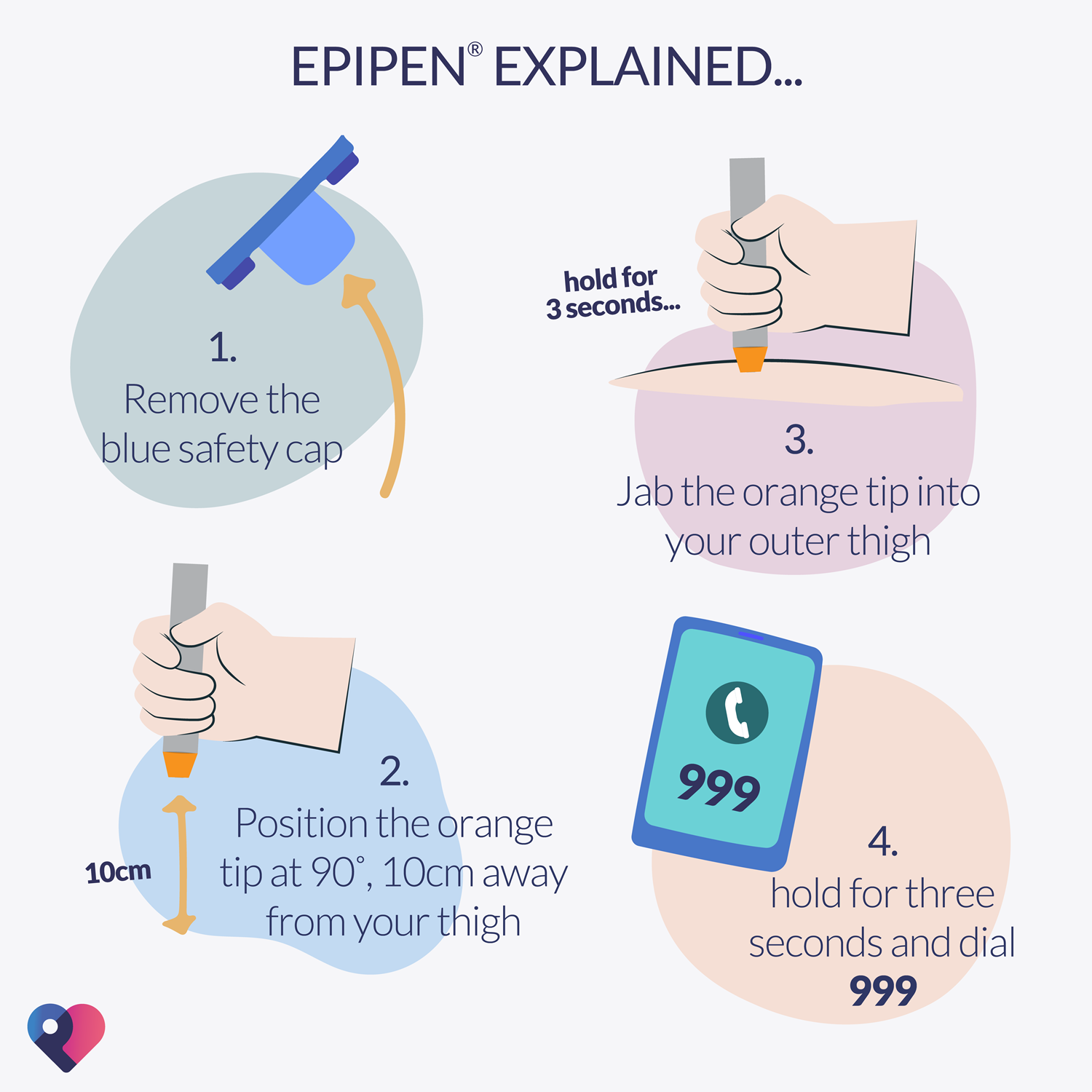
Use this device as soon as you can - the quicker it's administered, the more effective it can be. If you yourself have been prescribed an AAI, Anaphylaxis UK strongly recommends ordering a trainer device so that you can practise using it. Your doctor will provide training for you and for people who may be required to give you an injection - such as close family or school staff.
2. Call emergency services
Anaphylactic shock is potentially life-threatening, and you must call 999 (if in the UK) and request an ambulance as soon as possible. Hospital treatments depend on the severity of the reaction. They include adrenaline injection, resuscitation, and allergy medicines (such as مضادات الهيستامين المهدئة و الستيرويدات).
How to prevent anaphylactic shock
Once you've identified the cause of your allergy, you may be able to prevent anaphylaxis by avoiding triggers. This means:
Checking labels and ingredients on food and drinks packets as well as products such as shampoo and toothpaste, even for trace amounts of the allergen.
Informing restaurant staff of your allergies and their severity.
Using insect repellent.
Moving calmly away from insects you're allergic to in order to prevent being stung.
Not walking around barefoot.
Being careful when drinking out of cans - insects are attracted to sugar and may crawl inside and sting you when you take a sip.
If you're allergic to certain medicines, there are usually alternatives a doctor can prescribe instead.
قراءة إضافية
اختيارات المرضى لـ الحساسية

الحساسية، الدم والجهاز المناعي
ما الفرق بين الأثر الجانبي والحساسية تجاه الدواء؟
Many of my patients get confused between side effects or intolerance and allergy. Side effects may settle with time and there may be steps you can take to reduce your chance of having them. But if you have an allergic reaction, you must stop the medicine and not take it again.
بقلم فيكتوريا راو
الحساسية، الدم والجهاز المناعي
هل تستحق اختبارات الحساسية الخاصة العناء؟
Allergies and intolerances are on the rise, particularly towards foodstuffs. Over four in ten adults in the UK are affected. But if you suspect you have an allergy or intolerance, how can you go about finding out what the culprit is? Unfortunately the NHS offers a limited number of allergy tests. Tests can be obtained privately but an internet search for 'allergy test' will yield over one million results, many which lead to quite expensive options. But are any of these worth pursuing? We take a look at the evidence.
بواسطة الدكتور جورفيندر رول، بكالوريوس الطب والجراحة
عن المؤلفعرض السيرة الذاتية الكاملة

Amberley Davis
كاتب أول
بكالوريوس (مع مرتبة الشرف)، التنمية المهنية المستمرة
أمبرلي كاتبة كبيرة في موقع Patient وقد كتبت بشكل مكثف حول مجموعة من مواضيع الصحة والرفاهية.
حول المراجععرض السيرة الذاتية الكاملة

الدكتور كريشنا فاخاريا، MRCGP
كبير المسؤولين الطبيين للصحة، أوبتوم المملكة المتحدة
MBChB, MRCGP(2013), BMedSci (hons), DFSRH, DRCOG, PGDipDerm (Distn)
الدكتورة كريشنا فاخاريا هي طبيبة عامة في هيئة الخدمات الصحية الوطنية. كما أنها ممتحنة منتظمة لدبلوم الدراسات العليا في الأمراض الجلدية العملية في جامعة كارديف، بالإضافة إلى كونها كبيرة المسؤولين الطبيين للصحة في Optum UK.
تاريخ المقال
تمت مراجعة المعلومات الموجودة في هذه الصفحة من قبل أطباء مؤهلين.
المقال متاح أيضًا باللغة الإنجليزية, الألمانية, إسبانية, الفرنسية, إيطالي, البرتغالية, الهندية, العبرية, العربية ,، و السويدية.
19 Jun 2022 | نُشر في الأصل
كتبه:
Amberley Davisمراجعة من قبل
الدكتور كريشنا فاخاريا، MRCGP

اسأل، شارك، تواصل.
تصفح المناقشات، اطرح الأسئلة، وشارك التجارب عبر مئات المواضيع الصحية.

هل تشعر بتوعك؟
قم بتقييم أعراضك عبر الإنترنت مجانًا
اشترك في النشرة الإخبارية للمرضى
جرعتك الأسبوعية من النصائح الصحية الواضحة والموثوقة - مكتوبة لمساعدتك على الشعور بالاطلاع والثقة والتحكم.
من خلال الاشتراك، فإنك تقبل سياسة الخصوصية. يمكنك إلغاء الاشتراك في أي وقت. نحن لا نبيع بياناتك أبدًا.
المزيد في الحساسية والدم والجهاز المناعي
- الشرى المائي: التعايش مع حساسية الماء
- هل جميع علاجات حمى القش متشابهة؟
- هل زينة عيد الميلاد تسبب لك الحساسية؟
- هل يمكن أن تساعد اختبارات الدم في إدارة انقطاع الطمث والعلاج بالهرمونات البديلة؟
- تحقق من مستويات حبوب اللقاح في منطقتك
- هل يمكن أن تكون لديك حساسية من نباتات الظل الليلي؟
- حساسية حليب البقر عند الأطفال: ما هو سلم الحليب؟
- كيفية التعامل مع حساسية المكسرات في عيد الميلاد
- كيفية التغلب على الخوف من اختبارات الدم
- هل حمى القش مرتبطة بالاكتئاب؟
- اختبار دم جديد قد يكشف عن سرطان البروستاتا العدواني
- اختبار دم مخصص يكتشف عودة سرطان الثدي
- علامات نقص فيتامين B12 التي تحتاج إلى معرفتها
- ماذا يمكنك أن تأكل إذا كنت تعاني من عدم تحمل اللاكتوز؟
- ما هو عدم تحمل الكحول، وما هي أعراضه؟
- ما هو العلاج الأفضل لحساسية القش عند الأطفال؟
- ما تحتاج لمعرفته حول ردود الفعل التحسسية
- ما الفرق بين الأثر الجانبي والحساسية تجاه الدواء؟
- متى يبدأ موسم حمى القش في المملكة المتحدة - وكيف يمكنك تجنب الأعراض؟
- لماذا يصاب بعض الأشخاص فجأة بحمى القش؟