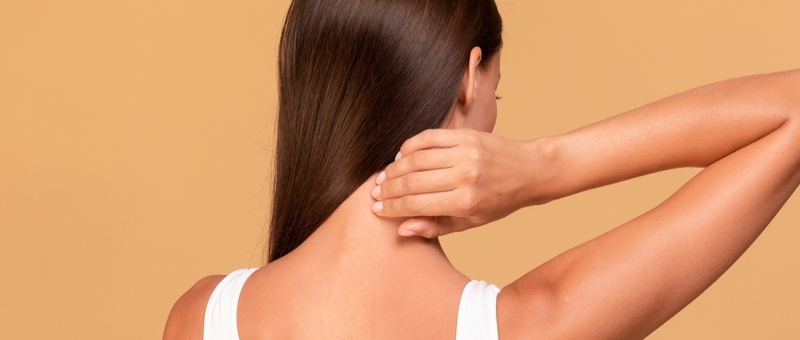
متى يجب أن تقلق بشأن آلام الرقبة؟
مراجعة من قبل الدكتور كولين تايدي، MRCGPآخر تحديث بواسطة فيكتوريا راوآخر تحديث 29 يوليو 2025
يتوافق مع الإرشادات التحريرية
- تنزيلتنزيل
- مشاركة
- Language
- نقاش
- Ask Patient
- نسخة صوتية
- أضف إلى المصادر المفضلة على جوجل
العديد منا سيعاني من آلام الرقبة في مرحلة ما، وغالبًا ما نستيقظ مع رقبة مؤلمة أو متوجعة. ليس من المستغرب - فالرقبة هي معجزة من الهندسة الطبيعية. إنها تسمح لنا بتحريك رؤوسنا في جميع الاتجاهات بينما تدعم وزن جماجمنا وتحمي الأعصاب الحيوية التي تربط أدمغتنا ببقية أجسامنا.
What causes neck pain and stiffness?
Seven bones called vertebrae are connected by spongy shock-absorbing 'discs', with a network of muscles and tough connective tissue supporting them. The spinal cord runs through a canal protected on all sides by bone. Damage or strain to any one of these can cause pain.
What are the symptoms of neck pain?
Pain which often starts in the neck and spreads to one or both shoulders - sometimes further down the arm - or up to the back of your head. Your neck and shoulders may feel stiff. Pins and needles are common and usually not a worrying sign, but these need to be checked out as they suggest a nerve emerging from your spine may be caught or irritated. The pain usually improves after a few days and goes within weeks.
Do I need tests?
As long as you don't have any of the 'red flags' below you're unlikely to need tests and may not even need to see a doctor. X-rays and scans aren't recommended except in special circumstances as they don't change treatment options.
Red flags - when should you worry?
Most neck pain doesn't mean there's a serious problem to worry about.
However, you should always get your symptoms checked out if:
It's connected with numbness, weakness or persistent pins and needles in your arm.
You've had any trauma such as a whiplash injury.
You feel generally unwell, especially with weight loss or الحمى.
The pain keeps getting worse rather than better.
The neck bones - rather than muscles on either side - are very tender.
You also develop weakness in your legs or problems with peeing.
You have other medical problems such as a history of a recent accident, السرطان أو التهاب المفاصل الروماتويدي.
How to ease neck pain
Keep moving
When you first get neck pain, it may be very painful to move and you'll need to rest in a neutral position for a couple of days. After that, as long as you don't have the 'red flags' above, it's important to keep moving your neck to stop it stiffening up - which is why neck collars or braces are not recommended unless your doctor says so.
Turn your head gently in all directions every few hours, trying to increase the range of motion gradually. Avoid prolonged sitting but keep up your normal activities as much as possible.
Medicine and self-care
مسكنات الألم such as paracetamol or anti-inflammatory painkillers such as ibuprofen - which also comes in a gel from your pharmacist - will help. Your doctor may recommend a short course of مرخيات العضلات if there's a lot of muscle spasm. A heat pad or pack over aching muscles may also help.
Wry neck
A wry neck - torticollis - is when the neck gets stuck with your head twisted to one side. It may be due to strain of the muscles or ligaments of the neck, making the muscles go into spasm. Sleeping in a draught or an uncomfortable position may bring it on. It's often very painful in the muscles on one side but usually settles within a few days. In the meantime, painkillers will help.
Avoiding neck pain - dos and don'ts
You cannot always avoid neck pain, but simple day-to-day precautions can reduce your chance of getting it.
Do
Turn your chair to face your computer directly and adjust your chair so the screen is at eye level.
Stretch regularly if you're working at a desk or driving long distances.
Keep your head back over your spine rather than hunched forwards.
Consider Pilates, yoga or the Alexander technique - many councils have lists of local classes for all ages and abilities.
لا
Sleep on your stomach. If possible, sleep on your back.
Use a very firm or high pillow - it should support the natural curve of your neck.
Tuck your phone under your chin by hunching your shoulders up.
اختيارات المرضى لـ الرقبة والكتف
العظام والمفاصل والعضلات
العلاج والعلاجات لالتهاب الكتف المتجمد
الكتف المتجمد هو حالة يصبح فيها كبسولة الكتف ملتهبة وسميكة ومشدودة، مما يؤدي إلى الألم وتقليل الحركة تدريجياً. الهدف من علاج الكتف المتجمد هو تقليل الألم، والحفاظ على الحركة، ودعم التعافي التدريجي خلال المراحل المختلفة للحالة.
بقلم جوش ألدرمان
العظام والمفاصل والعضلات
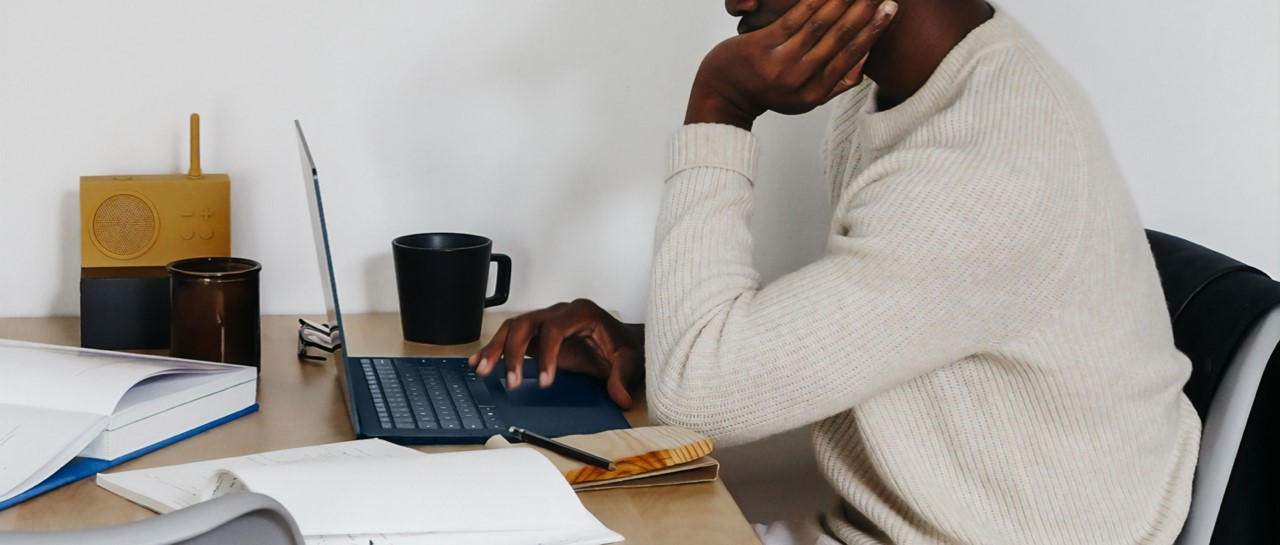
كيفية تجنب آلام الرقبة والكتفين والظهر أثناء العمل من المنزل
Have you found it hard to set up a comfortable workspace during the coronavirus lockdown? Started missing your standing desk or office chair whilst working from home? Our workspace can cause our muscles considerable pain if not set up properly, so we asked two experts to explain how best to do it.
بقلم أندريا داوني
عن المؤلفعرض السيرة الذاتية الكاملة
تم التحديث بواسطة

Victoria Raw
كاتب مميز
بكالوريوس (مع مرتبة الشرف)، الأدب الإنجليزي
فيكتوريا كاتبة محتوى لدى Patient، وتشمل اهتماماتها الخاصة الصحة النفسية والاتجاهات المجتمعية وتأثير التكنولوجيا في صحتنا.
كتبه

الدكتورة سارة جارفيس
استشاري سريري
MA (Cantab), BM, BCh (Oxon), DRCOG, FRCGP, MBE
بعد التدريب في الطب في كامبريدج وأكسفورد، أصبحت الدكتورة سارة جارفيس حاصلة على وسام الإمبراطورية البريطانية طبيبة عامة.
حول المراجععرض السيرة الذاتية الكاملة

الدكتور كولين تايدي، MRCGP
طبيب عام، مؤلف طبي
MBBS, MRCGP, MRCP (Paediatrics), DCH
الدكتور كولين تايدي هو طبيب في هيئة الخدمات الصحية الوطنية، ويعمل في أوكسفوردشاير.
تاريخ المقال
المقال متاح أيضًا باللغة الإنجليزية, الألمانية, إسبانية, الفرنسية, إيطالي, البرتغالية, الهندية, العبرية, العربية ,، و السويدية.
Next review due: 30 Jul 2028
29 يوليو 2025 | أحدث إصدار
31 Aug 2021 | نُشر في الأصل
كتبه:
الدكتورة سارة جارفيس
شارك أفكارك أو تجاربك مع الآخرين في مجتمعات المرضى.
وصول بسيط إلى العلاجات والخدمات الصحية الموثوقة عبر الإنترنت.
Common conditions
Get help with common conditions through the NHS, without a GP appointment.
 التهاب الجيوب الأنفية الحاد
 التهاب اللوزتين البكتيري
 القوباء
 لدغات الحشرات
 الحزام الناريعدوى المسالك البولية
اشترك في النشرة الإخبارية للمرضى
جرعتك الأسبوعية من النصائح الصحية الواضحة والموثوقة - مكتوبة لمساعدتك على الشعور بالاطلاع والثقة والتحكم.
من خلال الاشتراك، فإنك تقبل سياسة الخصوصية. يمكنك إلغاء الاشتراك في أي وقت. نحن لا نبيع بياناتك أبدًا.